

ChinaPlaces to Visit
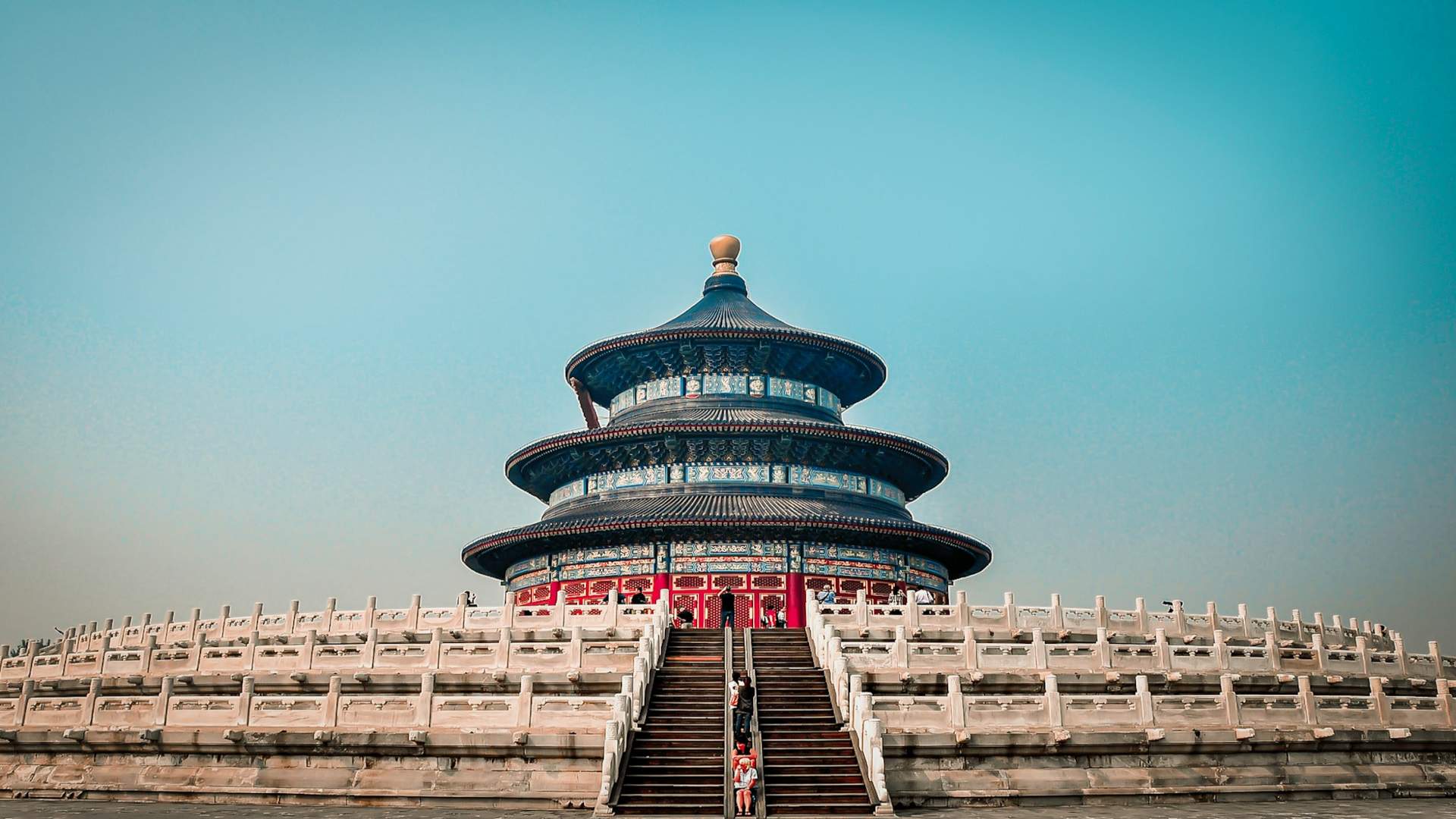
Beijing – China’s Imperial and Modern Capital
Beijing, the sprawling capital of China, is a mesmerizing blend of ancient imperial grandeur and cutting-edge modernity. Home to over 21 million people, it has served as China’s political and cultural heart for centuries, from the Ming Dynasty’s Forbidden City to the futuristic skyscrapers of the CBD. The city’s UNESCO-listed sites, like the Great Wall and Summer Palace, coexist with vibrant hutongs, bustling night markets, and world-class museums. Beijing’s rich heritage is woven with Han, Manchu, and Mongol influences, while its cuisine—from Peking duck to street jianbing—delights food lovers. Whether wandering Tiananmen Square, hiking Mutianyu, or savoring tea in a traditional courtyard, a trip to Beijing offers an unforgettable journey through China’s storied past and dynamic present.
Top Activities and Experiences in Beijing
Beijing, where ancient palaces meet modern marvels, offers a thrilling mix of historical immersion, cultural exploration, and culinary adventures. Whether you’re climbing the Great Wall, strolling hutongs, or tasting Peking duck, Beijing delivers an epic Chinese experience.
Explore the Forbidden City
Step into this UNESCO-listed palace complex, built 1406-1420, once home to 24 emperors. Wander its 980 buildings, red walls, and golden roofs in the heart of Beijing, a 3-4 hour visit.
Hike the Great Wall at Mutianyu
Day trip 70km north to this restored section of the Wall, opened to tourists in 1986. Take the cable car, hike the watchtowers, or toboggan down for stunning views and fewer crowds.
Visit Tiananmen Square
Explore the world’s largest public square, established in 1959, surrounded by Mao’s Mausoleum and the National Museum. It’s the symbolic center of China’s political history.
Tour the Summer Palace
Discover this 290-hectare imperial garden, a UNESCO site since 1998, 15km from downtown. Stroll Kunming Lake, Longevity Hill, and the Marble Boat for Qing Dynasty elegance.
Wander Beijing’s Hutongs
Explore narrow alleys like Nanluoguxiang or Yandai Xiejie by rickshaw or foot. Visit traditional courtyards, sip tea, and experience old Beijing life, a cultural highlight since the Yuan Dynasty.
Visit the Temple of Heaven
Admire this 267-hectare Ming-era complex, a UNESCO site, where emperors prayed for good harvests. The circular Hall of Prayer for Good Harvests is an architectural masterpiece.
Savor Peking Duck
Indulge in this iconic dish at Quanjude or Da Dong, where crispy skin and tender meat are wrapped in pancakes. Pair with dumplings or hotpot for a true Beijing feast.
Explore the 798 Art District
Visit this former factory zone, transformed in the 2000s into a vibrant art hub. Galleries, street art, and cafés showcase contemporary Chinese creativity in Dashanzi.
Day Trip to the Ming Tombs
Travel 50km north to this UNESCO site, burial ground of 13 Ming emperors since 1409. Walk the Sacred Way lined with stone statues for a serene historical escape.
Visit the Lama Temple (Yonghe Temple)
Explore this active Tibetan Buddhist temple, built in 1694, with its 18m Maitreya Buddha carved from a single sandalwood tree. Incense and prayer wheels fill the air.
Shop at Wangfujing Street
Browse this pedestrian street for souvenirs, silk, and street food like scorpion skewers. The night market offers a lively taste of Beijing’s urban energy.
Attend a Kung Fu Show
Watch the Legend of Kung Fu at the Red Theatre, blending martial arts, dance, and acrobatics. Evening performances showcase Shaolin traditions in a 90-minute spectacle.
Cycle Around Houhai Lake
Rent a bike to circle this scenic lake, surrounded by hutongs and bars. Sunset views and boat rides offer a relaxing escape in Beijing’s historic center.
Visit the National Museum of China
Explore this massive museum on Tiananmen Square, opened in 2003, with 1.3 million artifacts from ancient bronzes to Mao-era relics. Free entry with passport required.
Attend the Beijing International Film Festival
Join this April event, held since 2011, for screenings, red carpets, and industry talks across Beijing’s cinemas, celebrating global and Chinese cinema.
Ready to Explore More?
Discover the best places to visit in China and craft your epic itinerary. Click here to uncover top destinations across the Middle Kingdom!
Frequently Asked Questions (FAQs) About Beijing
What are the top things to do in Beijing?
Explore the Forbidden City, hike the Great Wall, visit Tiananmen Square, tour the Summer Palace, and savor Peking duck.
What are the must-visit places in Beijing?
Forbidden City, Great Wall (Mutianyu), Temple of Heaven, Summer Palace, and Tiananmen Square are top attractions.
When is the best time to visit Beijing?
Spring (April-May) and autumn (September-October) offer mild weather and clear skies. Summer (June-August) is hot and rainy; winter (November-March) is cold but less crowded.
What are the best things to see in Beijing?
Imperial palaces, ancient walls, Buddhist temples, hutong alleys, and modern art districts define Beijing’s must-see wonders.
Which are the best places to visit near Beijing for a short trip?
Mutianyu Great Wall, Ming Tombs, Chengde’s Imperial Summer Resort, or Tianjin for colonial architecture are great day trips.
Do you have a comprehensive Beijing tour guide?
Yes! Our Beijing tour guide covers attractions, dining, transport, and tips for a seamless imperial adventure.
What are the top tourist attractions in Beijing?
Key spots include the Forbidden City, Great Wall, Tiananmen Square, 798 Art District, and Lama Temple.
What are the best places to visit in Beijing with family?
Family-friendly spots include the Summer Palace, Beijing Zoo, 798 Art District, Houhai Lake, and the Great Wall toboggan.
Where can I find a Beijing tour guide for my trip?
Hire local guides via platforms like Viator or agencies like China Highlights for tailored Forbidden City tours, Wall hikes, or hutong experiences.
What are the top festivals in Beijing?
Chinese New Year (January/February), Mid-Autumn Festival (September), and Beijing International Film Festival (April) showcase traditions and culture.
Where to stay in Beijing?
Choose luxury at The Peninsula Beijing, mid-range at Novotel Beijing Peace, or budget hostels like Leo Hostel near Qianmen.
Is Beijing safe?
Beijing is safe for tourists with low crime; use licensed taxis, avoid unofficial guides, and secure valuables in crowded areas like markets.
What are some essential Beijing travel advice tips?
Use a VPN for internet, carry passport for attractions, download translation apps, use WeChat Pay/Alipay, and check air quality before outdoor activities.
What are the best places to eat in Beijing?
Try Peking duck at Quanjude, dumplings at Baoyuan, or street food at Wangfujing Night Market for authentic flavors.
Is Beijing safe for women travelers?
Yes, Beijing is safe for solo women; stick to well-lit areas, use official transport, and join group tours for remote sites like the Great Wall.
What are some must-try experiences on a trip to Beijing?
Walk the Forbidden City, hike Mutianyu, eat Peking duck, explore hutongs by rickshaw, and watch a kung fu show.
How can I book a Beijing tour or vacation package?
Book customizable packages via GetYourGuide or local agencies, including Great Wall hikes, palace tours, and food experiences.
What are some offbeat things to do in Beijing?
Explore the underground city (Dixia Cheng), visit the ancient observatory, or hike the wild Great Wall at Jiankou.
What should I pack for my Beijing vacation?
Pack comfortable shoes, a mask for pollution, layers for weather, a power bank, and a translation app for cultural adventures.
Is there a Beijing cherry blossom festival?
Beijing celebrates cherry blossoms in spring (March-April) at Yuyuantan Park and the Forbidden City moat; no official festival, but stunning natural displays.
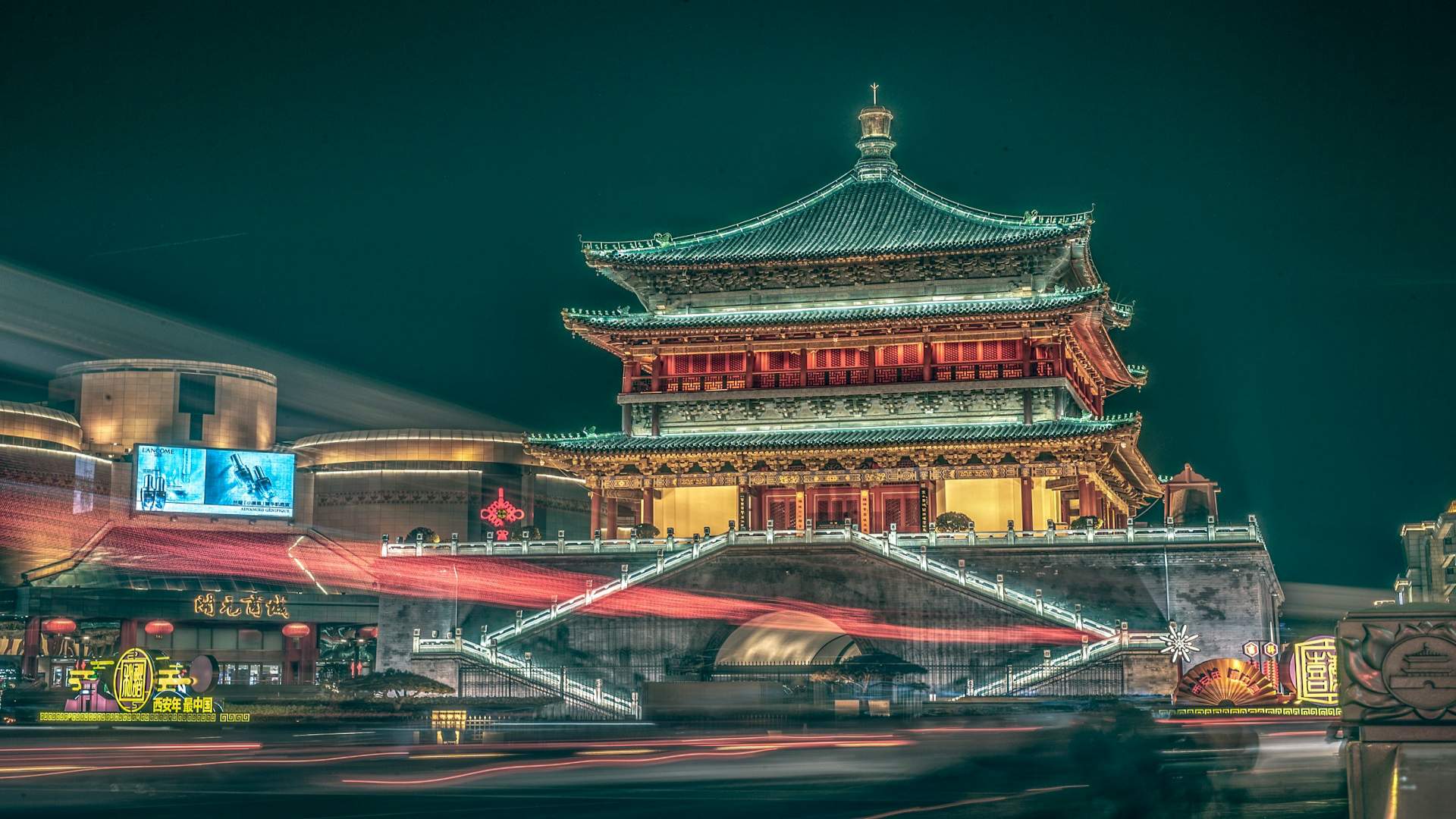
Xi'an – Cradle of Chinese Civilization
Xi'an, the ancient capital of China for over 1,100 years, is a living museum of imperial history and cultural depth. Home to 13 million people in Shaanxi Province, it was the starting point of the Silk Road and the seat of 13 dynasties, most famously the Qin and Tang. The city’s UNESCO-listed Terracotta Army, 14km-long Ming-era City Wall, and vibrant Muslim Quarter define its allure. Xi'an blends ancient wonders—pagodas, tombs, and stone steles—with modern energy and cuisine like biangbiang noodles and roujiamo. Whether cycling the City Wall at sunset, exploring Tang-era temples, or tasting lamb paomo in bustling night markets, Xi'an offers an unforgettable journey into China’s storied past and enduring traditions.
Top Activities and Experiences in Xi'an
Xi'an, where millennia of history meet vibrant street life, offers a captivating mix of archaeological wonders, cultural immersion, and culinary adventures. Whether you’re marveling at the Terracotta Army, cycling the Ancient City Wall, or tasting Hui Muslim cuisine, Xi'an delivers an epic historical experience.
Explore the Terracotta Army
Visit this UNESCO site, discovered in 1974, 40km east of Xi'an. Over 8,000 life-sized clay soldiers, built 210 BCE for Emperor Qin Shi Huang, stand in three pits—a 3-4 hour must-see.
Cycle the Ancient City Wall
Rent a bike to ride this 14km Ming-era wall, built 1370, the world’s largest intact city wall. Sunset or early morning offers stunning views of Xi'an’s old and new skyline.
Wander the Muslim Quarter
Explore this lively Hui district behind the Drum Tower, famous since the Tang Dynasty. Taste roujiamo, yangrou paomo, and biangbiang noodles in bustling food streets.
Visit Big Wild Goose Pagoda
Climb this 64m Tang-era pagoda, built in 652 CE, in Da Ci’en Temple. A UNESCO site, it houses Buddhist scriptures brought from India by monk Xuanzang.
Watch the Tang Dynasty Show
Enjoy this dinner theater at Tang Dynasty Palace, featuring music, dance, and costumes from the 7th-10th century golden age. Dumpling banquets accompany the 70-minute performance.
Visit the Shaanxi History Museum
Discover this free museum (reservations needed), opened in 1991, with 370,000 artifacts from prehistoric to Tang eras, including bronze vessels and Terracotta figures.
Explore Small Wild Goose Pagoda
Visit this 43m Tang pagoda, built in 707 CE, in Jianfu Temple. Climb for city views and explore the adjacent Xi'an Museum with free entry to 130,000 relics.
Savor Xi'an Street Food
Indulge in biangbiang noodles, roujiamo (Chinese hamburger), and lamb paomo at Muslim Quarter stalls. Night markets offer grilled squid and persimmon cakes.
Day Trip to Mount Hua (Huashan)
Travel 120km east to one of China’s Five Sacred Mountains. Hike perilous cliff paths or take the cable car for breathtaking sunrise views over jagged peaks.
Visit the Great Mosque
Explore this 1,300-year-old mosque in the Muslim Quarter, blending Chinese and Islamic architecture. Built in 742 CE, it’s one of China’s oldest and most serene.
Bike or Walk Bell and Drum Towers
Visit these Ming-era towers in the city center, built in 1380 and 1384. Evening light shows and drum performances evoke ancient timekeeping traditions.
Explore Han Yang Ling Mausoleum
Visit this underground museum, 20km north, for the Han emperor’s tomb (119 BCE) with 50,000 miniature Terracotta figures and an innovative glass-floor exhibit.
Attend the Xi'an City Wall Light Show
Watch this nightly spectacle on the South Gate, projecting Tang-era stories and Silk Road scenes onto the 600-year-old wall, a modern tribute to ancient glory.
Visit Famen Temple
Day trip 120km west to this Buddhist site, rebuilt in 1987, housing a finger bone relic of the Buddha. Its 148m pagoda is the world’s tallest with a diamond shape.
Shop at the Century Ginwa Mall
Browse this modern mall near the Bell Tower for luxury brands, local silk, and Shaanxi crafts. It’s a contrast to Xi'an’s ancient markets and a shopper’s haven.
Ready to Explore More?
Discover the best places to visit in China and craft your epic itinerary. Click here to uncover top destinations across the Middle Kingdom!
Frequently Asked Questions (FAQs) About Xi'an
What are the top things to do in Xi'an?
Explore the Terracotta Army, cycle the Ancient City Wall, wander the Muslim Quarter, visit Big Wild Goose Pagoda, and watch the Tang Dynasty Show.
What are the must-visit places in Xi'an?
Terracotta Army, Ancient City Wall, Muslim Quarter, Big Wild Goose Pagoda, and Shaanxi History Museum are top attractions.
When is the best time to visit Xi'an?
Spring (April-May) and autumn (September-October) offer mild weather. Summer (June-August) is hot; winter (November-March) is cold but less crowded.
What are the best things to see in Xi'an?
Clay warriors, ancient walls, Buddhist pagodas, Islamic mosques, and Silk Road markets define Xi'an’s must-see wonders.
Which are the best places to visit near Xi'an for a short trip?
Mount Hua, Famen Temple, Han Yang Ling, or the Qianling Mausoleum for Tang tombs are great day trips.
Do you have a comprehensive Xi'an tour guide?
Yes! Our Xi'an tour guide covers attractions, dining, transport, and tips for a seamless historical adventure.
What are the top tourist attractions in Xi'an?
Key spots include the Terracotta Army, City Wall, Muslim Quarter, Great Mosque, and Small Wild Goose Pagoda.
What are the best places to visit in Xi'an with family?
Family-friendly spots include the City Wall (bike ride), Terracotta Army, Xi'an Museum, Muslim Quarter food tour, and Tang Dynasty Show.
Where can I find a Xi'an tour guide for my trip?
Hire local guides via platforms like Viator or agencies like China Highlights for tailored Terracotta tours, wall cycling, or food walks.
What are the top festivals in Xi'an?
Chinese New Year (January/February), Lantern Festival, and Xi'an City Wall Marathon (October) showcase traditions and community spirit.
Where to stay in Xi'an?
Choose luxury at Sofitel Legend People’s Grand, mid-range at Grand Mercure Xi'an, or budget hostels like Han Tang House near the South Gate.
Is Xi'an safe?
Xi'an is safe for tourists with low crime; use licensed taxis, avoid unofficial guides, and secure valuables in crowded Muslim Quarter.
What are some essential Xi'an travel advice tips?
Book Terracotta tickets early, use a VPN, carry passport for sites, download translation apps, and use WeChat Pay/Alipay for payments.
What are the best places to eat in Xi'an?
Try biangbiang noodles at Muslim Quarter stalls, roujiamo at Fan Ji, or imperial dumplings at De Fa Chang for authentic flavors.
Is Xi'an safe for women travelers?
Yes, Xi'an is safe for solo women; stick to well-lit areas, use official transport, and join group tours for day trips like Mount Hua.
What are some must-try experiences on a trip to Xi'an?
See the Terracotta Army, cycle the City Wall, eat in the Muslim Quarter, climb Big Wild Goose Pagoda, and watch a Tang Dynasty performance.
How can I book a Xi'an tour or vacation package?
Book customizable packages via GetYourGuide or local agencies, including Terracotta visits, food tours, and Mount Hua hikes.
What are some offbeat things to do in Xi'an?
Explore the underground Hanyang Ling, visit the Forest of Stone Steles Museum, or hike the wild paths of Mount Hua at sunrise.
What should I pack for my Xi'an vacation?
Pack comfortable shoes, a mask for dust, layers for weather, a power bank, and a translation app for historical exploration.
Is there a Xi'an cherry blossom festival?
Xi'an celebrates cherry blossoms in spring (March-April) at Qinglong Temple and Da Ci’en Temple grounds; no official festival, but beautiful pink blooms.
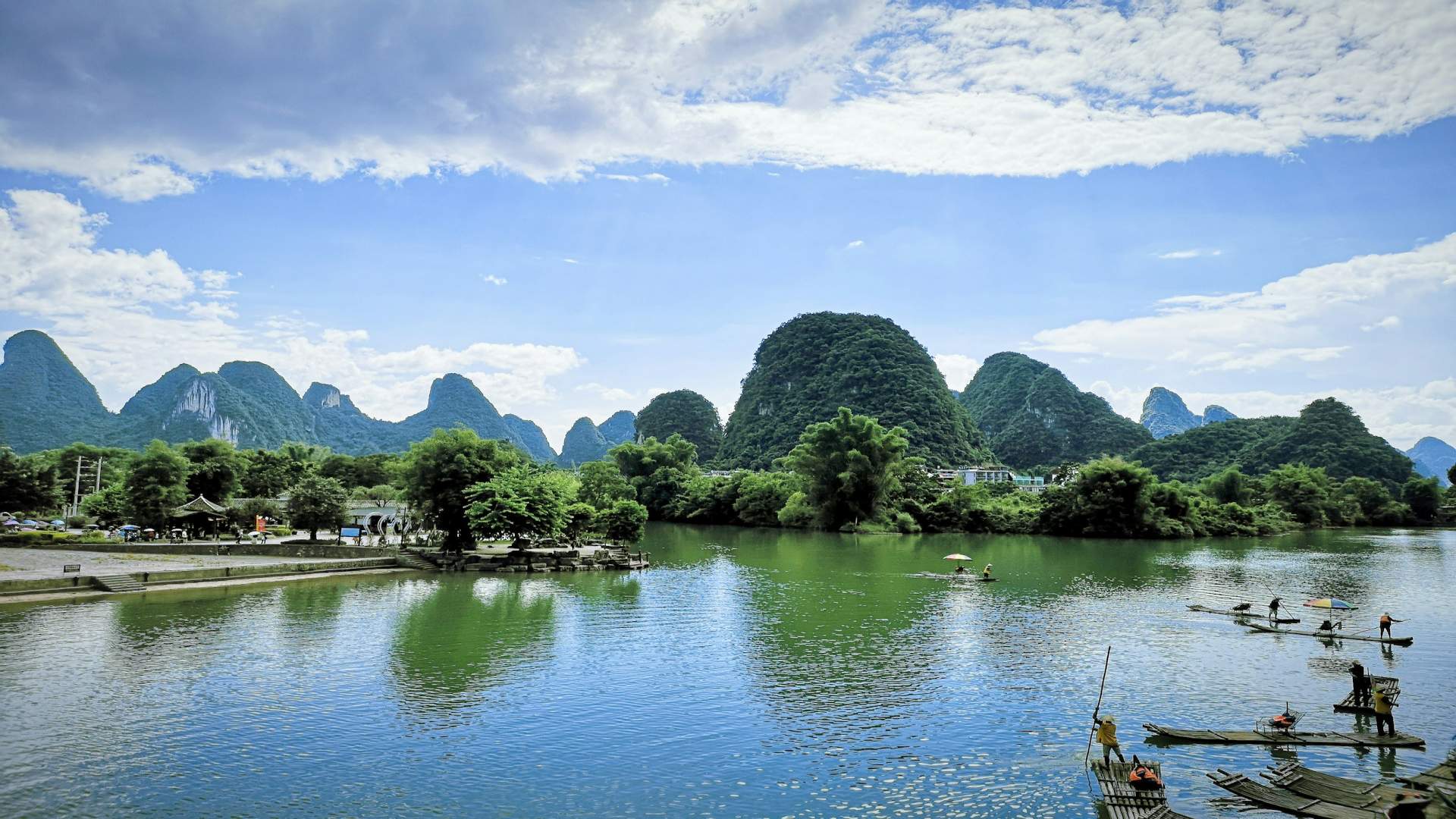
Guilin – China's Karst Landscape Wonderland
Guilin, in Guangxi Zhuang Autonomous Region, is renowned worldwide for its breathtaking karst peaks, emerald rivers, and poetic landscapes immortalized in ancient Chinese paintings. With over 4 million residents, this riverside city serves as the gateway to Yangshuo's iconic scenery and the terraced hills of Longji. Guilin's Li River cruises, bizarre rock formations like Elephant Trunk Hill, and ethnic minority cultures create a surreal, otherworldly escape. From bamboo rafting through misty gorges to savoring rice noodles by the river, Guilin blends natural splendor with Zhuang and Yao traditions. Whether hiking Longsheng terraces or cycling rural paths, a trip to Guilin promises an unforgettable immersion into China's most picturesque paradise.
Top Activities and Experiences in Guilin
Guilin, where karst spires pierce misty skies, offers a mesmerizing mix of river cruises, rural adventures, and cultural immersion. Whether you're cruising the Li River, cycling Yangshuo's countryside, or hiking terraced hills, Guilin delivers China's most iconic landscapes.
Cruise the Li River to Yangshuo
Board a 4-hour bamboo boat or luxury cruise from Guilin to Yangshuo, passing Nine Horses Fresco and 20-Yuan Hill. Misty peaks and water buffalo create postcard-perfect scenes.
Explore Elephant Trunk Hill
Visit this iconic karst formation in Guilin's city center, resembling an elephant drinking from the Li River. Climb for pagoda views and night light shows.
Cycle Through Yangshuo Countryside
Rent a bike in West Street to pedal past rice paddies, karst pinnacles, and Yulong River. Stop for moon hill hikes or riverside coffee—pure rural bliss.
Hike Longji Rice Terraces
Day trip 2 hours north to these UNESCO-listed terraces. Hike between Zhuang and Yao villages, stay in wooden stilt houses, and catch sunrise over golden paddies.
Bamboo Raft on Yulong River
Float silently on a raft through Yangshuo's dramatic gorges. Spot cormorant fishermen and karst reflections—a serene, Instagram-famous experience.
Visit Reed Flute Cave
Explore this 240m-long karst cave, illuminated with colorful lights revealing stalactites and underground rivers. A 1-hour wonder 7km from downtown.
Savor Guilin Rice Noodles
Try mi fen at street stalls—slippery rice noodles in savory broth with pickled veggies and peanuts. Pair with osmanthus cake for local sweetness.
Climb Moon Hill
Hike 800 steps to this Yangshuo arch-shaped karst peak for 360° views of rice fields and spires. Moderate 45-min ascent with rewarding panoramas.
Day Trip to Xingping Ancient Town
Visit the "20-Yuan Bill Village" for Ming-Qing architecture, riverside walks, and fewer tourists. Featured on China's currency since 1999.
Watch Impression Liu Sanjie Light Show
Zhang Yimou's outdoor spectacle on Li River—1,004 performers, water screens, and karst backdrop. World's largest natural theater (2,000 seats).
Explore Silver Cave
Discover this 12km cave system with underground waterfalls and crystal formations. Boat rides through illuminated chambers—a cool escape from summer heat.
Visit Fubo (Whip Mountain) Park
Climb this riverside hill for pagoda views and Buddha carvings on cliffs. Ancient inscriptions and city panoramas in a compact green space.
Take a Cooking Class in Yangshuo
Learn to make stuffed snails, beer fish, or rice noodles with local chefs. Hands-on classes end with feasting on your creations.
Relax at Silver Beach
Unwind on this white-sand beach in Qinzhou (2 hrs south). Kite surfing, seafood BBQs, and coconut groves offer a tropical contrast to karst scenery.
Attend the Longji Terraces Festival
Join autumn harvest celebrations with Yao minority dances, rice wine, and terraced field photo ops amid golden paddies.
Ready to Explore More?
Discover the best places to visit in China and craft your epic itinerary. Click here to uncover top destinations across the Middle Kingdom!
Frequently Asked Questions (FAQs) About Guilin
What are the top things to do in Guilin?
Cruise the Li River, cycle Yangshuo, hike Longji terraces, explore Elephant Trunk Hill, and bamboo raft Yulong River.
What are the must-visit places in Guilin?
Li River, Yangshuo, Elephant Trunk Hill, Longji Rice Terraces, and Reed Flute Cave are top attractions.
When is the best time to visit Guilin?
Spring (March-May) for green terraces; autumn (September-November) for golden rice fields and mild weather. Avoid summer rains.
What are the best things to see in Guilin?
Karst pinnacles, misty rivers, terraced hills, ancient caves, and rural Zhuang villages define Guilin's wonders.
Which are the best places to visit near Guilin for a short trip?
Yangshuo, Longji, Xingping, Silver Cave, or Fenghuang Ancient Town (overnight) are perfect escapes.
Do you have a comprehensive Guilin tour guide?
Yes! Our Guilin tour guide covers attractions, dining, transport, and tips for a seamless karst adventure.
What are the top tourist attractions in Guilin?
Key spots include Li River Cruise, Elephant Trunk Hill, Reed Flute Cave, Moon Hill, and Fubo Park.
What are the best places to visit in Guilin with family?
Family-friendly spots include Li River cruise, Yangshuo biking, Reed Flute Cave, Silver Beach, and park picnics.
Where can I find a Guilin tour guide for my trip?
Hire via platforms like Viator or agencies like China Highlights for Li River cruises, Yangshuo tours, or Longji hikes.
What are the top festivals in Guilin?
Longji Rice Harvest (October), Impression Liu Sanjie shows, and Dragon Boat Festival feature minority dances and river races.
Where to stay in Guilin?
Luxury at Shangri-La Guilin; mid-range at Ayla Yangshuo Resort; budget hostels near West Street.
Is Guilin safe?
Guilin is very safe; use licensed boats, avoid unofficial guides, and secure valuables on crowded cruises.
What are some essential Guilin travel advice tips?
Book Li River cruises early, use Didi app, carry cash for rural areas, wear comfy shoes for hiking.
What are the best places to eat in Guilin?
Try Guilin rice noodles, beer fish in Yangshuo, stuffed snails, and osmanthus cake at local stalls.
Is Guilin safe for women travelers?
Yes; join group tours for rural areas, stick to main paths, use trusted transport.
What are some must-try experiences on a trip to Guilin?
Li River cruise at dawn, Yangshuo bike ride, Longji sunrise hike, bamboo rafting, Impression light show.
How can I book a Guilin tour or vacation package?
Book via GetYourGuide or local agencies for cruises, terraces, and countryside tours.
What are some offbeat things to do in Guilin?
Rowboat to Moon Hill at dawn, visit Miao villages, cave tubing in Silver Cave.
What should I pack for my Guilin vacation?
Light layers, rain gear, hiking shoes, bug spray, reusable bottle for rural adventures.
Is there a Guilin cherry blossom festival?
Spring brings cherry blossoms to Longji and parks; no official festival, but stunning with terraces.
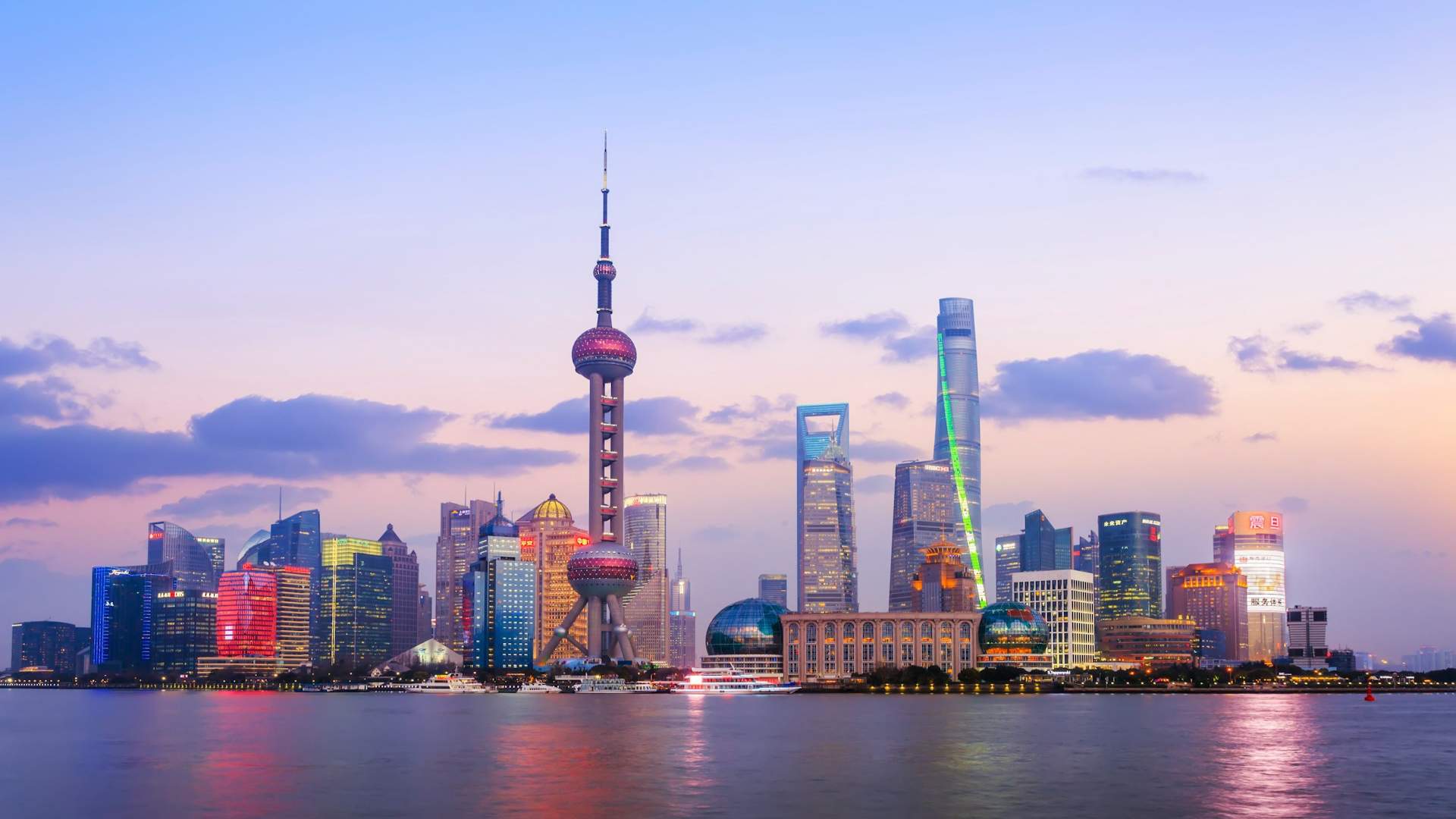
Shanghai – China’s Futuristic Metropolis
Shanghai, China’s largest city with over 24 million residents, is a dazzling fusion of colonial heritage, cutting-edge innovation, and cosmopolitan flair. Once a modest fishing village, it became a global financial hub in the 19th century, with The Bund’s historic skyline facing Pudong’s futuristic towers. Shanghai pulses with energy along Nanjing Road, serene gardens like Yu Garden, and vibrant art districts. Its cuisine—from xiaolongbao to hairy crab—reflects Jiangsu and Zhejiang influences, while its nightlife rivals any world city. Whether cruising the Huangpu River, sipping cocktails 470m up in Shanghai Tower, or exploring French Concession lanes, Shanghai offers an electrifying journey through China’s modern soul and storied past.
Top Activities and Experiences in Shanghai
Shanghai, where neon lights meet ancient temples, offers a thrilling mix of urban exploration, cultural immersion, and culinary adventures. Whether you’re marveling at Pudong’s skyline, strolling The Bund, or tasting soup dumplings, Shanghai delivers an unforgettable Chinese metropolis experience.
Stroll The Bund at Night
Walk this iconic waterfront promenade, established in the 1840s, for colonial architecture on one side and Pudong’s glowing skyline on the other. Sunset or night views are unmissable.
Visit Yu Garden and Bazaar
Explore this 400-year-old Ming Dynasty garden, opened to public in 1961, with pavilions, rockeries, and koi ponds. The adjacent bazaar offers souvenirs and street food.
Ride to Shanghai Tower Observation Deck
Ascend to the 118th floor (561m) of China’s tallest building, completed in 2015. The world’s fastest elevator offers 360° views of Shanghai’s sprawling urban landscape.
Shop on Nanjing Road
Walk this 5.5km pedestrian street, Asia’s busiest since the 1930s, for luxury brands, department stores, and street performers. It connects The Bund to Jing’an Temple.
Cruise the Huangpu River
Take a 1-hour night cruise to see Shanghai’s dual skylines illuminated. Boats depart from The Bund, offering stunning views of colonial and modern architecture.
Explore the French Concession
Wander tree-lined streets like Wukang Road or Fuxing Road, once a 1910s French enclave. Cafés, art deco villas, and boutique shops define this chic, historic district.
Savor Xiaolongbao
Taste these delicate soup dumplings at Din Tai Fung or Nanxiang Steamed Bun Restaurant. Pair with hairy crab in autumn or shengjianbao for a true Shanghai flavor.
Visit Shanghai Museum
Discover this free museum on People’s Square, opened in 1996, with 120,000 artifacts, including ancient bronzes, ceramics, and calligraphy from the Shang to Qing dynasties.
Day Trip to Zhujiajiao Water Town
Travel 50km west to this 1,700-year-old canal town. Ride a gondola, cross 36 stone bridges, and explore teahouses in a serene escape from the city.
Explore Tianzifang
Stroll this labyrinth of shikumen lanes in the French Concession, transformed in the 2000s into an artsy hub. Boutiques, galleries, and cafés offer a bohemian vibe.
Visit Jing’an Temple
Admire this 1,700-year-old Buddhist temple, rebuilt in 1983, with its golden roofs and 15m jade Buddha. Located on Nanjing Road, it’s a spiritual oasis amid skyscrapers.
Experience M50 Art District
Explore this former textile mill zone, now a contemporary art hub since 2000. Graffiti, galleries, and design studios showcase Shanghai’s creative pulse in Putuo District.
Walk Xintiandi
Visit this upscale shikumen redevelopment, opened in 2001, blending restored 1920s architecture with luxury dining and bars. It’s a trendy spot for evening outings.
Attend the Shanghai International Film Festival
Join this June event, held since 1993, for red carpet premieres, screenings, and industry forums across Shanghai’s cinemas, celebrating global cinema.
Relax in Fuxing Park
Enjoy this 10-hectare green space in the French Concession, opened in 1909. Locals practice tai chi, while flowerbeds and statues offer a peaceful retreat.
Ready to Explore More?
Discover the best places to visit in China and craft your epic itinerary. Click here to uncover top destinations across the Middle Kingdom!
Frequently Asked Questions (FAQs) About Shanghai
What are the top things to do in Shanghai?
Stroll The Bund, visit Yu Garden, ride to Shanghai Tower, shop Nanjing Road, and savor xiaolongbao.
What are the must-visit places in Shanghai?
The Bund, Yu Garden, Shanghai Tower, Nanjing Road, and the French Concession are top attractions.
When is the best time to visit Shanghai?
Spring (March-May) and autumn (September-November) offer mild weather. Summer (June-August) is hot and humid; winter (December-February) is cold but festive.
What are the best things to see in Shanghai?
Colonial waterfronts, futuristic skyscrapers, classical gardens, shikumen lanes, and neon-lit streets define Shanghai’s must-see wonders.
Which are the best places to visit near Shanghai for a short trip?
Zhujiajiao, Suzhou for gardens, Hangzhou’s West Lake, or Zhouzhuang water town are great day trips.
Do you have a comprehensive Shanghai tour guide?
Yes! Our Shanghai tour guide covers attractions, dining, transport, and tips for a seamless metropolitan adventure.
What are the top tourist attractions in Shanghai?
Key spots include The Bund, Yu Garden, Shanghai Tower, Tianzifang, and Shanghai Museum.
What are the best places to visit in Shanghai with family?
Family-friendly spots include Shanghai Disneyland, Shanghai Ocean Aquarium, Yu Garden, Century Park, and The Bund promenade.
Where can I find a Shanghai tour guide for my trip?
Hire local guides via platforms like Viator or agencies like China Highlights for tailored Bund walks, tower visits, or water town tours.
What are the top festivals in Shanghai?
Shanghai International Film Festival (June), Longhua Temple Fair (April), and Mid-Autumn Festival (September) showcase culture and lights.
Where to stay in Shanghai?
Choose luxury at The Peninsula Shanghai, mid-range at Campanile Shanghai Bund, or budget hostels like Rock & Wood International Youth Hostel.
Is Shanghai safe?
Shanghai is safe for tourists with low crime; use licensed taxis, avoid unofficial guides, and secure valuables in crowded areas like Nanjing Road.
What are some essential Shanghai travel advice tips?
Use a VPN, download Didi for rides, carry passport for attractions, use WeChat Pay/Alipay, and check air quality for outdoor plans.
What are the best places to eat in Shanghai?
Try xiaolongbao at Din Tai Fung, hairy crab at Wang Bao He, or street food at Yunnan Road Food Street for local flavors.
Is Shanghai safe for women travelers?
Yes, Shanghai is safe for solo women; stick to well-lit areas, use official transport, and join group tours for day trips.
What are some must-try experiences on a trip to Shanghai?
Walk The Bund at night, eat soup dumplings, ascend Shanghai Tower, explore French Concession lanes, and cruise the Huangpu River.
How can I book a Shanghai tour or vacation package?
Book customizable packages via GetYourGuide or local agencies, including skyline tours, food walks, and water town trips.
What are some offbeat things to do in Shanghai?
Explore the Propaganda Poster Art Centre, visit the Jewish Refugees Museum, or take a sunrise tai chi class in Fuxing Park.
What should I pack for my Shanghai vacation?
Pack comfortable shoes, a mask for pollution, layers for weather, a power bank, and a translation app for urban adventures.
Is there a Shanghai cherry blossom festival?
Shanghai celebrates cherry blossoms in spring (March-April) at Gucun Park and Century Park; no official festival, but stunning pink displays.
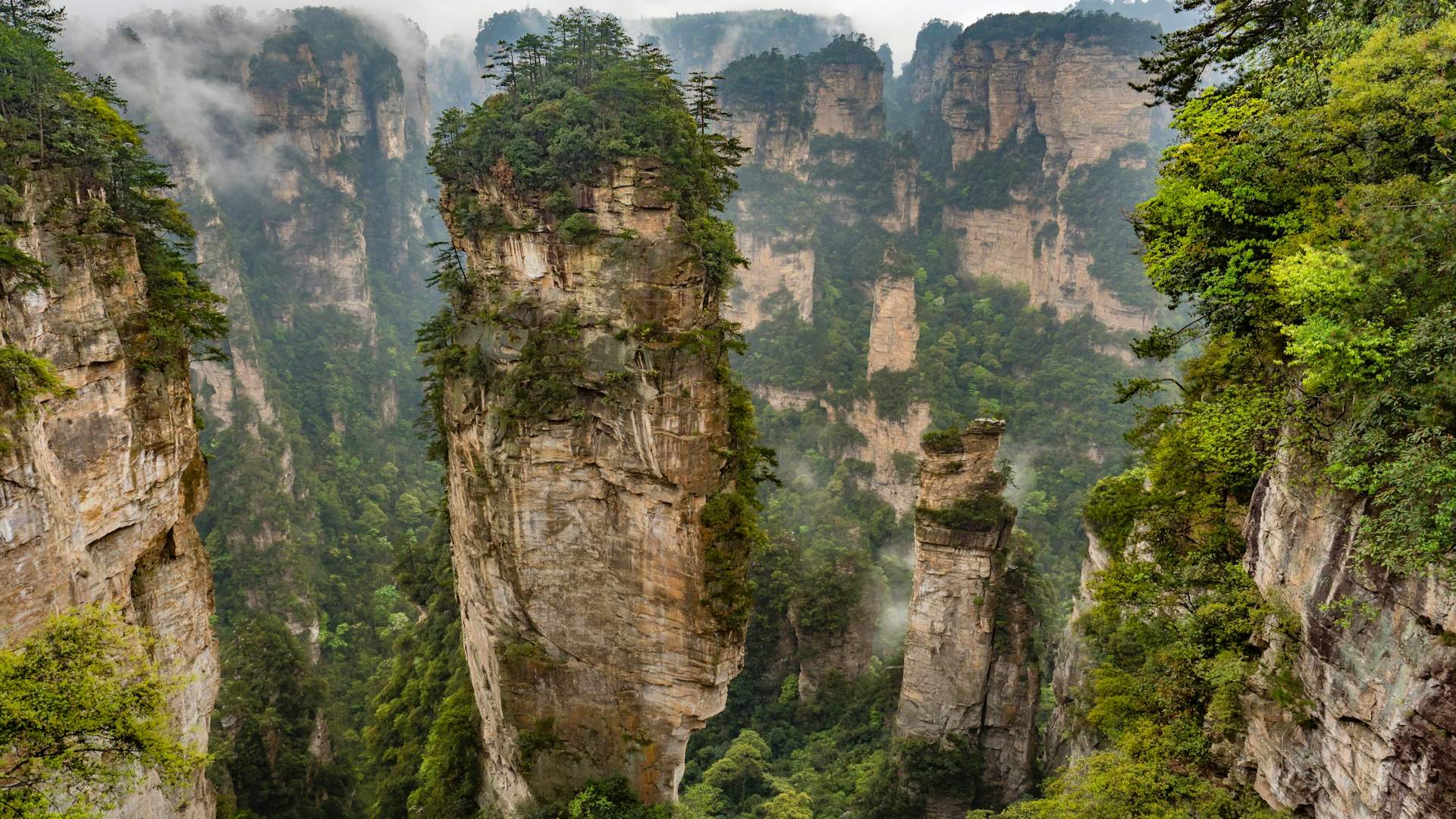
Zhangjiajie – Avatar’s Floating Peaks
Zhangjiajie, in northwest Hunan Province, is a surreal wonderland of over 3,000 quartz-sandstone pillars, deep ravines, and misty forests that inspired James Cameron’s *Avatar* floating mountains. Home to the UNESCO-listed Wulingyuan Scenic Area, this 26,000-hectare park features the world’s tallest outdoor elevator, longest glass bridge, and dramatic karst landscapes. From hiking Yuanjiajie’s Hallelujah Mountain to cable car rides over Tianmen Mountain’s “Heaven’s Gate,” Zhangjiajie blends natural grandeur with Tujia minority culture. Whether spotting golden snub-nosed monkeys or walking on glass 300m above the abyss, Zhangjiajie delivers an otherworldly adventure in China’s most cinematic terrain.
Top Activities and Experiences in Zhangjiajie
Zhangjiajie, where sandstone spires pierce the clouds, offers jaw-dropping hikes, glass walkways, and cinematic vistas. Whether you're riding the Bailong Elevator, crossing the Glass Bridge, or hiking Avatar trails, this is China’s ultimate natural spectacle.
Hike Yuanjiajie (Avatar Hallelujah Mountain)
Explore the UNESCO park’s iconic pillar where *Avatar* was filmed. See First Bridge Under Heaven and ride the Bailong Elevator—world’s tallest outdoor lift (326m in 1:58).
Walk Zhangjiajie Grand Canyon Glass Bridge
Cross the world’s longest (430m) and highest (300m) glass bridge. Bungee jump (optional) or enjoy panoramic views of the canyon below.
Ride Tianmen Mountain Cable Car
Take the 7.5km cable car—world’s longest—to “Heaven’s Gate” cave (1,300m up). Walk the glass skywalk and 999-step stairway carved into the cliff.
Explore Tianzi Mountain
Hike or cable car to this 1,262m peak for 360° views of thousands of pillars. Emperor’s Brush and sea of clouds at sunrise are unmissable.
Visit Yellow Stone Village (Huangshi Zhai)
Cable car or 3-hour hike to this flat-topped summit with Six Wonders Pavilion and star-gazing platforms. Best for sunset photography.
Spot Golden Snub-Nosed Monkeys
Trek Ten-Mile Gallery for sightings of this endangered species. Monkeys roam freely near the monorail—bring a zoom lens!
Ride the Ten-Mile Gallery Monorail
Glide 3km through lush valleys and bizarre rock formations. Stops at herbal medicine gardens and Tujia villages.
Day Trip to Fenghuang Ancient Town
Drive 3 hours to this 1,300-year-old riverside town with stilted houses, lanterns, and Miao culture. Night views are magical.
Visit Baofeng Lake
Boat ride on this emerald lake surrounded by peaks. Tujia singers perform folk songs—serene and photogenic.
Experience Tujia Minority Culture
Watch traditional dancing, try sticky rice cakes, and see bamboo weaving at local villages or evening shows in Wulingyuan.
Hike Golden Whip Stream
Walk this 7.5km flat trail along crystal waters, past towering pillars and wild monkeys. Easy and scenic—perfect for families.
Visit Zhangjiajie National Forest Park at Dawn
Enter early (6 AM) to beat crowds and catch golden light on the pillars. Mist and silence create a mystical atmosphere.
Explore Suoxi Valley Nature Reserve
Less-visited area with waterfalls, caves, and the “Ten Thousand Bats Cave.” Ideal for off-the-beaten-path hiking.
Attend the Zhangjiajie International Forest Festival
Join September events with hiking races, Tujia performances, and eco-tours in the park.
Try Spicy Hunan Cuisine
Savor smoked pork, sour fish soup, and wild fern stir-fry at local farmstays. Less oily than Sichuan, but boldly flavored.
Ready to Explore More?
Discover the best places to visit in Hunan and craft your epic mountain itinerary. Click here to uncover top destinations across Avatar’s real-world inspiration!
Frequently Asked Questions (FAQs) About Zhangjiajie
What are the top things to do in Zhangjiajie?
Hike Avatar Mountain, cross Glass Bridge, ride Tianmen cable car, spot monkeys, and explore Golden Whip Stream.
What are the must-visit places in Zhangjiajie?
Yuanjiajie, Glass Bridge, Tianmen Mountain, Tianzi Mountain, and Baofeng Lake are top attractions.
When is the best time to visit Zhangjiajie?
Autumn (September-November) for clear skies and golden foliage; spring (April-May) for green peaks. Avoid summer crowds and rain.
What are the best things to see in Zhangjiajie?
Floating sandstone pillars, glass walkways, sea of clouds, Tujia villages, and misty forests define the scenery.
Which are the best places to visit near Zhangjiajie for a short trip?
Fenghuang Ancient Town, Furong Town, or Dehang Miao Village are perfect overnight escapes.
Do you have a comprehensive Zhangjiajie tour guide?
Yes! Our guide covers trails, transport, altitude, and tips for a seamless adventure.
What are the top tourist attractions in Zhangjiajie?
Key spots include Avatar Hallelujah Mountain, Glass Bridge, Bailong Elevator, Tianmen Heaven’s Gate, and Ten-Mile Gallery.
What are the best places to visit in Zhangjiajie with family?
Family-friendly: Golden Whip Stream, Baofeng Lake boat, monorail, and glass bridge (with caution).
Where can I find a Zhangjiajie tour guide for my trip?
Hire via China Highlights or local agencies for park hikes, glass bridge, and Tianmen Mountain.
What are the top festivals in Zhangjiajie?
International Forest Festival (Sept), Tujia Torch Festival (July), and Lantern Festival feature culture and nature.
Where to stay in Zhangjiajie?
Luxury: Pullman Zhangjiajie; mid-range: Sunshine Hotel Wulingyuan; budget: hostels near park entrance.
Is Zhangjiajie safe?
Very safe; follow marked trails, avoid cliff edges, secure belongings in crowds.
What are some essential Zhangjiajie travel advice tips?
Buy park ticket (4-day pass), book hotels early, wear hiking shoes, bring rain jacket, start early to avoid lines.
What are the best places to eat in Zhangjiajie?
Try smoked pork, wild mushroom hotpot, and kiwi juice at Tujia farm restaurants.
Is Zhangjiajie safe for women travelers?
Yes; stick to main paths, join group hikes, avoid isolated areas at night.
What are some must-try experiences in Zhangjiajie?
Ride Bailong Elevator at sunrise, walk Glass Bridge, see Avatar peak, Tianmen skywalk, Golden Whip hike.
How can I book a Zhangjiajie tour or vacation package?
Book via GetYourGuide or agencies for multi-day park passes, guides, and transport.
What are some offbeat things to do in Zhangjiajie?
Visit Yellow Dragon Cave, hike Suoxi Valley, stay in Tujia stilt house, explore Dehang at dawn.
What should I pack for my Zhangjiajie vacation?
Sturdy shoes, rain gear, sunscreen, water bottle, power bank, light layers for elevation changes.
Is there a Zhangjiajie cherry blossom festival?
Spring brings azaleas and wildflowers to the peaks; no official festival, but stunning with mist.
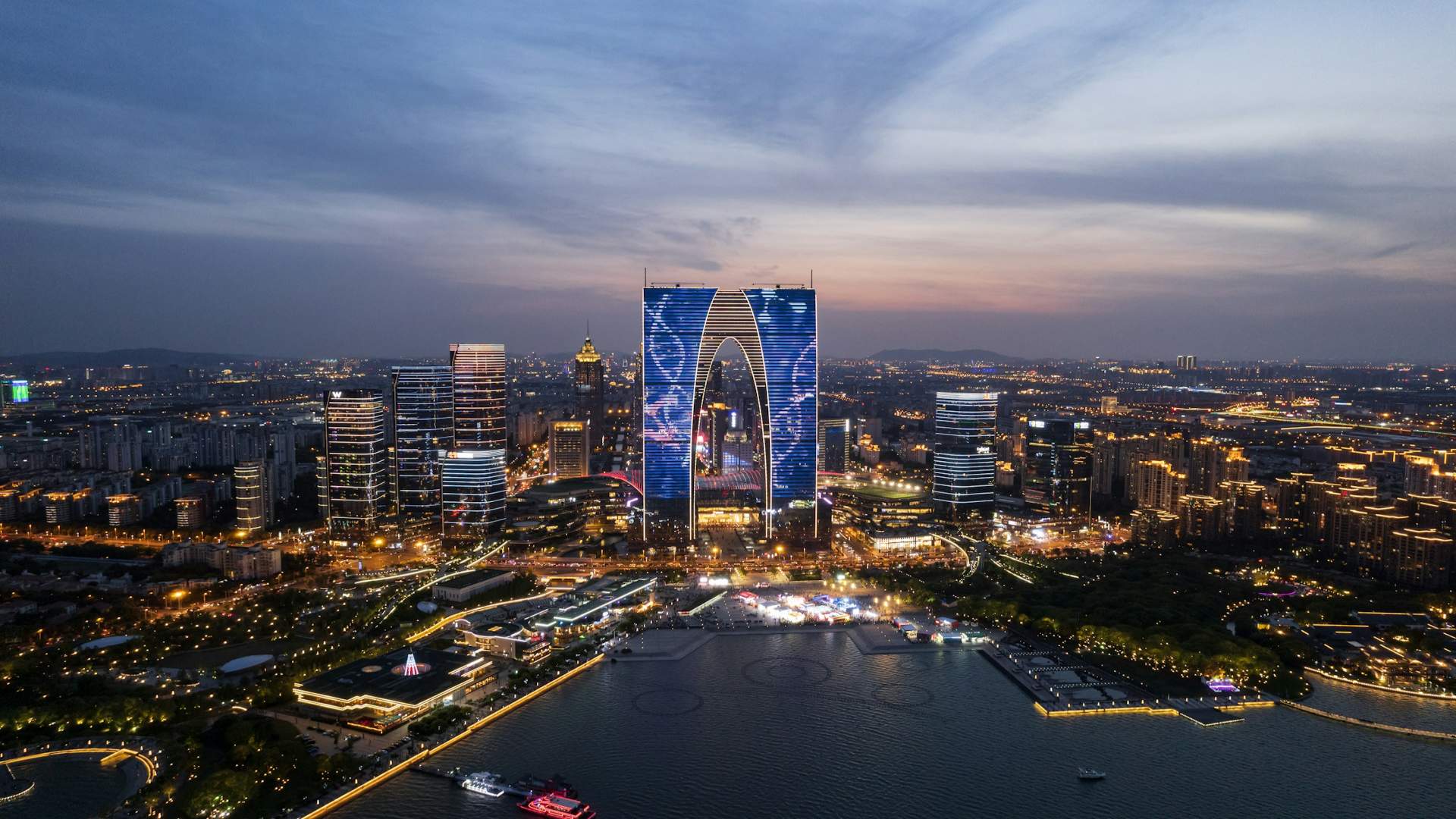
Suzhou – Venice of the East
Suzhou, in Jiangsu Province just 100km from Shanghai, is a poetic city of classical gardens, silk heritage, and 2,500-year-old canals. Known as the “Venice of the East,” it boasts nine UNESCO-listed Ming-Qing gardens, including the Humble Administrator’s Garden—China’s largest. With white-washed walls, stone bridges, and willow-lined waterways, Suzhou blends scholarly refinement with modern charm. Pingjiang Road’s lantern-lit alleys, Tiger Hill’s leaning pagoda, and silk embroidery museums showcase Wu culture. From gondola rides at dusk to savoring sweet osmanthus cake, Suzhou invites travelers to step into a living Chinese watercolor painting.
Top Activities and Experiences in Suzhou
Suzhou, where gardens bloom and canals whisper, offers serene beauty, scholarly culture, and silk elegance. Whether cruising Shantang Street, admiring Lingering Garden, or tasting biluochun tea, Suzhou is China’s classical soul.
Explore Humble Administrator’s Garden
Visit China’s largest classical garden (1522), a UNESCO site with pavilions, lotus ponds, and rockeries. Dawn entry beats crowds; spring lotus and autumn maple are stunning.
Cruise the Grand Canal at Night
Board a wooden boat from Shantang Street for lantern-lit views of stone bridges and white walls. Live kunqu opera performances add poetic charm.
Stroll Pingjiang Historic Road
Wander this 800-year-old canal street with teahouses, silk shops, and stone bridges. Try sugar porridge and watch paper-cutting artisans at dusk.
Climb Tiger Hill (Huqiu)
Visit this 1,000-year-old hill with the leaning Yunyan Pagoda (961 CE). Sword Pool legend, bonsai gardens, and sunset views reward the climb.
Admire Lingering Garden
Explore this UNESCO Ming garden (1593) with cloud-capped peaks, 700-year-old ginkgo, and crown-like rockery. Smaller but more artistic than Humble Administrator’s.
Shop for Silk at No.1 Silk Factory
See silk worms to duvet production. Buy embroidered handkerchiefs or scarves—Suzhou silk is world-famous since the Song Dynasty.
Visit Suzhou Museum (I.M. Pei)
Explore this modern masterpiece by I.M. Pei (2006) with white walls and geometric ponds. Free entry; Ming-Qing artifacts and garden views.
Walk Shantang Street
Stroll this 3.8km Tang-era street with red lanterns, opera stages, and boat docks. Try osmanthus cake and candied hawthorn at night.
Day Trip to Zhouzhuang Water Town
Drive 1 hour to this 900-year-old “Venice” with 14 stone bridges and Ming-Qing houses. Gondola ride and lantern festival are magical.
Attend Kunqu Opera
Watch UNESCO-listed “mother of Chinese opera” with falsetto singing and water-sleeve dance at Pingjiang teahouses or Garden of Cultivation.
Visit Master of Nets Garden at Night
See this tiny UNESCO garden (1140) illuminated with guqin music and shadow play. Night tours (Mar–Nov) offer a dreamlike experience.
Sip Biluochun Tea
Taste this fragrant green tea from Dongting Mountain at traditional teahouses. Spring harvest is prized; pair with pine nuts.
Explore Panmen Scenic Area
See China’s only land-water gate (Yuan Dynasty) with Ruiguang Pagoda and Wumen Bridge. Walk the ancient city wall at sunset.
Shop at Guanqian Street
Browse this pedestrian street for silk, embroidery, and candied fruits. Night food stalls serve Suzhou noodles and squirrel-shaped mandarin fish.
Relax in Tongli Water Town
Day trip to this canal town with Tuisi Garden and sex museum. Three bridges walk brings good luck; quieter than Zhouzhuang.
Ready to Explore More?
Discover the best places to visit in Jiangsu and craft your poetic itinerary. Click here to uncover top destinations in China’s Garden Province!
Frequently Asked Questions (FAQs) About Suzhou
What are the top things to do in Suzhou?
Visit Humble Administrator’s Garden, cruise canals at night, stroll Pingjiang Road, climb Tiger Hill, and shop silk.
What are the must-visit places in Suzhou?
Humble Administrator’s Garden, Tiger Hill, Pingjiang Road, Lingering Garden, and Suzhou Museum are top attractions.
When is the best time to visit Suzhou?
Spring (March–May) for blossoms; autumn (September–November) for maple leaves. Avoid summer heat and winter chill.
What are the best things to see in Suzhou?
Classical gardens, stone bridges, silk looms, kunqu opera, and lantern-lit canals define Suzhou’s charm.
Which are the best places to visit near Suzhou for a short trip?
Zhouzhuang, Tongli, or Luzhi water towns are perfect day escapes from the city.
Do you have a comprehensive Suzhou tour guide?
Yes! Our guide covers gardens, canals, silk, and tips for a poetic Jiangnan journey.
What are the top tourist attractions in Suzhou?
Key spots include Humble Administrator’s, Tiger Hill, Master of Nets, Shantang Street, and Panmen Gate.
What are the best places to visit in Suzhou with family?
Family-friendly: canal cruises, Suzhou Amusement Land, Tiger Hill, and silk factory tours.
Where can I find a Suzhou tour guide for my trip?
Hire via China Highlights or local agencies for garden walks, canal cruises, and water town trips.
What are the top festivals in Suzhou?
Silk Tourism Festival (Apr), Canal Lantern Festival, and Mid-Autumn in water towns feature culture and lights.
Where to stay in Suzhou?
Luxury: Pan Pacific Suzhou; mid-range: Garden Hotel; budget: hostels near Pingjiang Road.
Is Suzhou safe?
Very safe; watch bags in crowded Pingjiang, use licensed boats, secure valuables.
What are some essential Suzhou travel advice tips?
Buy garden combo ticket, book night garden tours early, use Didi, wear comfy shoes for cobblestones.
What are the best places to eat in Suzhou?
Try squirrel-shaped mandarin fish, biluochun shrimp, and osmanthus cake at Songhelou or Deyue Lou.
Is Suzhou safe for women travelers?
Yes; stick to main streets at night, join group canal rides, dress modestly in gardens.
What are some must-try experiences in Suzhou?
Canal cruise at dusk, Master of Nets at night, silk shopping, kunqu opera, Tiger Hill sunset.
How can I book a Suzhou tour or vacation package?
Book via GetYourGuide or agencies for multi-garden passes, water town tours, and silk workshops.
What are some offbeat things to do in Suzhou?
Visit Mountain Villa with Embraces, cycle ancient city wall, attend embroidery class, explore Luzhi at dawn.
What should I pack for my Suzhou vacation?
Light layers, umbrella, comfy shoes, camera, reusable fan for garden walks.
Is there a Suzhou cherry blossom festival?
Spring brings plum and peach blossoms to gardens; Tiger Hill hosts official festival in March.
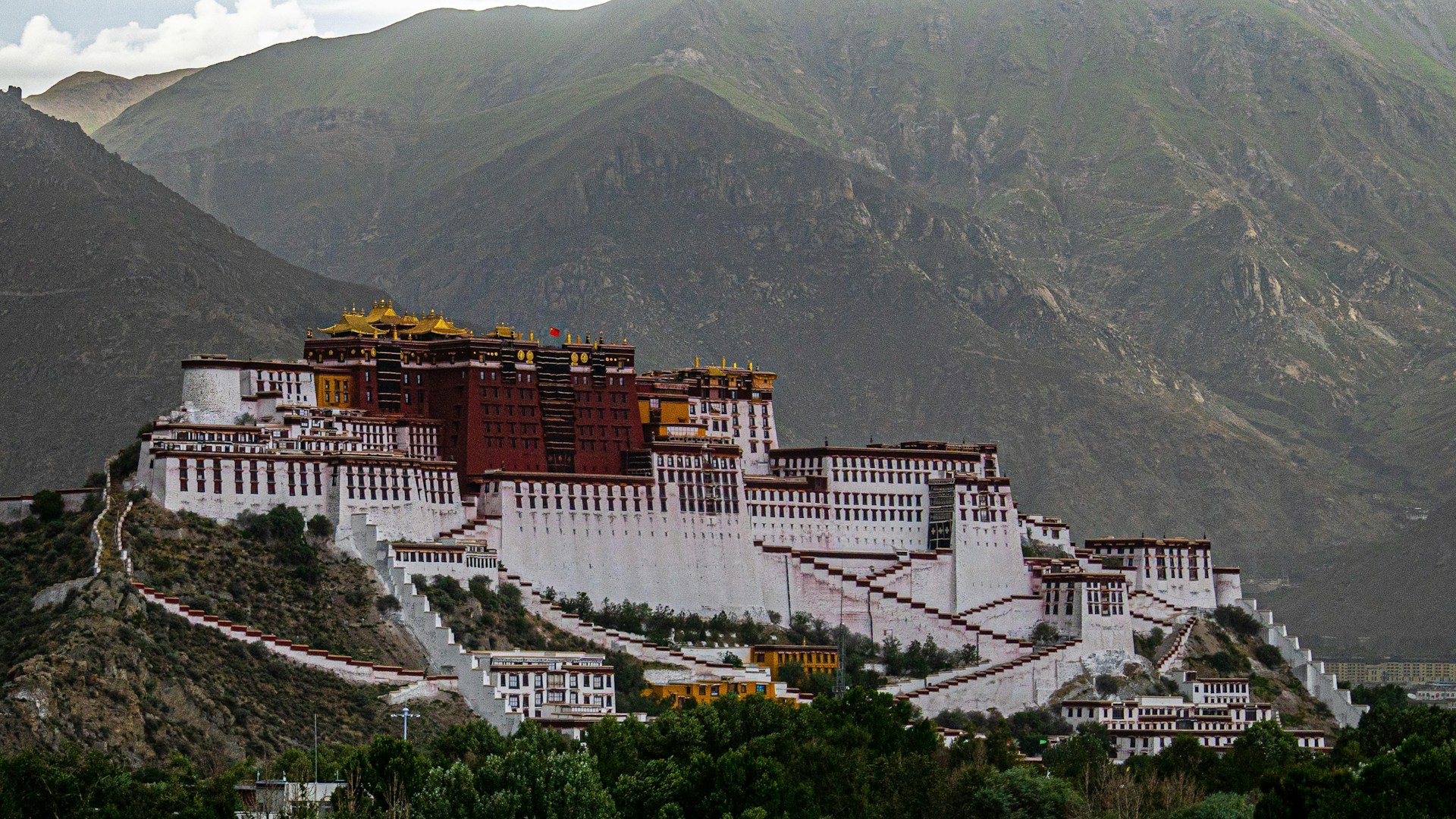
Lhasa – Roof of the World’s Spiritual Heart
Lhasa, the sacred capital of Tibet at 3,650m above sea level, is a mystical blend of ancient monasteries, prayer wheels, and Himalayan skies. Home to 900,000 people, it has been the spiritual and political center of Tibetan Buddhism since the 7th century. The UNESCO-listed Potala Palace towers over the city, while Jokhang Temple and Barkhor Street pulse with pilgrims and butter lamps. Lhasa’s high-altitude landscapes, turquoise lakes like Namtso, and vibrant Tibetan culture offer a profound journey. From prostrating devotees to yak butter tea in teahouses, Lhasa invites travelers to experience the soul of the Tibetan Plateau in a serene, otherworldly embrace.
Top Activities and Experiences in Lhasa
Lhasa, where prayer flags dance against Himalayan peaks, offers a profound mix of spiritual immersion, cultural discovery, and high-altitude adventures. Whether you're circling Jokhang, debating monks at Sera, or gazing at Namtso, Lhasa delivers Tibet’s sacred essence.
Explore Potala Palace
Visit this UNESCO icon, winter palace of Dalai Lamas since 1649. Climb 13 stories for golden tombs, murals, and panoramic Lhasa views—book tickets 1 day ahead.
Circumambulate Jokhang Temple & Barkhor Street
Join pilgrims on the 1km kora around Tibet’s holiest temple, founded 647 CE. Shop for prayer wheels, turquoise, and yak butter in bustling Barkhor alleys.
Watch Monks Debate at Sera Monastery
See animated philosophical debates (3–5 PM, Mon–Sat) at this 1419 Gelug monastery. Clapping hands and dramatic gestures accompany Buddhist logic.
Day Trip to Namtso Lake
Drive 4 hours to this 4,700m turquoise sacred lake, one of Tibet’s three holy lakes. Walk the kora, spot yaks, and camp under star-filled skies.
Visit Drepung Monastery
Explore Tibet’s largest monastery (1416), once home to 10,000 monks. Wander courtyards, chapels, and kitchens for a glimpse of monastic life.
Sip Yak Butter Tea in a Teahouse
Relax in Ani Sangkhung Nunnery or Tromzikhang teahouses. Salty tea with tsampa (roasted barley) fuels pilgrims and locals alike.
Attend a Tibetan Sky Burial (Respectfully)
Observe this sacred ritual from afar (no photos). Learn about Tibetan Buddhist beliefs in reincarnation and offering the body to vultures.
Day Trip to Ganden Monastery
Drive 60km east to this 1409 Gelug site. Hike the high kora for Himalayan views and ruins rebuilt after 1959 destruction.
Shop for Tibetan Crafts
Buy thangka paintings, prayer flags, and silver jewelry in Barkhor or Dropenling. Support local artisans in Lhasa’s old town.
Visit Norbulingka Summer Palace
Stroll this UNESCO “Jewel Park,” Dalai Lamas’ summer retreat since 1755. Gardens, murals, and peacocks offer a serene escape.
Experience Tibetan Opera at Shoton Festival
Join August festivities with giant thangka unveilings, opera performances, and yogurt banquets at Norbulingka and monasteries.
Hike to Pabongka Monastery
Trek 8km from Sera to this 7th-century hermitage. Ancient rock carvings and panoramic views reward the moderate climb.
Visit Ramoche Temple
See this 7th-century temple with a precious Jowo Rinpoche statue smuggled from China. Smaller but spiritually potent.
Relax at Lhasa River Wetlands
Picnic or birdwatch along the Kyichu River. Spot black-necked cranes and enjoy Lhasa’s quieter, greener side.
Attend Losar (Tibetan New Year)
Celebrate February with monastery dances, family feasts, and prayer flag renewals across Lhasa’s sacred sites.
Ready to Explore More?
Discover the best places to visit in Tibet and craft your epic high-altitude itinerary. Click here to uncover sacred destinations across the Roof of the World!
Frequently Asked Questions (FAQs) About Lhasa
What are the top things to do in Lhasa?
Visit Potala Palace, kora Jokhang, watch Sera debates, day trip to Namtso, and sip yak butter tea.
What are the must-visit places in Lhasa?
Potala Palace, Jokhang Temple, Barkhor Street, Sera Monastery, and Norbulingka are top attractions.
When is the best time to visit Lhasa?
May–October for warm weather and festivals; avoid winter (Nov–Mar) cold. Shoton (Aug) is vibrant.
What are the best things to see in Lhasa?
Golden-roofed palaces, spinning prayer wheels, debating monks, turquoise lakes, and Himalayan vistas define Lhasa.
Which are the best places to visit near Lhasa for a short trip?
Namtso Lake, Ganden Monastery, Drak Yerpa caves, or Yamdrok Lake (with permit) are ideal.
Do you have a comprehensive Lhasa tour guide?
Yes! Our Lhasa guide covers permits, altitude, attractions, and tips for a sacred journey.
What are the top tourist attractions in Lhasa?
Key spots include Potala, Jokhang, Barkhor, Drepung, and Namtso Lake.
What are the best places to visit in Lhasa with family?
Family-friendly: Norbulingka gardens, Lhasa River, teahouses, and short monastery visits.
Where can I find a Lhasa tour guide for my trip?
Book via Tibet Vista or local agencies; private guides required for foreigners.
What are the top festivals in Lhasa?
Shoton (Aug), Losar (Feb), Saga Dawa (May/Jun) feature dances, thangkas, and prayers.
Where to stay in Lhasa?
Luxury: St. Regis Lhasa; mid-range: InterContinental; budget: Kyichu Hotel near Jokhang.
Is Lhasa safe?
Very safe; respect monastery rules, avoid political talk, secure valuables in Barkhor.
What are some essential Lhasa travel advice tips?
Get Tibet Travel Permit, acclimatize 2–3 days, drink water, use sunscreen, book tours early.
What are the best places to eat in Lhasa?
Try momos, thukpa, and butter tea at Tibetan Family Kitchen or Snowland Restaurant.
Is Lhasa safe for women travelers?
Yes; join guided tours, dress modestly at monasteries, avoid solo night walks.
What are some must-try experiences in Lhasa?
Kora Jokhang at dawn, Potala golden roofs, monk debates, Namtso stargazing, butter tea.
How can I book a Lhasa tour or vacation package?
Book via Tibet agencies (permits required); no independent travel for foreigners.
What are some offbeat things to do in Lhasa?
Visit Drak Yerpa caves, hike Pabongka, join a nomad homestay, learn Tibetan calligraphy.
What should I pack for my Lhasa vacation?
Warm layers, altitude meds, sun hat, reusable bottle, modest clothes for temples.
Is there a Lhasa cherry blossom festival?
Spring brings apricot blossoms to Norbulingka; no official festival, but stunning with prayer flags.
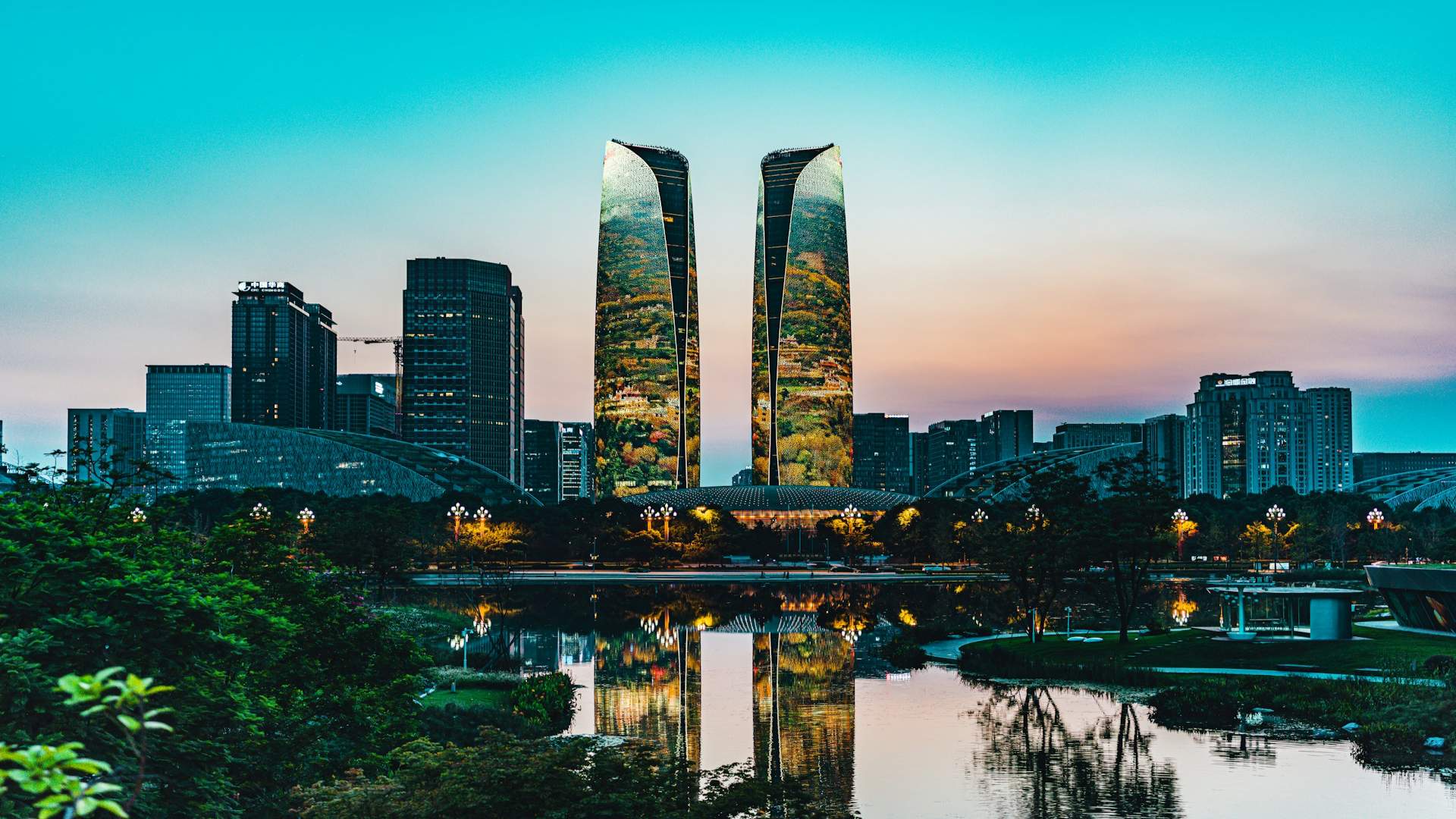
Chengdu – Home of Pandas and Spicy Flavors
Chengdu, the laid-back capital of Sichuan Province, is a vibrant blend of ancient heritage, modern innovation, and world-famous cuisine. With over 20 million residents, it’s the heart of southwestern China, known as the “Land of Abundance.” Home to the iconic Giant Panda Base, UNESCO-listed Jinli Street, and fiery Sichuan hotpot, Chengdu offers a slower pace than Beijing or Shanghai. Its teahouse culture thrives in People’s Park, while nearby Mount Qingcheng and the Leshan Giant Buddha showcase natural and spiritual wonders. From cuddling baby pandas to slurping dan dan noodles in a 300-year-old alley, Chengdu captivates with its warmth, spice, and charm. Whether sipping pu’er tea by the Jin River or hiking sacred peaks, a trip to Chengdu is a delicious dive into China’s panda-loving, pepper-powered soul.
Top Activities and Experiences in Chengdu
Chengdu, where fluffy pandas meet fiery hotpot, offers a delightful mix of wildlife encounters, cultural immersion, and culinary adventures. Whether you’re hugging a panda, strolling ancient streets, or tasting mapo tofu, Chengdu delivers an unforgettable Sichuan experience.
Visit Chengdu Research Base of Giant Panda Breeding
See over 200 pandas at this 230-hectare center, opened in 1987. Watch red pandas, visit the nursery, and join a volunteer program to feed and clean (book early).
Stroll Jinli Ancient Street
Wander this 550m Qing Dynasty-style street, rebuilt in 2004, for lanterns, teahouses, and street snacks like dragon’s beard candy and grilled rabbit heads.
Day Trip to Leshan Giant Buddha
Travel 160km south to see the 71m Tang-era Buddha, carved 713–803 CE into a cliff. Take a boat for the best view or hike down to its feet—a UNESCO site.
Savor Sichuan Hotpot
Dip beef, lotus root, and tripe in spicy broth at Haidilao or Huangcheng Laoma. Numb your tongue with Sichuan pepper and cool off with sweet soy milk.
Explore People’s Park & Heming Teahouse
Relax in this 12-hectare green oasis, opened in 1911. Sip tea, watch locals play mahjong, and try ear cleaning at one of Chengdu’s oldest teahouses.
Visit Wenshu Monastery
Explore this 1,700-year-old Buddhist temple, rebuilt in 1691, with 190 bronze Buddhas and a vegetarian restaurant. Peaceful gardens and incense fill the air.
Hike Mount Qingcheng
Day trip 65km northwest to this Taoist sacred mountain, a UNESCO site. Climb stone paths to ancient temples like Jianfu Palace amid misty forests.
Watch a Sichuan Opera Face-Changing Show
See this dazzling art at Shufeng Yayun Teahouse, where performers change masks in a blink. Includes fire-spitting and shadow play—book dinner shows.
Shop at Chunxi Road
Browse this pedestrian street in Jinjiang District for luxury brands, local fashion, and bubble tea. Neon lights and street performers energize the evening.
Visit Du Fu Thatched Cottage
Explore this 24-hectare park, home to the Tang poet Du Fu (759 CE). Stroll bamboo groves, lotus ponds, and a museum of his 240 surviving poems.
Day Trip to Dujiangyan Irrigation System
Visit this 2,200-year-old UNESCO engineering marvel, 60km north. Walk suspension bridges and see how it still controls the Min River without a dam.
Explore Kuanzhai Alley
Wander this restored Qing-era neighborhood with three parallel lanes. Cafés, bars, and handicraft shops blend history with hipster vibes.
Attend the Chengdu Panda Lantern Festival
Join this January–February event at the Panda Base, with thousands of illuminated panda lanterns, dragon dances, and winter night vibes.
Try Spicy Street Snacks
Sample dan dan noodles, guokui (stuffed flatbread), and rabbit heads at Jinli or local night markets. Wash down with iced mung bean soup.
Visit the Jinsha Site Museum
Discover this 3,000-year-old Shu Kingdom site, unearthed in 2001. See the golden sunbird artifact and ivory relics in a modern, free-entry museum.
Ready to Explore More?
Discover the best places to visit in China and craft your epic itinerary. Click here to uncover top destinations across the Middle Kingdom!
Frequently Asked Questions (FAQs) About Chengdu
What are the top things to do in Chengdu?
Visit the Giant Panda Base, stroll Jinli Street, day trip to Leshan Buddha, savor hotpot, and watch a face-changing show.
What are the must-visit places in Chengdu?
Giant Panda Base, Jinli Street, Leshan Giant Buddha, People’s Park, and Wenshu Monastery are top attractions.
When is the best time to visit Chengdu?
Spring (March-May) and autumn (September-November) offer mild weather. Summer is hot and rainy; winter is cool with fewer crowds.
What are the best things to see in Chengdu?
Fluffy pandas, ancient streets, giant Buddhas, Taoist mountains, and steaming hotpot define Chengdu’s must-see wonders.
Which are the best places to visit near Chengdu for a short trip?
Leshan Giant Buddha, Mount Qingcheng, Dujiangyan, Mount Emei, or Jiuzhaigou (longer trip) are great day or overnight escapes.
Do you have a comprehensive Chengdu tour guide?
Yes! Our Chengdu tour guide covers attractions, dining, transport, and tips for a seamless panda adventure.
What are the top tourist attractions in Chengdu?
Key spots include Panda Base, Jinli Street, Leshan Buddha, Kuanzhai Alley, and Du Fu Thatched Cottage.
What are the best places to visit in Chengdu with family?
Family-friendly spots include Panda Base, People’s Park, Jinli Street, Dujiangyan, and Sichuan Opera shows.
Where can I find a Chengdu tour guide for my trip?
Hire local guides via platforms like Viator or agencies like China Highlights for panda visits, hotpot tours, or Leshan trips.
What are the top festivals in Chengdu?
Chengdu Panda Lantern Festival (Jan-Feb), Sichuan Opera performances, and International Hotpot Festival showcase culture and spice.
Where to stay in Chengdu?
Choose luxury at The Temple House, mid-range at Niccolo Chengdu, or budget hostels like Holly’s Hostel near Chunxi Road.
Is Chengdu safe?
Chengdu is safe with low crime; use licensed taxis, avoid unofficial guides, and secure valuables in crowded Jinli Street.
What are some essential Chengdu travel advice tips?
Book panda tickets early, use a VPN, carry tissues (public toilets), download translation apps, and prepare for spicy food!
What are the best places to eat in Chengdu?
Try hotpot at Haidilao, dan dan noodles at Dan Dan Tian Shui Mian, or rabbit heads at street stalls for authentic spice.
Is Chengdu safe for women travelers?
Yes, Chengdu is safe for solo women; stick to well-lit areas, use official transport, and join group tours for mountain hikes.
What are some must-try experiences on a trip to Chengdu?
See baby pandas, eat hotpot, watch face-changing opera, stroll Jinli at night, and sip tea in People’s Park.
How can I book a Chengdu tour or vacation package?
Book via GetYourGuide or local agencies, including panda volunteering, Leshan tours, and Sichuan cooking classes.
What are some offbeat things to do in Chengdu?
Volunteer at Bifengxia Panda Base, visit the ancient Sanxingdui Museum, or hike the back trails of Mount Qingcheng at dawn.
What should I pack for my Chengdu vacation?
Pack comfortable shoes, tissues, stomach meds (for spice), light layers, and a reusable water bottle for city and mountain adventures.
Is there a Chengdu cherry blossom festival?
Chengdu celebrates cherry blossoms in spring (March) at Chengdu University and Longquan Peach Blossom Grove; no official festival, but stunning pink blooms.
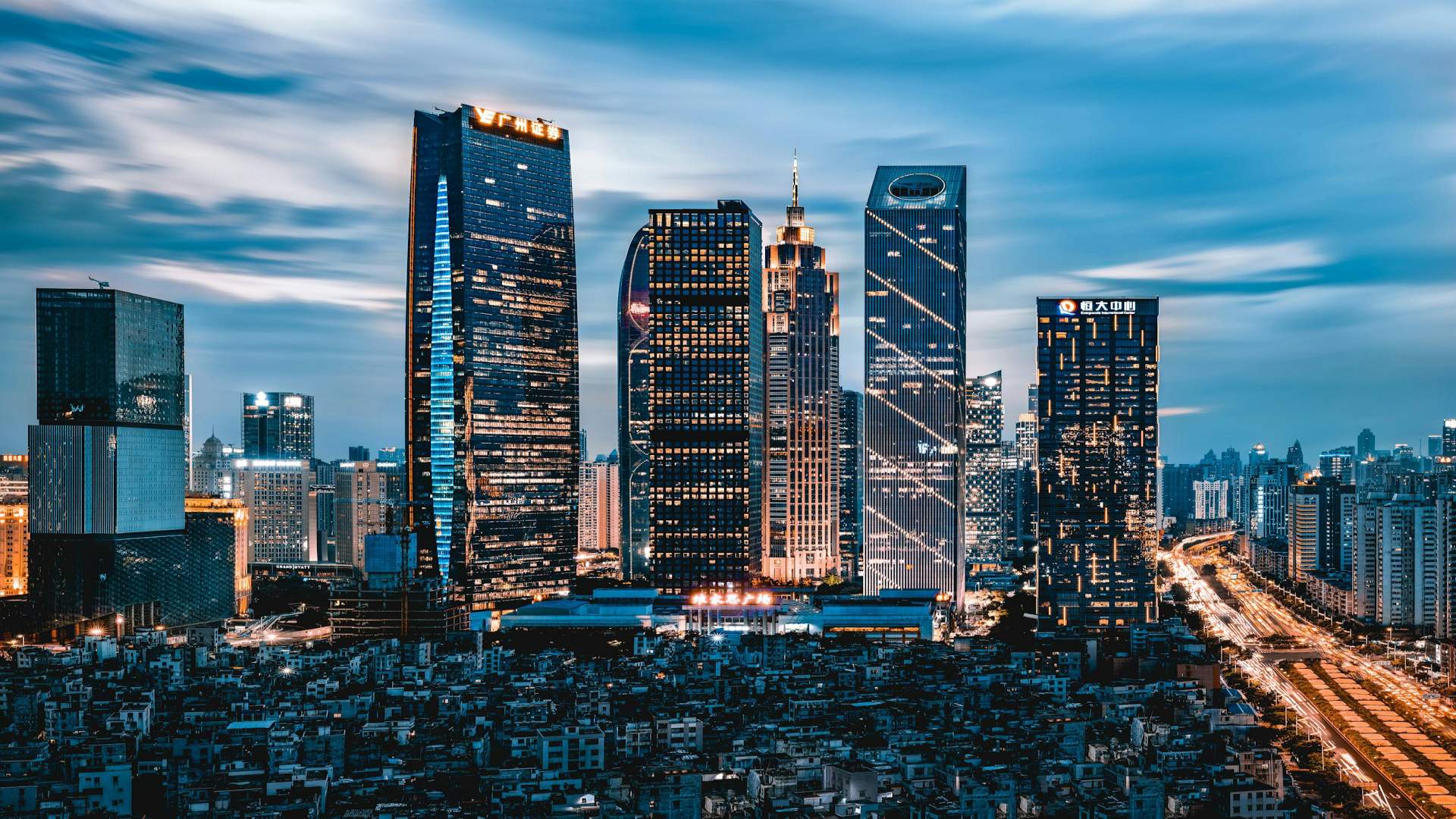
Guangzhou – China's Southern Gateway
Guangzhou, the vibrant capital of Guangdong Province, is a dynamic metropolis where ancient Cantonese heritage meets cutting-edge innovation. With over 15 million residents, it's China's third-largest city and the heart of the Pearl River Delta. Known as Canton historically, Guangzhou boasts the iconic Canton Tower, UNESCO-listed Cantonese opera, and world-famous dim sum. Its colonial-era Shamian Island, bustling Beijing Road, and lush Yuexiu Park offer diverse experiences. From morning tai chi in parks to late-night yum cha, Guangzhou pulses with energy, commerce, and culinary excellence. Whether savoring steamed shrimp dumplings or exploring Lingnan architecture, Guangzhou delivers an authentic taste of southern China's soul.
Top Activities and Experiences in Guangzhou
Guangzhou, where skyscrapers tower over ancient temples, offers a thrilling mix of urban adventures, cultural immersion, and culinary delights. Whether you're ascending Canton Tower, tasting dim sum, or strolling colonial streets, Guangzhou delivers an unforgettable southern China experience.
Ascend Canton Tower
Ride to the 488m observation deck of this 600m twisted spire, opened in 2010. Experience the bubble tram, sky drop, or night views of the illuminated Pearl River.
Savor Morning Dim Sum (Yum Cha)
Enjoy steamed shrimp dumplings, char siu bao, and phoenix claws at historic teahouses like Guangzhou Restaurant or Tao Tao Ju—Cantonese breakfast tradition since the 19th century.
Explore Shamian Island
Wander this colonial enclave with European architecture, tree-lined streets, and cafes. Former British-French concession (1859–1943) now a peaceful oasis.
Visit Chen Clan Ancestral Hall
Marvel at this 1894 Lingnan masterpiece with intricate carvings, ceramics, and folk art. Now the Guangdong Folk Arts Museum—UNESCO Intangible Heritage site.
Stroll Yuexiu Park & Zhenhai Tower
Relax in Guangzhou’s largest park with the Five Rams Statue and climb the 5-story Zhenhai Tower (1380) for city views and history museum.
Shop on Beijing Road Pedestrian Street
Browse this 1.2km shopping strip with luxury brands, local snacks, and underground Ming-era ruins. Night markets and street performers energize the evening.
Cruise the Pearl River at Night
Board a 1-hour boat from Tianzi Wharf to see Guangzhou’s skyline sparkle. Canton Tower light show and historic bridges create magical reflections.
Visit Guangzhou Opera House
Admire Zaha Hadid’s futuristic “twin pebbles” design (2010). Catch a Cantonese opera or symphony in this architectural icon by the river.
Explore Sacred Heart Cathedral
Visit this 1888 Gothic cathedral, China’s largest stone church. Stained glass and twin spires stand amid modern skyscrapers—a colonial relic.
Day Trip to Kaiping Diaolou
Travel 2 hours to UNESCO-listed watchtowers built by overseas Chinese (1920s). Zili Village features fusion architecture blending East and West.
Attend Canton Fair (Spring/Autumn)
Join the world’s largest trade fair (since 1957) at Pazhou Complex. Phase 1 (April/October) showcases electronics and machinery.
Visit Sun Yat-sen Memorial Hall
Explore this 1931 octagonal hall honoring the father of modern China. Blue-tiled roof and gardens host cultural performances.
Shop at Shangxiajiu Pedestrian Street
Walk this 1.2km Qing-era arcade with over 200 shops. Try local snacks like ginger milk pudding and double-skin milk.
Experience Cantonese Opera
Watch UNESCO-listed performances with elaborate costumes and falsetto singing at cultural centers or during festivals.
Relax at Baiyun Mountain
Hike or cable car to this 427m peak for panoramic views, temples, and fresh air. Popular for sunrise watching and bird singing valleys.
Ready to Explore More?
Discover the best places to visit in Southern China and craft your epic itinerary. Click here to uncover top destinations across the Pearl River Delta!
Frequently Asked Questions (FAQs) About Guangzhou
What are the top things to do in Guangzhou?
Ascend Canton Tower, yum cha dim sum, explore Shamian Island, visit Chen Clan Hall, and cruise Pearl River at night.
What are the must-visit places in Guangzhou?
Canton Tower, Chen Clan Ancestral Hall, Shamian Island, Yuexiu Park, and Beijing Road are top attractions.
When is the best time to visit Guangzhou?
Autumn (October-December) and spring (March-May) offer pleasant weather. Avoid summer heat and typhoons (June-September).
What are the best things to see in Guangzhou?
Twisted skyscrapers, colonial architecture, Lingnan carvings, dim sum steamers, and river night views define Guangzhou.
Which are the best places to visit near Guangzhou for a short trip?
Kaiping Diaolou, Foshan Ancestral Temple, or Shenzhen for shopping are great day or overnight trips.
Do you have a comprehensive Guangzhou tour guide?
Yes! Our Guangzhou guide covers attractions, dining, transport, and tips for a seamless southern adventure.
What are the top tourist attractions in Guangzhou?
Key spots include Canton Tower, Shamian Island, Chen Clan Hall, Sacred Heart Cathedral, and Baiyun Mountain.
What are the best places to visit in Guangzhou with family?
Family-friendly: Chimelong Paradise, Guangzhou Zoo, Yuexiu Park, Canton Tower bubble tram, and river cruises.
Where can I find a Guangzhou tour guide for my trip?
Hire via platforms like Viator or agencies like China Highlights for tower visits, food tours, or Kaiping trips.
What are the top festivals in Guangzhou?
Canton Fair (Apr/Oct), Dragon Boat Festival (June), and Mid-Autumn Mooncake fairs showcase commerce and tradition.
Where to stay in Guangzhou?
Luxury: The Garden Hotel; mid-range: China Hotel; budget: hostels near Beijing Road or Shamian.
Is Guangzhou safe?
Very safe with low crime; use licensed taxis, avoid unofficial guides, secure valuables in crowded markets.
What are some essential Guangzhou travel advice tips?
Get an Octopus-style Lingnan Pass, download Pleco translator, carry HKD for small shops, use WeChat Pay.
What are the best places to eat in Guangzhou?
Try dim sum at Guangzhou Restaurant, roast goose at Yung Kee, or ginger milk at street stalls for authentic flavors.
Is Guangzhou safe for women travelers?
Yes, Guangzhou is safe for solo women; stick to well-lit areas, use official transport, join group tours.
What are some must-try experiences on a trip to Guangzhou?
Ascend Canton Tower at sunset, yum cha breakfast, Shamian stroll, Chen Clan carvings, Pearl River cruise.
How can I book a Guangzhou tour or vacation package?
Book via GetYourGuide or local agencies, including tower visits, food tours, and Kaiping day trips.
What are some offbeat things to do in Guangzhou?
Explore Lychee Bay, visit Nanyue King Tomb, cycle Huacheng Square, or attend a Cantonese opera rehearsal.
What should I pack for my Guangzhou vacation?
Pack light layers, umbrella, comfortable shoes, power bank, and reusable chopsticks for city adventures.
Is there a Guangzhou cherry blossom festival?
Spring brings cherry blossoms to Baiyun Mountain and parks; no official festival, but beautiful pink blooms.