

BrazilPlaces to Visit
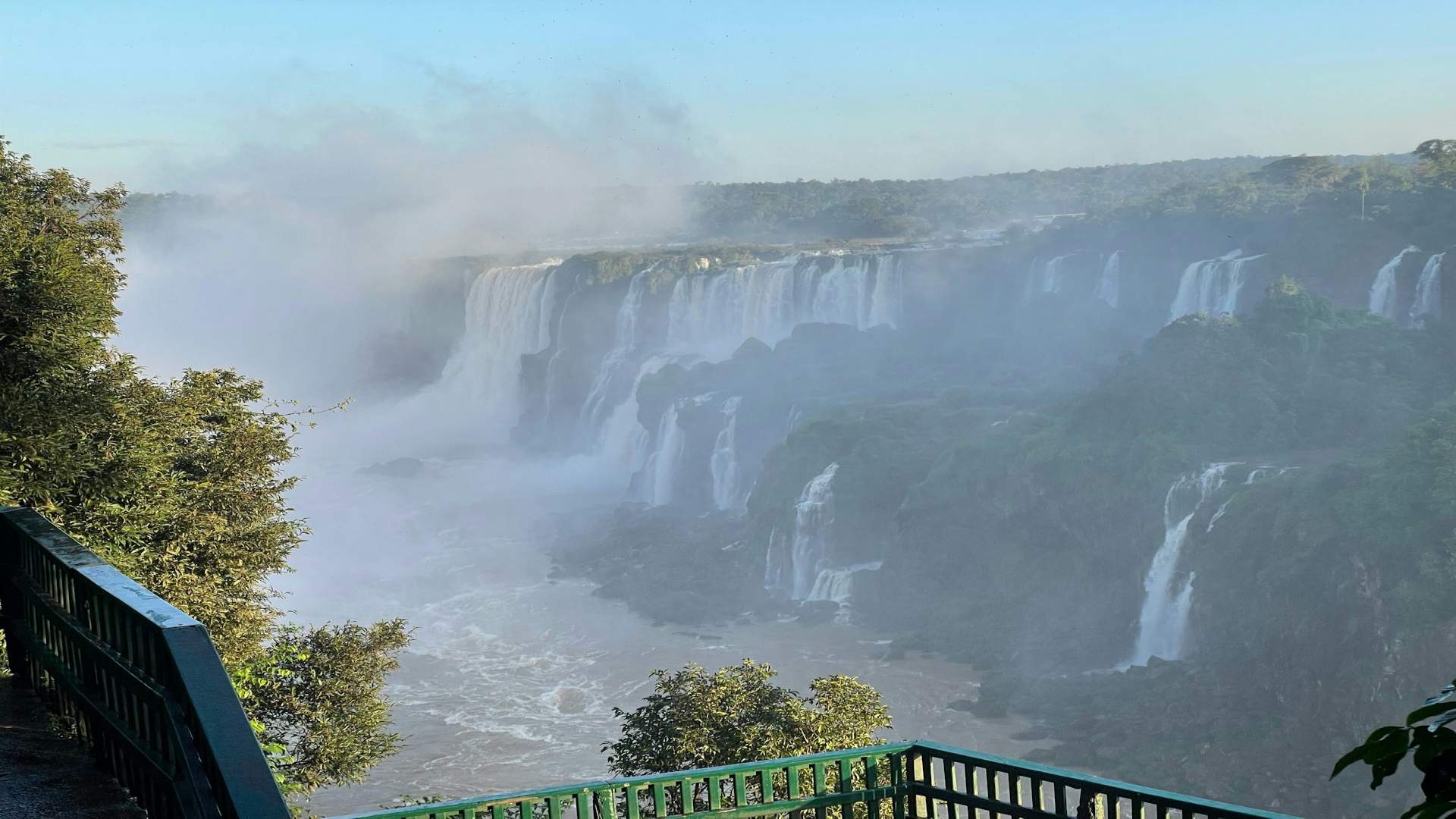
Foz do Iguaçu – Where the Earth Tears Open and the Sky Pours Through
Imagine standing on a metal walkway while 275 separate waterfalls—some taller than Niagara, some wider than Victoria—roar down a horseshoe-shaped canyon in a single, apocalyptic curtain of white water. The sound is not a sound; it is a physical force that vibrates in your teeth and chest. Mist rises hundreds of metres into the air, catching sunlight and birthing permanent rainbows that hang like liquid diamonds. Coatis with bandit masks and ringed tails trot past your feet hoping you drop your sandwich. Butterflies the size of dinner plates drift through the spray. And at the centre of it all, the Garganta del Diablo—the Devil’s Throat—swallows fourteen million litres of water every second with a growl that feels like the planet clearing its throat. This is Iguazu, one of the Seven Natural Wonders of the World, split between Brazil and Argentina in a steamy, electric embrace of subtropical jungle where the air smells of wet earth, orchids, and pure, primal power.
Top Activities and Experiences in Foz do Iguaçu
These are the moments that will leave you soaked, trembling, and laughing like a child who just discovered the world is far bigger and wilder than you ever imagined.
Stand Inside the Devil’s Throat – Argentine Side
A little ecological train rattles through jungle so thick the sunlight comes in shards. Then you step onto a 1,100-metre catwalk that floats above the river until it ends directly over the abyss. The roar becomes a scream. The mist becomes a monsoon. A perfect double rainbow arcs through the spray, so close you could almost touch it. You cannot hear your own thoughts. You can only feel your heart trying to escape your chest.
Brazilian Side Panoramas & Sunrise Helicopter Flight
The Brazilian walkways hug the canyon rim, giving you the iconic postcard view of the entire 2.7 km curtain glowing gold at dawn. Then climb into a helicopter and fly straight through the mist—waterfalls exploding on every side, rainbows forming and dissolving beneath the skids, the Devil’s Throat yawning open like the mouth of creation itself.
Macuco Safari – Get Drenched Under the Falls
Board an open zodiac and rocket up the lower Iguazu River. First the gentle waterfalls kiss you. Then the captain floors it straight into San Martín and Tres Mosqueteros. Water slams down like a liquid freight train. You emerge gasping, laughing, hair plastered, clothes heavy, every pore open to the universe.
Parque das Aves – Toucans Landing on Your Head
Walk inside enormous aviaries where scarlet macaws swoop inches from your face, hyacinth macaws the colour of twilight stare with ancient eyes, and a flamingo lagoon turns bubble-gum pink at sunset. The harpy eagle enclosure alone is worth the ticket—those talons could crush coconuts.
Itaipu Dam at Night – Light & Sound Show
The second-largest hydroelectric dam on earth, a concrete cathedral longer than the English Channel is wide. At night the spillways open and the illuminated water looks like molten mercury pouring into the darkness while a symphony plays.
Full Moon Walk – Moonbows Over the Devil’s Throat
Five nights a month, only on the Argentine side: the falls glow ghostly silver under the moon, and the mist creates actual moonbows—pale, ethereal arcs of light that feel like stepping into a myth.
Gran Aventura – Jungle Truck + Zodiac Assault
Argentine side: bounce through the jungle in an open truck, then board a zodiac that powers straight into the base of the falls. You will be more soaked than if you jumped in a swimming pool fully clothed.
Sunset at Marco das Três Fronteiras
Stand on Brazilian soil and watch the sun melt behind Paraguay and Argentina while the Iguazu and Paraná rivers merge in liquid gold. Live Guarani dances, cold Itaipava beer, and the sky turning every shade of fire.
Sendero Macuco Trail & Secret Waterfall Swim
7 km round-trip through silent jungle—howler monkeys roaring overhead, capuchins shaking branches, butterflies exploding from the path—ending at Arrechea, a hidden waterfall where you can swim alone with the jungle.
Belmond Hotel das Cataratas – Dinner with the Falls Roaring
The only hotel inside the Brazilian park: sip a passion-fruit caipirinha on the terrace while toucans fly past at eye level and the falls thunder just metres away like the heartbeat of the planet.
Rafting the Lower Iguazu at Golden Hour
Paddle calm sections surrounded by waterfalls on both sides, the sun turning the mist into gold dust and great dusky swifts diving through the cascades like black arrows.
Guarani Village Visit – Taste Chipa Fresh from Clay Oven
Meet the original inhabitants, hear stories in the Mbyá-Guarani language, and eat chipa bread still smoking from the tatakua while children laugh and the jungle hums around you.
Ready to Have Your Soul Drenched?
Bring a change of clothes, an empty memory card, and a heart ready to be cracked open by beauty. Read more to plan your pilgrimage to the greatest waterfall spectacle on Earth!
Frequently Asked Questions (FAQs) About Foz do Iguaçu
What are the top things to do in Foz do Iguaçu?
The absolute must-do experiences are the Argentine Devil’s Throat at sunrise, the Brazilian panoramic viewpoint at golden hour, the Macuco Safari boat ride that leaves you completely soaked, Parque das Aves with toucans flying around you, and a sunset helicopter flight through the mist.
What are the must-visit places in Foz do Iguaçu?
The Brazilian and Argentine sides of Iguazu Falls, Parque das Aves, Itaipu Dam, and Marco das Três Fronteiras are the unmissable icons that define this destination.
When is the best time to visit Foz do Iguaçu?
The ideal windows are April–May and September–October when water volume is high, the jungle is emerald green, temperatures are pleasant (22–28 °C), and crowds are manageable—perfect conditions for rainbows and dramatic photos.
What are the best things to see in Foz do Iguaçu?
The permanent double rainbows at the Devil’s Throat, the panoramic curtain of 275 waterfalls from the Brazilian side, thousands of great dusky swifts diving through the cascades at sunset, and the endless turquoise mist rising like smoke from another world.
Which are the best day trips from Foz do Iguaçu?
The Argentine side of the falls is the main “day trip,” but you can also visit Ciudad del Este in Paraguay for shopping, the Buddhist Temple in Foz, or the hidden gem of Salto Monday in Paraguay for a quieter waterfall experience.
Do you have a comprehensive Foz do Iguaçu guide?
Yes—this guide covers every thunderous viewpoint, hidden trail, boat ride, and practical tip you need to experience one of the planet’s greatest natural spectacles without missing a single rainbow.
What are the top attractions in Foz do Iguaçu?
Iguazu Falls (both sides), Parque das Aves, Itaipu Dam, Marco das Três Fronteiras, and the legendary Macuco Safari boat ride under the waterfalls.
What are the best family activities in Foz do Iguaçu?
Parque das Aves (kids go wild with the birds), the ecological train and gentle walkways on the Argentine side, the Itaipu panoramic tour, and the Triple Frontier with its playground and cultural shows.
Where can I find a Foz do Iguaçu tour guide?
Reputable operators like Iguassu Falls Tour, Loumar Turismo, or the official park guides offer everything from private transfers to full-day combos including both sides of the falls, boat rides, and helicopter flights.
What are the top festivals in Foz do Iguaçu?
The Festival de Turismo das Cataratas in June, the full-moon walks (five nights a month), and the Christmas light show at Itaipu Dam are the most magical events.
Where to stay in Foz do Iguaçu?
Luxury: Belmond Hotel das Cataratas (inside the Brazilian park); boutique: Sanma Hotel or Wish Foz; budget: Tetris Container Hostel or Che Lagarto with great pools and vibe.
Is Foz do Iguaçu safe?
It is one of the safest destinations in Brazil and Argentina. Tourist areas are heavily patrolled, and the biggest danger is coatís stealing your lunch—violent crime against visitors is extremely rare.
What are some essential tips for Foz do Iguaçu?
Book Belmond or arrive very early to beat crowds, bring waterproof everything, do both sides of the falls, carry dollars or reais (ATMs are plentiful), and never turn your back on a coati with food.
What are the best places to eat in Foz do Iguaçu?
Belmond’s Ipê Grill with falls view, El Quincho del Tío Querido (Argentine parrilla), Porto Canoas restaurant at the Brazilian park entrance, and Bufalo Branco for the best churrasco in town.
Is Foz do Iguaçu safe for women travelers?
Yes—very safe and welcoming. Tourist areas are well-lit and busy, and solo female travellers report feeling comfortable even walking alone during the day.
What are some must-try experiences in Foz do Iguaçu?
Standing inside the Devil’s Throat, flying through the falls by helicopter, getting drenched on Macuco Safari, seeing a moonbow on the full-moon walk, and sunset at the Triple Frontier with a cold beer.
How can I book a tour in Foz do Iguaçu?
Through GetYourGuide or Viator for helicopter flights, Macuco Safari, full-day combos of both sides, or directly at the park entrances—private transfers make everything seamless.
What are some offbeat things to do in Foz do Iguaçu?
Hike the secluded Sendero Macuco trail to a secret waterfall swim, visit the Muslim mosque with its golden dome, explore the Buddhist Temple’s peaceful gardens, or cross to Paraguay just to say you stood in three countries in one day.
What should I pack for Foz do Iguaçu?
Quick-dry clothes, waterproof phone case, strong insect repellent, flip-flops, poncho, sunscreen, hat, reusable bottle, and a sense of wonder.
Is there a cherry blossom festival in Foz do Iguaçu?
No, but from August to September the lapacho trees explode in pink and yellow blossoms all over the region, turning the jungle into a fairytale.
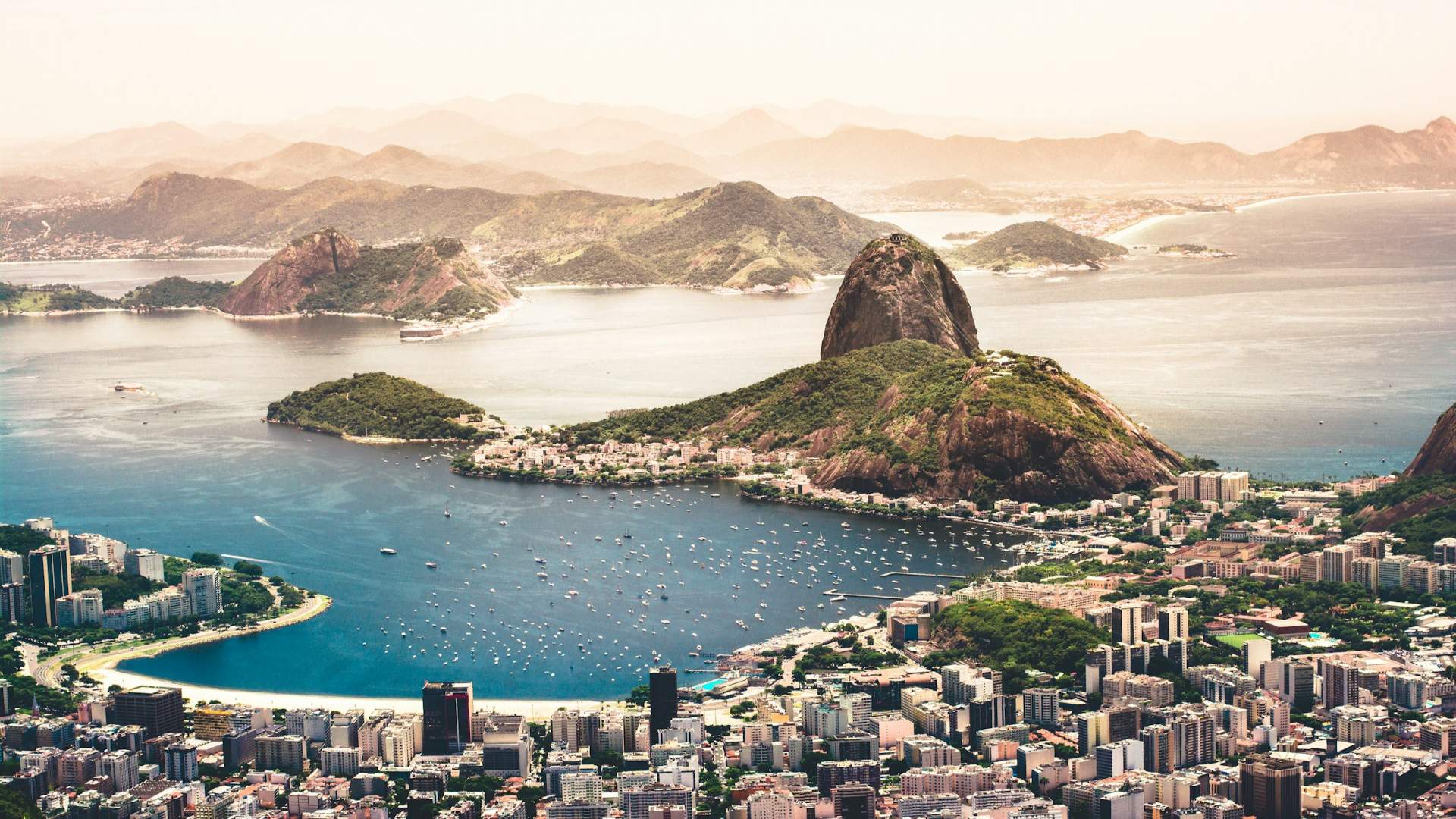
Rio de Janeiro – The Marvelous City
Rio de Janeiro is not a city you visit; it is a city that happens to you. One minute you’re standing beneath the outstretched arms of Christ the Redeemer while dawn ignites the 30-metre statue in molten gold; the next you’re barefoot on Ipanema, salt crusting your skin, watching a 70-year-old carioca grandmother in a thong out-dance everyone at beach volleyball. Between jungle-clad granite peaks and a crescent of electric-blue ocean, Rio throbs with a rhythm only Brazil understands: samba drums echoing from the favelas at 4 a.m., caipirinhas sweating lime and cachaça on every corner, and sunsets so violent they look photoshopped. Here, mountains plunge straight into the sea, cable cars glide above red-tiled rooftops, and every single day ends with the entire city applauding the sun as it melts into the Atlantic. Rio doesn’t just welcome you; it seduces you, shakes you, and leaves you forever ruined for anywhere else.
Top Activities and Experiences in Rio de Janeiro
Rio is a city that must be tasted, touched, and danced. These are the moments that will tattoo themselves onto your soul.
Sunrise at Christ the Redeemer (Corcovado)
Catch the first train at 7:30 am or hike up through Tijuca forest before the tour buses arrive. When the clouds part and the rising sun sets the 30-metre Art Deco statue ablaze, the entire city—Copacabana’s crescent, Sugarloaf’s dome, the endless Atlantic—lies glowing at your feet like a private miracle.
Sunset Cable Car to Sugarloaf Mountain (Pão de Açúcar)
Time your visit for the last light. The two-stage cable car glides over fishing boats and jungle, then deposits you on a 396 m granite dome as the sky detonates in fuchsia, tangerine, and violet. Stay until the city lights flicker on like a galaxy fallen to earth.
A Full Day Surrendering to Ipanema & Copacabana
Rent a chair and umbrella for R$20, order a matte leão gelado and fresh coconut, and let the day dissolve. Watch grandmothers in bikinis play futevôlei, vendors sing “queijo coalho!” while grilling cheese on portable barbecues, and the famous mosaic sidewalks shimmer under bare feet.
Samba Until Dawn in Lapa
Friday or Saturday night: start under the white Arcos da Lapa aqueduct with R$10 caipirinhas, then dive into Rio Scenarium—three floors of antique mirrors, chandeliers, and live samba that makes your hips move without permission. Sweat, laugh, kiss strangers, repeat until the sun rises over the bay.
Ethical Favela Tour in Rocinha or Vidigal
Take a mototaxi up alleys so steep they feel vertical, emerge on rooftops with views that humiliate postcards, and drink cold Antarctica beer while children fly kites that dance above Christ himself. The energy is electric, the people proud and welcoming.
Hike or Hang-Glide over Tijuca National Park
The world’s largest urban rainforest hides waterfalls, wild toucans, and the iconic Pedra da Gávea—a 844 m sea cliff where, if you’re brave, you can leap off and fly tandem over the city with the Atlantic glittering below like shattered sapphire.
Carnival – The Greatest Show on Earth
Even if you miss the Sambódromo parades, the street blocos are free, chaotic, and life-altering: six million people in glitter, beer, and pure joy, dancing from noon till noon again.
Escadaria Selarón & the Bonde Tram in Santa Teresa
Climb the 215 steps covered in tiles from 60 countries—each one a love letter from Chilean artist Jorge Selarón—then hop the rattling yellow tram through Santa Teresa’s bohemian streets of colonial mansions dripping with bougainvillea.
Feijoada Saturday at a Traditional Boteco
Brazil’s soul food: a cauldron of black beans simmered with every part of the pig, served with farofa, collard greens, orange slices, and caipirinhas strong enough to wake the dead.
Helicopter Doors-Off Flight
Fifteen minutes of pure adrenaline: doors off, wind roaring, flying beneath Christ’s arms, over the beaches, past Sugarloaf, and above the endless green of Tijuca—Rio laid bare like a fever dream.
Sunday Hippie Fair (Feira Hippie de Ipanema)
Handmade jewellery, live choro music, açai so thick the spoon stands up, and the most beautiful people-watching on the planet under jacaranda trees turning purple.
Arpoador Rock at Magic Hour
The rock between Ipanema and Copacabana where, when the sun drops perfectly behind Dois Irmãos mountains, the entire beach erupts in spontaneous applause.
Surf the Wild Beaches of Prainha & Grumari
An hour west, rainforest plunges into perfect barrels and empty golden sand. Rent a board or just watch surfers dance with the Atlantic while eating fresh fish grilled on the beach.
Jardim Botânico at Golden Hour
Walk the Avenue of Royal Palms planted in 1808, listen to toucans call, and find the secret Japanese garden where time stops.
Museum of Tomorrow & Porto Maravilha
Santiago Calatrava’s futuristic masterpiece on Guanabara Bay, plus Kobra’s 3,000 m² mural of indigenous faces staring into the future.
Ready to Explore More?
Rio doesn’t say goodbye; it says “até logo.” Pack light clothes, an open heart, and dancing shoes. Click here to start your love affair with the Marvelous City and the rest of Brazil!
Frequently Asked Questions (FAQs) About Rio de Janeiro
What are the top things to do in Rio de Janeiro?
Christ the Redeemer at sunrise, Sugarloaf at sunset, full beach day on Ipanema/Copacabana, samba night in Lapa, ethical favela tour, Tijuca hike or hang-glide.
What are the must-visit places in Rio de Janeiro?
Christ the Redeemer, Sugarloaf, Copacabana, Ipanema, Lapa, Santa Teresa, Tijuca National Park, Escadaria Selarón.
When is the best time to visit Rio de Janeiro?
September–November (spring) or March–May (autumn): 25–30 °C, fewer crowds, lower prices. Carnival (Feb/Mar) is unforgettable but chaotic and expensive.
What are the best things to see in Rio de Janeiro?
Christ bathed in dawn light, Sugarloaf at sunset, the mosaic sidewalks of Copacabana, favela rooftops painted every colour, Tijuca waterfalls, jacarandas in bloom.
Which are the best places to visit near Rio de Janeiro for a short trip?
Ilha Grande (paradise island, 3 h), Paraty (colonial gem, 4 h), Petrópolis (imperial summer palace, 1.5 h), Búzios (chic beach town, 3 h).
Do you have a comprehensive Rio de Janeiro tour guide?
Yes! Our guide covers every iconic viewpoint, hidden beach, samba bar, and safety tip you’ll ever need.
What are the top tourist attractions in Rio de Janeiro?
Christ the Redeemer, Sugarloaf, Copacabana & Ipanema beaches, Escadaria Selarón, Lapa Arches, Museum of Tomorrow.
What are the best places to visit in Rio de Janeiro with family?
Copacabana beach, Jardim Botânico, AquaRio (largest aquarium in South America), Sugarloaf cable car, Parque Lage.
Where can I find a Rio de Janeiro tour guide for my trip?
Book ethical favela tours (Rocinha or Vidigal), Be Free Tours, or private drivers for Christ + Sugarloaf + Tijuca combos.
What are the top festivals in Rio de Janeiro?
Carnival (Feb/Mar), Réveillon (New Year’s on Copacabana – 2 million in white), Rock in Rio (Sep/Oct).
Where to stay in Rio de Janeiro?
Luxury: Belmond Copacabana Palace, Fasano Rio; boutique: Emiliano, Santa Teresa Hotel MGallery; budget: Vidigal hostels with million-dollar views.
Is Rio de Janeiro safe?
Yes in tourist areas (Zona Sul). Use Uber, avoid flashing jewellery, don’t walk alone on empty beaches at night, and take guided favela tours.
What are some essential Rio de Janeiro travel advice tips?
Book Christ tickets online, carry small reais for beach vendors, use Uber after dark, drink only sealed caipirinhas, learn “obrigado/a” and “tudo bem?”
What are the best places to eat in Rio de Janeiro?
Aprazível (Santa Teresa views), Marius Degustare (rodízio de carne & seafood), Garota de Ipanema (original bossa nova bar), CT Boucherie (José Neto’s meats).
Is Rio de Janeiro safe for women travelers?
Yes—stick to lively areas, use Uber at night, join group tours for favelas, and you’ll have the time of your life.
What are some must-try experiences in Rio de Janeiro?
Sunrise at Christ, sunset at Sugarloaf, samba in Lapa till dawn, favela rooftop caipirinha, applauding the sun at Arpoador, Carnival bloco madness.
How can I book a Rio de Janeiro tour or vacation package?
GetYourGuide or Viator for Christ + Sugarloaf combos, helicopter flights, favela tours, and Carnival experiences.
What are some offbeat things to do in Rio de Janeiro?
Pedra do Telégrafo “hanging off the cliff” photo, Parque Lage sunrise, Sunday feijoada in Vidigal, secret waterfall swims in Tijuca.
What should I pack for your Rio de Janeiro vacation?
Flip-flops, light cotton clothes, high-SPF sunscreen, reusable water bottle, small backpack, mosquito repellent, bikini/board shorts you don’t mind losing to the waves.
Is there a Rio de Janeiro cherry blossom festival?
No, but from May to June the jacaranda trees explode purple across the entire city—pure magic against Christ’s silhouette and the blue Atlantic.
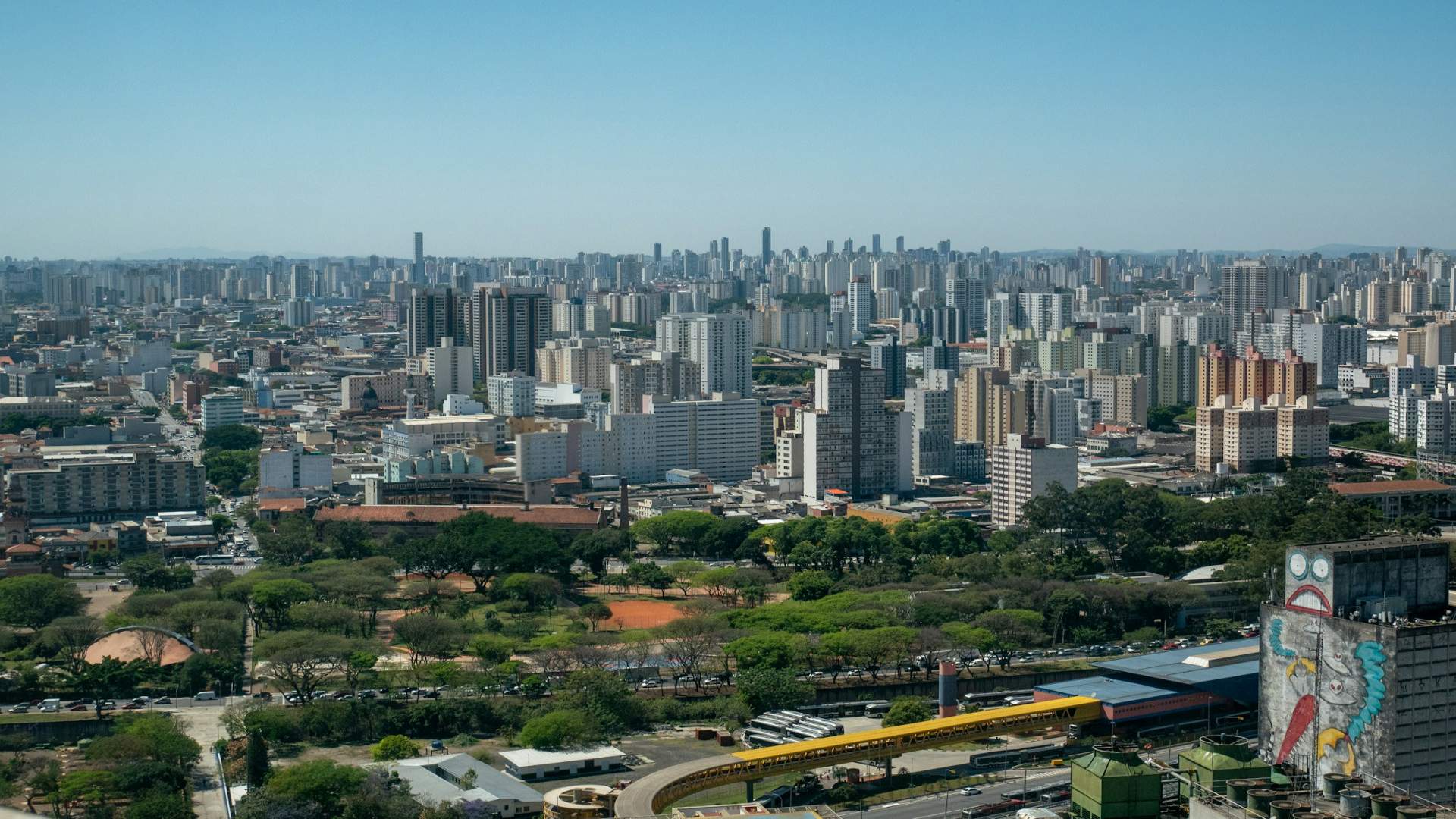
São Paulo – The Concrete Jungle That Never Sleeps
São Paulo is not beautiful in the postcard way; it is beautiful in the way a thunderstorm is beautiful. Forty-five thousand people per square kilometre, twelve million souls packed into a sprawling beast of glass and concrete that stretches farther than the eye can see from the top of Edifício Itália. Here, helicopters buzz like dragonflies above the traffic, street artists turn entire buildings into psychedelic dreams, and you can eat the planet’s best sushi at 4 a.m. followed by pão de queijo at a 24-hour bakery that smells like childhood. From the brutalist curves of Oscar Niemeyer to the neon chaos of Avenida Paulista on Sunday when it becomes a 3-km open-air party, Sampa throbs with raw, unfiltered energy. It is the financial heart of South America, the street-art capital of the world, and the city that taught the planet how to throw a party that never ends.
Top Activities and Experiences in São Paulo
São Paulo doesn’t seduce gently; it grabs you by the collar and drags you into its glorious chaos. These are the moments that will ruin you for every other city.
Sunday on Avenida Paulista (Closed to Cars)
Every Sunday from 8 a.m. the city’s main artery becomes a 3-km carnival: capoeira circles, drag queens on roller skates, indigenous artisans selling seeds, and 2 million paulistanos dancing forró under the MASP’s red pillars.
Street Art Hunting in Beco do Batman & Vila Madalena
Turn every corner in Vila Madalena and a new masterpiece explodes across a wall—Kobra’s giant Einstein, Os Gemeos twins, Nunca’s indigenous warriors. The entire neighbourhood is an ever-changing open-air museum.
Rooftop Sunset at Skye Bar or Terraço Itália
Watch the concrete ocean turn molten gold from 41 floors up while sipping a caipirinha made with infused cachaça and Amazonian fruits. The skyline stretches so far it feels like the edge of the world.
Feast in Liberdade – World’s Largest Japanese Neighbourhood Outside Japan
Saturday morning at the feira: tempura squid skewers, takoyaki spun before your eyes, pastel de bacalhau from Portuguese grandmas, and enough ramen shops to make Tokyo blush.
MASP – Museu de Arte de São Paulo
Oscar Niemeyer’s brutalist masterpiece with paintings floating on crystal easels—Van Gogh, Rembrandt, Portinari—under a 74-metre free span that looks like the building is levitating.
Mercado Municipal Paulistano
Dive into the cathedral of gluttony: mortadella sandwiches the size of your head dripping with provolone, codfish pastéis that explode in your mouth, and free samples of every fruit you’ve never heard of.
Party in Vila Madalena or Baixo Augusta Until Sunrise
Start at Beco do Batman, drink caipirinhas at Bar do Beco, then lose yourself in underground clubs where the bass is so deep it rearranges your soul. Sampa never sleeps.
Parque Ibirapuera at Golden Hour
Oscar Niemeyer’s green lung: cycle past the Japanese pavilion, watch capoeira under palm trees, and catch the sun setting behind the Auditório Ibirapuera that looks like a spaceship.
Edifício Copan – Niemeyer’s Sinuous Masterpiece
Wander the wave-shaped corridors, drink coffee at Bar da Dona Onça, and feel the pulse of 5,000 residents living inside a single curved concrete icon.
Football Match at Morumbi, Allianz Parque or Pacaembu
Join 60,000 screaming fans as Corinthians, São Paulo or Palmeiras turn the stadium into a cauldron of pure passion—bring green, white, or black and prepare to lose your voice.
Pinacoteca & Estação da Luz
19th-century railway station turned into one of Latin America’s finest art museums—sunlight pours through the rose window onto Tarsila do Amaral’s vibrant canvases.
Coffee at Café Floresta in Edifício Itália
Brazil invented coffee culture here: order a carioca (weak espresso) and watch the city swirl 41 floors below like a living circuit board.
Helicopter Tour Over the Endless Skyline
Ten minutes that rewire your brain—flying between towers so tall they have their own weather systems, past the octopus of highways and the green islands of Ibirapuera.
Late-Night Pão de Queijo at 24-Hour Bakeries
3 a.m., rain on the window, cheese bread straight from the oven that tastes like home even if you’ve never been to Brazil before.
Virada Cultural – All-Night Free Festival
Every May the city throws a 24-hour party with 1,200 free shows—rock on Minhocão, samba in Praça da República, electronic in Vale do Anhangabaú.
Ready to Explore More?
São Paulo doesn’t ask permission; it simply happens to you. Pack comfortable shoes, an empty stomach, and zero expectations. Click here to dive into the world’s wildest metropolis!
Frequently Asked Questions (FAQs) About São Paulo
What are the top things to do in São Paulo?
Sunday on Paulista, Beco do Batman street art, Mercado Municipal, MASP, rooftop sunset, Liberdade food binge.
What are the must-visit places in São Paulo?
Avenida Paulista, Beco do Batman, MASP, Mercado Municipal, Ibirapuera, Liberdade, Edifício Copan.
When is the best time to visit São Paulo?
April–June or September–November: 20–25 °C, less rain, and the jacarandas paint the city purple.
What are the best things to see in São Paulo?
Endless skyline from above, Kobra murals, Niemeyer curves, Sunday street parties, mortadella sandwiches dripping cheese.
Which are the best day trips from São Paulo?
Embu das Artes (arts & crafts), Santana de Parnaíba (colonial town), Campos do Jordão (Brazilian Switzerland).
Do you have a comprehensive São Paulo tour guide?
Yes! Our guide covers skyscrapers, street art, food, nightlife, and safety tips for the world’s most intense city.
What are the top tourist attractions in São Paulo?
MASP, Avenida Paulista, Mercado Municipal, Ibirapuera Park, Beco do Batman, Pinacoteca.
What are the best places to visit with family?
Ibirapuera Park, KidZania, Aquário de São Paulo, Catavento science museum.
Where can I find a São Paulo tour guide?
Free Walking Tours SP, SP Free Tour, or private guides for street art or architecture.
What are the top festivals?
Virada Cultural (May), São Paulo Carnival, Formula 1 Brazilian GP (Nov), CCSP film festivals.
Where to stay in São Paulo?
Luxury: Tivoli Mofarrej, Palácio Tangará; boutique: Hotel Fasano; budget: Selina Vila Madalena.
Is São Paulo safe?
Yes in tourist areas (Paulista, Vila Madalena, Jardins). Use Uber, avoid empty streets at night, keep phone hidden.
What are some essential travel tips?
Use Uber/99, carry small reais for street food, learn basic Portuguese, visit Paulista on Sunday.
What are the best places to eat?
D.O.M. (Alex Atala), Mocotó (nordestino), A Casa do Porco (pork heaven), Mercado Municipal.
Is São Paulo safe for women travelers?
Yes—vibrant, cosmopolitan, use same precautions as any big city.
What are some must-try experiences?
Sunday Paulista, rooftop sunset, mortadella sandwich, street art in Vila Madalena, 4 a.m. pão de queijo.
How can I book a tour?
GetYourGuide or Viator for street art walks, food tours, helicopter flights.
What are some offbeat things to do?
Minhocão at night (elevated highway turned park), Japanese immigration museum, SESC Pompeia (Niemeyer’s brutalist gem).
What should I pack?
Comfy shoes, light jacket (evenings cool), portable charger, reusable cup for street tereré.
Is there a cherry blossom festival?
Yes—August in Liberdade and Ibirapuera: thousands of sakura trees bloom pink against brutalist concrete.
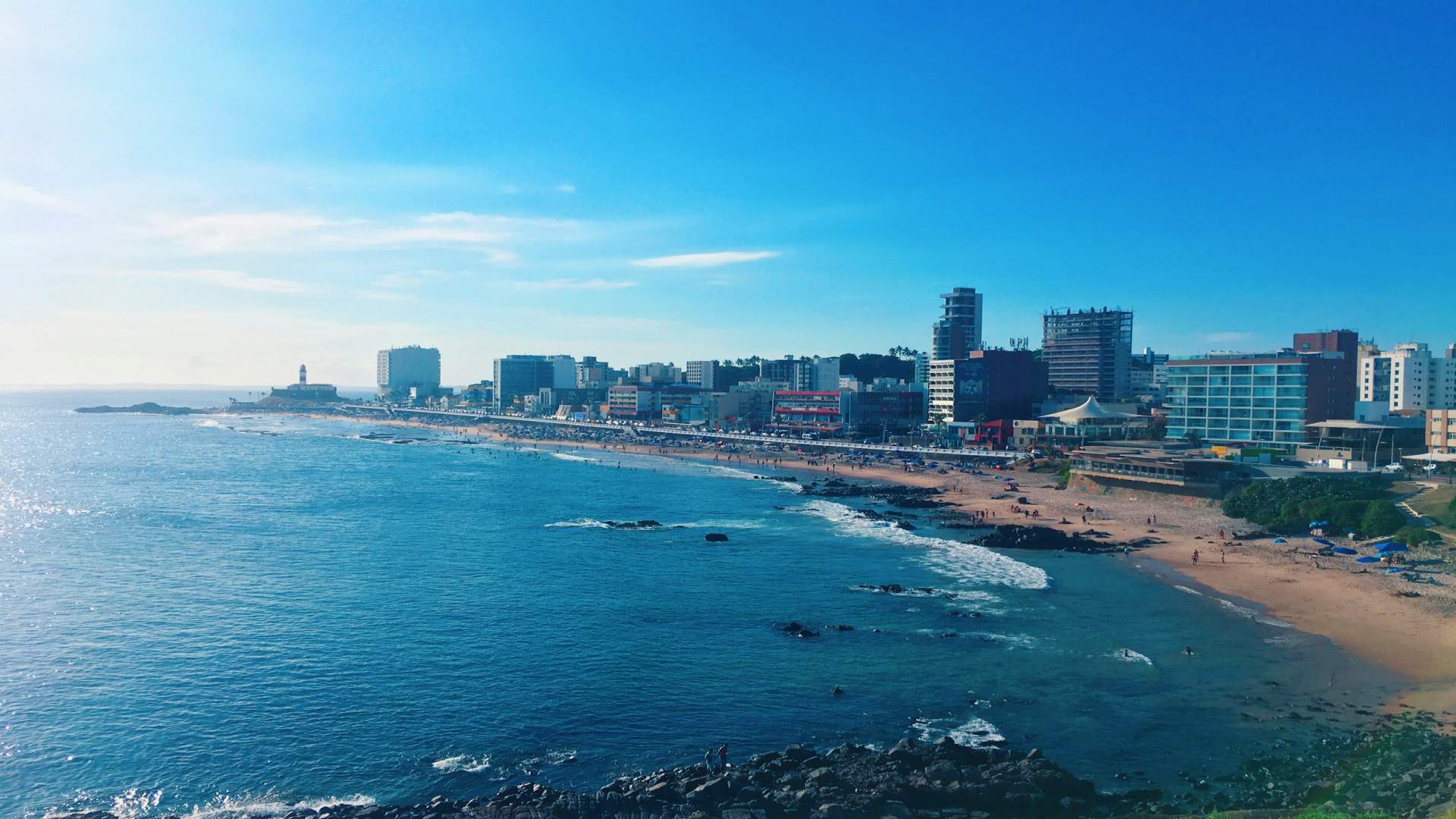
Salvador – Where Africa Kissed Brazil and Never Let Go
Salvador is not a city you simply visit; it is a city that possesses you. Here, in the first capital of Brazil, the air smells of dendê oil and sea salt, Candomblé drums throb from hidden terreiros at midnight, and the entire historic centre of Pelourinho glows like a box of spilled jewels under the tropical sun. Pastel-coloured colonial mansions tumble down hills toward the Bay of All Saints, capoeira roda circles explode into life on every square at sunset, and women dressed in white lace stir pots of acarajé that sizzle like offerings to Iansã herself. This is the soul of Afro-Brazil: 80 % of the population descended from West African ancestors, where Yoruba gods walk the streets disguised as Catholic saints, and every Thursday the Igreja do Bonfim fills with thousands tying fitas on the gates while praying for miracles. Salvador is raw, sensual, spiritual, and unapologetically alive—a place that grabs your hips and teaches them to sway before your mind even catches up.
Top Activities and Experiences in Salvador
These are the moments that will make your blood dance with Bahian rhythm and leave you forever changed.
Golden Hour in Pelourinho
Walk the UNESCO-listed cobblestone streets as the sun turns every pastel façade into molten gold. Suddenly Olodum drums erupt, a capoeira roda forms in front of São Francisco church, and strangers pull you into the circle.
Thursday Blessing at Igreja do Nosso Senhor do Bonfim
Join thousands of Baianas in white lace tying colourful fitas around your wrist while washing the church steps with scented water—an emotional explosion of faith, music, and pure Bahian energy.
Eat Acarajé from Dinha or Cira in Largo do Pelourinho
Watch the Baiana in full traditional dress fry black-eyed pea dough in dendê oil, split it open, and stuff it with vatapá, shrimp, and salad. One bite and you understand why this is sacred food.
Sunset at Farol da Barra with Moqueca and Cold Antarctica
Sit on the rocks where the Atlantic meets the Bay of All Saints, order a moqueca de camarão bubbling in a clay pot, and watch the lighthouse beam sweep across the ocean as the sky ignites.
Capoeira Angola or Regional Class
Take a drop-in class with masters at Forte de Santo Antônio or watch the masters play in a roda where every cartwheel feels like a prayer and every kick could slice the air.
Candomblé Ceremony (with respect and invitation)
If invited to a proper terreiro (never photograph), witness the orixás descend into the bodies of dancers—drums like thunder, white lace spinning, and pure spiritual electricity.
Elevator Lacerda at Magic Hour
Ride the 72-metre Art Deco elevator between Cidade Alta and Cidade Baixa as the sun turns the bay into liquid gold. Street musicians play berimbau on both levels.
Rio Vermelho Night – Acarajé, Cold Beer, Live Samba
The bohemian neighbourhood where Caetano Veloso and Gilberto Gil used to drink. Start with Cira’s acarajé tabuleiro, then bar-hop until sunrise.
Praia do Forte Day Trip & Tamar Project
90 minutes north: coconut-lined beaches, sea turtles being released at sunset, and the medieval castle turned eco-resort.
Mercado Modelo & Baiana Ladies
Haggle for fitas do Bonfim, drink coconut water straight from the nut, and watch Baianas in full regalia selling potions and blessings.
Carnival (February/March)
The world’s biggest street party—six million people, trio elétricos blasting axé, afoxé groups singing in Yoruba, and glitter that never washes off.
Museu Afro-Brasileiro & São Francisco Church
Carved cedar panels covered in gold leaf inside one of the most ornate churches in the Americas, right next to exhibits of Candomblé orixá carvings that will take your breath away.
Ready to Feel the Axé?
Salvador doesn’t just welcome you—it possesses you. Pack light clothes, dancing shoes, and an open heart. Read more to start your love affair with the soul of Brazil!
Frequently Asked Questions (FAQs) About Salvador
What are the top things to do in Salvador?
The unmissable experiences are golden hour in Pelourinho with spontaneous capoeira rodas, Thursday mass at Igreja do Bonfim, eating acarajé from Dinha or Cira, sunset at Farol da Barra, and joining a Candomblé ceremony if respectfully invited.
What are the must-visit places in Salvador?
Pelourinho (UNESCO historic centre), Igreja do Bonfim, Farol da Barra, Elevador Lacerda, Rio Vermelho, and Mercado Modelo are the beating hearts of the city.
When is the best time to visit Salvador?
The ideal period is May–September when temperatures are 25–30 °C, rain is minimal, and the city is alive with festivals. Carnival (Feb/Mar) is pure madness and magic.
What are the best things to see in Salvador?
The pastel Pelourinho glowing gold at sunset, Baianas in white lace washing Bonfim steps, capoeira circles under colonial façades, and the endless turquoise Bay of All Saints.
Which are the best day trips from Salvador?
Praia do Forte (turtles and beaches), Morro de São Paulo (car-free island paradise), Cachoeira (colonial town in the Reconcavo), and Praia do Forte’s Tamar turtle project.
Do you have a comprehensive Salvador guide?
Yes—this guide covers every drumbeat, every flavour of dendê, every sunset, and every spiritual moment you need to feel the soul of Afro-Brazil.
What are the top attractions in Salvador?
Pelourinho, Igreja do Nosso Senhor do Bonfim, Elevador Lacerda, Igreja São Francisco, Farol da Barra, and Mercado Modelo.
What are the best family activities in Salvador?
Farol da Barra beach, Projeto Tamar turtle release, Mercado Modelo, the planetarium at Museu de Ciência, and gentle capoeira classes for kids.
Where can I find a Salvador tour guide?
Reputable operators like Salvador Cultural Tour, Guias & Tours Bahia, or free walking tours in Pelourinho—many guides are descendants of the original inhabitants.
What are the top festivals in Salvador?
Carnival (world’s largest street party), Festa de Iemanjá (2 February – offerings to the sea goddess), Lavagem do Bonfim (January), and Festa de Santa Bárbara (4 December).
Where to stay in Salvador?
Luxury: Fera Palace or Fasano Salvador; boutique: Hotel Villa Bahia (inside Pelourinho); budget: Hostel Galeria 13 or Che Lagarto.
Is Salvador safe?
Yes in tourist areas (Pelourinho day/night, Barra, Rio Vermelho). Use Uber after dark, avoid empty streets, and keep valuables hidden—standard big-city awareness.
What are some essential tips for Salvador?
Carry small reais for acarajé ladies, use Uber at night, Thursday is the holiest day at Bonfim, never photograph Candomblé without permission, and learn “axé” and “obrigado/a”.
What are the best places to eat in Salvador?
Dinha or Cira for acarajé, Casa de Tereza for moqueca, Origem (Chef Fabricio Lemos), and any Baiana tabuleiro in Rio Vermelho.
Is Salvador safe for women travelers?
Yes—vibrant and welcoming. Stick to busy areas, use Uber at night, and join group tours if desired; solo female travellers love the energy.
What are some must-try experiences in Salvador?
Eating acarajé from a Baiana, tying a fita at Bonfim, dancing in a Pelourinho roda, sunset at Barra with moqueca, and feeling the drums of Olodum shake your bones.
How can I book a tour in Salvador?
Through GetYourGuide or directly with local operators for Pelourinho walking tours, capoeira shows, Candomblé visits, and island boat trips.
What are some offbeat things to do in Salvador?
Visit a terreiro during a public festival, sunrise at Praia de Itapuã (inspiration for Vinicius de Moraes), secret Candomblé food tasting, or a private berimbau lesson.
What should I pack for Salvador?
Light cotton clothes, comfortable walking shoes for cobblestones, sunscreen, hat, reusable bottle, small backpack, and an open heart for axé.
Is there a cherry blossom festival in Salvador?
No, but from August to October the flamboyant trees explode in fiery red-orange blossoms across the entire city—pure tropical fire.
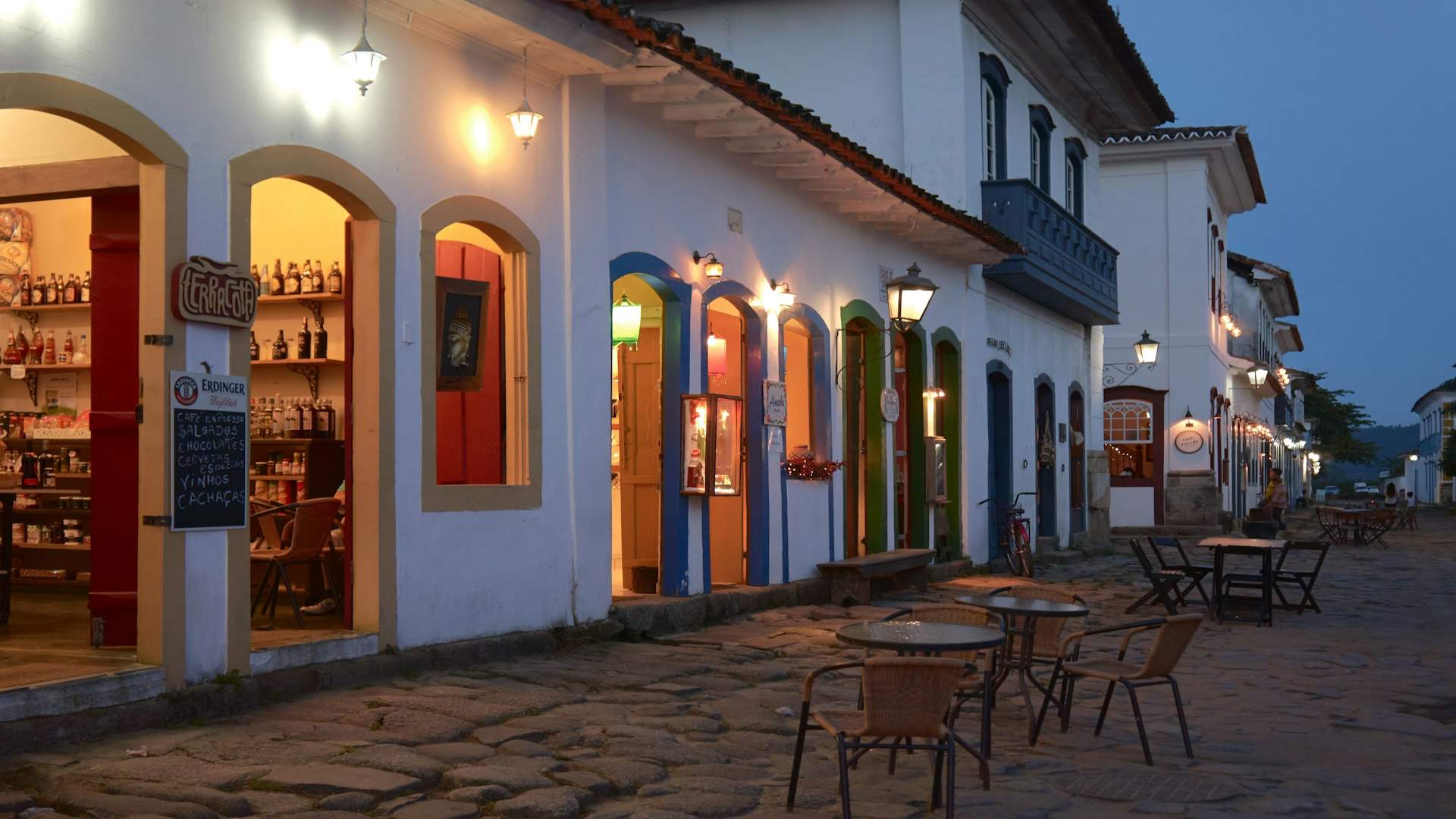
Paraty – The Colonial Gem That the Tide Still Loves
Paraty is a postcard that came to life and decided to stay. Whitewashed Portuguese houses with doors painted mermaid-blue, poison-green, and blood-red line cobblestone streets so uneven you have to wear flip-flops just to walk straight. Twice a day the Atlantic sneaks in and floods the historic centre, turning the entire town into a mirror that reflects candy-coloured façades and drifting clouds. Jungle-covered mountains plunge straight into a bay sprinkled with 65 islands and 300 beaches, schooners drift past with caipirinhas clinking in the rhythm of bossa nova, and at night lanterns glow while cachaça distilleries offer free tastings that taste like liquid sunset. This is Brazil’s best-preserved colonial town, a UNESCO World Heritage site where pirates once hid, gold was smuggled, and the jungle never quite let go.
Top Activities and Experiences in Paraty
These are the moments that make you forget the rest of the world exists.
Schooner Cruise at Golden Hour
Board a wooden schooner, caipirinha in hand, and glide between emerald islands while the sun turns the sea into molten gold. Stop for swims at Praia Vermelha, Lula Beach, and hidden lagoons reachable only by boat.
Walk the Flooded Streets at High Tide
When the moon is full, the Atlantic calmly invades the historic centre. Streets become canals, fish swim past your ankles, and the entire town turns into a living Canaletto painting.
Cachaça Tasting Tour (Alambique Street Crawl)
Paraty produces some of Brazil’s finest cachaças. Visit Engenho D’Ouro, Coqueiro Verde, and Paratiana for free shots of cachaça aged in exotic woods—jabuticaba, cinnamon, banana, and clove.
Cachoeira do Tobogã & Poço do Tarzan
Hike 20 minutes into the jungle to a natural rock waterslide where locals shoot down into a crystal pool, then swing into the water from a vine ropes like Tarzan himself.
Trindade Village & Praia do Meio
30 minutes south: hippie-chic village with rainbow-coloured houses, then hike to one of Brazil’s most beautiful beaches—golden sand, natural swimming pools, and caipirinhas served inside floating pineapples.
Flip-Flop Literature Festival (FLIP) – July
Every July the town fills with writers, poets, and book lovers. Free talks in the main square, music until dawn, and the entire historic centre becomes one giant open-air salon.
Stand-Up Paddle at Sunrise
Paddle across mirror-calm water while the sky turns pink and orange, mountains reflect perfectly, and the only sound is your board cutting the silence.
Jeep Tour to Waterfalls & Distilleries
Bounce through Atlantic rainforest to hidden waterfalls (Pedra que Engole, Poço da Jamaica), then end at a cachaça farm with shots straight from the barrel.
Praia do Sono & Antigos Hike
90-minute jungle trail to two of the Costa Verde’s most spectacular beaches—white sand, almost no people, and a tiny fishing community that sells fresh lobster grilled on the beach.
Paraty Bay Kayak or Snorkel
Paddle to secret coves where the water is so clear you can see fish from the surface, and sea turtles pop up to say hello.
Ready to Fall Under Paraty’s Spell?
Bring flip-flops, a swimsuit, and zero plans. The tide will take care of the rest. Read more to start your love story with Brazil’s most beautiful colonial town!
Frequently Asked Questions (FAQs) About Paraty
What are the top things to do in Paraty?
The schooner cruise at sunset, walking the flooded streets at high tide, cachaça tasting tour, Cachoeira do Tobogã natural slide, and a day in hippie Trindade.
What are the must-visit places in Paraty?
Historic Centre (UNESCO), Trindade, Praia Vermelha, Cachoeira do Tobogã, and the islands of Paraty Bay.
When is the best time to visit Paraty?
April–November: pleasant 22–28 °C, less rain, and calm seas. July brings FLIP literary festival; avoid January–March if you hate crowds and storms.
What are the best things to see in Paraty?
Colonial streets flooded by the tide, schooners with rainbow sails, jungle waterfalls used as natural slides, and the emerald-green bay dotted with islands at sunset.
Which are the best day trips from Paraty?
Trindade (30 min), Praia do Sono/Antigos hike, Cunha (ceramics and lavender fields), or Ilha Grande by speedboat (2 h).
Do you have a comprehensive Paraty guide?
Yes—this guide covers every cobblestone, caipirinha, waterfall slide, and hidden beach you need to fall completely in love.
What are the top attractions in Paraty?
Historic Centre, schooner tours, Cachoeira do Tobogã, Trindade beaches, and the cachaça alambiques.
What are the best family activities in Paraty?
Schooner cruise with stops for swimming, Tobogã waterfall slide (kids go crazy), Trindade natural pools, and stand-up paddle in calm bays.
Where can I find a Paraty tour guide?
Paraty Tours, Green Trail, or directly at the pier—most offer schooner, jeep, and kayak combos.
What are the top festivals in Paraty?
FLIP Literary Festival (July), Festa do Divino Espírito Santo (May/June), Paraty Bourbon Festival (August), and Cachaça Festival (August).
Where to stay in Paraty?
Luxury: Casa Turquesa or Pousada Literária; boutique: Pousada do Sandi or Pousada do Ouro; budget: Che Lagarto or Pousada do Careca.
Is Paraty safe?
Extremely safe—one of the calmest towns on the Costa Verde. You can walk anywhere at night without worry.
What are some essential tips for Paraty?
Wear flip-flops (streets are brutal on feet), book schooner tours early, bring cash (many places don’t take cards), and check tide times for the famous flooding.
What are the best places to eat in Paraty?
Banana da Terra (creative Bahian), Margarida Café (live music), Punto Divino (Italian), and any beach shack in Trindade for fresh fish.
Is Paraty safe for women travelers?
Yes—relaxed, friendly, and very safe. Solo women travellers often say it’s one of their favourite places in Brazil.
What are some must-try experiences in Paraty?
Schooner caipirinhas at sunset, sliding down Cachoeira do Tobogã, cachaça tasting until you speak fluent Portuguese, and walking the flooded streets under moonlight.
How can I book a tour in Paraty?
At the main pier or via GetYourGuide—schooner, jeep, kayak, and hiking tours leave daily.
What are some offbeat things to do in Paraty?
Night kayak with bioluminescence, visit Quilombo do Campinho community, sunrise SUP, or secret waterfall hikes with local guides.
What should I pack for Paraty?
Flip-flops, swimsuit, light rain jacket, mosquito repellent, sunscreen, hat, dry bag, and a good book for lazy beach days.
Is there a cherry blossom festival in Paraty?
No, but June–August the manacá-da-serra trees bloom in vivid purple all over the hills—an explosion of colour against white walls and blue sea.