

ArmeniaPlaces to Visit
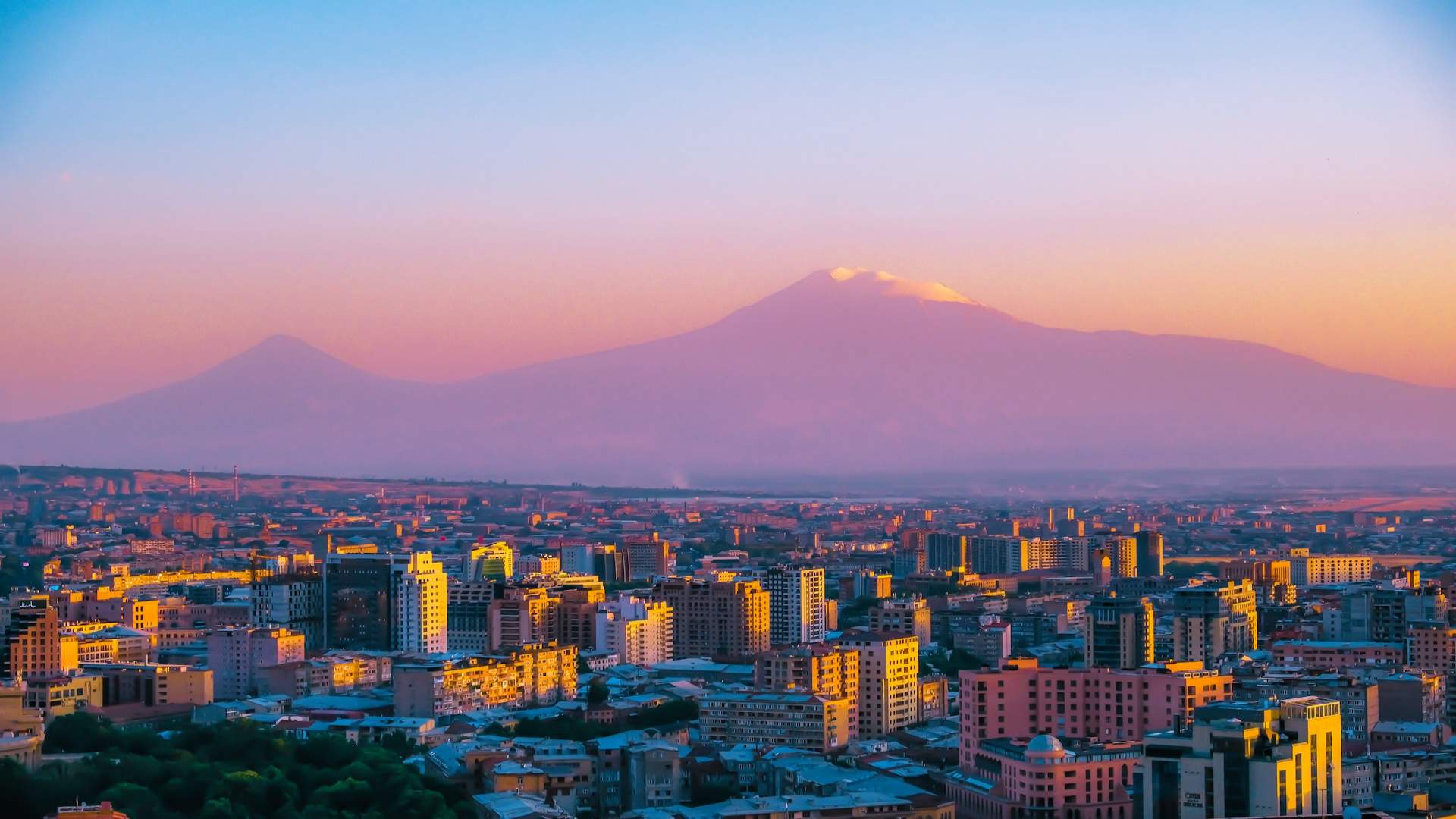
Yerevan – Armenia’s Pink Pearl of the Caucasus
Bathed in the warm glow of volcanic pink tufa stone and crowned by the eternal snows of Mount Ararat, Yerevan is one of the world’s oldest continuously inhabited cities—founded in 782 BCE, older than Rome. Nestled at 900–1,300 meters in the Ararat Valley, this vibrant capital of 1.1 million pulses with ancient soul and modern spirit. Fountains dance in Republic Square under singing stone arches, the monumental Cascade climbs toward the heavens, and the scent of fresh lavash drifts from underground tonirs. From the solemn silence of the Genocide Memorial to the clink of cognac glasses at Ararat Brandy Factory, Yerevan is a city where history breathes, art thrives, and hospitality flows like the Hrazdan River.
Soviet-era boulevards lined with apricot trees give way to jazz cafés, khachkar carvings, and rooftop bars with Ararat views. The Vernissage Market bursts with duduk melodies and pomegranate wine, while ancient manuscripts slumber in the Matenadaran. Whether sipping coffee under the stars, dancing to Komitas melodies, or tasting dolma in a 300-year-old tavern, Yerevan invites you to fall in love with the Land of Noah—one pink stone, one toast, one heartbeat at a time.
Top Activities and Experiences in Yerevan
In Yerevan, every corner tells a story—fountains sing, stones whisper, and Ararat watches eternally. Here are the soul-stirring experiences that define Armenia’s pink capital.
Stroll Republic Square at Night
Yerevan’s beating heart, Republic Square is a masterpiece of pink tufa and neoclassical grandeur. At dusk, the singing fountains dance to Charles Aznavour and Aram Khachaturian, illuminated in technicolor. The History Museum and Government House glow softly; locals sip coffee at outdoor cafés. Join the evening promenade—children chase pigeons, lovers whisper under arches, and the city feels alive with joy.
Climb the Cascade & Visit Cafesjian Center
This monumental limestone stairway of 572 steps links downtown to the Victory Park escarpment. Pause at each level to admire contemporary sculptures by Botero and Lynn Chadwick. Inside the Cafesjian Center for the Arts, glass elevators whisk you through rotating exhibits. At the top, panoramic views of Yerevan and biblical Mount Ararat await—sunset is magical, with the mountain turning rose-gold.
Shop & Listen at Vernissage Market
Every weekend, Vernissage transforms into an open-air bazaar of Armenian soul. Browse hand-carved khachkars, duduk flutes, pomegranate jewelry, and Soviet relics. Artisans paint miniatures; grandmothers sell homemade gata and dried fruits. The air hums with duduk melodies and the clink of coffee cups. Haggle gently, sip Armenian coffee from tiny cups, and take home a piece of Yerevan’s heart.
Visit Tsitsernakaberd Genocide Memorial
Perched on a hill overlooking the city, the Armenian Genocide Memorial (1967) honors 1.5 million victims of 1915. Walk the solemn pathway lined with pine trees to the eternal flame encircled by 12 basalt slabs. The museum’s exhibits—photos, testimonies, survivor stories—are heartbreaking yet essential. Lay a carnation at the flame; the silence is profound, the view of Ararat a reminder of resilience.
Tour Ararat Brandy Factory & Taste Legend
Since 1887, Ararat Brandy has been Armenia’s liquid gold—Winston Churchill’s favorite. Tour the barrel-lined cellars, learn the double-distillation process, and enter the Peace Barrel—sealed in 1994, to be opened when Artsakh is free. The tasting room offers 10- and 20-year blends with dark chocolate and walnuts. Raise a glass with “Genats!”—the Armenian toast to life.
Explore Matenadaran – Treasury of Manuscripts
The Mesrop Mashtots Institute houses over 17,000 ancient manuscripts—the world’s largest collection. Marvel at illuminated gospels from the 5th century, medical texts, and the smallest book (5g). The statue of Mesrop Mashtots, inventor of the Armenian alphabet, guards the entrance. Temporary exhibits rotate; the reading room smells of parchment and history.
Day Trip to Garni Temple & Geghard Monastery
Drive 35km to the only standing Greco-Roman temple in the former USSR—Garni (1st century CE). Its Ionic columns gleam against the Azat Gorge. Then ascend to Geghard Monastery (UNESCO), carved into a cliff. Monks chant in candlelit chambers; a sacred spring drips from the rock. Picnic with lavash and cheese by the river—pure Caucasus magic.
Listen to Jazz at Malkhas Jazz Club
Yerevan’s jazz scene is legendary. At Malkhas Jazz Club, Levon Malkhasyan—Armenia’s “Godfather of Jazz”—plays piano under dim lights. Sip Ararat cognac, nibble on basturma, and let the saxophone carry you. The crowd is a mix of locals and expats; the vibe intimate and electric. Shows start at 9 PM—book ahead.
Visit Erebuni Fortress & Museum
Yerevan’s birthplace, Erebuni Fortress (782 BCE) gave the city its name. Walk the ancient Urartian walls, see cuneiform inscriptions, and explore the museum’s bronze artifacts and frescoes. The view over modern Yerevan is striking—past and present in one frame. Visit on city birthday (October) for free entry and celebrations.
Dine on Dolma & Lavash in a Traditional Tavern
Experience Armenian hospitality at Anteb or Tavern Pandok. Start with jengyalov hats (herb-stuffed flatbread), move to khorovats (grilled meats), and finish with gata and coffee. The lavash is baked in a tonir; the wine flows freely. Toast with “Bari galust!” (Welcome!)—you’ll feel like family.
Ready to Fall in Love?
Let Yerevan’s pink stones and ancient soul capture your heart. Discover Armenia’s sacred land and toast to life in the Caucasus.
Frequently Asked Questions (FAQs) About Yerevan
What are the top things to do in Yerevan?
Watch the singing fountains at Republic Square, climb the Cascade at sunset, shop at Vernissage, visit Tsitsernakaberd, and taste Ararat brandy.
What are the must-visit places in Yerevan?
The unmissable icons are Republic Square, Cascade, Tsitsernakaberd, Matenadaran, and Vernissage Market.
When is the best time to visit Yerevan?
Spring (April–June) for mild weather and blooms; autumn (September–October) for golden light and wine festivals. Avoid winter cold and summer heat.
What are the best things to see in Yerevan?
Pink tufa architecture, Mount Ararat views, singing fountains, khachkars, Soviet mosaics, and ancient manuscripts define Yerevan’s beauty.
Which are the best places to visit near Yerevan for a short trip?
Drive 35km to Garni & Geghard, 1 hour to Lake Sevan, or 2 hours to Dilijan (Armenia’s “Little Switzerland”).
Do you have a comprehensive Yerevan tour guide?
Yes! This guide covers history, brandy tastings, day trips, and cultural etiquette for a deeply rewarding journey.
What are the top tourist attractions in Yerevan?
Highlights include Republic Square, Cascade, Tsitsernakaberd, Ararat Brandy, and Matenadaran.
What are the best places to visit in Yerevan with family?
Families love Republic Square fountains, Victory Park, Luna Park, and Water World in summer.
Where can I find a Yerevan tour guide?
Hire English-speaking guides via Envoy Hostel, Hyur Service, or your hotel. Walking tours are affordable and insightful.
What are the top festivals in Yerevan?
Erebuni-Yerevan (October), Wine Days (May), Vardavar (July water festival), and Jazz Festival (October).
Where to stay in Yerevan?
Luxury: Tufenkian Historic or Marriott; Mid-range: Aviatrans or Republica; Budget: Envoy Hostel or guesthouses.
Is Yerevan safe?
Very safe. Petty theft is rare; avoid political protests. Women can walk alone at night in central areas.
What are some essential Yerevan travel tips?
Use GG or Yandex taxis, carry AMD cash (ATMs common), learn basic Armenian phrases, and dress modestly at churches.
What are the best places to eat in Yerevan?
Savor dolma at Anteb, khorovats at Tavern Pandok, or modern Armenian at The Club. Try jengyalov hats in Artsakh food stalls.
Is Yerevan safe for women travelers?
Very safe. Dress conservatively in religious sites; catcalling is rare in central areas.
What are some must-try experiences in Yerevan?
Watch Republic Square fountains, taste Ararat brandy, climb the Cascade at sunset, shop at Vernissage, and visit Tsitsernakaberd.
How can I book a Yerevan tour?
Book day trips via Hyur Service or GetYourGuide. Private drivers are affordable (~$50/day).
What are some offbeat things to do?
Visit Kond District (old Yerevan), explore Soviet mosaics, attend a duduk concert, or hike Hrazdan Gorge.
What should I pack?
Pack layers (nights cool), comfortable shoes for cobblestones, sunscreen, and a scarf for churches.
Is there a cherry blossom festival?
April brings apricot blossoms across Yerevan—especially beautiful in the English Park and along Northern Avenue.
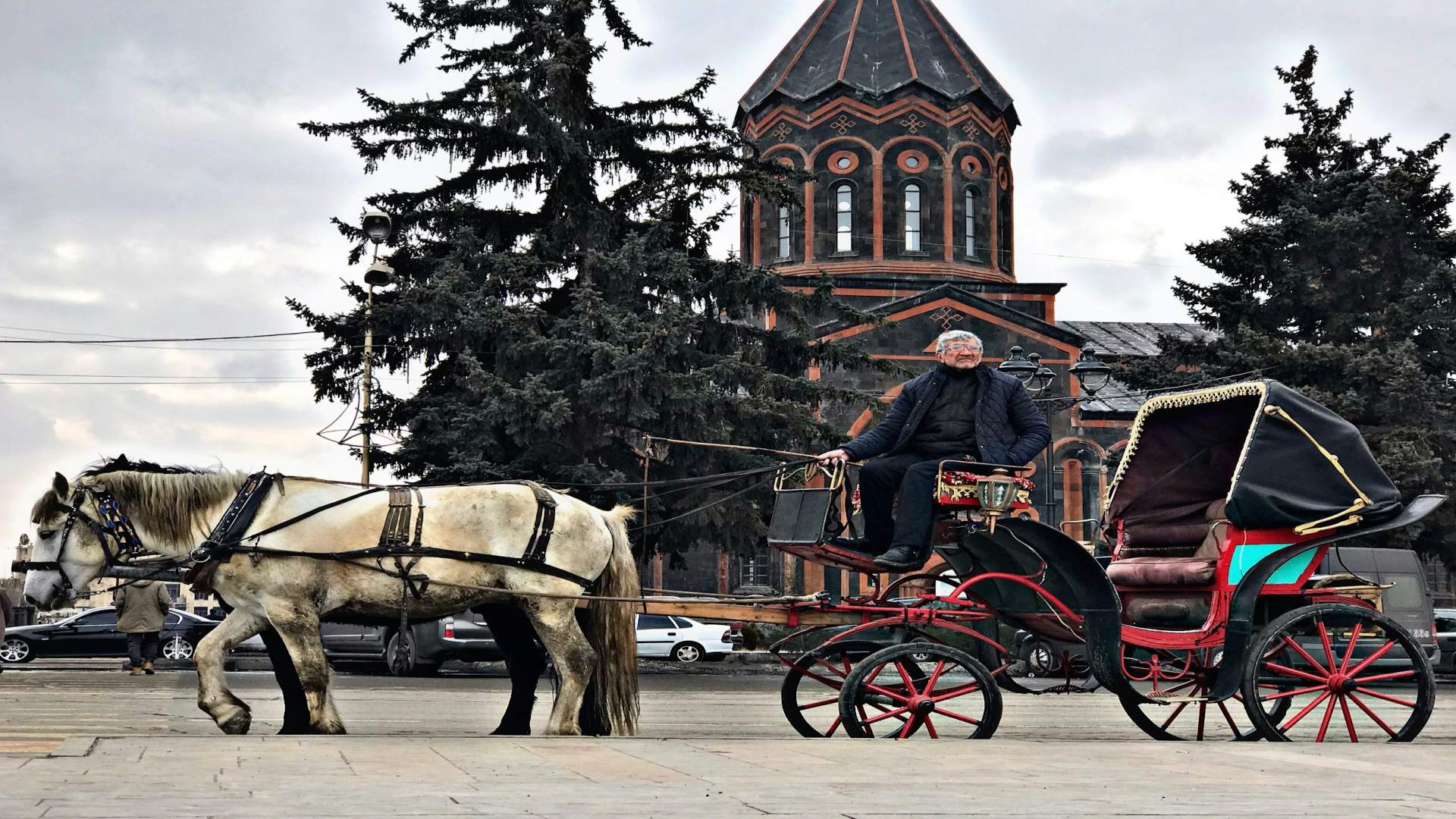
Gyumri – Armenia’s Resilient Heart of Stone
Rising from the ashes of the 1988 earthquake, Gyumri—Armenia’s second city and former cultural capital—stands as a living monument to human spirit. Once known as Alexandropol under the Russian Empire and Leninakan in Soviet times, this city of black and pink tufa breathes 19th-century elegance. Cobblestone streets wind past ornate balconies, iron lacework, and pastel facades; the scent of fresh lavash drifts from hidden bakeries. In Vartanants Square, grandmothers sip coffee under plane trees while children chase pigeons past the Black Fortress. Artisans hammer copper in workshops, duduk melodies echo from Sev Ghul, and the laughter of rebirth fills the air. Gyumri is not just a city—it is Armenia’s unbreakable soul, carved in stone and warmed by unbreakable hearts.
Just 120 km north of Yerevan, Gyumri sits at 1,500 meters in the Shirak Plateau, framed by the snow-capped Aragats and distant Ararat. The Kumayri Historic District preserves over 1,000 19th-century buildings; post-earthquake dome homes dot the outskirts. From the clink of blacksmith hammers to the aroma of jengyalov hats in street stalls, Gyumri invites you to walk slowly, listen deeply, and fall in love with Armenia’s most authentic, resilient city.
Top Activities and Experiences in Gyumri
In Gyumri, every cracked wall tells a story of survival, every smile a triumph. Here are the soul-stirring experiences that define Armenia’s city of stone and spirit.
Wander Vartanants Square at Golden Hour
Gyumri’s elegant heart, Vartanants Square is framed by the twin spires of Surp Amenaprkich Church and the neoclassical City Hall. At sunset, the pink tufa glows like embers; locals sip coffee at Cafe Abovyan under plane trees. The Freedom Monument stands tall—children play, musicians strum, and the city feels alive with quiet pride.
Explore Kumayri Historic District
Step into the 19th century in Kumayri, a UNESCO tentative site with over 1,000 preserved buildings. Wander cobblestone alleys past ornate wooden balconies, iron lacework, and pastel facades. Peek into courtyards where grandmothers bake lavash in tonirs. The Dzitoghtsyan Museum of National Architecture showcases a restored merchant’s home—silk carpets, carved ceilings, and family portraits from 1875.
Climb the Black Fortress (Sev Ghul)
Built in 1834 by Tsar Nicholas I, the star-shaped Black Fortress looms on a hill overlooking Gyumri. Climb the basalt walls for panoramic views of the city and Aragats. Inside, the Sev Ghul Cultural Center hosts concerts, art exhibits, and duduk performances. At night, the fortress is illuminated—duduk melodies echo through the stone corridors like a prayer.
Visit Aslamazyan Sisters Gallery
Housed in a 19th-century mansion, this gallery honors Mari and Yeranuhi Aslamazyan—Armenian modernist painters. Their vibrant works depict village life, women’s strength, and post-war resilience. The mansion’s wooden floors creak underfoot; the garden blooms with roses. A hidden gem of Soviet-Armenian art and sisterly love.
Shop & Taste at Central Market (Shuka)
Gyumri’s Shuka is a sensory explosion—mountains of jengyalov hats, strings of sujukh (walnut candy), and wheels of Shirak cheese. Grandmothers haggle over apricots; butchers sing folk songs. Try ghapama (stuffed pumpkin) and lavash fresh from the tonir. The market’s iron roof and colorful chaos are pure Armenian soul.
Attend Gyumri Biennale or Renaissance Festival
Every two years, Gyumri transforms into an open-air gallery for the Gyumri International Biennale. Street art, installations, and performances fill the city. The Renaissance Festival (September) celebrates post-earthquake rebirth with concerts, crafts, and fireworks. Locals dance in Vartanants Square—the energy is electric, the pride palpable.
Visit Artisan Workshops in Old Town
Gyumri’s craftsmen keep ancient traditions alive. Watch blacksmiths hammer copper in Kumayri alleys; visit woodcarvers crafting khachkars; see potters shape clay in Soviet-era studios. Buy a hand-forged knife, a carved duduk, or a ceramic pomegranate—each piece carries the maker’s story and Gyumri’s resilience.
Explore Post-Earthquake Dome Homes
After the 1988 Spitak earthquake, Gyumri rebuilt with temporary dome homes—now permanent symbols of survival. Walk the neighborhoods to see colorful domes painted with flowers and folk motifs. Some families open their doors for tea and stories—hear firsthand accounts of loss and rebirth. A moving, intimate glimpse into Armenian strength.
Dine on Ghapama & Harissa in a Local Home
Experience true Gyumri hospitality with a home-cooked meal. Harissa (wheat and lamb porridge) is stirred for hours; ghapama is stuffed with rice, nuts, and dried fruits. Pair with tan (yogurt drink) and homemade wine. Locals toast with “Bari galust!”—you’ll leave as family, full of food and stories.
Day Trip to Marmashen Monastery
Drive 10km to Marmashen (10th century), a pink tufa monastery by a serene lake. The rotunda church glows at sunset; khachkars dot the meadow. Picnic with lavash and cheese—wildflowers bloom in spring, snow dusts the ruins in winter. A peaceful escape from the city’s bustle.
Ready to Discover Resilience?
Let Gyumri’s stone streets and warm hearts heal your soul. Explore Armenia’s north and witness rebirth in the Caucasus.
Frequently Asked Questions (FAQs) About Gyumri
What are the top things to do in Gyumri?
Wander Vartanants Square, explore Kumayri, climb Black Fortress, shop at Shuka, and visit artisan workshops.
What are the must-visit places in Gyumri?
The unmissable icons are Vartanants Square, Kumayri District, Black Fortress, Aslamazyan Gallery, and Shuka Market.
When is the best time to visit Gyumri?
Spring (April–June) for mild weather; autumn (September–October) for Renaissance Festival. Winters are cold but magical with snow on tufa.
What are the best things to see in Gyumri?
19th-century tufa architecture, iron balconies, post-earthquake dome homes, khachkars, and artisan workshops define Gyumri’s charm.
Which are the best places to visit near Gyumri for a short trip?
Drive 10km to Marmashen Monastery, 1 hour to Harichavank, or 2 hours to Vanadzor.
Do you have a comprehensive Gyumri tour guide?
Yes! This guide covers history, artisan visits, festivals, and cultural etiquette for a deeply authentic journey.
What are the top tourist attractions in Gyumri?
Highlights include Vartanants Square, Black Fortress, Kumayri District, Aslamazyan Gallery, and Shuka.
What are the best places to visit in Gyumri with family?
Families love Vartanants Square, Shuka Market, Black Fortress views, and dome home tours.
Where can I find a Gyumri tour guide?
Hire local guides via Berlin Art Hotel, Gyumri Tourism Center, or homestays. Walking tours are affordable.
What are the top festivals in Gyumri?
Gyumri Biennale (every 2 years), Renaissance Festival (September), and Christmas Market (December).
Where to stay in Gyumri?
Luxury: Berlin Art Hotel; Mid-range: Villa Kars; Budget: homestays or guesthouses in Kumayri.
Is Gyumri safe?
Very safe. Locals are warm; petty theft is rare. Women can walk alone in central areas.
What are some essential Gyumri travel tips?
Use marshrutkas from Yerevan (~$3), carry AMD cash, learn basic Armenian, and dress warmly in winter.
What are the best places to eat in Gyumri?
Savor harissa at Cafe Abovyan, jengyalov hats at Shuka, or home-cooked meals in Kumayri.
Is Gyumri safe for women travelers?
Very safe. Dress modestly in churches; hospitality is genuine and protective.
What are some must-try experiences in Gyumri?
Wander Kumayri at dusk, hear duduk at Black Fortress, taste harissa, visit a blacksmith, and join Renaissance Festival.
How can I book a Gyumri tour?
Book via Hyur Service or local homestays. Private drivers from Yerevan (~$50/day).
What are some offbeat things to do?
Visit Soviet mosaics, explore abandoned Leninakan districts, attend a blacksmith workshop, or hike Aragats foothills.
What should I pack?
Pack layers (cold nights), comfortable shoes for cobblestones, scarf for churches, and a reusable bottle.
Is there a cherry blossom festival?
April brings wild apricot blossoms in Kumayri courtyards—no festival, but the scent is heavenly.