

New ZealandPlaces to Visit
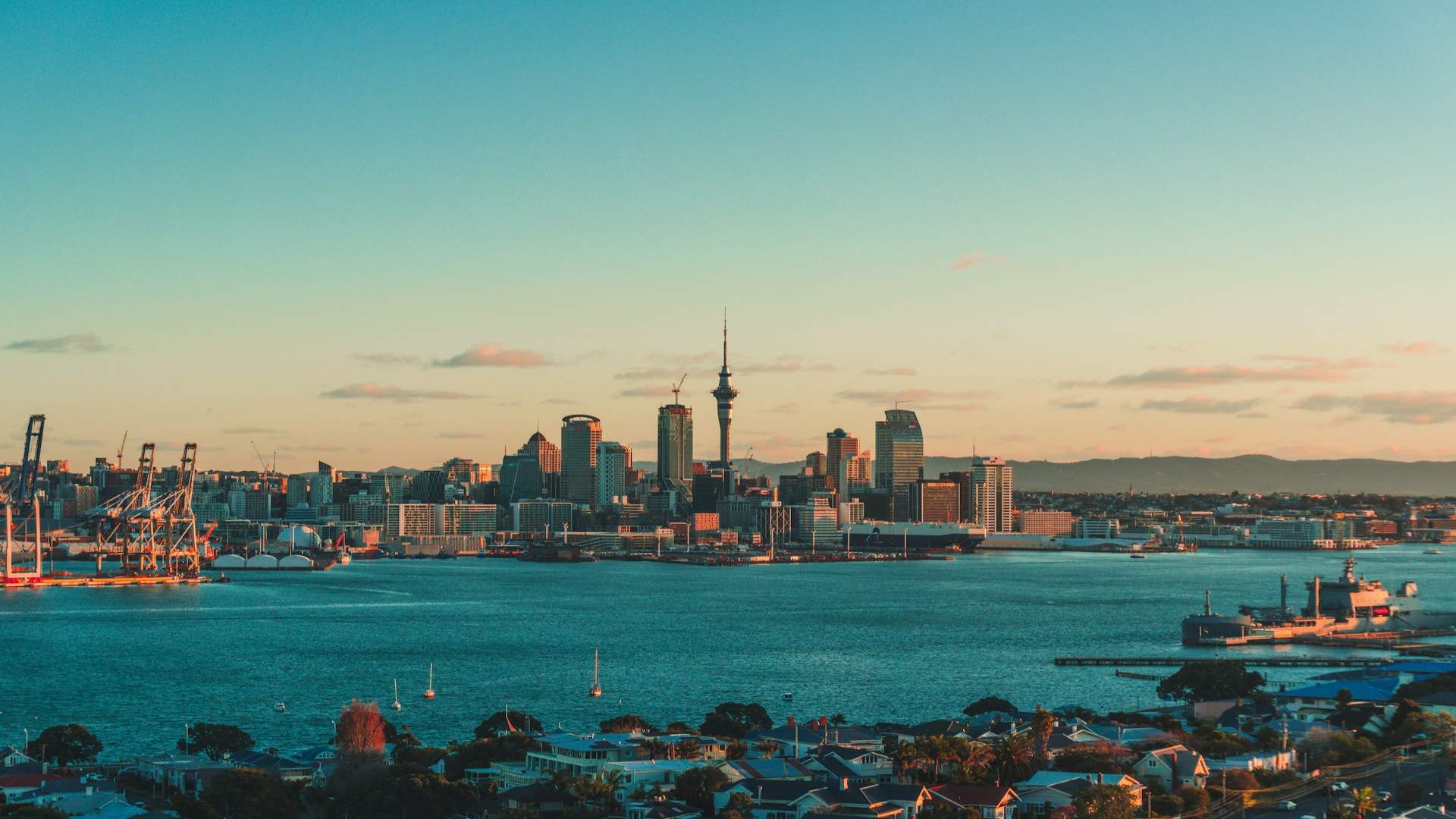
Auckland – The City That Sits on 53 Sleeping Volcanoes and Never Lets You Forget It
Auckland is built on a volcanic field that last erupted 600 years ago and could wake up tomorrow — and somehow that makes everything more beautiful. Black-sand beaches pound with Pacific surf ten minutes from skyscrapers, perfect volcanic cones rise like giant green cupcakes from suburbs, and every view includes water: the Hauraki Gulf glittering with sailboats, the Tasman Sea roaring on the west coast, and two harbours that turn molten gold at sunset. The air smells of salt, flat whites, and manuka smoke from weekend barbecues. Māori carvings guard modern cafés, Pacific Islanders outnumber everyone, and the skyline is a friendly competition between the Sky Tower and Rangitoto’s perfect cone. This is the world’s most liveable city that still feels like it’s on the edge of the world — relaxed, diverse, and secretly wild.
Top Activities and Experiences in Auckland
These are the moments that taste like flat whites and pure freedom.
Sunrise Walk Up Mount Eden
Drive or walk to the highest natural point at 6 a.m., stand inside a 50-metre-deep crater while the city wakes up below and the volcanoes line up like sleeping giants.
Ferry to Waiheke Island at Golden Hour
35 minutes across sparkling water to vineyards, beaches, and the best fish & chips in the Southern Hemisphere while the city skyline shrinks behind you.
Sky Tower Jump or Walk (if you dare)
Base jump from 192 m or walk the outside ledge at 328 m while the entire North Island spreads below like a relief map.
Piha Beach at Sunset
Drive 45 minutes west to black sand that sparkles with iron, surf that roars like lions, and Lion Rock glowing red while the Tasman Sea swallows the sun.
Devonport & North Head at Twilight
12-minute ferry to Victorian villas, secret WWII tunnels, and the best view of the skyline glowing across the Waitematā Harbour.
Coffee Crawl in Ponsonby or Karangahape Road (K’ Road)
Auckland has more cafés per capita than anywhere else — start at Allpress, continue through every suburb until you’re vibrating from caffeine and happiness.
Ready for Volcanoes, Flat Whites, and Island Sunsets?
Auckland doesn’t just welcome you — it reminds you the world is bigger, wilder, and more beautiful than you thought. Kia ora — welcome to the City of Sails!
Frequently Asked Questions (FAQs) About Auckland
What are the absolute must-do experiences in Auckland?
The absolute must-do experiences are sunrise on Mount Eden, ferry to Waiheke at golden hour, Sky Tower jump or walk, sunset at Piha Beach, Devonport at twilight, and a serious coffee crawl in Ponsonby or K’ Road.
How many days should I spend in Auckland?
You should spend three to five days — two for the city and islands, one or two for west-coast beaches and volcanoes, and extra days because you’ll never want to leave.
When is the best time to visit Auckland?
The best time is December–March (summer, long days, festivals) or September–November (spring, jacarandas blooming, fewer crowds). Winter is mild but wet.
Is Auckland expensive?
Yes — similar to Sydney or London. But public transport is cheap, beaches are free, and coffee culture keeps you full for $6.
Where should I stay in Auckland?
Ponsonby or Britomart for food and nightlife, Viaduct Harbour for views, Devonport for quiet charm, or Waiheke for island luxury.
Can I see volcanoes everywhere?
Yes — 53 of them. Mount Eden, One Tree Hill, Rangitoto, and North Head are the most dramatic. The city literally grew between craters.
Best beaches near Auckland?
Piha and Muriwai (wild west coast, black sand), Mission Bay and Takapuna (calm east coast), or ferry to Waiheke or Rangitoto for island perfection.
Is public transport good?
Trains and ferries are excellent; buses are okay. Get an AT HOP card. Uber and taxis fill the gaps.
Best food in Auckland?
Fish & chips on any beach, dumplings in Dominion Road “eat street”, Pacific Island food at the Otara Markets, and anything from a food truck.
Can I do a day trip to Hobbiton or Waitomo?
Yes — both are 2–2.5 hours away. Private tours or rental car recommended.
Is Auckland safe?
Very — one of the safest big cities in the world. Standard precautions apply at night in the CBD.
Where’s the best view?
Sky Tower at sunset, Mount Eden at sunrise, or the ferry back from Devonport at blue hour when the skyline lights up like diamonds.
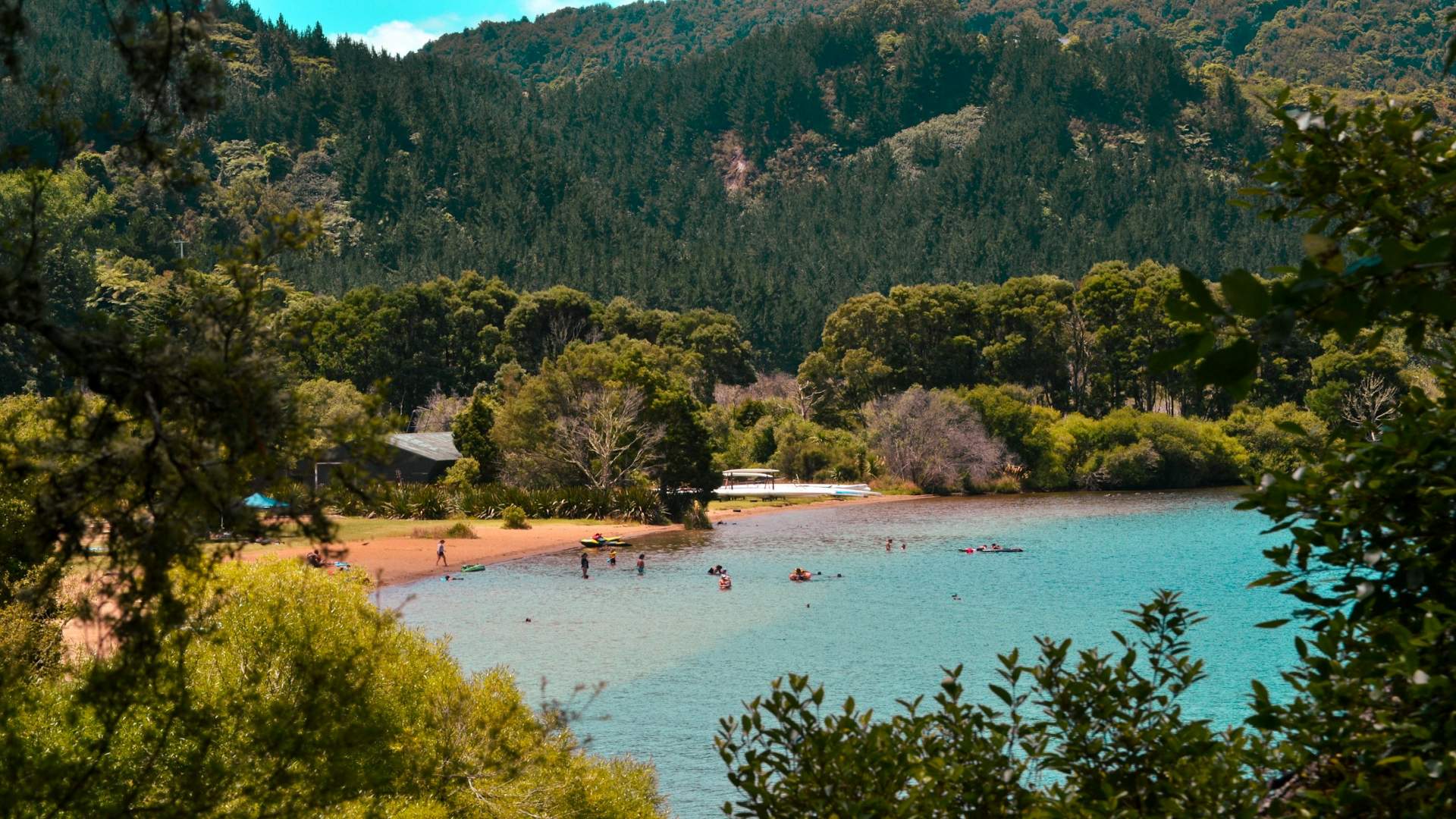
Rotorua – The City That Bubbles, Burps, and Welcomes You with a Hāngī
Rotorua smells like the Earth itself is cooking dinner — sulphur steam rises from cracks in the pavement, mud pools plop like giant chocolate pots, and geysers shoot 30 metres into the sky like nature’s fireworks. Māori culture is not a show here, it’s the heartbeat: hāngī feasts steam underground, carvers shape pounamu with centuries-old techniques, and every welcome begins with a hongi that presses noses and shares breath. By day you soak in mineral pools that heal everything from arthritis to bad decisions; by night you watch poi dancers whirl fire under starlit marae. This is the geothermal capital of New Zealand, the cultural capital of Māori life, and the one place on Earth where the ground literally talks back to you.
Top Activities and Experiences in Rotorua
These are the moments that taste like hāngī and pure geothermal steam.
Pōhutu Geyser Eruption at Te Puia
Watch the world’s most reliable geyser blast 30 m high while steam clouds drift over carved meeting houses and kiwi birds forage in the shadows.
Māori Hāngī Feast & Concert at Mitai or Te Pā Tū
Eat chicken and lamb steamed underground for hours, then watch warriors paddle a waka on the river while fire poi dancers light up the night.
Mud Bath & Hot Pool Soak at Hell’s Gate or Polynesian Spa
Slather yourself in warm geothermal mud that makes your skin glow, then sink into mineral pools while steam rises around you like a natural sauna.
Wai-O-Tapu Thermal Wonderland at Opening
Walk through a rainbow of geothermal colours — the Champagne Pool’s orange rim, Devil’s Bath neon green, and bubbling mud that sounds like a giant’s stomach.
Redwoods Treewalk at Twilight
Swing between 120-year-old California redwoods on suspension bridges while lanterns glow below and the forest smells like Christmas.
Zorbing Down a Hill
Roll downhill inside a giant inflatable ball filled with water — the most ridiculous, hilarious, and uniquely Kiwi thing you’ll ever do.
Ready for Geysers, Hāngī, and Geothermal Mud Facials?
Rotorua doesn’t just show you the Earth’s power — it lets you bathe in it, eat from it, and feel it rumble under your feet. Kia ora — welcome to New Zealand’s geothermal heart!
Frequently Asked Questions (FAQs) About Rotorua
What are the absolute must-do experiences in Rotorua?
The absolute must-do experiences are watching Pōhutu Geyser at Te Puia, Māori hāngī feast and concert, mud bath and hot pool soak, Wai-O-Tapu at opening, Redwoods Treewalk at twilight, and zorbing down a hill.
How many days should I spend in Rotorua?
You should spend three to four days — one for geothermal parks, one for Māori culture and evening show, one for adventure activities, and one for relaxation or Hobbiton day trip.
When is the best time to visit Rotorua?
The best time is September–November (spring, fewer crowds) or March–May (autumn colours). Summer is warm for water activities; winter is quiet and atmospheric.
Does the sulphur smell really bad?
Yes at first — like rotten eggs. You get used to it in a day and barely notice after that. It’s the smell of nature’s spa.
Where should I stay in Rotorua?
Lakefront for views (Pullman or Novotel), city centre for convenience, or geothermal luxury (Polynesian Spa apartments or Wai Ora Lakeside Resort).
Best Māori cultural experience?
Te Pā Tū (formerly Tamaki) or Mitai for hāngī and concert, Whakarewarewa Living Village for authentic day-to-day life with real residents.
Is zorbing safe?
Yes — the original and still the best. You’re inside a cushioned ball with water; it’s more fun than scary.
Best geothermal park?
Wai-O-Tapu for colours, Te Puia for geyser + culture, Hell’s Gate for mud baths, Waimangu for walking and boat cruise.
How do I get to Rotorua from Auckland?
Drive (3 h), InterCity bus (4 h), or domestic flight to Rotorua airport (40 min flight + transfer).
Is the water safe to soak in?
Yes at commercial pools — naturally heated and mineral-rich. Avoid swimming in uncontrolled hot springs.
Can I see kiwi birds?
Yes — Rainbow Springs or Te Puia nocturnal houses have excellent kiwi encounters.
Is Rotorua family-friendly?
Very — zorbing, luge, Māori shows, hot pools, and plenty of wildlife experiences for kids.
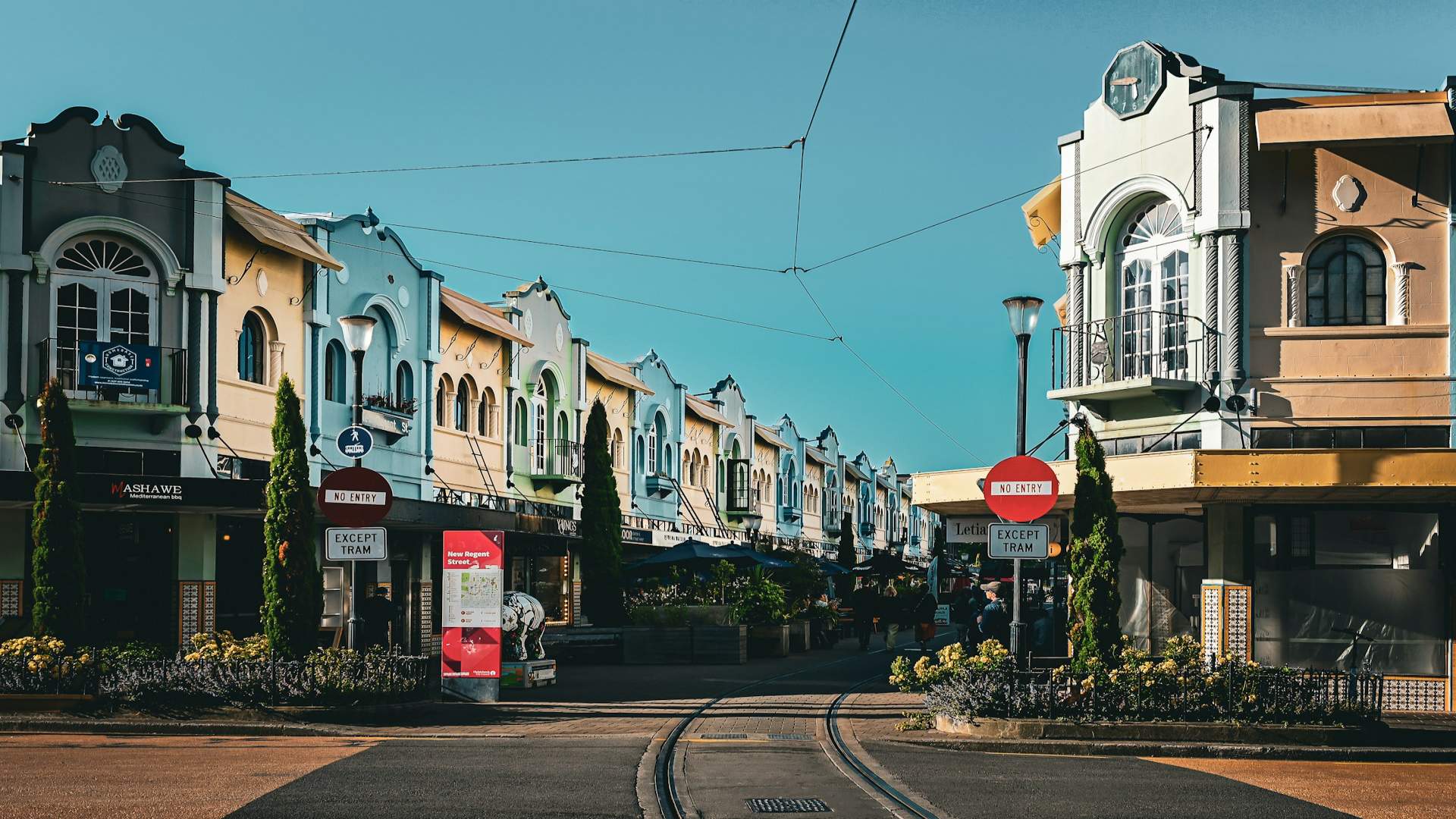
Christchurch – The City That Rebuilt Itself with Flowers and Hope
Christchurch is a city that turned heartbreak into beauty. After earthquakes shook it to the ground in 2011, it answered with gardens that bloom brighter than before, street art that turns rubble into rainbows, and a cardboard cathedral that became a symbol of unbreakable spirit. The Avon River winds lazily through the centre like a green ribbon, punts glide under willow trees heavy with spring blossom, and Hagley Park explodes with daffodils every September. Trams rattle past Victorian façades rebuilt brick by brick, the Port Hills glow gold every sunset, and the air smells of coffee, salt from the nearby Pacific, and the quiet determination of a city that refused to stay broken. This is the Garden City — resilient, creative, and so effortlessly lovely it makes you believe in second chances.
Top Activities and Experiences in Christchurch
These are the moments that taste like flat whites and pure renewal.
Punting on the Avon at Cherry Blossom Time
Glide under weeping willows dripping pink petals while a punter in a straw hat tells stories of earthquakes and rebirth, and ducks paddle alongside like old friends.
Sunrise Hot-Air Balloon Over the Canterbury Plains
Float above patchwork farms while the Southern Alps turn from purple to blazing white and the city spreads below like a model village just waking up.
Botanic Gardens & Hagley Park in Spring
Walk through 30 hectares of exploding colour — 250 rose varieties, cherry trees heavy with blossom, and peacocks strutting like they own the place.
Transitional (Cardboard) Cathedral at Golden Hour
Stand inside the world’s only cathedral made of cardboard tubes while stained glass throws rainbows across concrete floors and the late light turns everything sacred.
Street Art Walking Tour in the City Centre
Follow murals that rose from earthquake gaps — giant fantails, Māori portraits, and hopeful messages painted on walls that once fell down.
Sunset from the Port Hills (Cashmere or Summit Road)
Drive or cycle up to watch the city lights flicker on while the Pacific glimmers in the distance and the Southern Alps turn blood-red behind you.
Ready for Cardboard Cathedrals, Cherry Blossoms, and Earthquake Hope?
Christchurch didn’t just rebuild — it reimagined, and it wants you to feel every petal of its second spring. Kia ora — welcome to the Garden City reborn!
Frequently Asked Questions (FAQs) About Christchurch
What are the absolute must-do experiences in Christchurch?
The must-do experiences are punting on the Avon at cherry blossom time, sunrise hot-air balloon over the plains, Botanic Gardens in spring, golden hour inside the Transitional Cathedral, street art walking tour, and sunset from the Port Hills.
How many days should I spend in Christchurch?
You should spend three to four days — one for the city centre and gardens, one for the Port Hills and river, one for museums and street art, and one for day trips or pure relaxation.
When is the best time to visit Christchurch?
The best time is September–November (spring flowers and perfect weather) or February–April (warm, long days). July–August is cold but magical with snow on the Alps.
Is Christchurch fully rebuilt after the earthquakes?
Yes — the city centre is modern, vibrant, and full of new life. Some gaps remain as parks or art, but it feels hopeful rather than broken.
Where should I stay in Christchurch?
City centre for convenience (The Observatory Hotel, Distinction). Riverside for romance (The George or Chateau on the Park). Merivale for local vibe.
Best food in Christchurch?
Canterbury lamb at Twenty Seven Steps, craft beer and burgers at Pomeroy’s, high tea at The George, and the famous whitebait fritters in season.
How do I get from the airport to the city?
Purple airport bus ($8–9, 30 min), taxi/Uber ($45–60), or shuttle services.
Is the tram worth it?
Yes — the heritage tram loop is a charming way to see the central city and hop on/off at major sights.
Best day trips from Christchurch?
Akaroa (French village + dolphins, 1.5 h), Hanmer Springs (hot pools, 2 h), Arthur’s Pass (alpine village, 2 h), or Kaikoura (whales, 2.5 h).
Is Christchurch flat and bike-friendly?
Extremely — one of the flattest cities in New Zealand with excellent cycle paths. Rent a bike and explore Hagley Park and the river.
Where’s the best view?
Port Hills at sunset (drive to Summit Road), hot-air balloon at sunrise, or the gondola to the Port Hills restaurant.
Is Christchurch family-friendly?
Very — Margaret Mahy Playground (world-class), Orana Wildlife Park, Antarctic Centre, and endless parks.
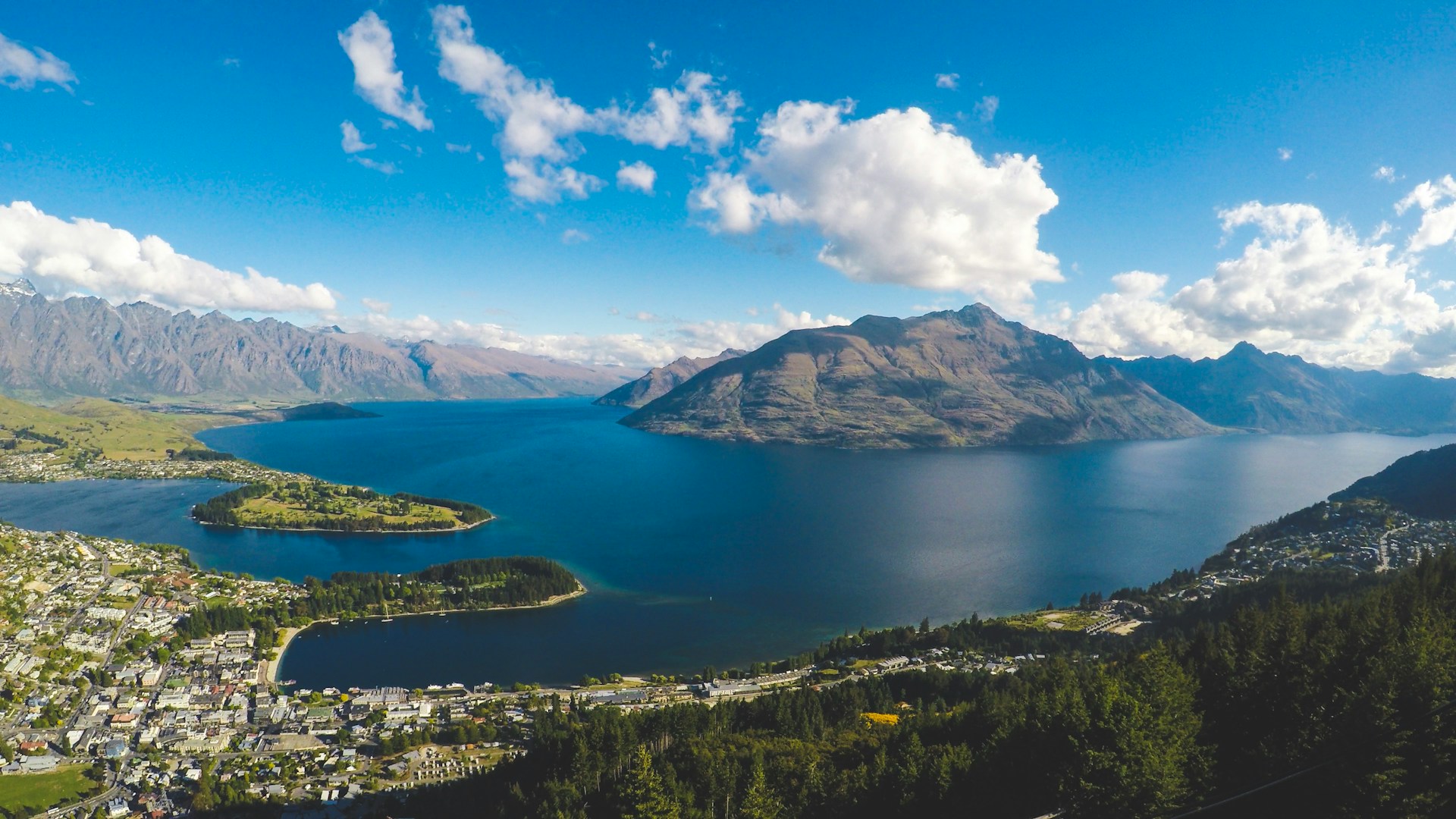
Queenstown – The Adventure Capital That Makes Your Heart Race and Your Camera Cry
Queenstown is built on pure, unfiltered adrenaline. Jagged, snow-capped Remarkables plunge straight into the electric-blue depths of Lake Wakatipu, paragliders drift like colourful birds above vineyards, and every second person you meet has just jumped off something high with a rubber band attached. By day the town buzzes with jet boats screaming up river canyons and bungy jumpers screaming even louder; by night it hums with wine bars pouring Central Otago pinot noir so good it should come with a warning label. This is the place where “I’ll try anything once” was invented, where sunsets paint the mountains rosé pink, and where the only thing more extreme than the activities is the beauty that makes you want to do them all.
Top Activities and Experiences in Queenstown
These are the moments that taste like pinot and pure fear.
Kawarau Bungy Jump at Golden Hour
Stand on the platform where commercial bungy began, stare 43 m down to the river, then leap while the Remarkables glow behind you like a movie poster.
Sunrise Gondola to Queenstown Hill
Ride up Bob’s Peak before the crowds, watch the first light explode across The Remarkables while the lake turns from black to blazing turquoise.
Jet Boat Through Shotover Canyon
Hold on while 1,000 horsepower spins you 360° inches from rock walls, the driver grinning like this is perfectly normal.
Glenorchy Drive at Magic Hour
Drive the most scenic 45 minutes in New Zealand — Lord of the Rings landscapes, snow peaks, and lakes so blue they look Photoshopped.
Fergburger at 2 a.m.
Join the queue that never ends for the Southern hemisphere’s most famous burger — juicy, messy, and worth every minute of the wait.
Milford Sound Day Trip at First Light
Drive or fly to the eighth wonder of the world while waterfalls plunge thousands of feet into mirror fjords and seals bask on rocks.
Ready for Bungy, Pinot, and Remarkables Sunsets?
Queenstown doesn’t just give you adventure — it makes you earn every breathtaking second. Kia ora — welcome to the world’s adventure capital!
Frequently Asked Questions (FAQs) About Queenstown
What are the absolute must-do experiences in Queenstown?
The must-do experiences are Kawarau bungy at golden hour, sunrise gondola ride, Shotover jet boat, Glenorchy drive at magic hour, 2 a.m. Fergburger, and a Milford Sound day trip at first light.
How many days should I spend in Queenstown?
You should spend four to seven days — two for town and adrenaline, two for scenic drives and wine, extras for Milford/Piopiotahi or Wanaka day trips.
When is the best time to visit Queenstown?
The best time is December–March for summer warmth and long days, or June–August for winter sports and snow on the mountains. September–November has lupins and fewer crowds.
Is Queenstown just for adrenaline junkies?
No — it’s also for wine lovers, foodies, photographers, and anyone who wants jaw-dropping scenery with a side of luxury. You can do zero adventure and still have the trip of your life.
Where should I stay in Queenstown?
Lakeside for views (Hilton, Sofitel), town centre for nightlife, Frankton for quiet, or Gibbston Valley for vineyard luxury.
Is Fergburger really that good?
Yes — the original location at 2 a.m. is a rite of passage. The Fergbaker next door does world-class pies for breakfast.
How do I get to Milford Sound?
Drive the most scenic road in NZ (4 h), coach tour with cruise, or scenic flight (35 min each way + cruise) for the ultimate experience.
Is Queenstown expensive?
Yes — one of the priciest in NZ. Budget travellers stay in hostels and cook; luxury travellers never want to leave.
Best wine region nearby?
Gibbston Valley (20 min) and Bannockburn/Cromwell (45 min) — world-class pinot noir. Arrowtown wineries are beautiful too.
Can I see snow in summer?
Yes — The Remarkables and Coronet Peak often have snow year-round on the highest ridges.
Is Queenstown safe?
Extremely — even late at night. Adventure activities have excellent safety records.
Where’s the best view?
Skyline Gondola at sunset, Queenstown Hill at sunrise, or helicopter to The Remarkables for the ultimate flex.
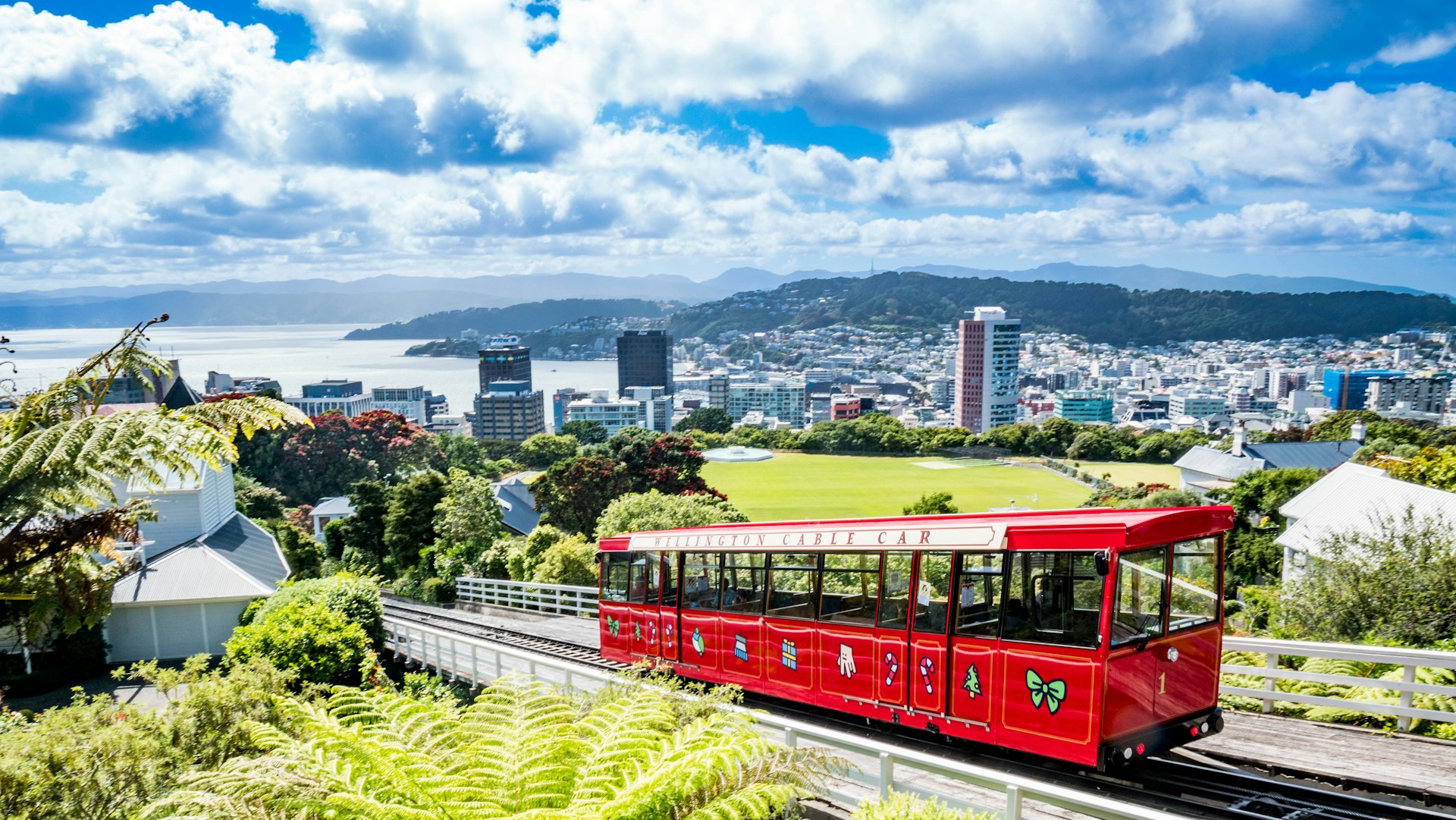
Wellington – The Cool Little Capital That Punches Way Above Its Weight
Wellington clings to the edge of a wild harbour like it’s daring the wind to blow it away — and the wind tries, constantly. Wooden Victorian houses painted every colour of the rainbow climb impossible hills, the red cable car rattles up to kelburn like a toy from 1902, and every second person you meet works in film, government, or coffee. The harbour reflects snow-capped mountains on clear winter days, craft-beer bars outnumber sheep (almost), and the entire city feels like a creative village that accidentally became the capital. This is the world’s windiest city, the coffee capital of the Southern Hemisphere, and the place where Peter Jackson turned a suburb into Middle-earth. Small, steep, and stupidly cool — Wellington doesn’t just tolerate weirdness, it demands it.
Top Activities and Experiences in Wellington
These are the moments that taste like flat whites and pure wind.
Sunrise from Mount Victoria Lookout
Drive or walk up at 6 a.m. while the city is still asleep and watch the first light explode across the harbour, turning Cook Strait molten gold and the South Island mountains purple in the distance.
Cable Car Ride + Botanic Gardens at Dusk
Rattle up the historic red funicular, wander through glow-worm dells and rose gardens, then watch the city lights flicker on while the Carter Observatory dome glows above you.
Te Papa Museum After the Crowds Leave
Visit at 4 p.m. when school groups vanish — stand under the colossal squid, feel the earthquake simulator shake the floor, and watch the sun set through floor-to-ceiling harbour windows.
Cuba Street at Golden Hour
Wander the bohemian heart while buskers play, bucket fountains splash, and every café terrace spills onto the street with the smell of fresh coffee and freedom.
Weta Workshop Tour
Step into the magic factory where Lord of the Rings was born — chainsaw-wielding artists, giant props, and the exact spot where Gollum’s eyes were perfected.
Seal Coast Safari at Sunset
Bounce along the wild south coast in a 4×4 while fur seals play in the surf and the sun drops behind Taputeranga Island like the end of the world.
Ready for Wind, Coffee, and Middle-Earth Magic?
Wellington doesn’t just blow you away — it invites you in, pours you a flat white, and dares you to keep up. Kia ora — welcome to the coolest little capital in the world!
Frequently Asked Questions (FAQs) About Wellington
What are the absolute must-do experiences in Wellington?
The must-do experiences are sunrise from Mount Victoria Lookout, cable car + Botanic Gardens at dusk, Te Papa Museum after crowds leave, golden hour on Cuba Street, Weta Workshop tour, and sunset seal coast safari.
How many days should I spend in Wellington?
You should spend three to four days — one for the city centre and Te Papa, one for Cuba Street and nightlife, one for Weta and film locations, and one for nature (Zealandia, south coast, or Kapiti Island day trip).
When is the best time to visit Wellington?
The best time is December–March for summer warmth and long evenings. September–November has spring flowers and fewer crowds. Winter is windy but dramatic with snow on the Tararuas.
Is Wellington really that windy?
Yes — it’s the windiest city on Earth by average speed. Bring layers and embrace it; the wind is part of the personality.
Where should I stay in Wellington?
Cuba Street or Courtenay Place for nightlife, Lambton Quay for business, Oriental Parade for harbour views, or Mount Victoria for quiet charm.
Best coffee in Wellington?
Flight Coffee Hangar, Customs Brew Bar, Peoples Coffee, or any of the 50+ independents — Wellington has more cafés per capita than New York.
Is Te Papa really free?
Yes — entry is free (some special exhibits charge). It’s one of the best museums in the world and worth at least half a day.
Can I do a Lord of the Rings tour?
Yes — Weta Workshop is the highlight, but many locations (Rivendell, Helm’s Deep gardens) are within day-trip distance.
Best food in Wellington?
Seafood at Ortega Fish Shack, dumplings at Dragons, craft beer at Garage Project, and anything from the weekend Harbourside Market.
How do I get from the airport to the city?
Airport Flyer bus ($12, 20 min), Uber/taxi ($30–40), or shuttle services.
Is Wellington walkable?
The flat centre yes, but the city is steep — use the cable car, buses, or embrace the hills for killer views.
Where’s the best view?
Mount Victoria at sunrise, the Terrace from the Botanic Gardens, or the top of the Beehive (Parliament tours when sitting).