

BulgariaPlaces to Visit
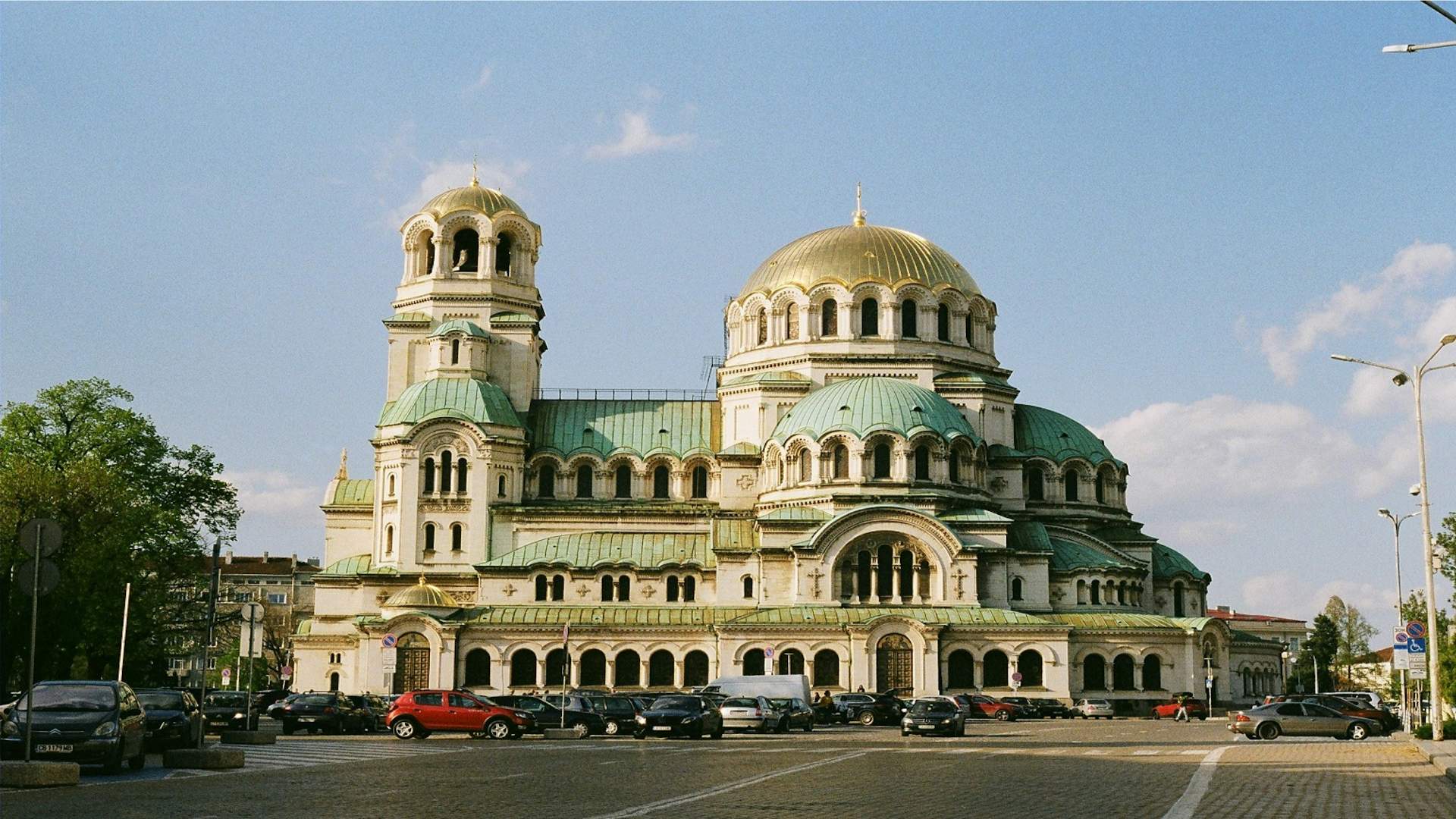
Sofia – City of Golden Domes & Living History
Sofia, Bulgaria’s 7,000-year-old capital cradled beneath the majestic dome of Vitosha Mountain, is a spellbinding tapestry where Thracian tombs lie beneath socialist boulevards, golden Orthodox domes blaze against snow-capped peaks, and steam rises from ancient mineral springs that still feed public fountains. With 1.3 million souls, it’s a city that wakes with the scent of warm banitsa drifting from corner bakeries, pulses with the clink of rakia glasses in hidden meyhana taverns, and falls silent under the midnight glow of Alexander Nevsky’s emerald roofs. From the crimson frescoes of Boyana Church (a UNESCO masterpiece) to the lively graffiti alleys behind Vitosha Boulevard, Sofia is Eastern Europe’s most underrated phoenix—raw, layered, and intoxicatingly alive.
Top Activities and Experiences in Sofia
Sofia, where Roman amphitheaters peek from beneath metro stations and golden icons shimmer in candlelit crypts, offers Byzantine basilicas, mountain hikes, and rakia-soaked nights. Whether you're tracing 4th-century mosaics at sunrise, soaking in 48°C thermal pools under the stars, or tasting rose-petal jam in a 19th-century mansion, Sofia wraps you in centuries of stories told through stone, steam, and song.
Marvel at Alexander Nevsky Cathedral at Sunrise
Stand beneath the 45-meter neo-Byzantine dome as the first light ignites 12 golden bells and 317 hand-painted frescoes. The crypt’s icon museum hides Europe’s largest Orthodox collection—silence is pierced only by distant chanting.
Walk the Free Sofia Tour (10am & 6pm daily)
Join passionate local guides for a 2.5-hour journey from Roman Serdika ruins to the Soviet Army Monument. Tips-based, storytelling-rich—ends with rakia recommendations.
Soak in Sofia’s Thermal Springs
Bathe like Romans did 2,000 years ago at the open-air Mineral Baths in Ovcha Kupel or the historic Central Mineral Baths (now a museum). Locals still fill bottles from street fountains—taste the iron-kissed water.
Shop & People-Watch on Vitosha Boulevard
Stroll the elegant pedestrian artery lined with Art Nouveau façades, chestnut trees, and outdoor cafés. At night, neon reflects on wet cobblestones; street musicians play chalga under the shadow of Vitosha Mountain.
Visit Boyana Church (UNESCO)
Enter the 10th–13th-century jewel at Vitosha’s foot. 1259 frescoes—considered predecessors of the Renaissance—glow with emotion so vivid they seem ready to speak. Only 10 visitors at a time; book ahead.
Hike or Cable-Car Vitosha Mountain
Ride the Simeonovo gondola to 1,800m, then trek to Black Peak (2,290m) or simply sip hot chocolate at Aleko Hut while watching paragliders dance above the city bowl.
Taste Traditional Meyhana Dinner
Book Hadjidraganovite Izbi—cellar tavern with clay pots, live folk music, and endless rakia toasts. Try kavarma stew and Shopska salad while musicians weave between tables.
Explore the Red Flat
Step into a perfectly preserved 1980s communist apartment. Retro furniture, propaganda posters, and a working rotary phone—surreal time capsule with audio stories from former residents.
Discover Street Art in the Jewish Quarter
Wander Kapana district’s colorful alleys where murals of Tsar Samuil and modern graffiti coexist. Stop at Social Club for craft beer among painted walls.
Visit Sveta Sofia Church & Roman Ruins
Enter the 6th-century brick basilica that gave the city its name. Beneath lies a necropolis and 4th-century mosaics—lamps flicker on ancient tombs while pigeons coo overhead.
Attend an Opera or Ballet at Sofia Opera House
Tickets from €10 for world-class performances in a neo-classical palace. Chandeliers glitter above red velvet; locals dress to impress.
Snowboard or Ski Vitosha (Dec–Apr)
Europe’s only capital with ski runs 20 minutes from downtown. Night skiing under floodlights with the city sparkling below is pure magic.
Drink Craft Beer at 100 Beers of Sofia
Hidden courtyard bar with Bulgarian microbrews and live jazz. Order the smoked beer and truffle fries—perfect after a day of ruins and rakia.
Day Trip to Rila Monastery (UNESCO)
Bus 2 hours south to the 10th-century masterpiece cradled by pine forests. Rainbow frescoes cover every inch—monks still chant in the candle-scented church.
Sunset at the Largo
Watch the yellow-brick communist headquarters turn molten orange. The former Party House now hosts art exhibits; guards still march in perfect unison.
Ready to Explore More?
Discover the best places to visit in Bulgaria and craft your Balkan itinerary. Click here to uncover golden treasures across the Land of Roses!
Frequently Asked Questions (FAQs) About Sofia
What are the top things to do in Sofia?
Alexander Nevsky sunrise, Free Sofia Tour, thermal baths, Vitosha hike, meyhana dinner.
What are the must-visit places?
Alexander Nevsky, Boyana Church, Sveta Sofia, Roman Serdika, Vitosha Mountain.
When is the best time to visit Sofia?
Spring (Apr–Jun) for blossoms; autumn (Sep–Oct) for golden leaves; winter for snow on golden domes.
What are the best things to see?
Golden domes blazing at dawn, Roman mosaics under glass streets, frescoed medieval churches, and Vitosha’s eternal silhouette define Sofia’s soul.
Which are the best day trips?
Rila Monastery, Plovdiv (Europe’s oldest continuously inhabited city), Buzludzha UFO monument.
Do you have a comprehensive Sofia guide?
Yes! Our guide covers history, thermal waters, rakia, and mountain escapes.
What are the top attractions?
Alexander Nevsky, Vitosha Boulevard, Boyana Church, Central Mineral Baths, The Red Flat.
What are the best family activities?
Vitosha cable car, Muzeiko children’s museum, Borisova Gradina park, Sofia Zoo.
Where can I find a Sofia tour guide?
Free Sofia Tour (tip-based), 365 Association private guides, or Balkan Bites food tours.
What are the top festivals?
Sofia Film Fest (Mar), Night of Museums (May), Sofia Pride (Jun), Christmas markets.
Where to stay in Sofia?
Luxury: Sense Hotel; boutique: Les Fleurs; budget: Hostel Mostel.
Is Sofia safe?
Very safe; normal city precautions, free tap water in many fountains, excellent metro.
What are some essential tips?
Carry leva cash, learn Cyrillic basics, book Boyana Church tickets online, try banitsa for breakfast.
What are the best places to eat?
Hadjidraganovite Izbi (traditional), Made in Home (modern), Rainbow Factory (vegan).
Is Sofia safe for women travelers?
Yes; vibrant café culture, well-lit streets, join group walking tours.
What are some must-try experiences?
Nevsky crypt icons, thermal spring water, rakia toast in a meyhana, Vitosha sunset, Red Flat nostalgia.
How can I book a tour?
Via GetYourGuide for Rila Monastery combos, food walks, and communist legacy tours.
What are some offbeat things to do?
Buzludzha UFO by drone, Soviet sculpture park, underground Roman amphitheater bar crawl.
What should I pack?
Layers (temperature swings), comfy shoes for cobblestones, reusable bottle for mineral water.
Is there a cherry blossom festival?
Spring explodes with lilac and chestnut blossoms along boulevards; no official festival, but pure romance.
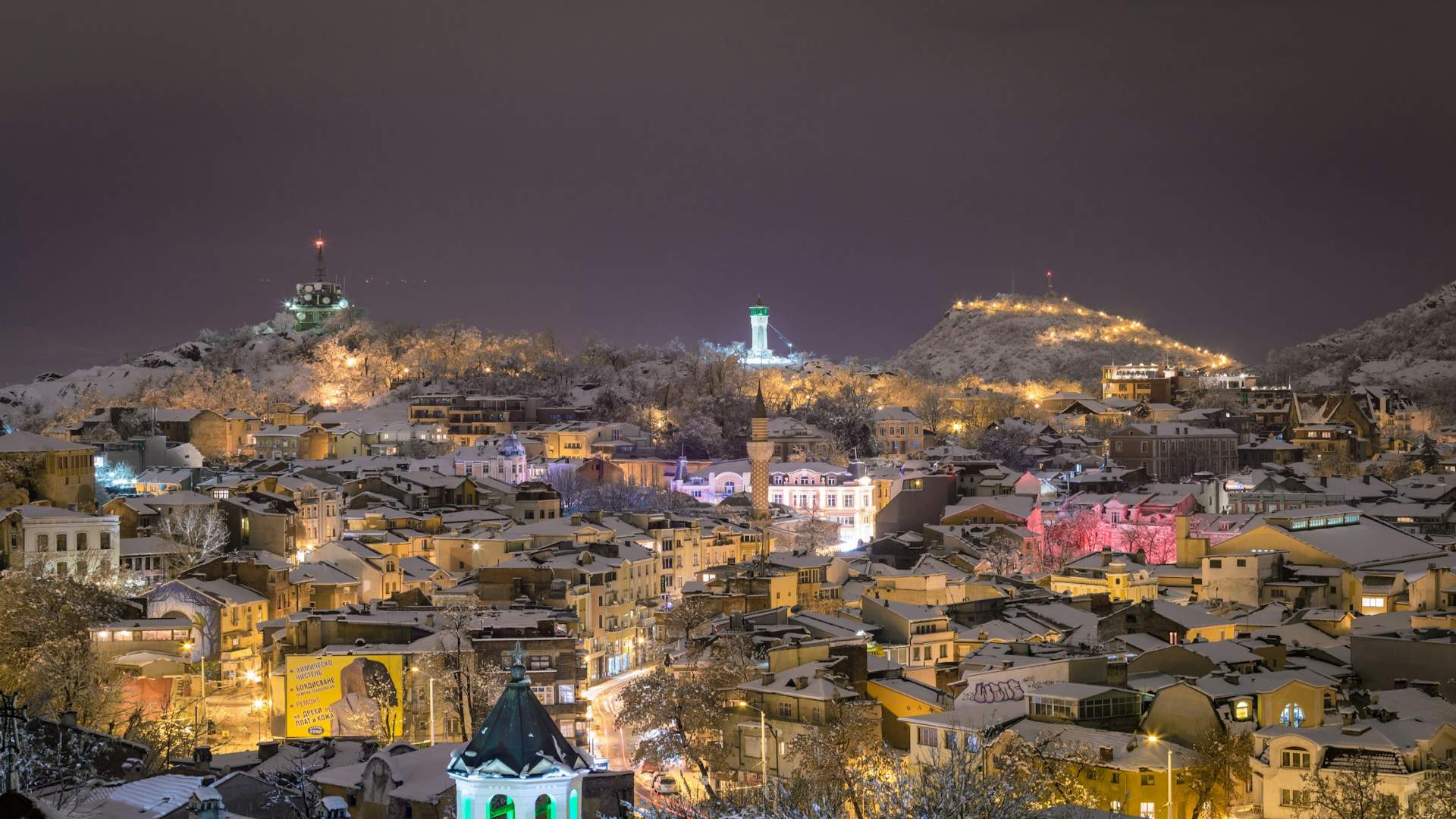
Plovdiv – Europe’s Oldest Living City
Plovdiv, Bulgaria’s soul-stirring second city, sprawls across seven syenite hills where Thracian kings once drank from golden cups, Roman legions marched beneath marble arches, and 19th-century merchants painted their mansions in every colour of the sunrise. Older than Rome, Athens, or Constantinople, this 8,000-year-old living museum was European Capital of Culture in 2019 and still hums with bohemian energy: pastel National Revival houses tumble down cobbled lanes, ancient theatres host opera under star-drenched skies, and the bohemian Kapana district pulses with craft beer, street art, and vinyl spinning until dawn. Drink mastika beneath fig trees heavy with fruit, watch the Maritsa River turn molten gold at sunset, and feel history breathe through every cracked fresco and laughing voice—Plovdiv is Bulgaria’s beating, multicoloured heart.
Top Activities and Experiences in Plovdiv
Plovdiv, where Roman marble gleams beside candy-coloured 19th-century palaces and graffiti blooms on Ottoman walls, offers sunset concerts in 2nd-century theatres, wine tastings in Thracian cellars, and nights that begin with rakia and end with sunrise over the Rhodope Mountains.
Catch a Performance at the Roman Theatre
Sit on 1,800-year-old marble seats where gladiators once roared—today opera, jazz, and ballet fill the perfect acoustics while the city twinkles below like scattered diamonds.
Wander the Old Town at Golden Hour
Lose yourself among pastel National Revival houses—lamppost-green, peach, lavender, and sky-blue—whose wooden bay windows overhang impossibly narrow cobbled lanes. Every corner hides a hidden courtyard café dripping with ivy.
Explore Kapana Creative District After Dark
Once a decaying maze of workshops, now Plovdiv’s beating bohemian heart: fairy-lit alleys, craft cocktail bars in former brothels, live DJs, and murals that change weekly.
Climb Nebet Tepe at Sunset
Scramble up the Thracian hill where the city was born 6,000 BCE. Byzantine fortress walls frame panoramic views as the seven hills blaze orange and church bells echo across the plain.
Visit the Ethnographic Museum
Step into the 1847 Kuyumdzhioglu House—creaking walnut floors, painted ceilings, and rooms bursting with embroidered costumes and rose-oil distillers. Feels like the merchant owner just stepped out.
Taste Thracian Wine in a Roman Stadium Cellar
Descend beneath the main street into ancient vaults where local mavrud and ruby-red wines are poured by candlelight—some cellars still have 2nd-century mosaics underfoot.
Discover Dzhumaya Mosque & Roman Stadium
Stand where the 2nd-century stadium once held 30,000 spectators—now half lies beneath modern shops, half proudly displayed beside the Ottoman mosque’s rose-pink minaret.
Day Trip to Bachkovo Monastery
Bus 30km into the Rhodopes to the 1083 monastery draped in wildflowers. 17th-century frescoes of the Last Judgement cover the refectory; monks sell homemade jam and honey.
Street Art & Craft Beer in Kapana
Follow ever-changing murals, then reward yourself at Cat & Mouse Brewing or KOTKA Bar—try the smoked porter while local artists sketch on tabletops.
Attend Opera Festival Verdi or Jazz Evenings
Summer nights under the stars in the Roman Theatre—Verdi arias soar while fireflies dance and the audience sips rose-petal liqueur.
Shop on Main Pedestrian Street (Knyaz Alexander)
Europe’s longest car-free street—lined with baroque façades, buskers, and ice-cream vendors selling rose & sour-cherry flavours.
Picnic on the Singing Fountains
Every evening the fountains dance to classical music in rainbow colours—spread a blanket, open a bottle of local mavrud, and watch children chase light beams.
Explore Alyosha Soviet Monument
Climb Bunardzhika Hill for 11-metre soldier statue and 360° views. At night it glows red—locals call it “the guardian of Plovdiv”.
Visit the Bishop’s Basilica of Philippopolis
Walk on glass above breathtaking 4th–6th-century mosaics of peacocks and geometric wonder—some of the finest outside Ravenna.
Sunset Rakia on Youth Hill
Buy a small bottle of grape rakia and join locals watching the city dissolve into purple haze while the Rhodopes turn ink-blue behind you.
Ready to Explore More?
Discover the best places to visit in Bulgaria and craft your timeless itinerary. Click here to uncover rainbow-coloured treasures across the Land of Roses!
Frequently Asked Questions (FAQs) About Plovdiv
What are the top things to do in Plovdiv?
Roman Theatre concert, Old Town sunset, Kapana nightlife, Nebet Tepe views, Ethnographic Museum.
What are the must-visit places?
Roman Theatre, Old Town, Kapana, Nebet Tepe, Bishop’s Basilica mosaics.
When is the best time to visit Plovdiv?
May–June (rose harvest) or September (wine harvest & golden light); avoid July–August heat.
What are the best things to see?
Rainbow revival houses tumbling down hills, 2nd-century marble theatre glowing at night, Thracian fortress ruins kissed by sunset, and endless layers of history under every footstep.
Which are the best day trips?
Bachkovo Monastery, Asen’s Fortress, Hissarya thermal spas, Thracian tombs near Kazanlak.
Do you have a comprehensive Plovdiv guide?
Yes! Our guide covers ancient theatres, bohemian nights, wine cellars, and hilltop sunsets.
What are the top attractions?
Roman Theatre, Old Town, Kapana district, Dzhumaya Mosque & Stadium, Ethnographic Museum.
What are the best family activities?
Singing Fountains, Rowing Canal park, Tsar Simeon Garden, Roman Stadium treasure hunt.
Where can I find a Plovdiv tour guide?
Free Plovdiv Tour (tip-based), 365 Association private walks, or Kapana food & wine tours.
What are the top festivals?
Opera Festival Verdi (Jun–Jul), Kapana Fest (Sep), Night of Museums (May), Wine & Food weekends.
Where to stay in Plovdiv?
Luxury: Ramada Princess; boutique: HillHouse; Old Town: Hebros Hotel.
Is Plovdiv safe?
Extremely safe—one of Europe’s safest cities; walk anywhere at night.
What are some essential tips?
Wear comfy shoes for hills, carry leva cash for small bars, try banitsa & ayran breakfast.
What are the best places to eat?
Pavaj (modern Bulgarian), Smokini (truffle heaven), Rahat Tepe (meze & live music).
Is Plovdiv safe for women travelers?
Yes; incredibly welcoming, vibrant nightlife, join group walking tours if desired.
What are some must-try experiences?
Roman Theatre opera under stars, Kapana craft cocktail crawl, Nebet Tepe sunset rakia, Old Town golden-hour wander.
How can I book a tour?
Via GetYourGuide for Thracian wine & tombs combos, Old Town walks, and Bachkovo trips.
What are some offbeat things to do?
Secret Soviet bunker tour, sunrise hot-air balloon over the hills, vinyl hunting in Kapana record shops.
What should I pack?
Comfy walking shoes, light scarf for churches, reusable bottle for free mineral fountains.
Is there a cherry blossom festival?
Spring turns the hills pink with wild almond & peach blossoms—no official festival, but pure poetry.
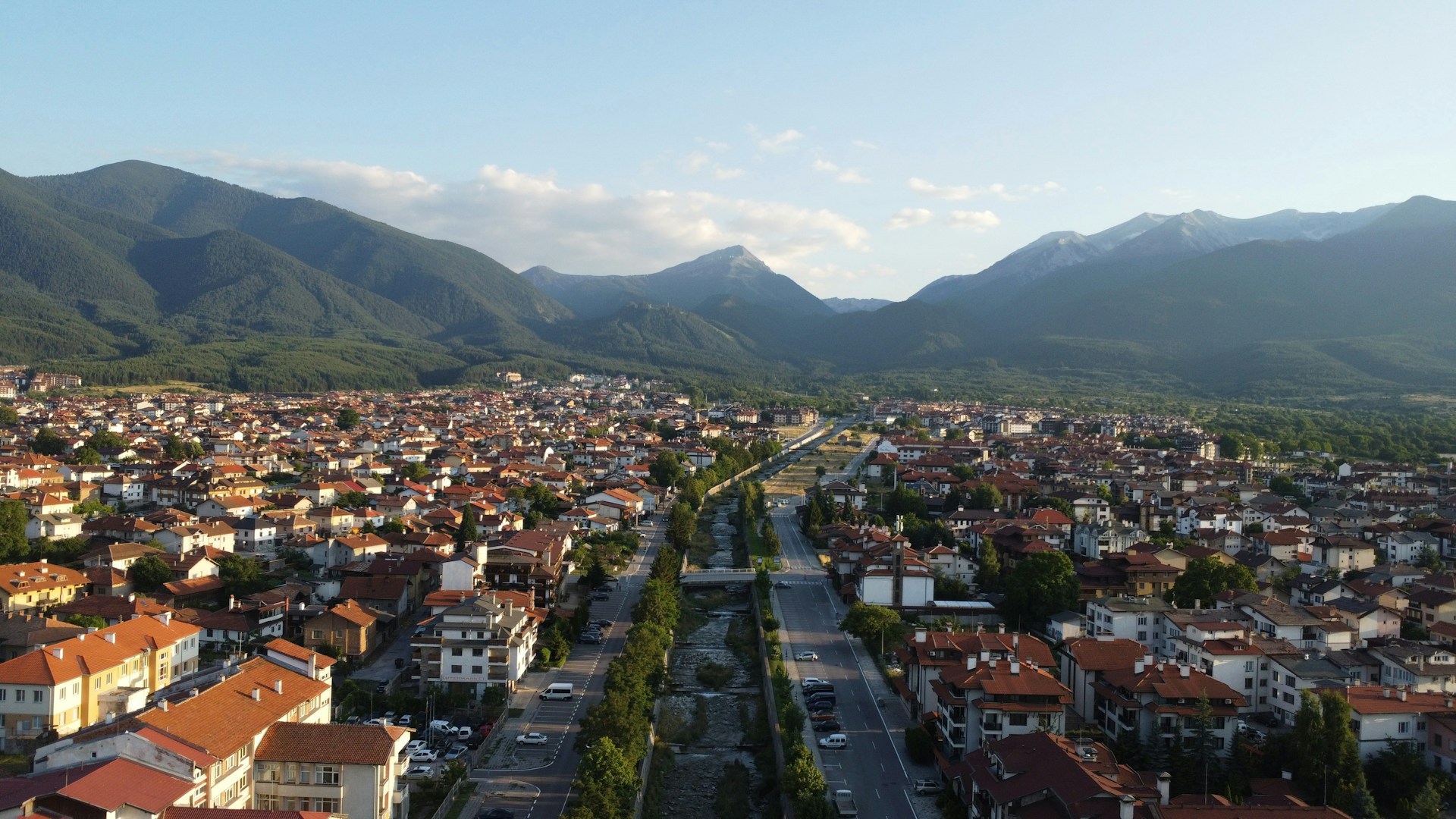
Bansko – Powder & Pine Smoke in the Pirin
Bansko, Bulgaria’s premier mountain jewel, lies cradled at 925 m beneath the jagged marble teeth of Pirin National Park (UNESCO), where 180 km of groomed pistes tumble through ancient pine forests and the air smells of wood-fired kebapche and mulled wine. By day, powder hounds carve beneath 2,914 m Todorka Peak; by night, the cobbled old town glows amber with lantern-lit meyhana taverns where grandfathers toast with fiery rakia and live gajda music rattles the rafters until dawn. From thermal springs steaming in the snow to rescued dancing bears now roaming free, Bansko is Eastern Europe’s perfect marriage of adrenaline, tradition, and soul-warming hospitality—where the lifts close at 4:30 pm and the real party is just beginning.
Top Activities and Experiences in Bansko
Bansko, where the first gondola ride at 8:15 am reveals a sea of untouched powder and the last meyhana song fades at sunrise, offers world-class skiing, UNESCO heritage, and evenings that taste of smoked pork and pine resin.
Ski or Snowboard Pirin’s 75 km of Runs
Ride the 25 km of red and black pistes from Todorka—powder stashes last days after storms. Night skiing on illuminated Banderitsa run until 10 pm is pure magic.
Soak in Outdoor Thermal Pools
Bathe in 38–42°C mineral springs while snowflakes melt on your eyelashes. Banya village (8 km away) has a dozen open-air pools—try the one with the ice-cold plunge barrel.
Feast in a Traditional Meyhana
Book a table at Dedo Pene or Five M—clay pots of sizzling sach, endless rakia shots, and folk singers who pull you into the horo circle dance until the table collapses.
Wander the UNESCO Old Town at Twilight
Cobblestones crunch underfoot past 18th–19th-century stone houses, fortified churches, and lantern-lit taverns. The scent of burning beech wood drifts from every chimney.
Visit the Dancing Bears Park
Meet rescued brown bears at Belitsa Sanctuary (40 min drive). Watch them play in 12 hectares of forest—your entry fee buys honey and fruit for life.
Hike or Snowshoe Pirin in Winter
Strap on snowshoes to frozen lakes like Popovo or take the summer chairlift to Bezbog Hut for 360° marble-peak views and hot bean soup.
Après-Ski at Happy End or Amigo Bar
Start with mulled wine on the snow-covered terrace, then dance on tables as the DJ drops chalga remixes—Bansko’s legendary party scene.
Day Trip to Rila Monastery (summer) or Dobarsko Church
Drive 1.5 hours to the painted masterpiece in the clouds or visit the tiny 17th-century church with frescoes some claim depict Jesus in a rocket.
Ice Skating on the Olympic Rink
Twirl under floodlights in the town centre while locals sip boza from paper cups—cheap, cheerful, and perfectly Bulgarian.
Summer Mountain Biking or Hiking
When the snow melts, Pirin explodes green—trails to Vihren Peak (2,914 m) or the turquoise lakes of Polezhan reward with wild strawberries and edelweiss.
Bansko Jazz Festival (August)
World-class acts play free on the main square—bring a blanket, a bottle of mavrud, and dance barefoot until 3 am.
Learn to Cook Banitsa & Snézhanka Salad
Join a morning class in a 150-year-old house—roll phyllo until your fingers smell of sirene cheese forever.
Snowkiting on Vihren Plateau
Let the wind drag you across frozen lakes at 2,000 m—few places in Europe offer such wild, open space.
Sunset Rakia on Shiligarnika Terrace
At 2,000 m altitude, sip grape rakia while the Pirin turns blood-red—ski down the last run with a head full of fire.
Visit Holy Trinity Church
Step inside the 1835 stone church with its carved iconostasis and secret tunnel used by revolutionaries—bells echo across the valley every evening.
Ready to Explore More?
Discover the best places to visit in Bulgaria and carve your Pirin itinerary. Click here to chase powder and pine-smoked nights across the Balkans!
Frequently Asked Questions (FAQs) About Bansko
What are the top things to do in Bansko?
Ski Pirin, thermal pools in snow, meyhana nights, UNESCO old town, Dancing Bears Park.
When is ski season?
Mid-December to mid-April; best snow January–March.
Is Bansko good for beginners?
Yes—long blue runs, English-speaking instructors, and cheap lift passes (€35/day).
When is the best time to visit in summer?
July–August for hiking; June for wildflowers; September for wine harvest.
Where are the thermal pools?
Banya village (8 km), Dobrinishte (15 km), or luxury hotels like Kempinski Grand Arena.
Where to stay in Bansko?
Ski-in: Kempinski Grand Arena; boutique: Momini Dvori; budget: family guesthouses in old town.
Is Bansko safe?
Extremely safe—one of Europe’s safest ski towns.
How to get from Sofia to Bansko?
2.5-hour scenic drive or cheap shuttle buses (€12–15).
What are the best meyhana restaurants?
Dedo Pene, Five M, Hadji Rousi—book ahead in peak season.
Is English widely spoken?
Yes—ski schools, bars, and most restaurants are fluent.
Can I see bears?
Yes—at Belitsa Dancing Bears Park (rescued bears, not performing).
What to pack for winter?
Layered ski gear, goggles, thermos for rakia, good boots for icy cobblestones.
Is there nightlife beyond après-ski?
Yes—old town meyhana until sunrise, plus modern clubs like Oxygen and Jack’s House.