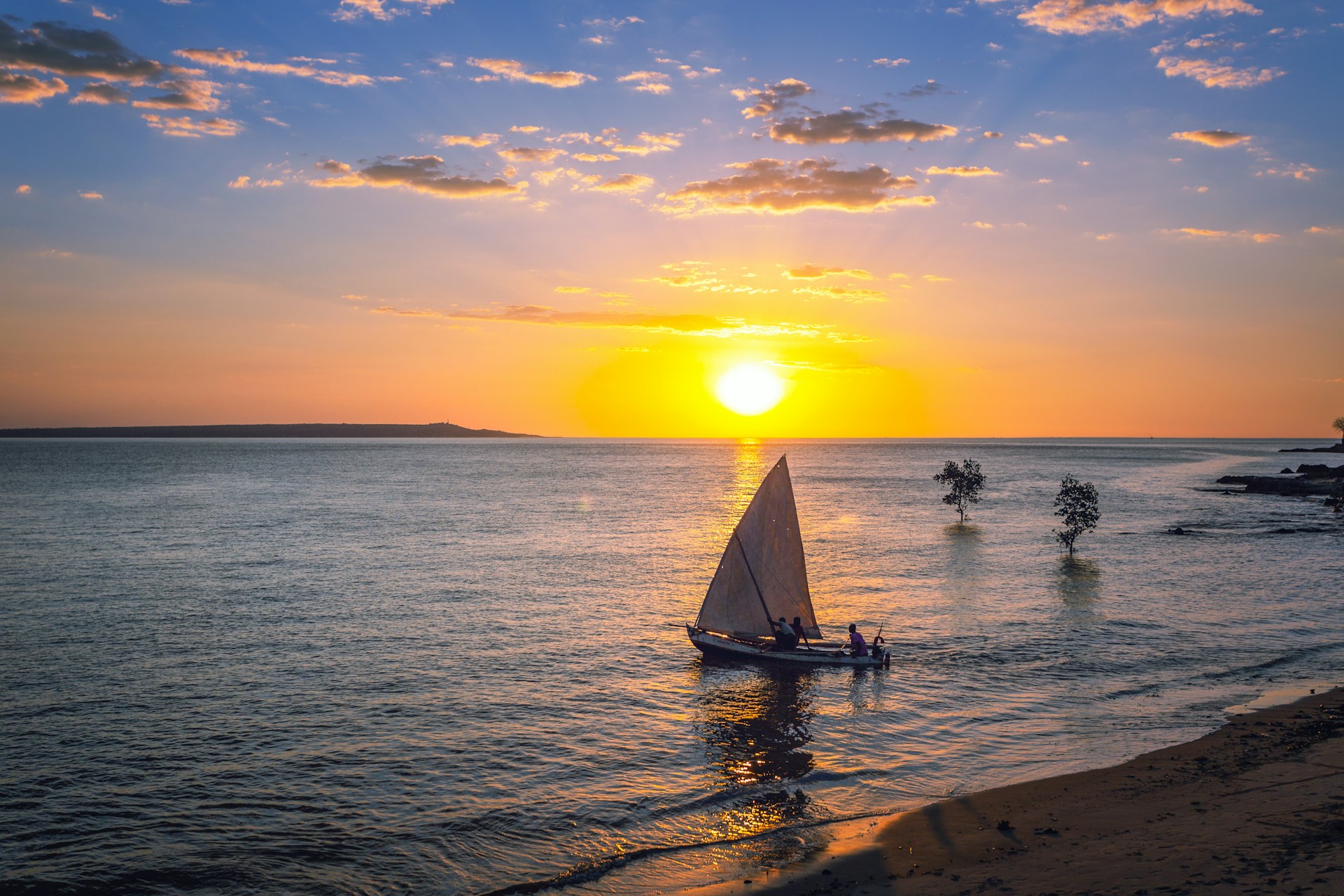

MadagascarBest Time to Visit
January - Lush Rainforests and Tropical Serenity
January envelops Madagascar in the heart of its wet season, where torrential rains transform its rainforests into verdant wonderlands, teeming with life and perfect for eco-adventurers seeking serenity. Andasibe-Mantadia National Park bursts with lemur calls and blooming orchids, ideal for guided treks spotting the elusive indri. Nosy Be’s beaches, like Andilana, offer warm waters for snorkeling despite occasional showers. Antananarivo’s markets hum with local crafts and tropical fruits, while Ranomafana’s hot springs provide a soothing retreat. Key destinations include Andasibe, Nosy Be, Antananarivo, and Ranomafana. Weather in Madagascar in January is warm and wet, averaging 77-86°F (25-30°C), making it a prime choice for those pondering when is the best time to visit Madagascar for lush wildlife encounters and fewer crowds.
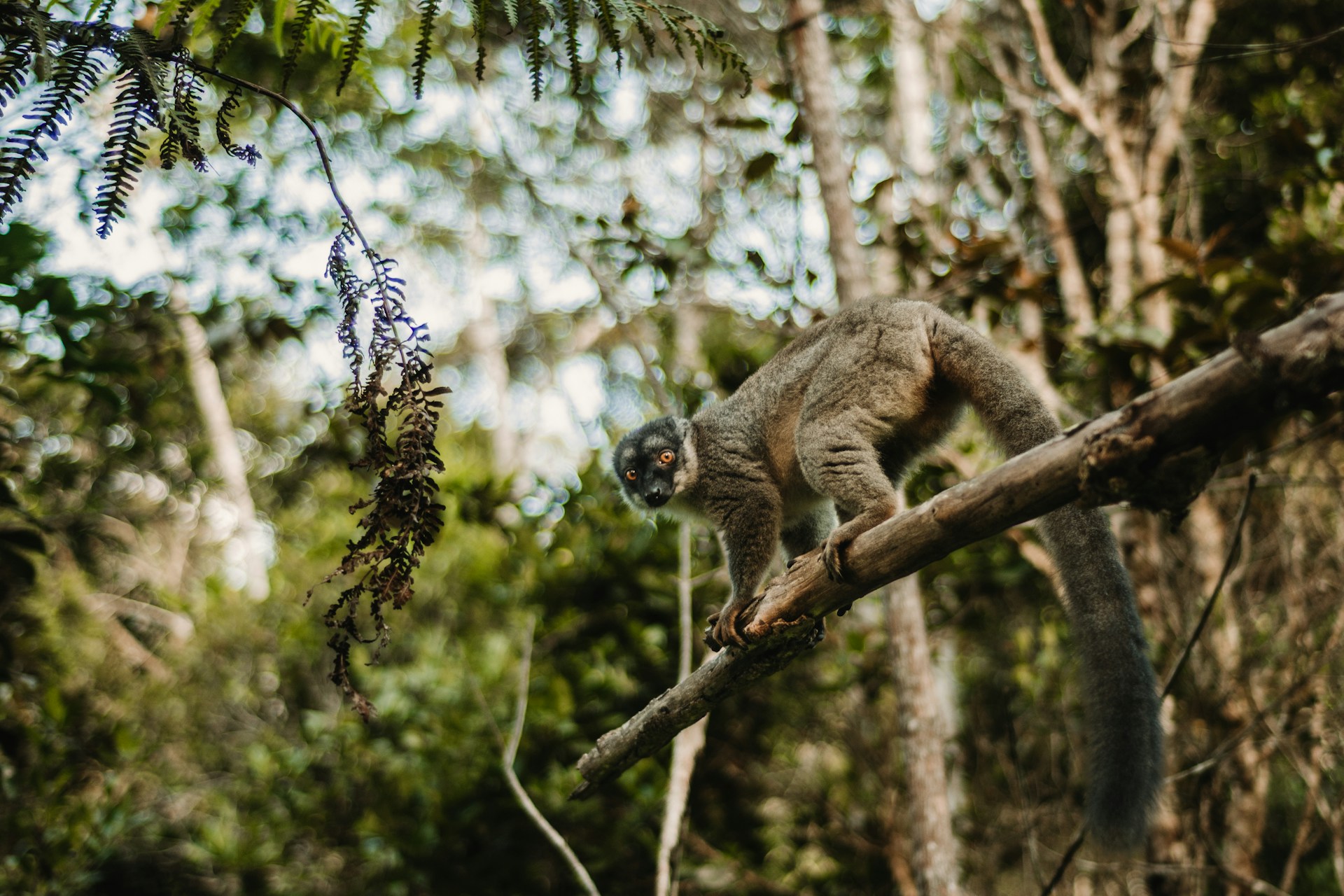
February - Romantic Rains and Cultural Vibrancy
February bathes Madagascar in a romantic, tropical glow, with rains enhancing its emerald landscapes, creating intimate settings for couples and cultural explorers. The Avenue of the Baobabs in Morondava glows under stormy skies, perfect for iconic sunset photography. Nosy Be’s resorts offer secluded beach escapes, with vibrant coral reefs for diving. Antananarivo’s Rova palace complex provides historical depth, while the Alahamady Be festival in the highlands celebrates the Malagasy New Year with music and dance. Suggested places include Morondava, Nosy Be, Antananarivo, and Ampefy. Weather in Madagascar in February hovers around 77-88°F (25-31°C), humid with frequent showers, making it one of the best times of year to visit Madagascar for romantic getaways and cultural immersion.
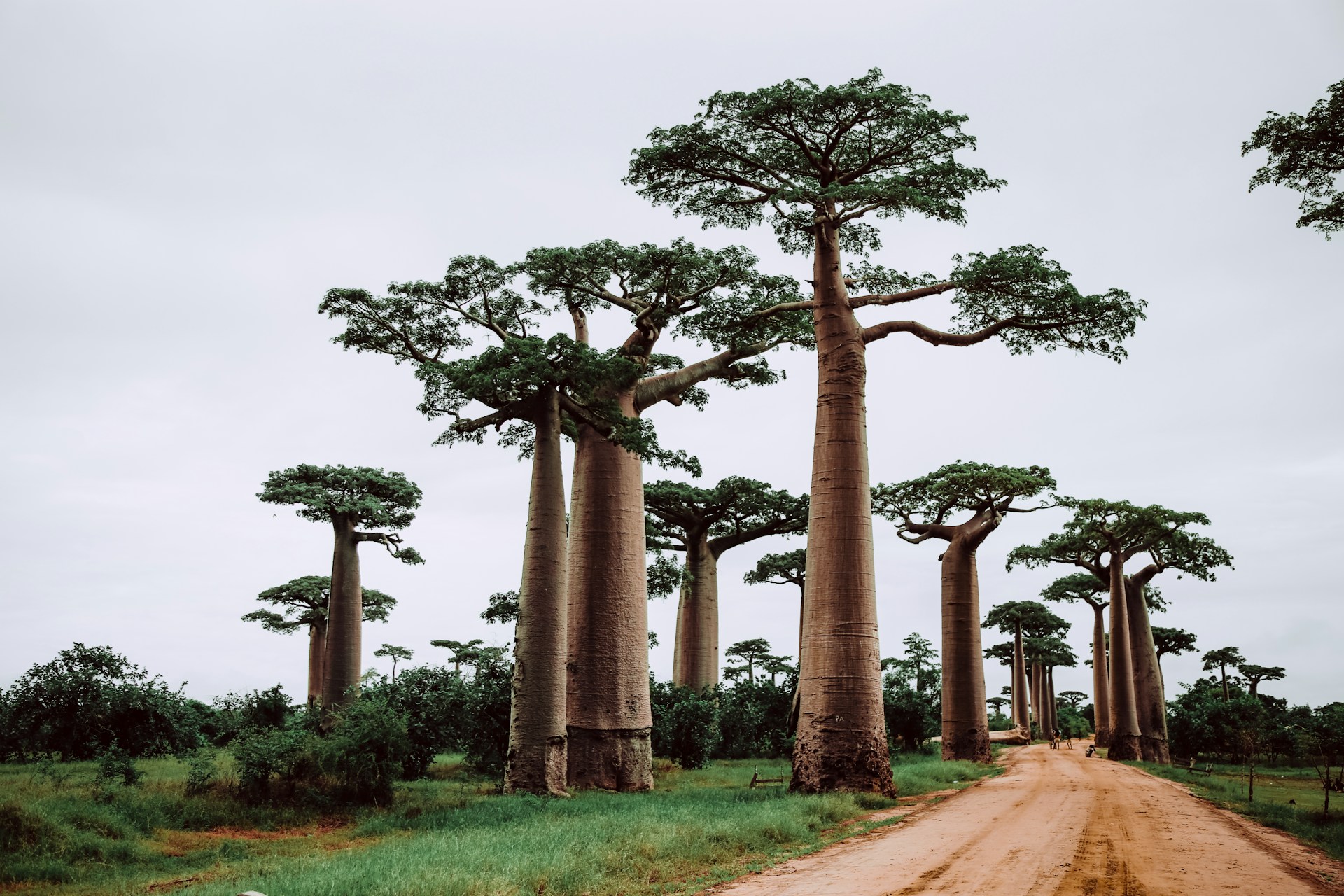
March - Verdant Jungles and Waterfall Wonders
March marks the wet season’s lush climax, with Madagascar’s rainforests and waterfalls at their most dramatic, offering a paradise for nature lovers and adventure seekers. Ranomafana National Park’s cascading falls and lemur-filled forests captivate, ideal for wildlife photography and hot spring dips. The Masoala Peninsula’s pristine rainforests teem with aye-ayes and vibrant birdlife, perfect for eco-treks. Fort Dauphin’s beaches offer a rainy-season coastal retreat. The rains enhance natural beauty, with fewer tourists. Key destinations include Ranomafana, Masoala, Fort Dauphin, and Andasibe. Weather in Madagascar in March ranges from 77-86°F (25-30°C), warm and wet, positioning it as a top period for travelers seeking the best season to visit Madagascar for rainforest adventures.
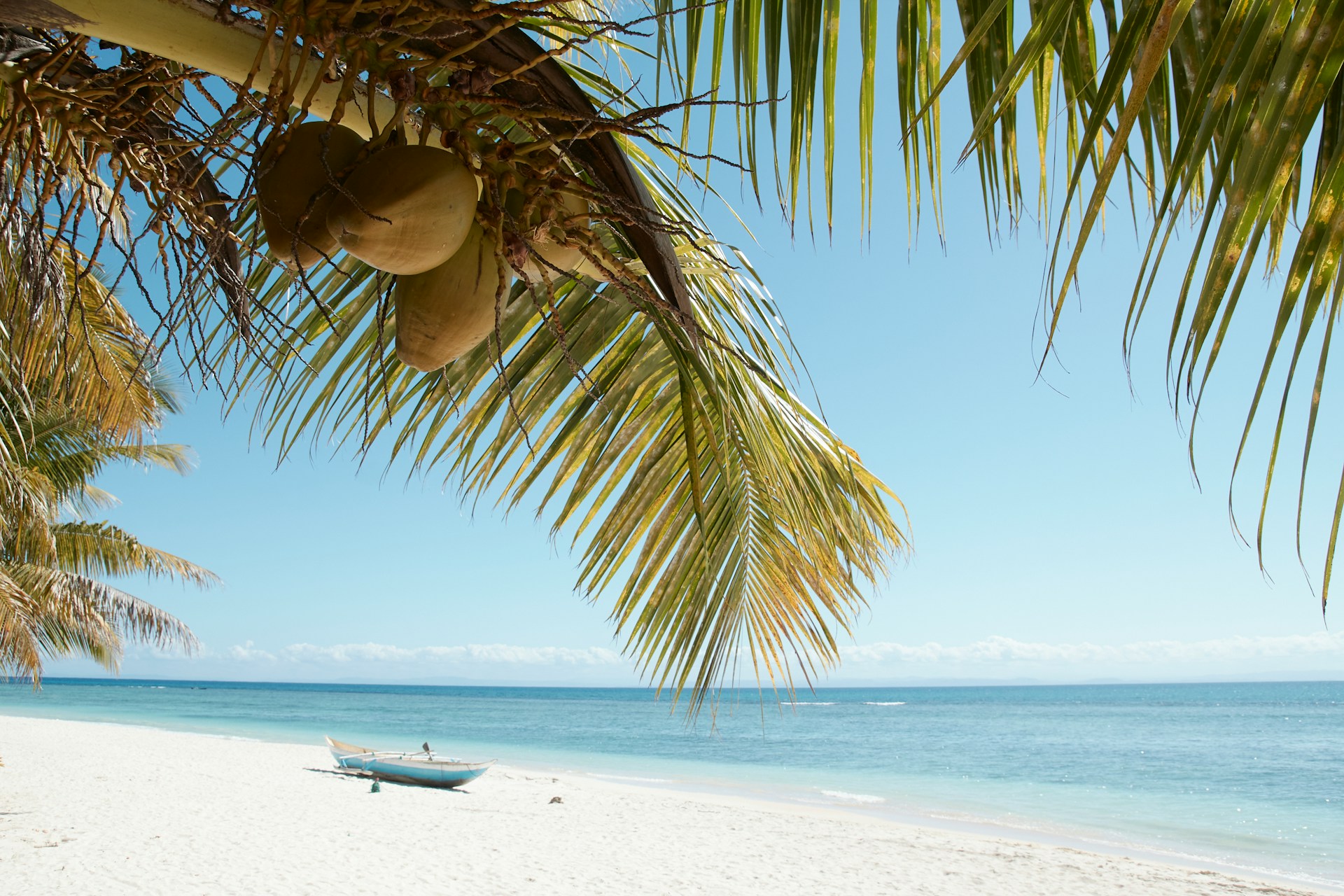
April - Transitional Tranquility and Coastal Charms
April ushers in a gentle shift from wet to dry season, with decreasing rains and warm, sunny days creating a serene backdrop for exploring Madagascar’s unique landscapes and coastal gems. Nosy Be’s clear waters and beaches, like Madirokely, shine for snorkeling and sailing. The Tsingy de Bemaraha’s limestone pinnacles offer surreal hiking experiences, while Antananarivo’s markets buzz with seasonal produce. The Donia Festival in Nosy Be brings vibrant music and dance. This shoulder season balances beauty and affordability. Visit Nosy Be, Tsingy de Bemaraha, Antananarivo, and Morondava. Weather in Madagascar in April is warm and increasingly dry, around 75-86°F (24-30°C), making it a splendid time for those wondering when is the best time to visit Madagascar for coastal and cultural experiences.
May - Dry Season’s Wildlife Wonderland
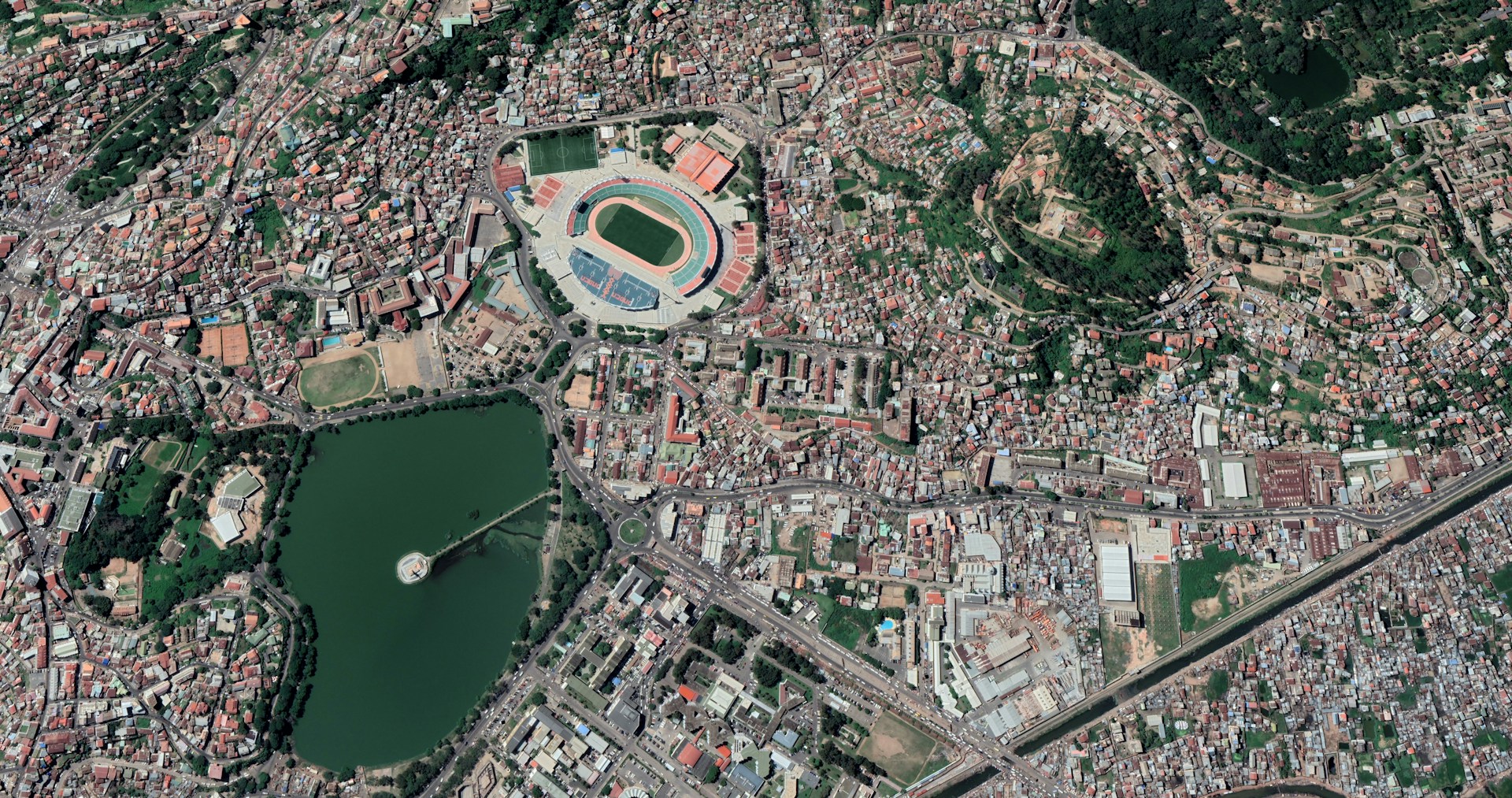
May unveils Madagascar’s dry season, with clear skies and warm temperatures igniting a season of wildlife adventures and vibrant biodiversity. Andasibe-Mantadia National Park’s lemurs, including sifakas and indris, are easily spotted in drier forests, perfect for guided treks. Nosy Be’s coral reefs dazzle divers with colorful marine life, while Ankarana Reserve’s caves and tsingy formations offer adventurous hikes. The low season ensures uncrowded parks and affordable stays. Key places include Andasibe, Nosy Be, Ankarana, and Ranomafana. Weather in Madagascar in May is warm and dry, averaging 73-84°F (23-29°C), making it the best time to visit Madagascar for wildlife spotting and eco-adventures.
June - Cool Breezes and Island Exploration
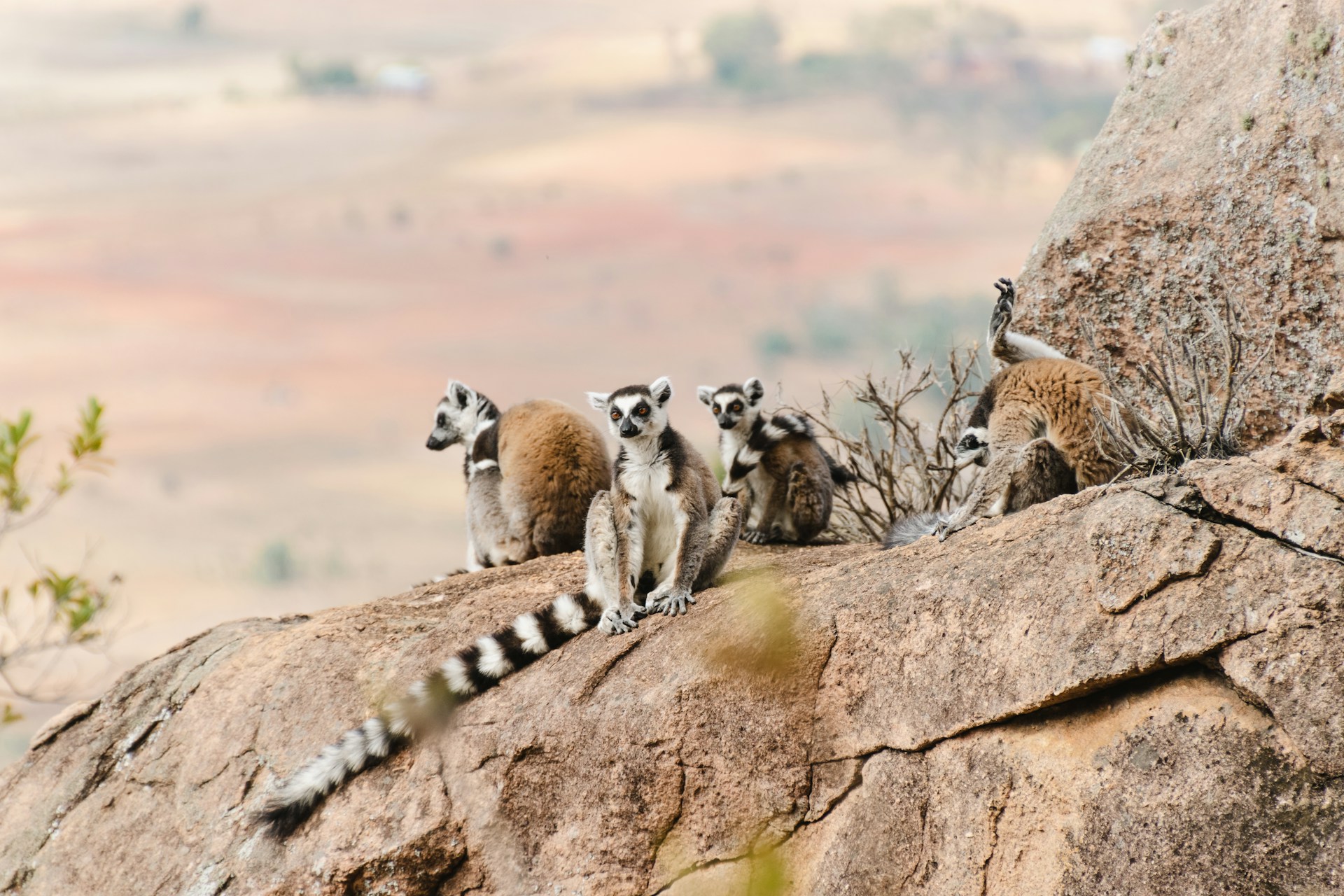
June bathes Madagascar in cool, dry breezes, illuminating its unique landscapes and pristine beaches, perfect for outdoor pursuits and cultural immersion. The Avenue of the Baobabs in Morondava offers breathtaking sunrise views, ideal for photography and cultural tours with local guides. Nosy Be’s Nosy Komba island provides lemur encounters and beachside relaxation. Antananarivo’s cultural festivals, like the Famadihana (turning of the bones), showcase Malagasy traditions. Isalo National Park’s canyons and natural pools beckon hikers. Suggested destinations include Morondava, Nosy Be, Antananarivo, and Isalo. Weather in Madagascar in June is pleasant, around 70-82°F (21-28°C), ideal for those seeking the best time to visit Madagascar for wildlife and cultural festivals.
July - Peak Dry Season and Lemur Encounters
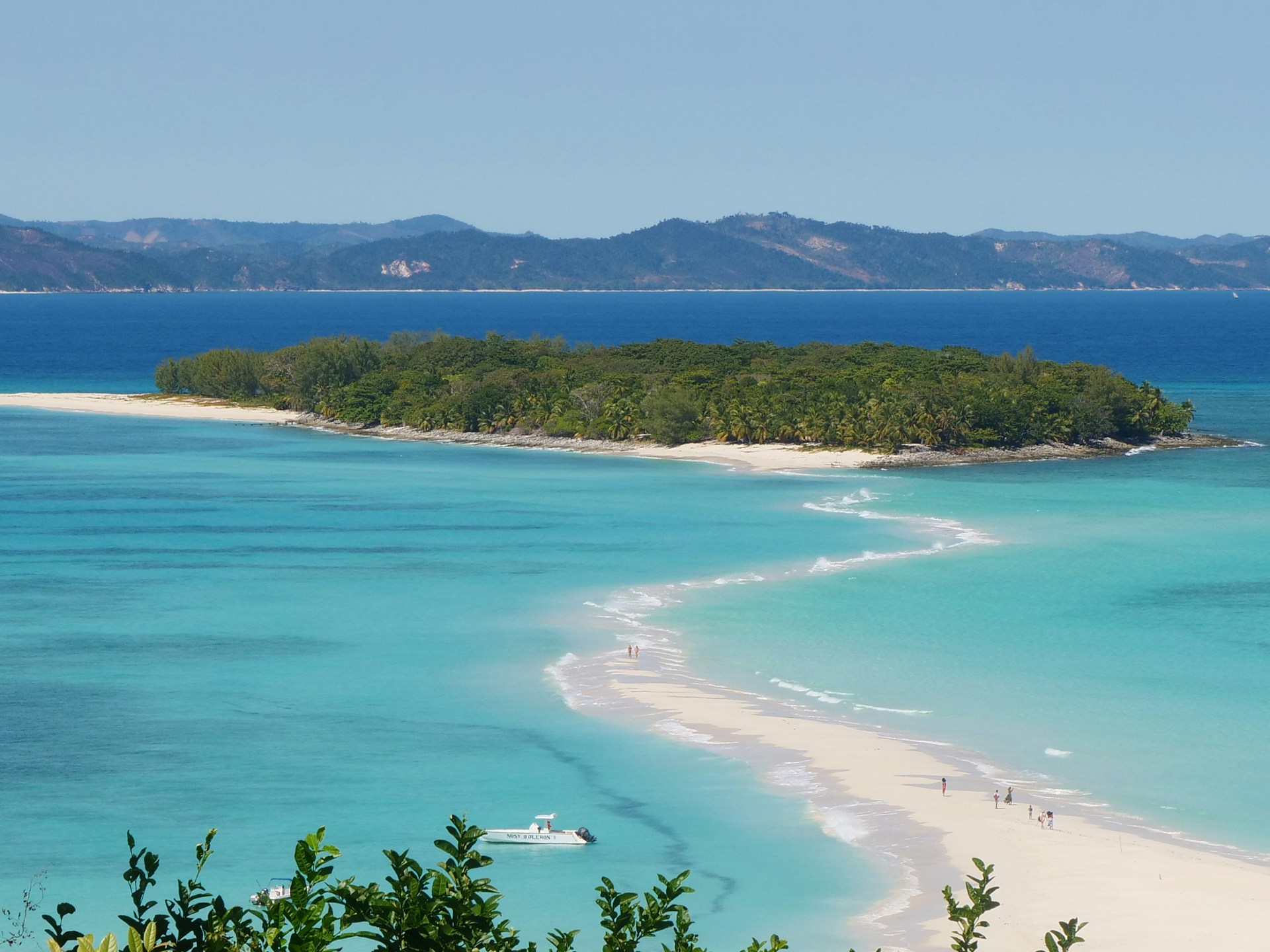
July radiates with Madagascar’s dry season brilliance, offering sunny days and cool nights perfect for adventure and wildlife encounters. Ranomafana National Park’s trails reveal golden bamboo lemurs and vibrant birdlife, ideal for guided safaris. Nosy Be’s beaches buzz with water sports, from diving to kite surfing. The Tsingy de Bemaraha’s limestone forests offer thrilling treks and panoramic views. Antananarivo’s markets thrive with handicrafts and local cuisine. This peak season draws global travelers. Explore Ranomafana, Nosy Be, Tsingy de Bemaraha, and Antananarivo. Weather in Madagascar in July is cool and dry, averaging 68-81°F (20-27°C), perfect for lemur spotting and outdoor adventures.
August - Sunlit Shores and Biodiversity Marvels
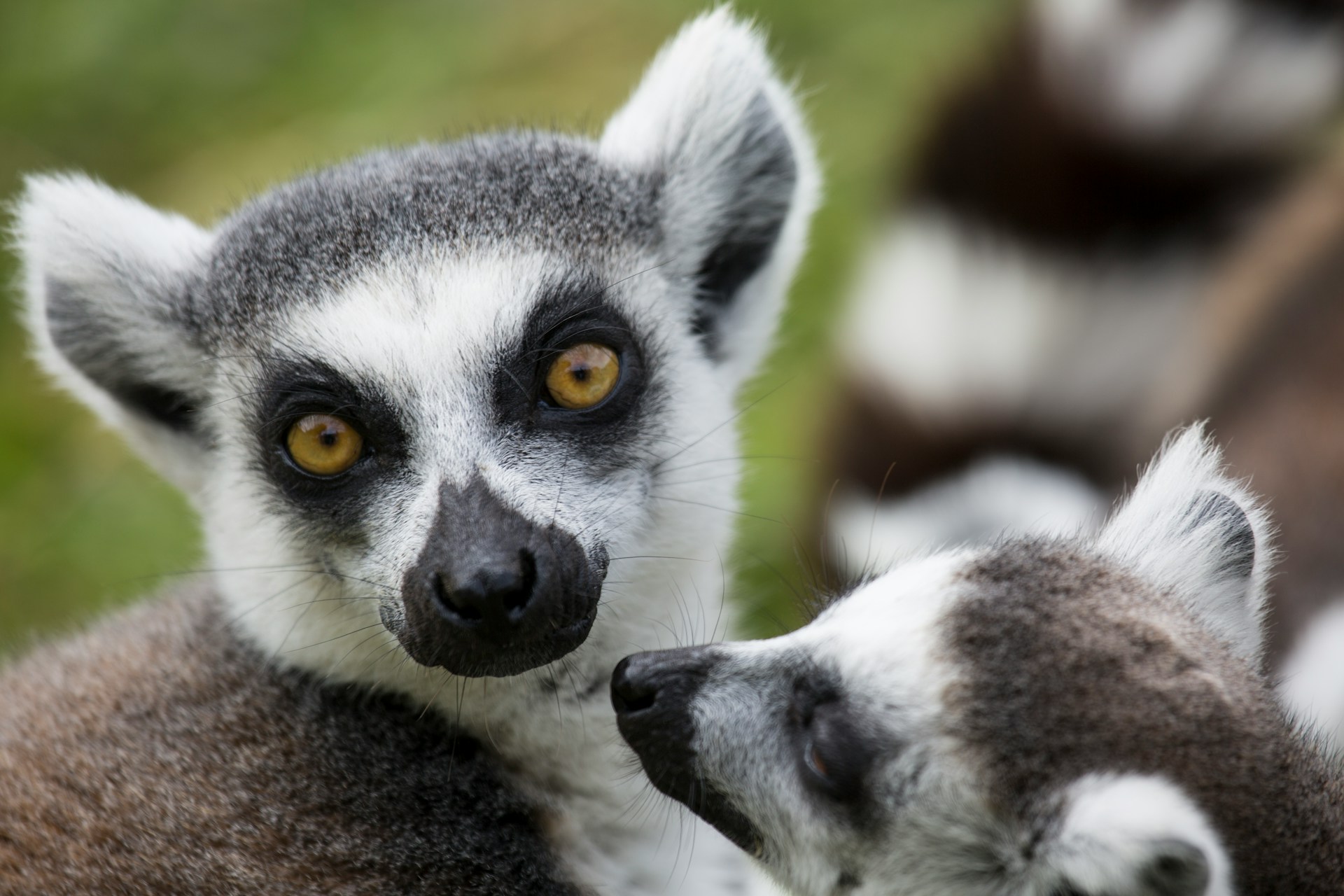
August shines with Madagascar’s tropical splendor, blending sun-drenched beaches and unique ecosystems, ideal for marine adventures and wildlife exploration. Nosy Be’s Lokobe Reserve offers kayaking through mangroves and lemur spotting, while the coral reefs of Nosy Tanikely dazzle divers with sea turtles and vibrant corals. Isalo National Park’s sandstone formations and oases provide stunning hiking trails. Morondava’s Kirindy Forest hosts nocturnal fossa sightings. Suggested destinations include Nosy Be, Isalo, Morondava, and Ankarana. Weather in Madagascar in August is warm and dry, around 70-82°F (21-28°C), perfect for enjoying Madagascar’s biodiversity and coastal highlights.
September - Spring’s Warm Glow and Coastal Serenity
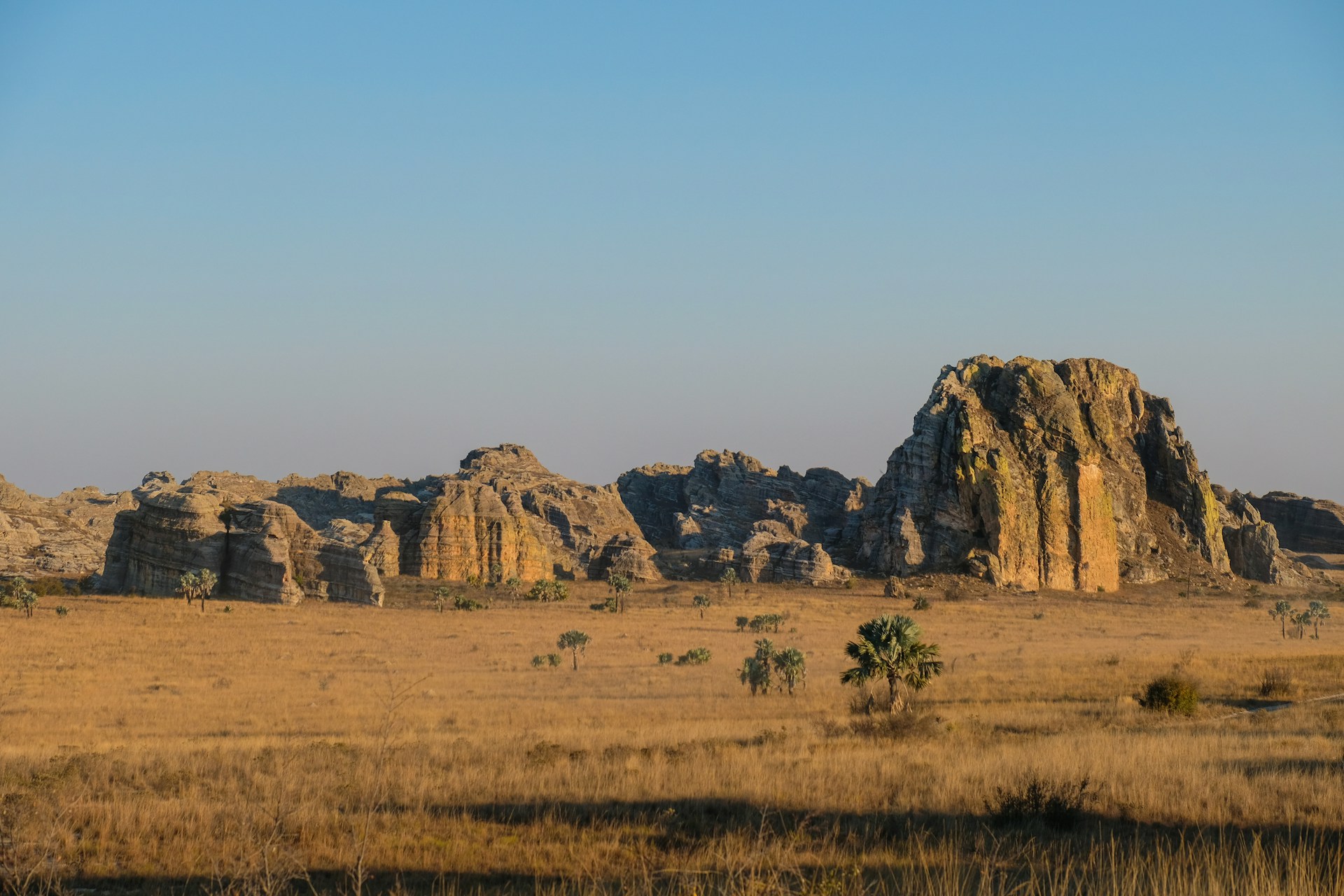
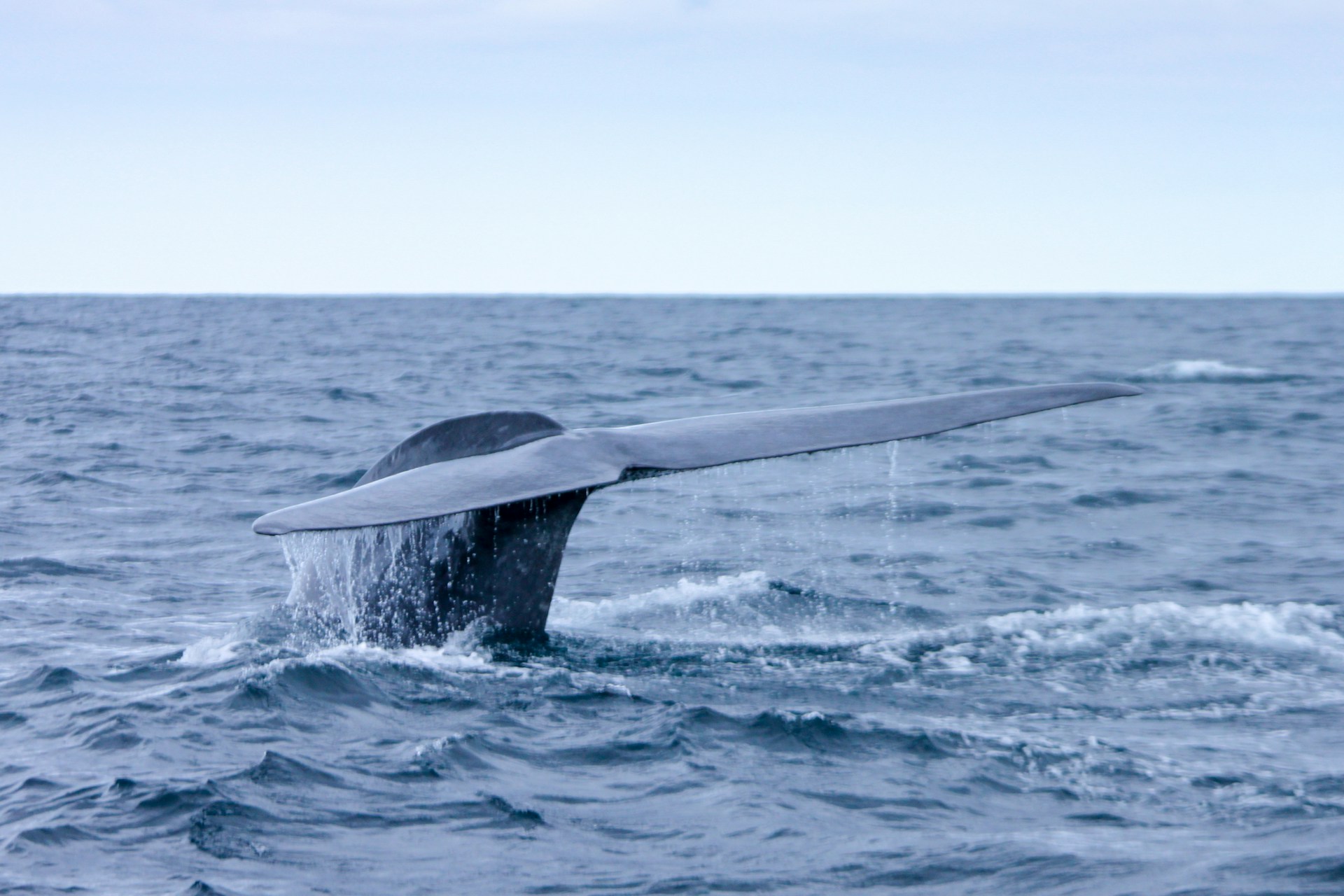
September cloaks Madagascar in a warm, dry embrace, with clear skies and blooming flora creating a serene backdrop for island exploration and cultural discoveries. The Masoala Peninsula’s rainforests and beaches offer whale-watching opportunities, as humpbacks migrate along the coast. Nosy Be’s vibrant markets and festivals celebrate local music and dance. Andasibe’s forests hum with lemur activity, perfect for eco-tours. Fort Dauphin’s beaches provide serene surfing spots. Key destinations include Masoala, Nosy Be, Andasibe, and Fort Dauphin. Weather in Madagascar in September is warm and dry, averaging 72-84°F (22-29°C), making it the best time to visit southern Madagascar for whale-watching and cultural events.
October - Tropical Warmth and Festival Energy
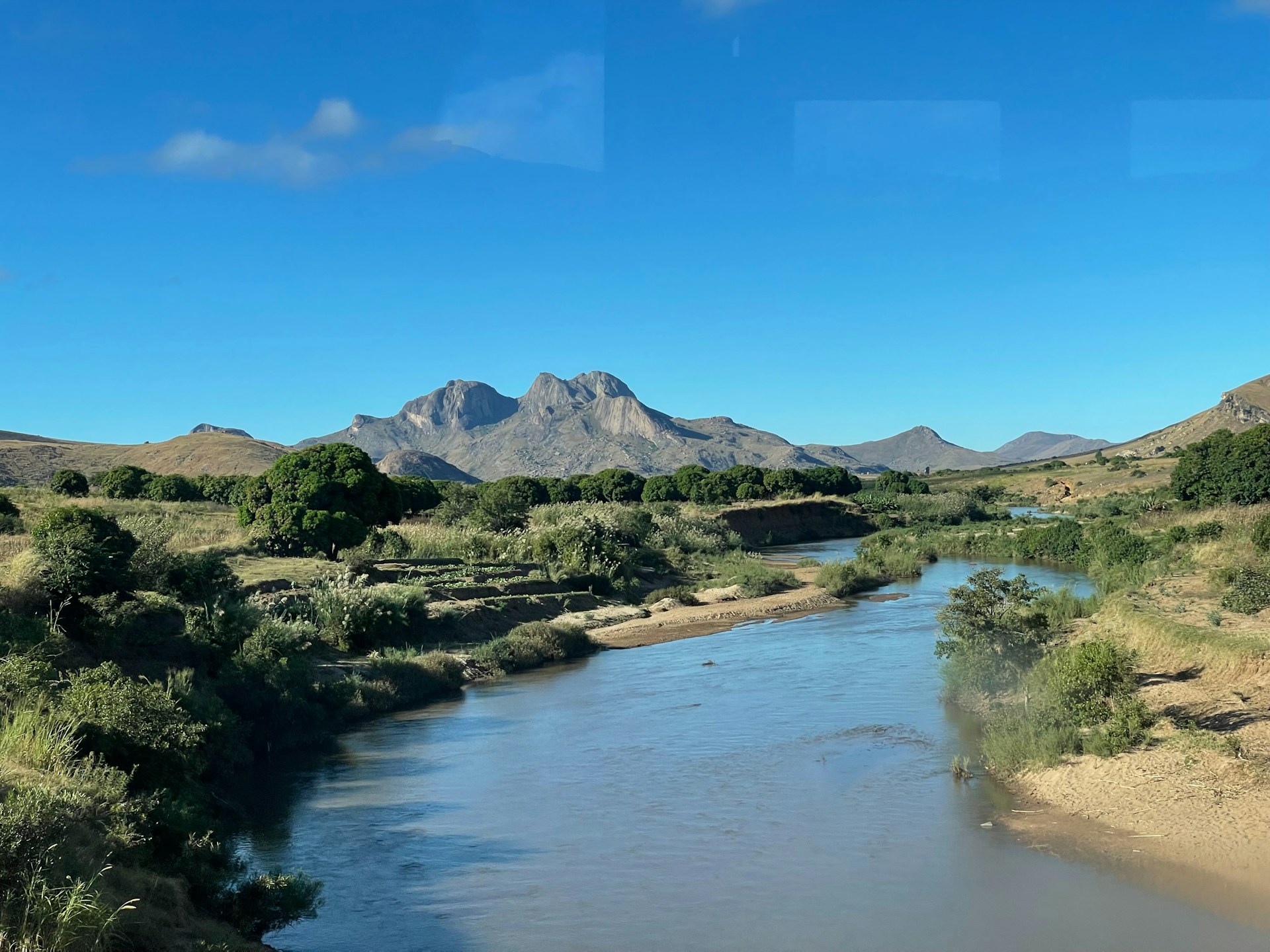
October weaves a vibrant tropical tapestry, with warm, dry days and festive energy, ideal for wildlife adventures and cultural celebrations. The Whale Festival in Sainte Marie (Île Sainte-Marie) celebrates humpback whales with music and boat tours. Andasibe-Mantadia’s indri calls echo through drier forests, perfect for photography. Nosy Be’s beaches offer diving and sailing in clear waters. Antananarivo’s cultural markets buzz with traditional crafts. Recommended places include Sainte Marie, Andasibe, Nosy Be, and Antananarivo. Weather in Madagascar in October is warm and dry, around 73-86°F (23-30°C), perfect for wildlife and coastal adventures.
November - Early Rains and Cultural Warmth
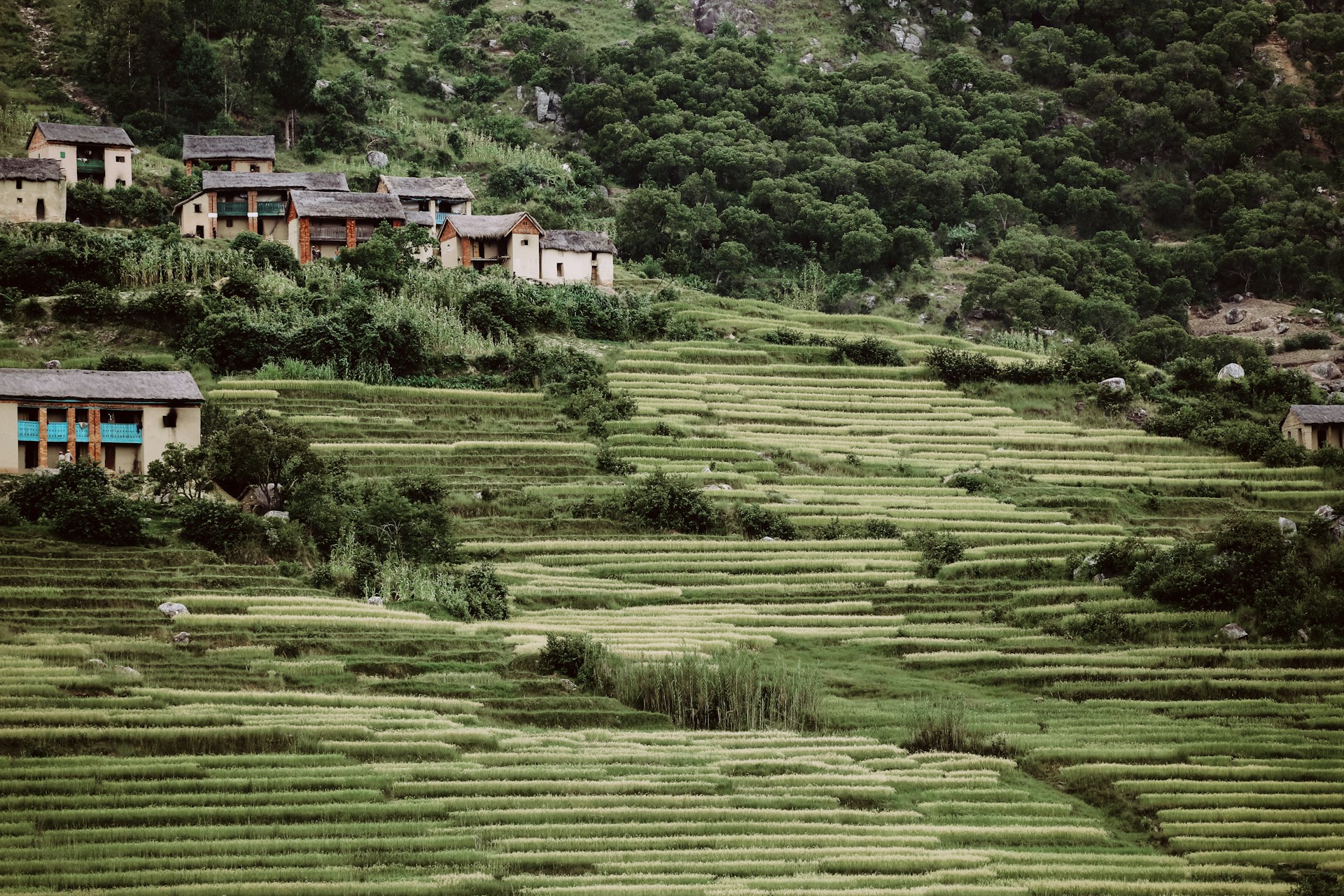
November brings the first gentle rains, refreshing Madagascar’s landscapes and ushering in a lush, green season, perfect for cultural immersion and quieter eco-adventures. Ranomafana’s rainforests thrive with renewed life, ideal for spotting rare lemurs and birds. Nosy Be’s quieter beaches offer snorkeling and relaxation. Antananarivo’s Rova hosts cultural events celebrating Malagasy heritage. Morondava’s baobabs stand majestic amid early greenery. Suggested destinations include Ranomafana, Nosy Be, Antananarivo, and Morondava. Weather in Madagascar in November is warm with occasional showers, averaging 74-86°F (23-30°C), making it the best time to visit northern Madagascar for cultural depth and lush scenery.
December - Festive Tropical Cheer
December transforms Madagascar into a festive tropical paradise, with early wet season rains enhancing its emerald landscapes and holiday celebrations lighting up its islands. Nosy Be’s resorts host Christmas beach parties, while Antananarivo’s markets sparkle with festive crafts and local delicacies like romazava. The Avenue of the Baobabs in Morondava offers dramatic rainy-season sunsets. Sainte Marie’s beaches provide serene holiday escapes with whale-watching opportunities. This high-season kickoff buzzes with energy. Key destinations include Nosy Be, Antananarivo, Morondava, and Sainte Marie. Weather in Madagascar in December is warm and humid, averaging 75-86°F (24-30°C), a vibrant backdrop for those seeking the best time to visit Madagascar for festive holidays and tropical adventures.