
GermanyBest Time to Visit
January - Winter’s Enchanted Embrace
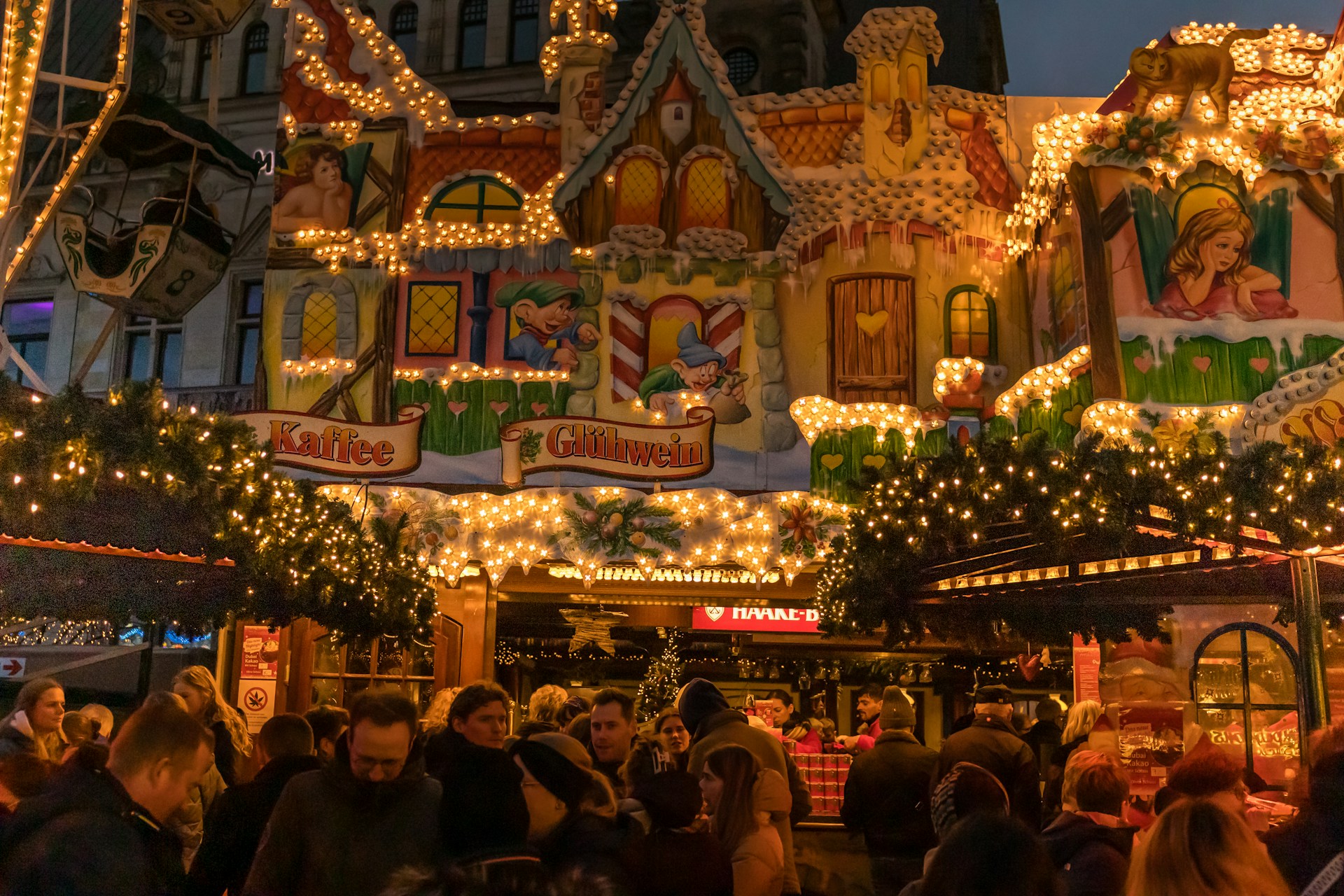
January cloaks Germany in a frosty, magical veil, transforming its alpine villages and historic cities into a winter wonderland, perfect for cozy retreats and cultural immersion. The Black Forest’s Titisee Lake freezes into a serene skating rink, framed by snow-draped pines, ideal for winter hikes and warm strudel in nearby Freiburg. Berlin’s museums, like the Pergamon, offer a warm haven for history buffs, while Munich’s Viktualienmarkt buzzes with hearty Bavarian fare under crisp skies. The Three Kings Day celebrations in Cologne add festive cheer with vibrant parades. Key destinations include Black Forest, Berlin, Munich, and Cologne. Weather in Germany in January is cold, averaging 27-37°F (-3 to 3°C), with snow in the south, making it a prime choice for those pondering when is the best time to visit Germany for winter charm and cultural exploration.
February - Romantic Winter Festivities
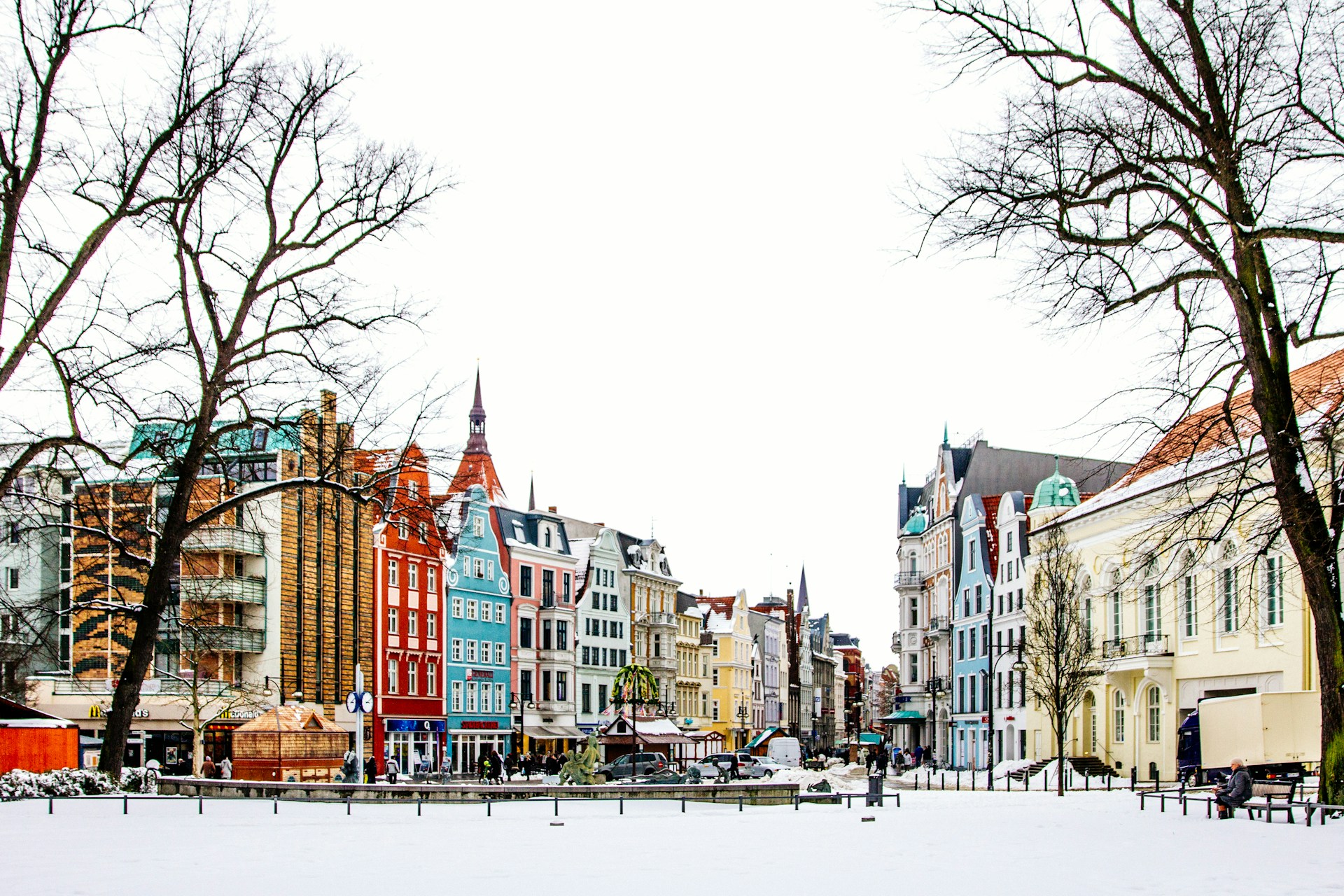
February bathes Germany in a romantic, snowy glow, with candlelit castles and vibrant carnivals creating a dreamy backdrop for couples and festival-goers. The Cologne Carnival erupts with colorful costumes, street parties, and lively music, drawing revelers to the Rhine. Rothenburg ob der Tauber’s medieval streets offer intimate strolls under snow-dusted half-timbered houses. Berlin’s Berlinale Film Festival lights up the city with cinematic masterpieces. The Bavarian Alps near Garmisch-Partenkirchen beckon skiers with powdery slopes. Suggested places include Cologne, Rothenburg, Berlin, and Garmisch-Partenkirchen. Weather in Germany in February is chilly, around 28-39°F (-2 to 4°C), making it one of the best times of year to visit Germany for romantic escapes and vibrant festivals.
March - Spring’s Gentle Awakening
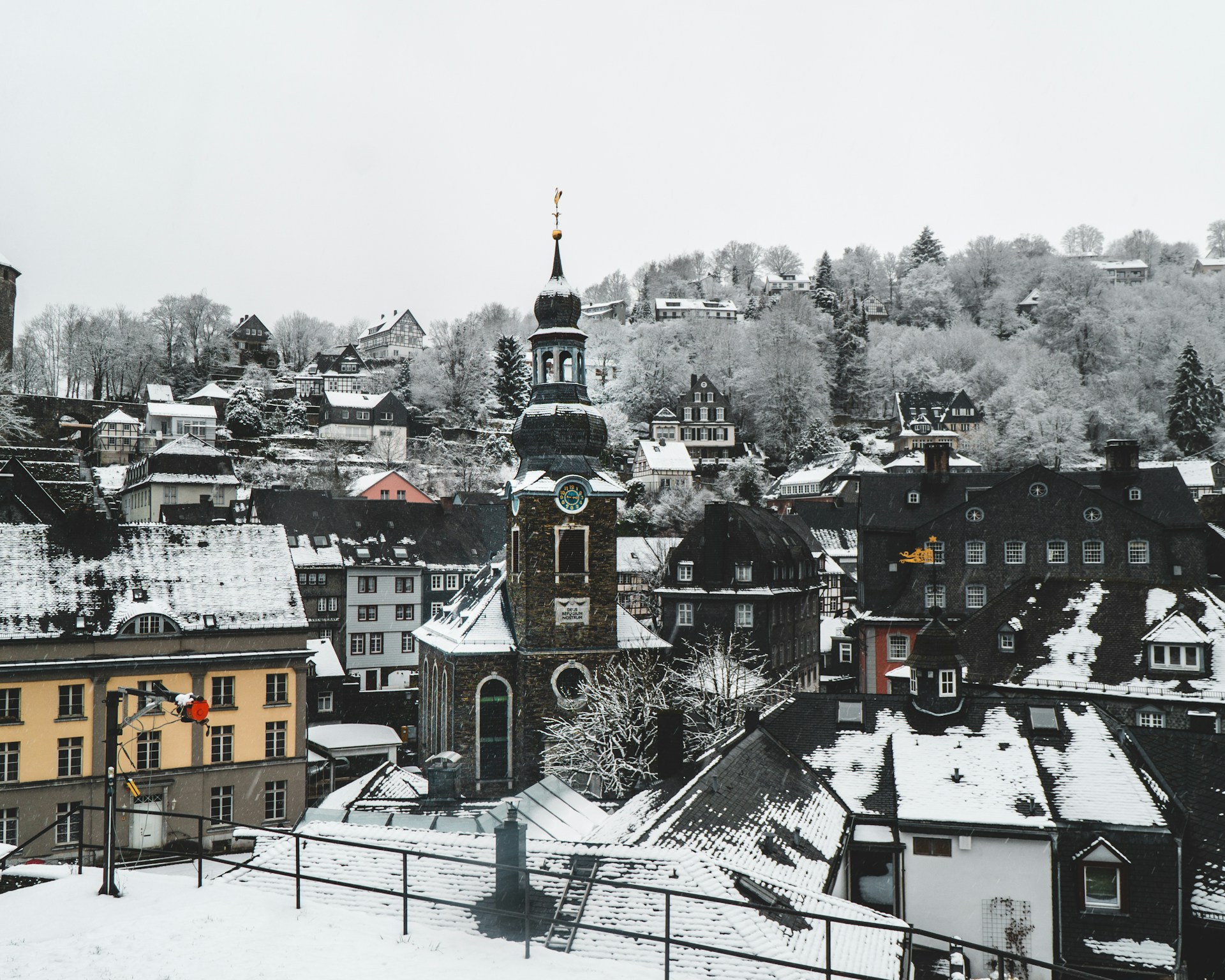
March heralds spring’s delicate arrival, with blooming crocuses and mild breezes softening Germany’s landscapes, ideal for early outdoor adventures and cultural discoveries. The Rhine Valley’s vineyards begin to bud, perfect for cycling tours through quaint villages like Rüdesheim. Hamburg’s Elbphilharmonie hosts spring concerts, its glass structure gleaming over the Elbe River. Stuttgart’s Frühlingfest kicks off with beer tents and carnival rides, adding festive flair. The Harz Mountains offer crisp hiking trails with budding forests. Key destinations include Rhine Valley, Hamburg, Stuttgart, and Harz Mountains. Weather in Germany in March is cool, averaging 35-48°F (2-9°C), positioning it as a top period for travelers seeking the best season to visit Germany for springtime exploration.
April - Blossoming Beauty and Easter Cheer
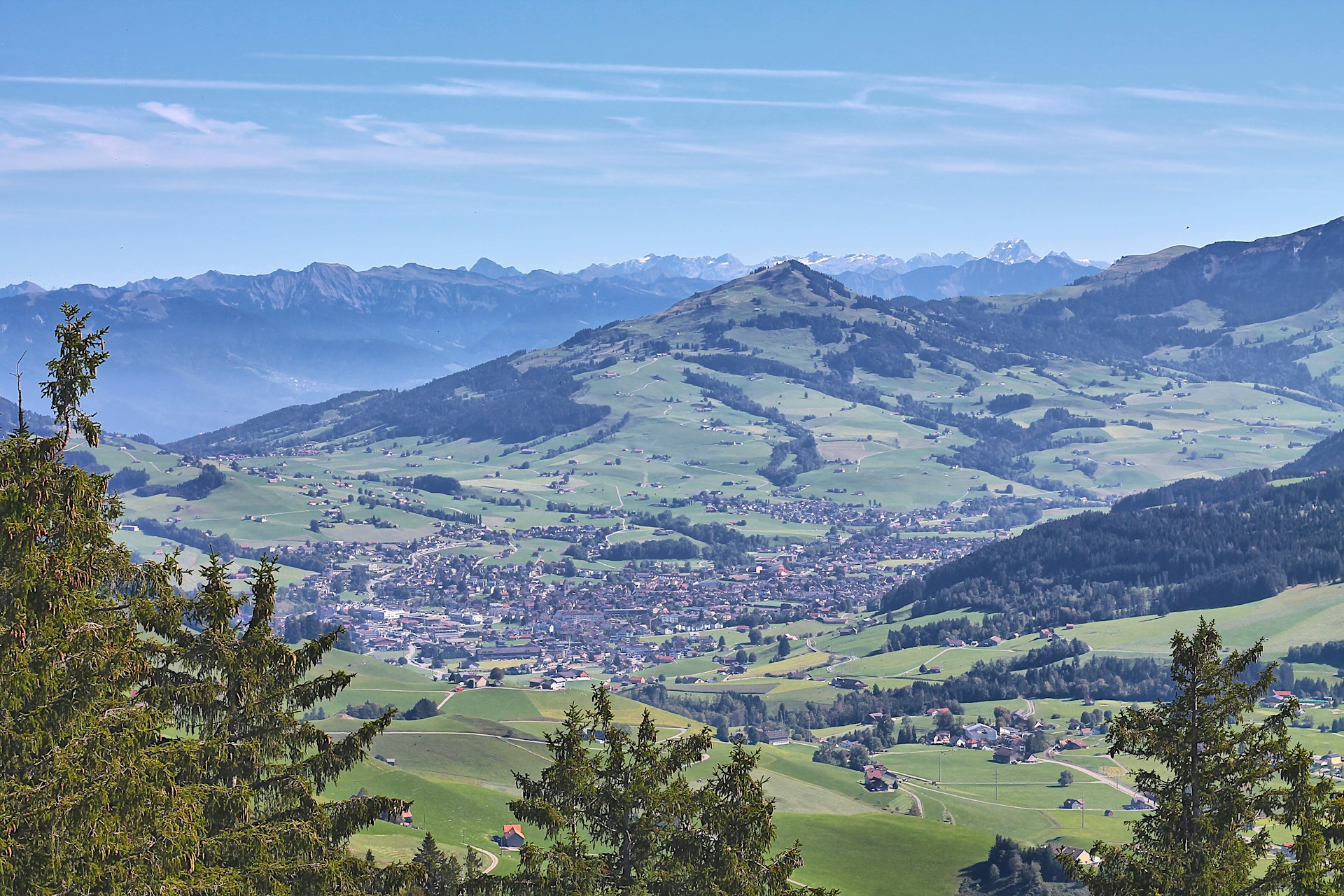
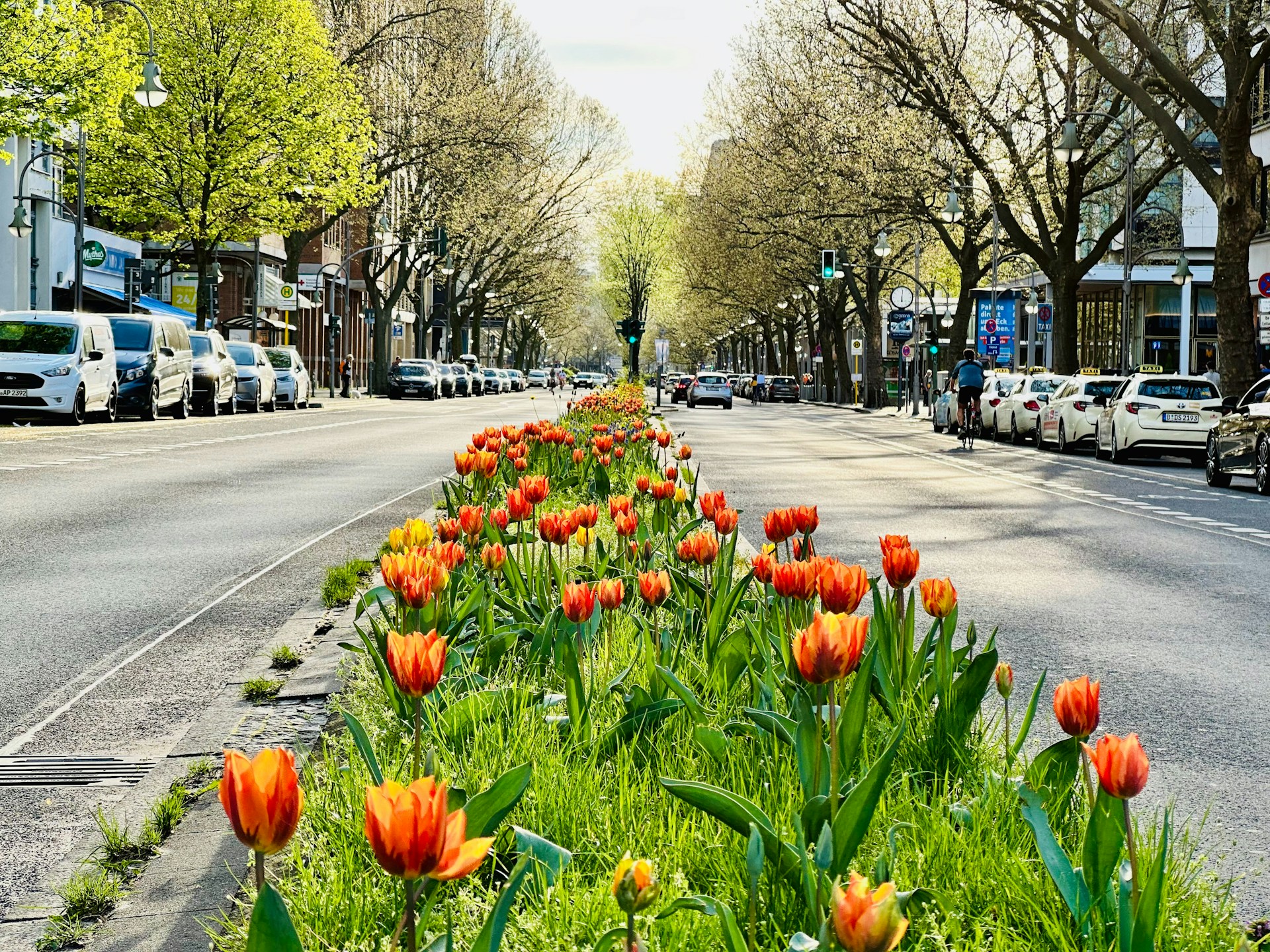
April unfurls a vibrant tapestry of blossoms across Germany, with cherry trees and tulips painting cities and countryside in vivid hues, perfect for cultural festivals and scenic strolls. Dresden’s Elbe River banks bloom with flowers, complementing the restored Frauenkirche’s baroque splendor. Munich’s Viktualienmarkt bursts with seasonal produce, while the Easter markets in Nuremberg offer handcrafted eggs and festive treats. The Baltic Coast’s Rügen Island invites early beach walks amid blooming cliffs. This shoulder season ensures fewer crowds. Visit Dresden, Munich, Nuremberg, and Rügen. Weather in Germany in April is mild, ranging from 41-55°F (5-13°C), making it a splendid time for those wondering when is the best time to visit Germany for floral beauty and Easter festivities.
May - Warm Days and Cultural Vibrancy
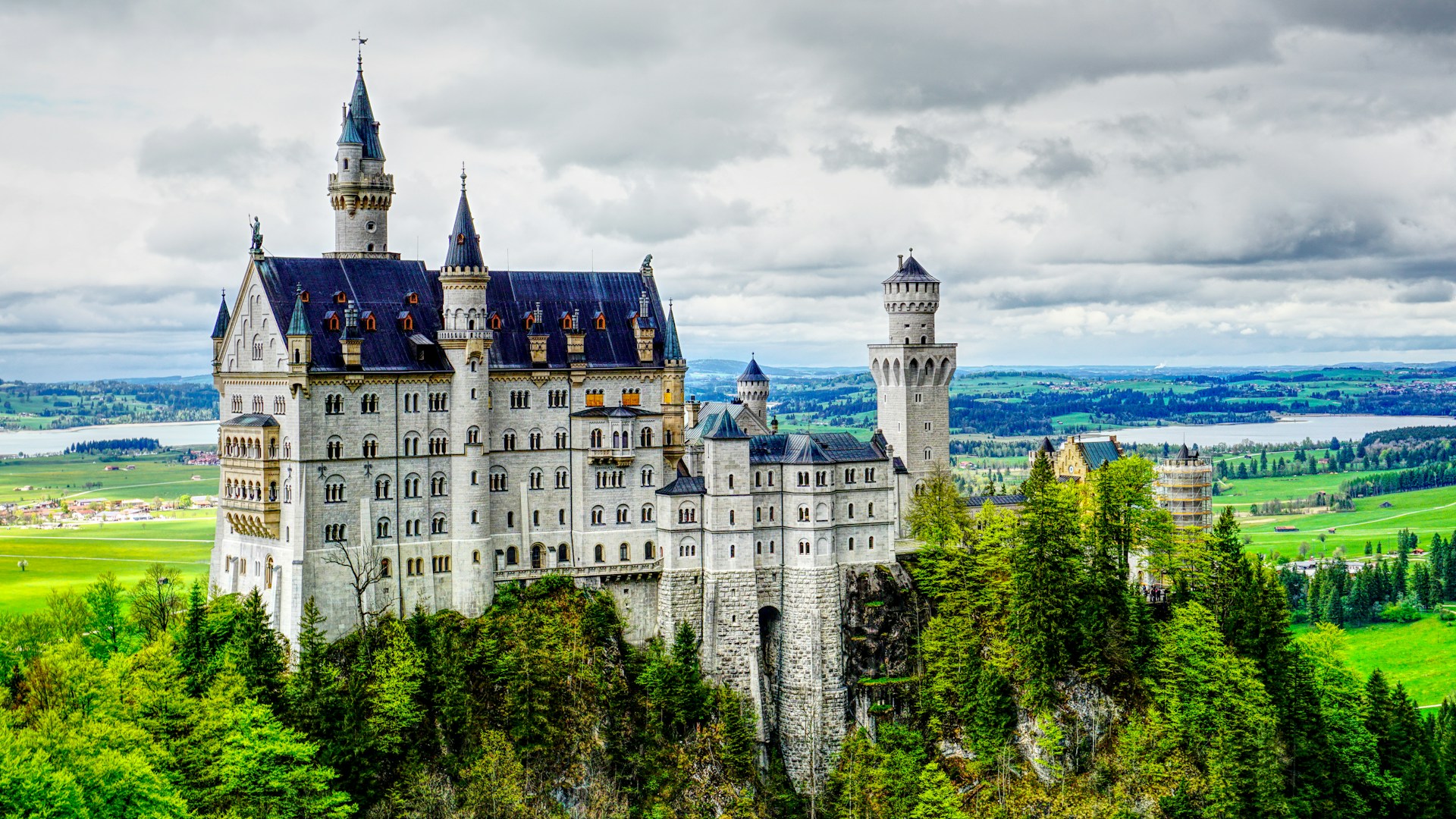
May bathes Germany in warm, sunny days, igniting a season of outdoor adventures and cultural riches, from fairy-tale castles to vibrant urban festivals. The Romantic Road’s Neuschwanstein Castle, nestled in the Bavarian Alps, dazzles with spring greenery, perfect for photography and nearby hikes. Berlin’s open-air markets and Tiergarten bloom with energy, hosting the Carnival of Cultures with global music and cuisine. The Mosel Valley’s vineyards offer wine tastings amid rolling hills. Cologne’s Rhine in Flames festival lights up the river with fireworks. Key places include Neuschwanstein, Berlin, Mosel Valley, and Cologne. Weather in Germany in May is comfortable, averaging 48-64°F (9-18°C), making it the best time to visit Germany for outdoor exploration and cultural events.
June - Summer’s Radiant Dawn
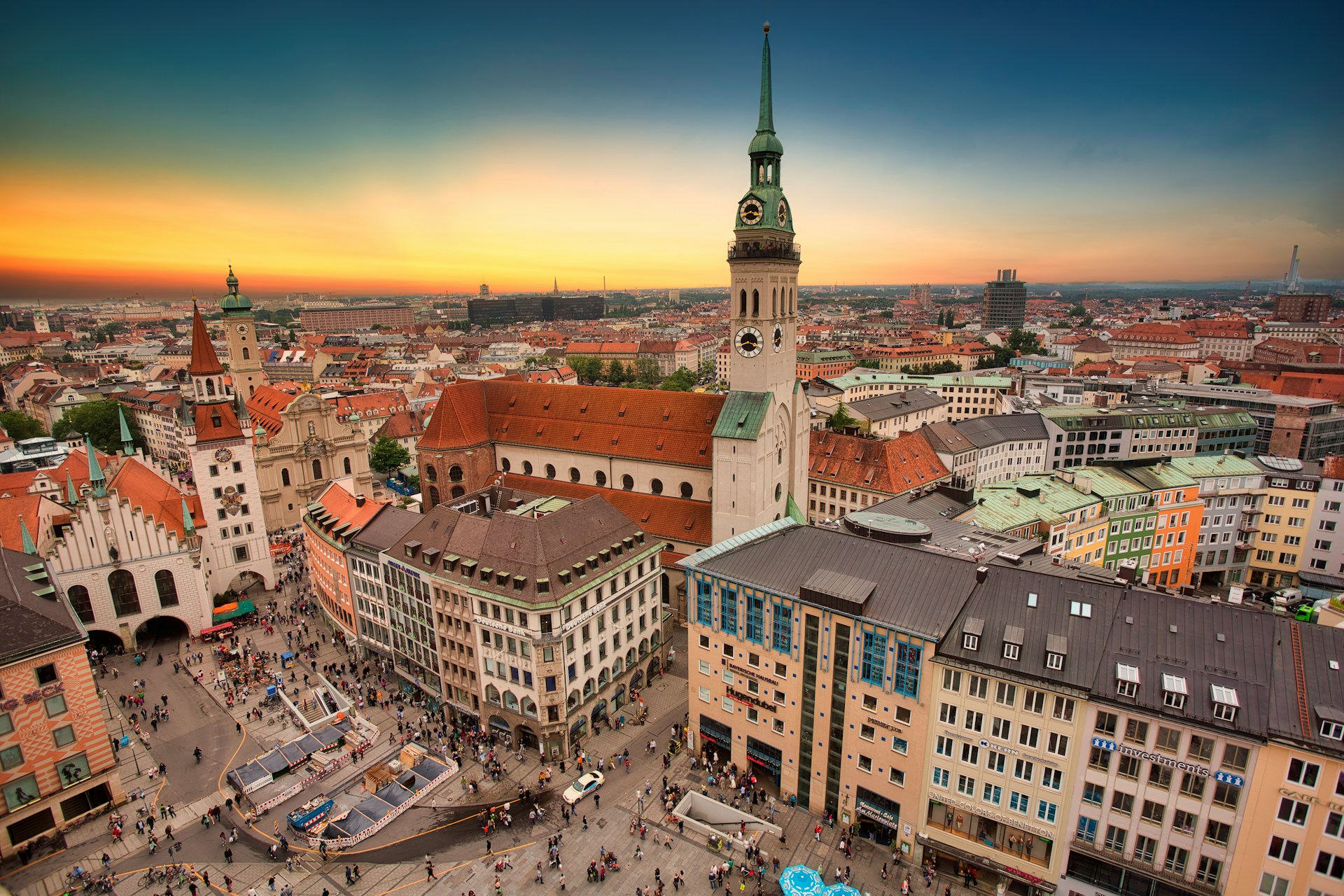
June ushers in summer’s golden glow, with long days illuminating Germany’s historic cities and lush landscapes, perfect for river cruises and open-air festivals. The Rhine River’s castle-dotted banks, especially around Koblenz, offer scenic cruises under sunny skies. Munich’s Tollwood Festival pulses with music, art, and organic food stalls. The Baltic Sea’s Lübeck and Travemünde beaches beckon with sandy shores and maritime charm. Heidelberg’s castle ruins and Neckar River walks provide romantic escapes. Suggested destinations include Koblenz, Munich, Lübeck, and Heidelberg. Weather in Germany in June is warm, around 55-70°F (13-21°C), ideal for those seeking the best time to visit Germany for river adventures and summer festivals.
July - Festive Summer Splendor
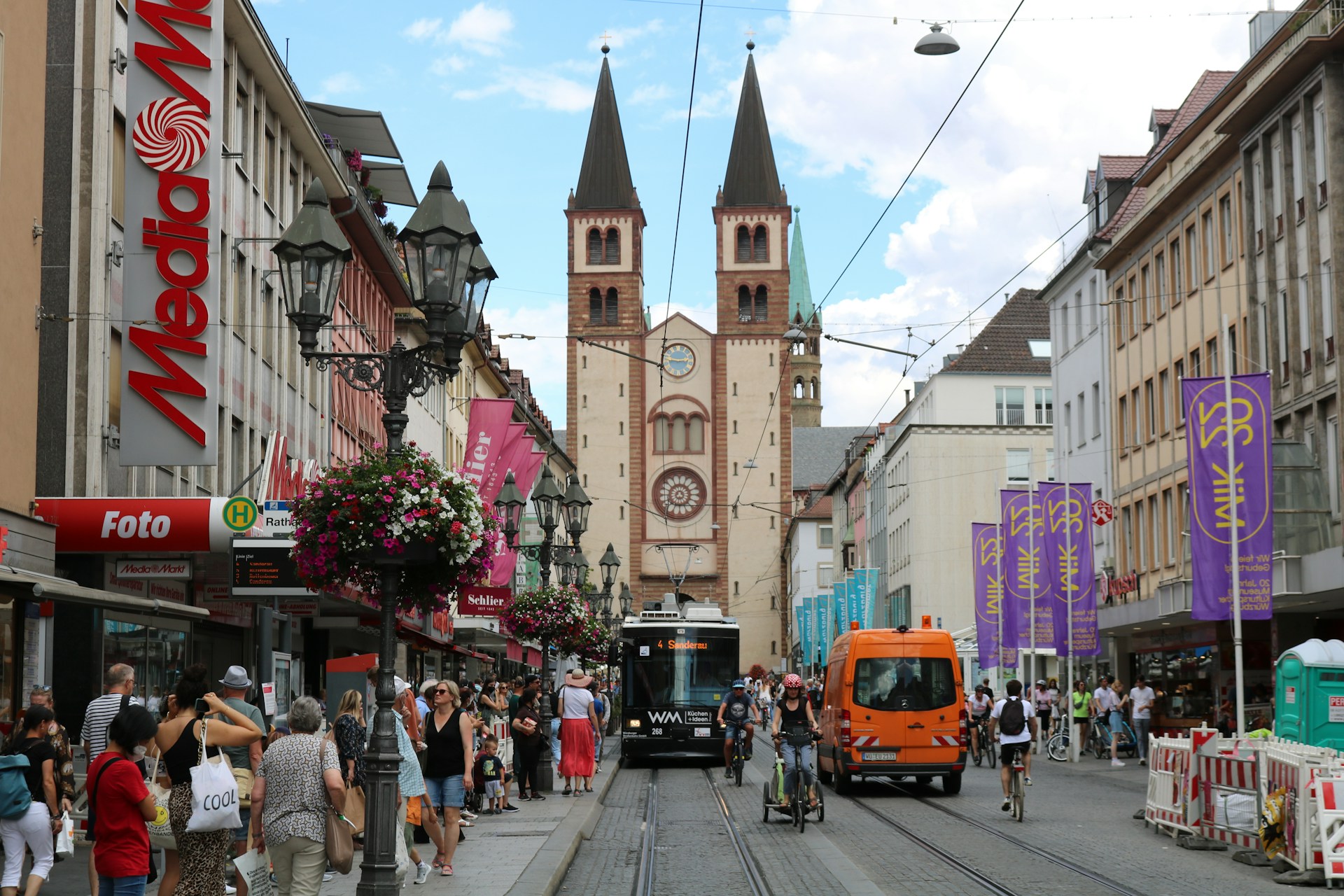
July ignites Germany with summer’s full radiance, blending vibrant festivals with outdoor pursuits, from alpine hikes to beer garden revelry. Munich’s Bavarian beer gardens brim with frothy pints and pretzels, while the nearby Alps offer cool hiking trails in Berchtesgaden. Berlin’s Pride Festival transforms the city into a rainbow-hued celebration, with parades and parties. The Würzburg Wine Festival celebrates Franconian vintages amid baroque architecture. Rügen’s chalk cliffs and beaches offer refreshing coastal escapes. Explore Munich, Berlin, Würzburg, and Rügen. Weather in Germany in July is warm, averaging 59-75°F (15-24°C), perfect for festival-goers and nature enthusiasts seeking Germany’s summer vibrancy.
August - Sunlit Adventures and Cultural Gems
August radiates with Germany’s summer splendor, offering sun-drenched explorations and cultural treasures, from medieval towns to lively urban scenes. The Black Forest’s Freiburg hosts open-air concerts amid its cathedral’s gothic spires, while nearby trails lead to cascading waterfalls. Hamburg’s Reeperbahn Festival rocks the St. Pauli district with live music. The Romantic Road’s Rothenburg ob der Tauber glows with half-timbered charm, perfect for leisurely strolls. Lake Constance’s Bodensee region offers cycling and sailing under clear skies. Suggested destinations include Freiburg, Hamburg, Rothenburg, and Lake Constance. Weather in Germany in August is warm, around 59-75°F (15-24°C), ideal for enjoying Germany’s cultural and outdoor highlights.
September - Autumn’s Golden Hues
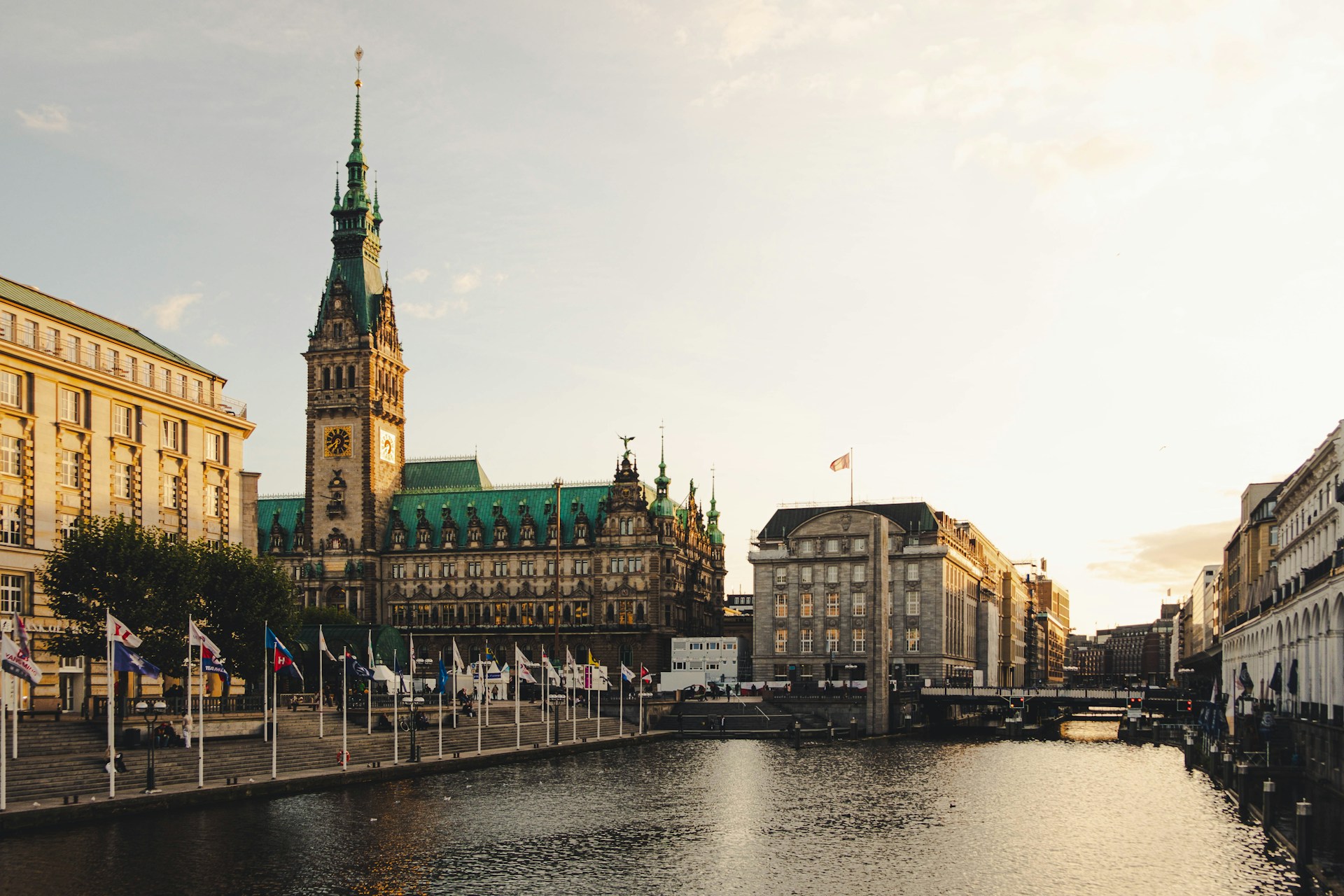
September cloaks Germany in autumn’s golden embrace, with cooler temperatures and vibrant foliage creating a picturesque backdrop for wine festivals and scenic hikes. The Rhine Valley’s wine harvest festivals, especially in Rüdesheim, celebrate Riesling with tastings and music. Munich’s Oktoberfest kicks off, drawing millions to its beer tents and carnival rides. The Black Forest’s trails glow with autumn leaves, perfect for hiking. Dresden’s Elbe Valley offers serene river walks amid golden landscapes. Key destinations include Rhine Valley, Munich, Black Forest, and Dresden. Weather in Germany in September is mild, averaging 50-68°F (10-20°C), making it the best time to visit southern Germany for autumnal beauty and festivals.
October - Vibrant Fall and Oktoberfest Finale
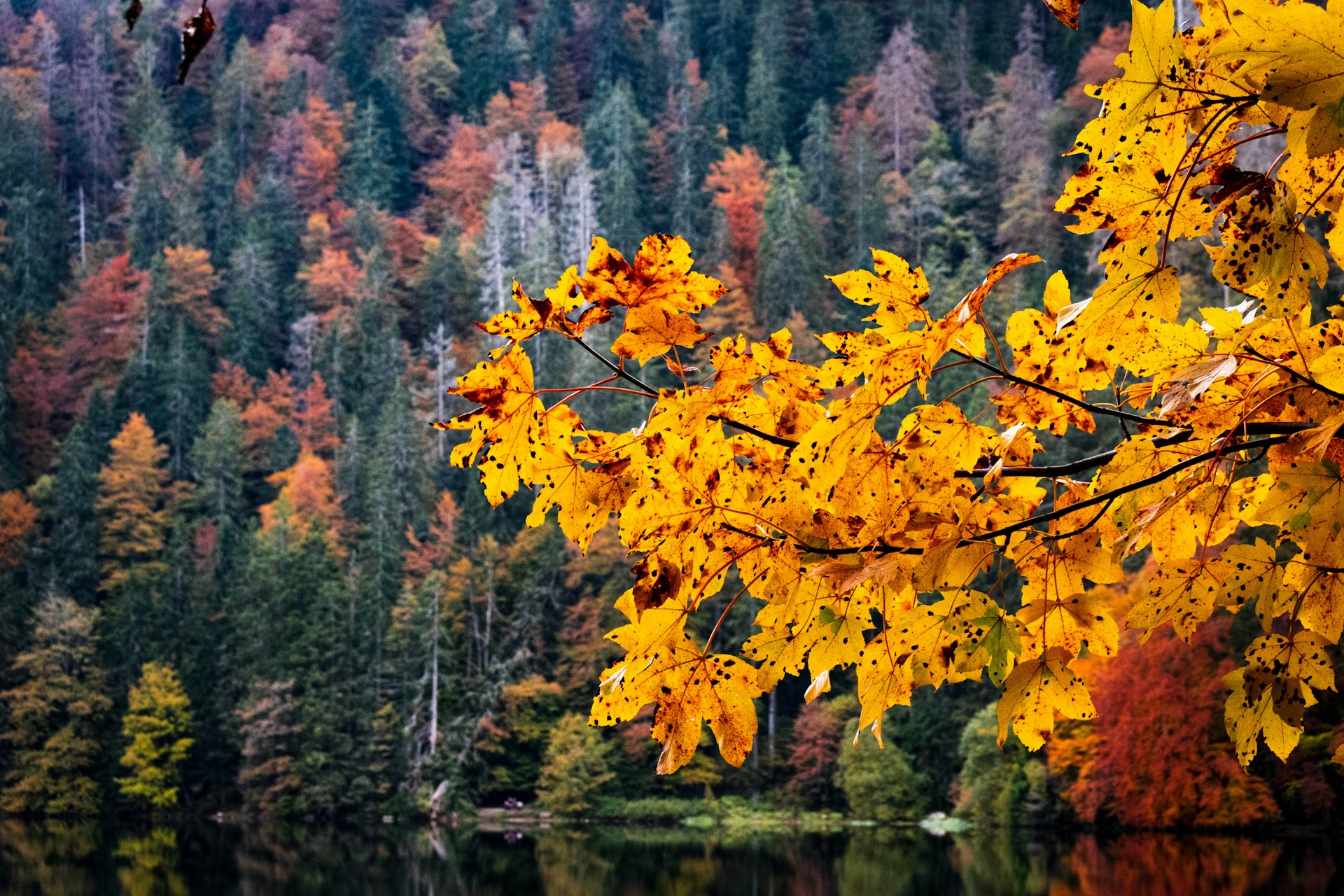
October weaves a vibrant autumn tapestry across Germany, with colorful foliage and festive energy, ideal for beer festivals and cultural explorations. Munich’s Oktoberfest reaches its peak, with lederhosen-clad revelers toasting in massive beer halls. The Harz Mountains’ Walpurgis Night echoes with autumnal folklore, perfect for hiking and castle tours. Berlin’s Festival of Lights transforms landmarks like Brandenburg Gate into glowing art canvases. The Mosel Valley’s vineyards offer crisp fall wine tastings. Recommended places include Munich, Harz Mountains, Berlin, and Mosel Valley. Weather in Germany in October is crisp, ranging from 43-59°F (6-15°C), perfect for autumnal adventures and cultural festivities.

November - Cozy Cultural Immersion
November wraps Germany in a cozy, autumnal embrace, with crisp air and fewer crowds, ideal for cultural immersion and early holiday cheer. Cologne’s Christmas markets begin to twinkle, offering mulled wine and handcrafted ornaments. Leipzig’s Bach Festival celebrates classical music in historic venues. The Black Forest’s Freiburg provides cozy cafés and misty forest hikes. Hamburg’s historic Speicherstadt glows with autumnal charm, perfect for waterfront strolls. Suggested destinations include Cologne, Leipzig, Freiburg, and Hamburg. Weather in Germany in November is cool, averaging 37-48°F (3-9°C), making it the best time to visit northern Germany for cultural depth and early festive vibes.
December - Festive Magic and Winter Glow
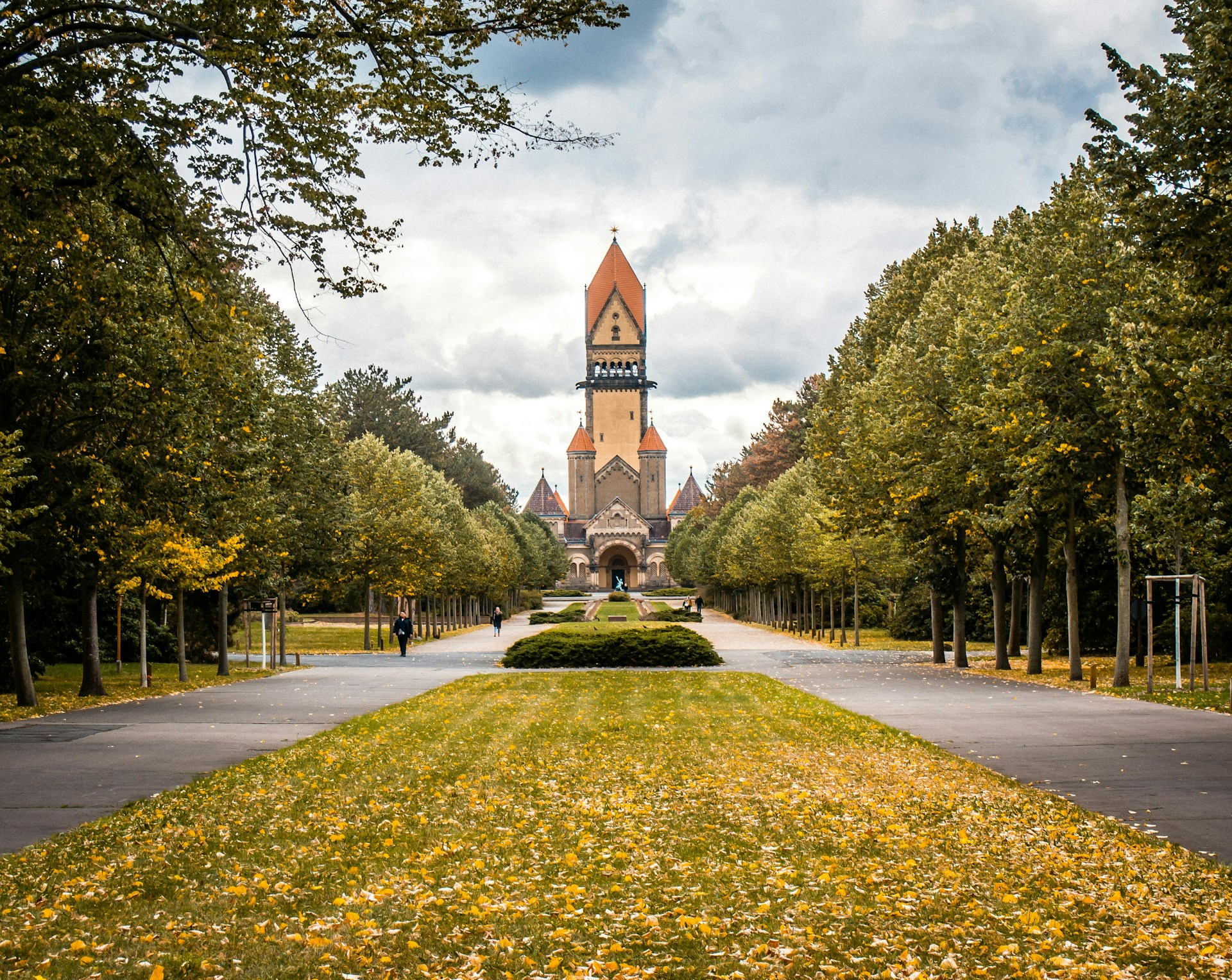
December transforms Germany into a festive wonderland, with twinkling Christmas markets and snow-dusted landscapes creating a magical holiday ambiance. Nuremberg’s Christkindlesmarkt, one of the world’s oldest, sparkles with gingerbread and handcrafted toys. Berlin’s Winterwelt at Potsdamer Platz offers ice skating and festive treats. The Bavarian Alps’ Oberstdorf beckons skiers with snowy slopes and cozy lodges. Dresden’s Striezelmarkt adds baroque charm to holiday shopping. This high-season period radiates warmth and cheer. Key destinations include Nuremberg, Berlin, Oberstdorf, and Dresden. Weather in Germany in December is cold, around 32-41°F (0-5°C), a perfect backdrop for travelers seeking the best time to visit Germany for festive markets and winter escapes.