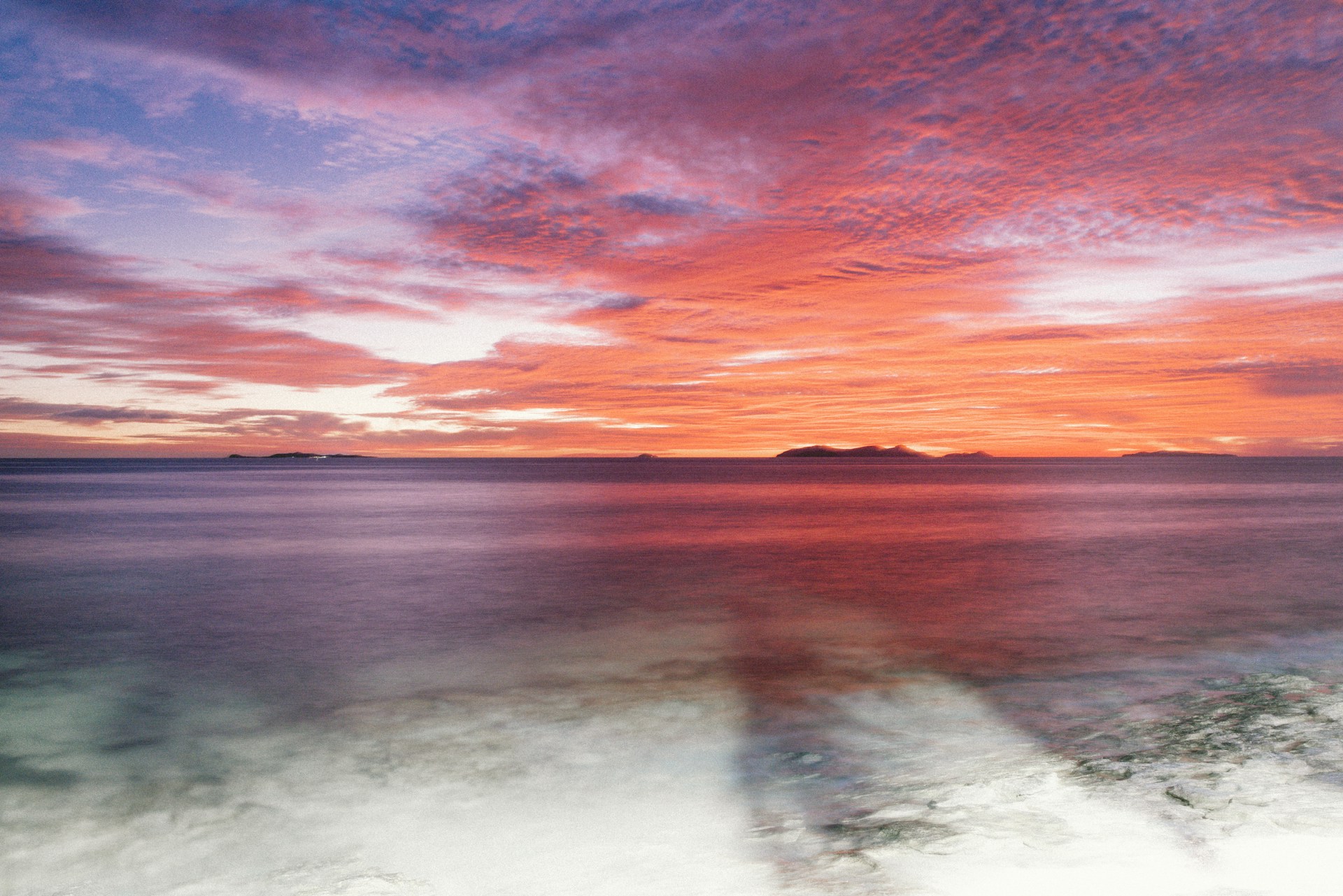

FijiBest Time to Visit
January - Tropical Summer Bliss
January bathes Fiji in the full radiance of its wet season, where lush rainforests and vibrant coral reefs thrive under warm, sunny skies interspersed with refreshing showers. The Mamanuca Islands, with their pristine beaches like Malolo, beckon snorkelers and sun-seekers to crystalline waters teeming with tropical fish. Suva, the bustling capital, hums with lively markets offering kava ceremonies and fresh coconut drinks. Savusavu’s hot springs and pearl farms provide a serene escape amidst verdant hills. The wet season brings lush greenery, perfect for eco-adventures in Bouma National Heritage Park on Taveuni. Key destinations include Mamanuca Islands, Suva, Savusavu, and Taveuni. Weather in Fiji in January averages 77-86°F (25-30°C), warm and humid with frequent rains, making it a prime choice for those pondering when is the best time to visit Fiji for lush landscapes and fewer crowds.
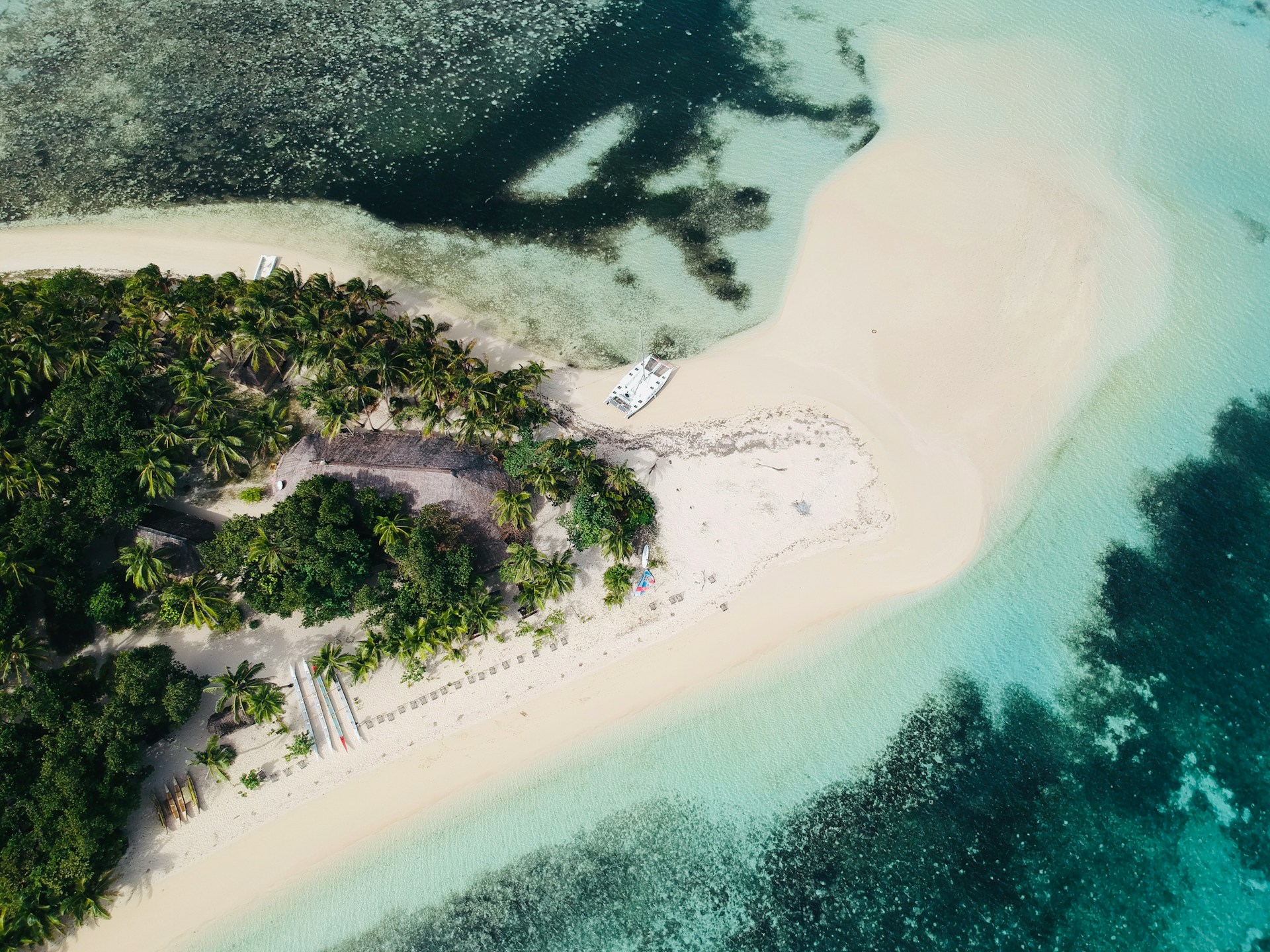
February - Romantic Island Escapes
February envelops Fiji in a romantic, tropical glow, with warm rains enhancing its emerald isles, creating intimate settings for couples and cultural explorers. The Yasawa Islands offer secluded beaches and luxurious resorts, perfect for snorkeling in vibrant coral gardens or sunset dinners under swaying palms. Nadi’s Sri Siva Subramaniya Temple shines as a cultural gem, hosting Hindu festivals with colorful rituals. The Coral Coast on Viti Levu invites leisurely strolls along white sands, while Sigatoka’s sand dunes offer adventurous hikes. This wet season month ensures affordability and tranquility. Suggested places include Yasawa Islands, Nadi, Coral Coast, and Sigatoka. Weather in Fiji in February hovers around 77-88°F (25-31°C), humid with showers, making it one of the best times of year to visit Fiji for romantic getaways and cultural immersion.
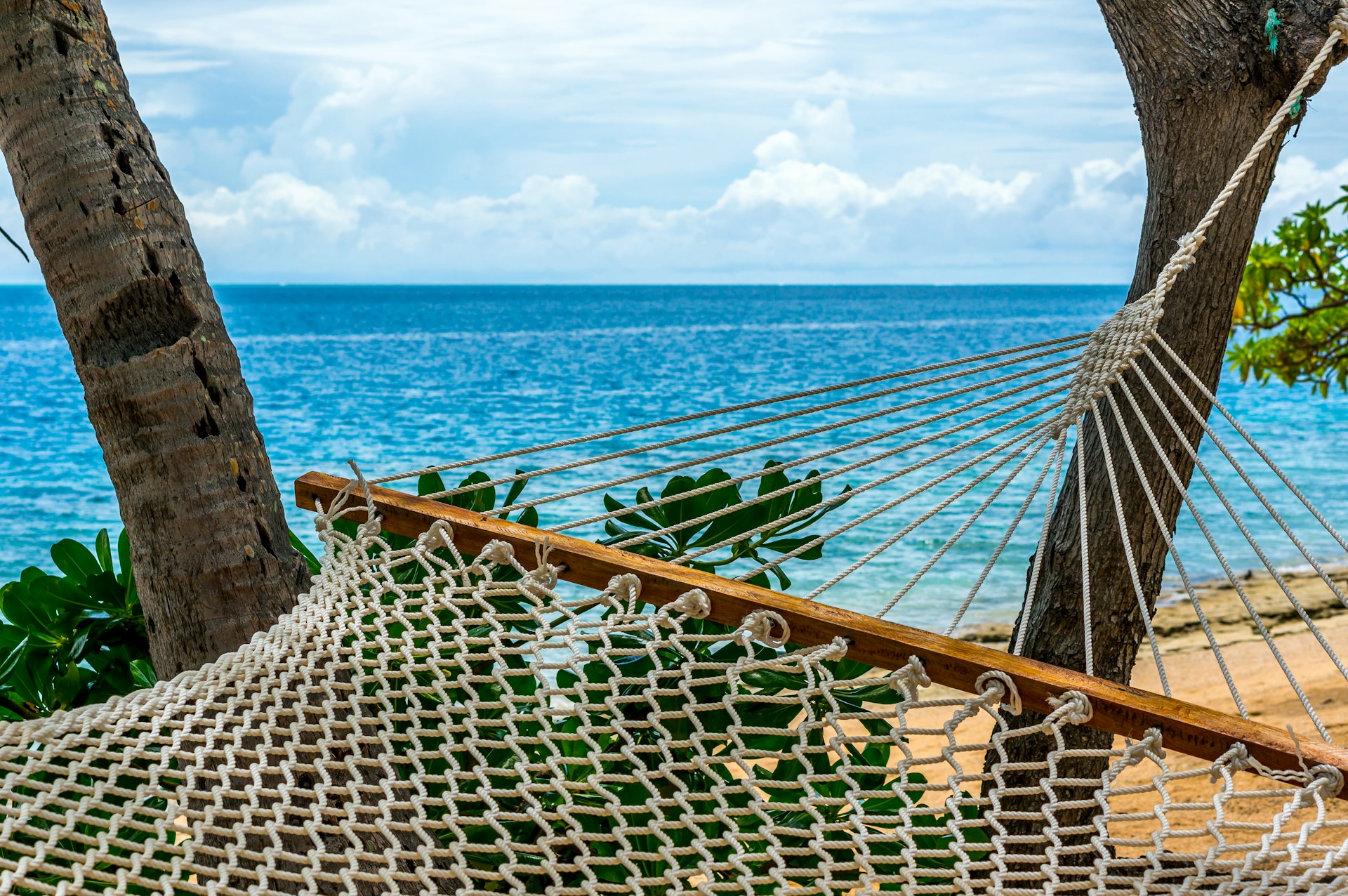
March - Verdant Rainforests and Waterfall Wonders
March marks the wet season’s lush crescendo, with Fiji’s rainforests and waterfalls at their most vibrant, offering a paradise for nature lovers and adventure seekers. Taveuni, the “Garden Island,” dazzles with Bouma Falls cascading through dense jungle, ideal for hiking and swimming in natural pools. Suva’s Colo-i-Suva Forest Park offers misty trails and birdwatching opportunities, while Vanua Levu’s Waisali Rainforest Reserve reveals rare flora and fauna. Denarau Island near Nadi provides a luxurious base for exploring nearby reefs. The rains enhance Fiji’s natural beauty, with fewer tourists. Key destinations include Taveuni, Suva, Vanua Levu, and Denarau. Weather in Fiji in March ranges from 77-86°F (25-30°C), warm and wet, positioning it as a top period for travelers seeking the best season to visit Fiji for rainforest adventures.
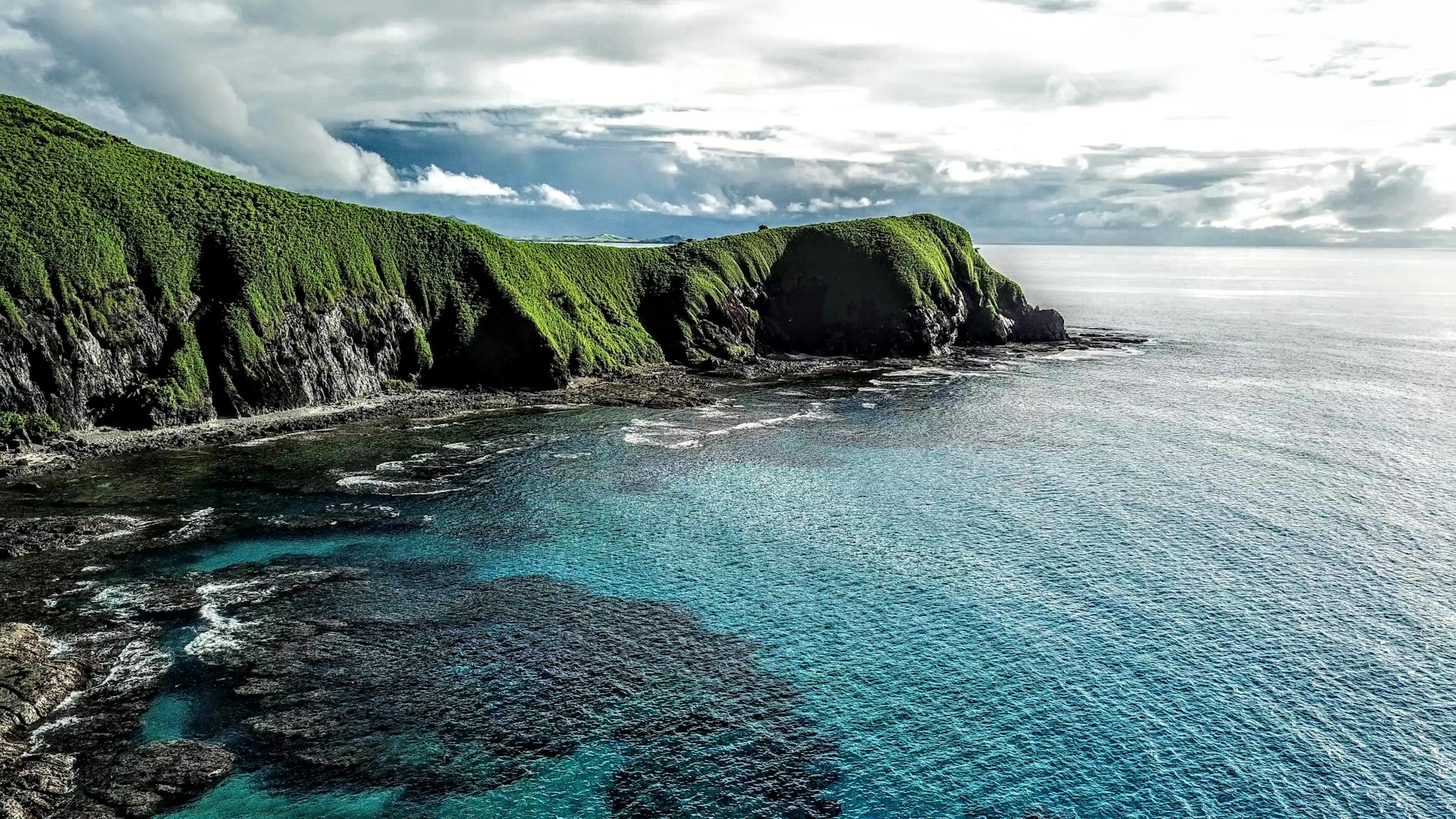
April - Transitional Tropical Serenity
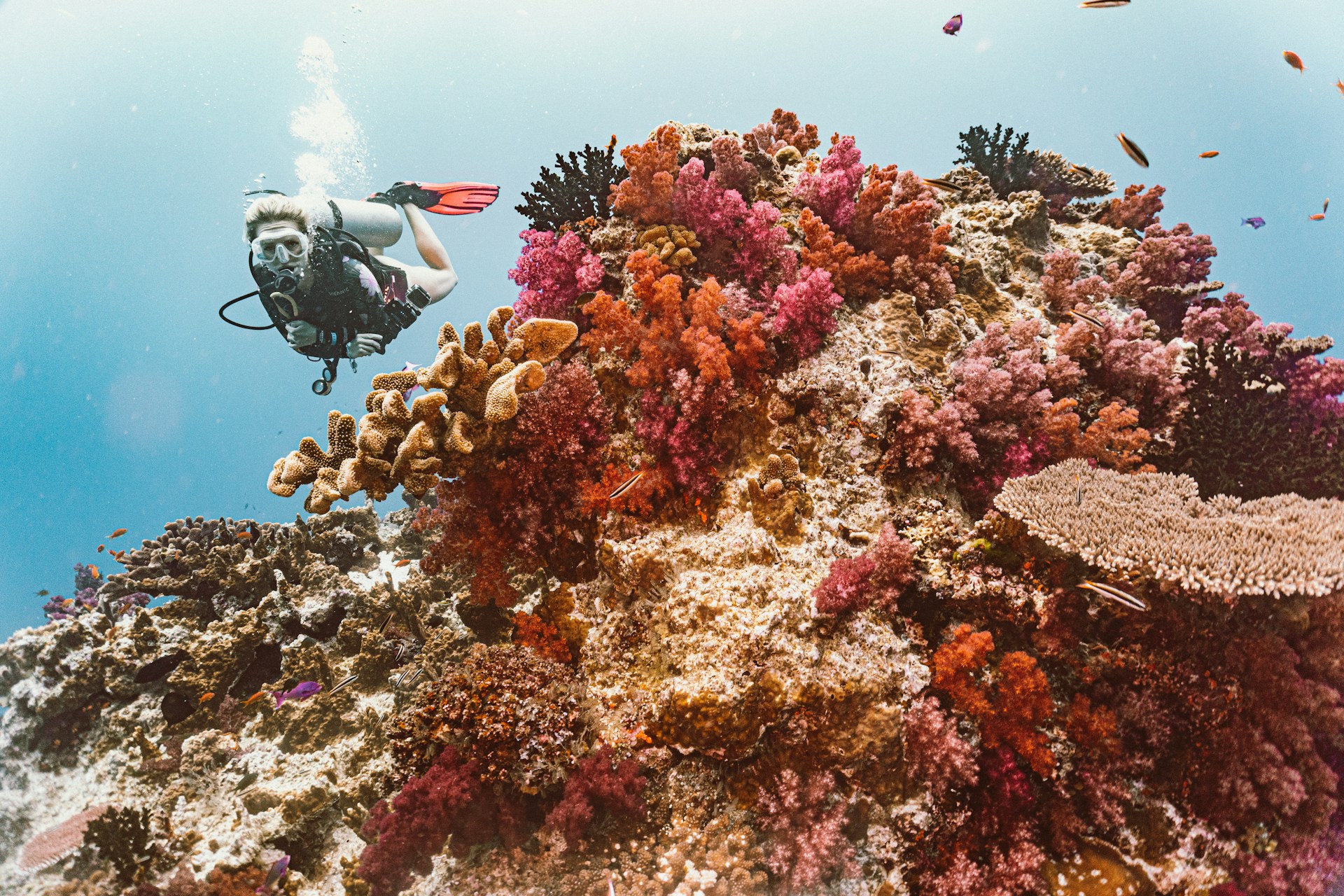
April ushers in a gentle shift from wet to dry season, with decreasing rains and warm, sunny days creating a serene backdrop for exploring Fiji’s islands and cultural heritage. The Mamanuca Islands shine with crystal-clear waters, perfect for diving at sites like the Somosomo Strait, known for its soft coral reefs. Lautoka’s sugar cane fields and vibrant markets offer a taste of Fijian life, while Savusavu’s yacht-filled bay invites sailing adventures. The Fiji Bitter Marn Festival in Suva celebrates local music and dance, adding cultural vibrancy. This shoulder season balances beauty and affordability. Visit Mamanuca Islands, Lautoka, Savusavu, and Suva. Weather in Fiji in April is warm and increasingly dry, around 75-86°F (24-30°C), making it a splendid time for those wondering when is the best time to visit Fiji for diving and cultural experiences.
May - Dry Season’s Tropical Paradise
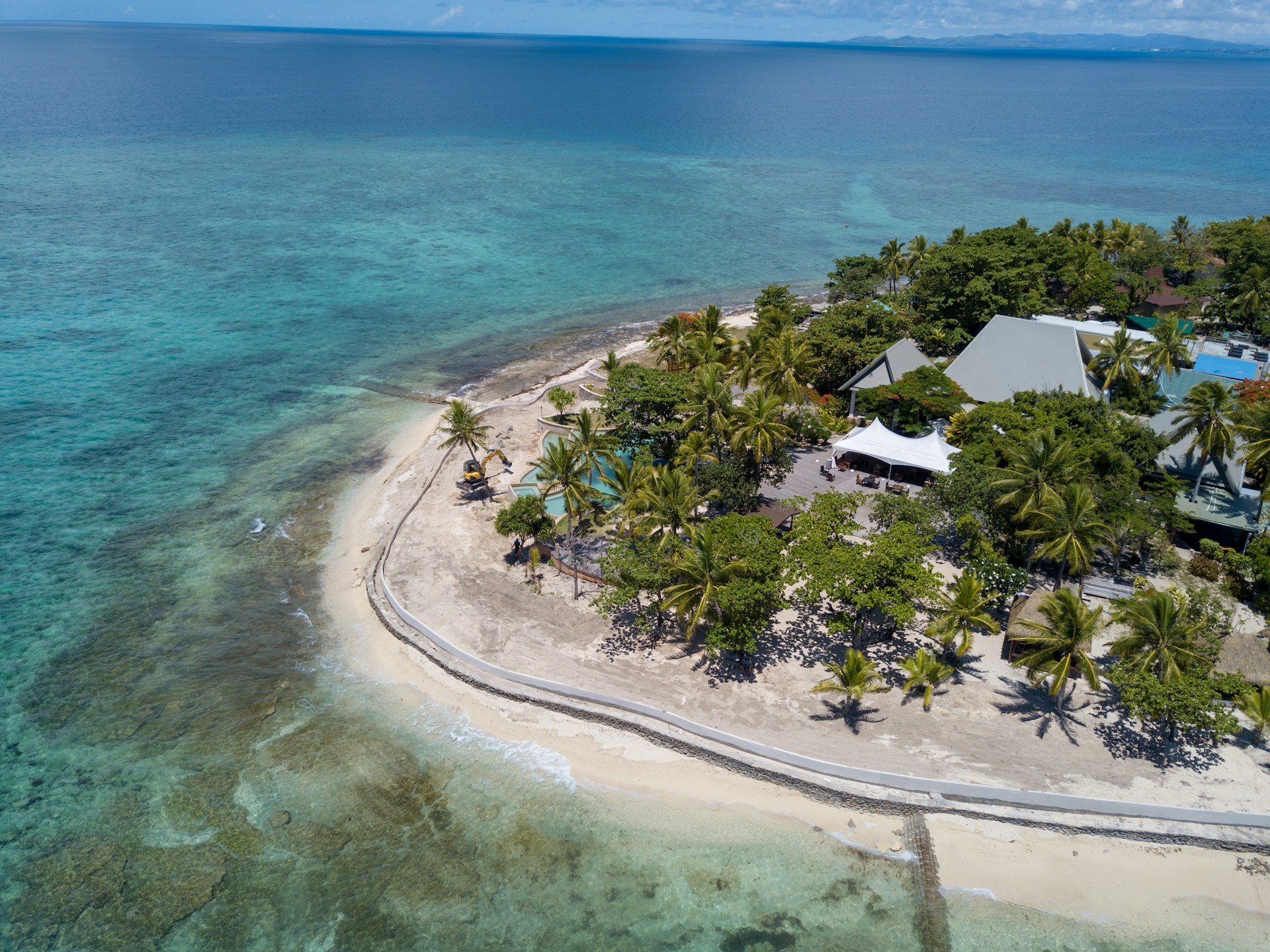
May unveils Fiji’s dry season, with clear skies and warm temperatures igniting a season of sun-soaked adventures and vibrant marine life. The Yasawa Islands offer pristine beaches and snorkeling spots like the Blue Lagoon, where colorful fish dart among corals. Nadi’s bustling markets and nearby Sabeto Hot Springs provide cultural and wellness escapes. Taveuni’s Lavena Coastal Walk reveals hidden beaches and waterfalls, perfect for eco-adventures. This low-season gem ensures uncrowded resorts and vibrant reefs. Key places include Yasawa Islands, Nadi, Taveuni, and Coral Coast. Weather in Fiji in May is warm and dry, averaging 73-84°F (23-29°C), making it the best time to visit Fiji for beach holidays and marine exploration.
June - Cool Breezes and Island Adventures
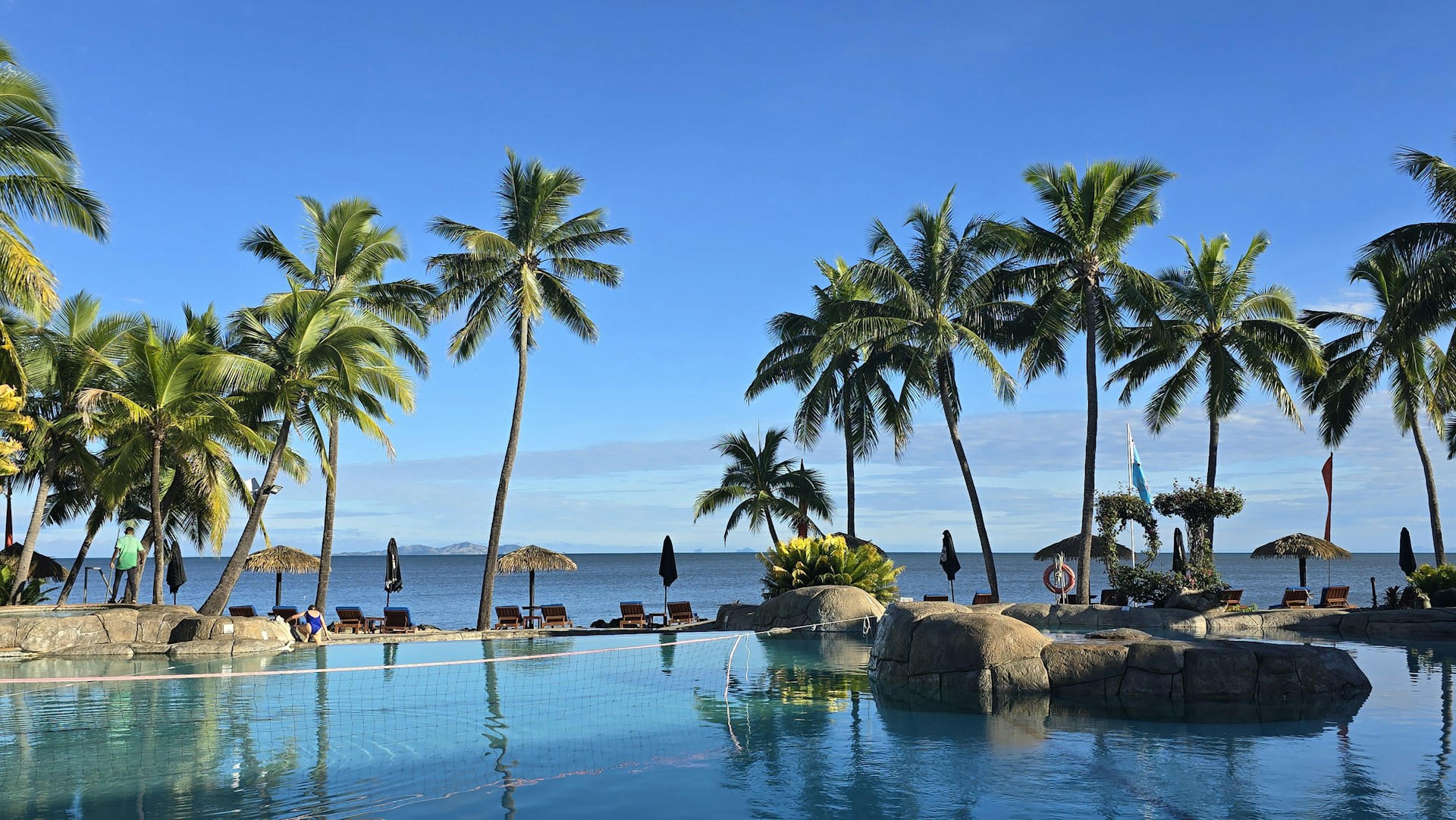
June bathes Fiji in cool, dry breezes, illuminating its turquoise lagoons and lush interiors, perfect for outdoor pursuits and cultural immersion. The Outer Islands, like Kadavu, offer world-class diving with manta rays and vibrant reefs in the Great Astrolabe Reef. Suva’s vibrant arts scene comes alive with the Fiji Festival of Arts, showcasing traditional dance and crafts. The Coral Coast’s Sigatoka River Safari provides jet-boat thrills through lush valleys. Nadi’s Garden of the Sleeping Giant blooms with orchids, ideal for tranquil strolls. Suggested destinations include Kadavu, Suva, Coral Coast, and Nadi. Weather in Fiji in June is pleasant, around 72-82°F (22-28°C), ideal for those seeking the best time to visit Fiji for diving and cultural festivals.
July - Peak Dry Season and Cultural Vibrancy
July radiates with Fiji’s dry season brilliance, offering sunny days and cool nights perfect for adventure and vibrant island traditions. The Mamanuca Islands buzz with water sports, from paddleboarding to kite surfing, while Viti Levu’s Navala Village offers a glimpse into traditional Fijian life with thatched bures. The Bula Festival in Nadi celebrates Fijian culture with fire-walking and meke dances. Savusavu’s pristine bays invite yachting and snorkeling under clear skies. This peak season draws global travelers, so book early. Explore Mamanuca Islands, Navala, Nadi, and Savusavu. Weather in Fiji in July is cool and dry, averaging 70-81°F (21-27°C), perfect for beach adventures and cultural immersion.

August - Sunlit Shores and Marine Marvels
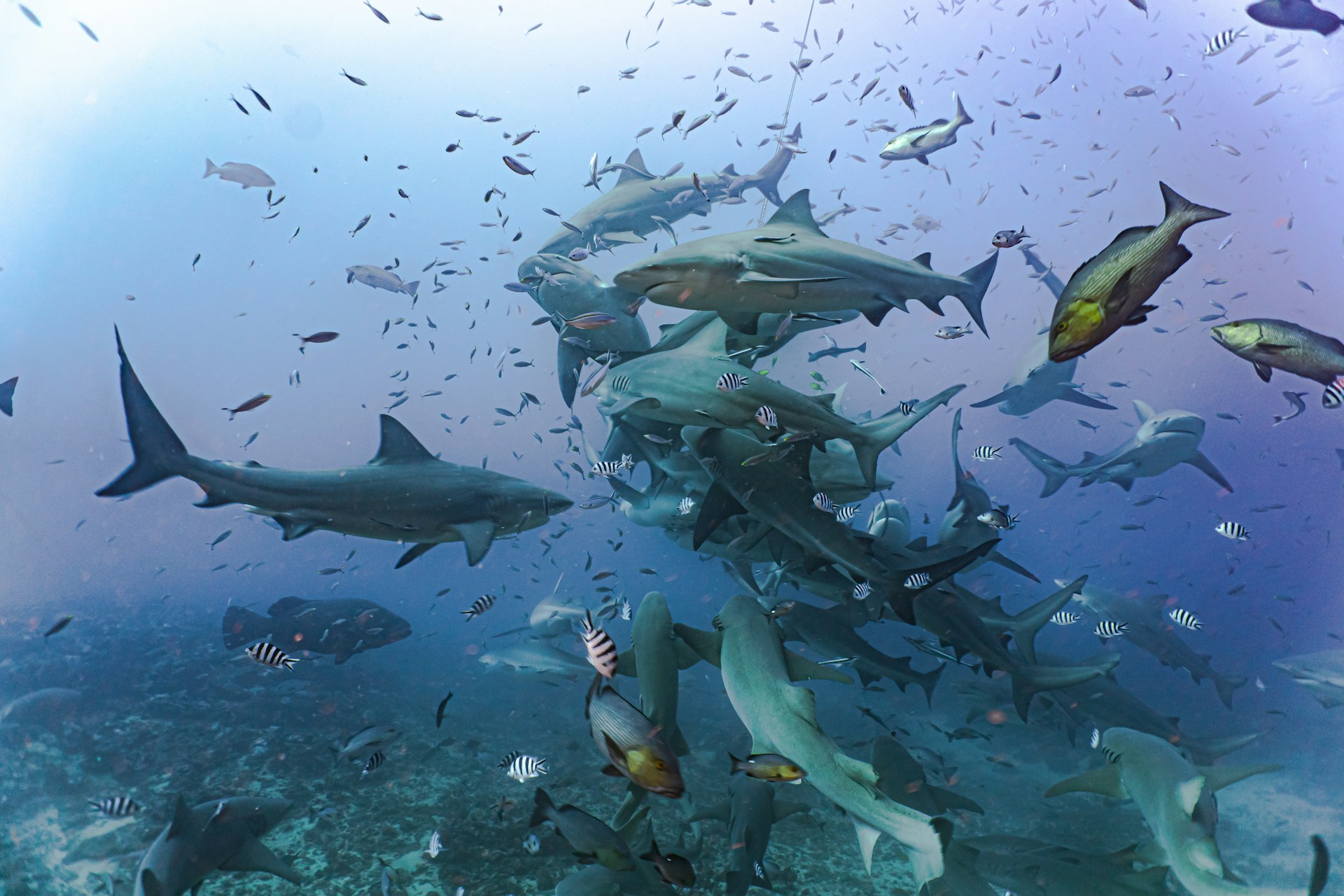
August shines with Fiji’s tropical splendor, blending sun-drenched beaches and vibrant coral reefs, ideal for water-based adventures and cultural exploration. Taveuni’s Rainbow Reef, part of the Somosomo Strait, dazzles divers with soft corals and marine life, including sharks and rays. Suva’s Fiji Museum offers historical insights, while nearby beaches provide relaxing escapes. The Yasawa Islands host traditional lovo feasts, showcasing Fijian cuisine cooked in earth ovens. Lautoka’s sugar festival adds sweet cultural flair. Suggested destinations include Taveuni, Suva, Yasawa Islands, and Lautoka. Weather in Fiji in August is warm and dry, around 70-82°F (21-28°C), perfect for enjoying Fiji’s marine wonders and cultural heritage.
September - Spring’s Warm Glow and Island Serenity
September cloaks Fiji in a warm, spring-like embrace, with dry skies and blooming flora creating a serene backdrop for island hopping and cultural discoveries. The Coral Coast’s eco-resorts offer sustainable stays and snorkeling in vibrant reefs. Levuka, Fiji’s old capital on Ovalau, showcases colonial history with UNESCO-listed architecture. Nadi’s vibrant markets brim with tropical fruits and handicrafts. The Hibiscus Festival in Suva celebrates Fijian culture with parades and beauty pageants. Key destinations include Coral Coast, Levuka, Nadi, and Suva. Weather in Fiji in September is warm and dry, averaging 72-84°F (22-29°C), making it the best time to visit southern Fiji for serene beaches and cultural events.
October - Tropical Warmth and Festival Energy
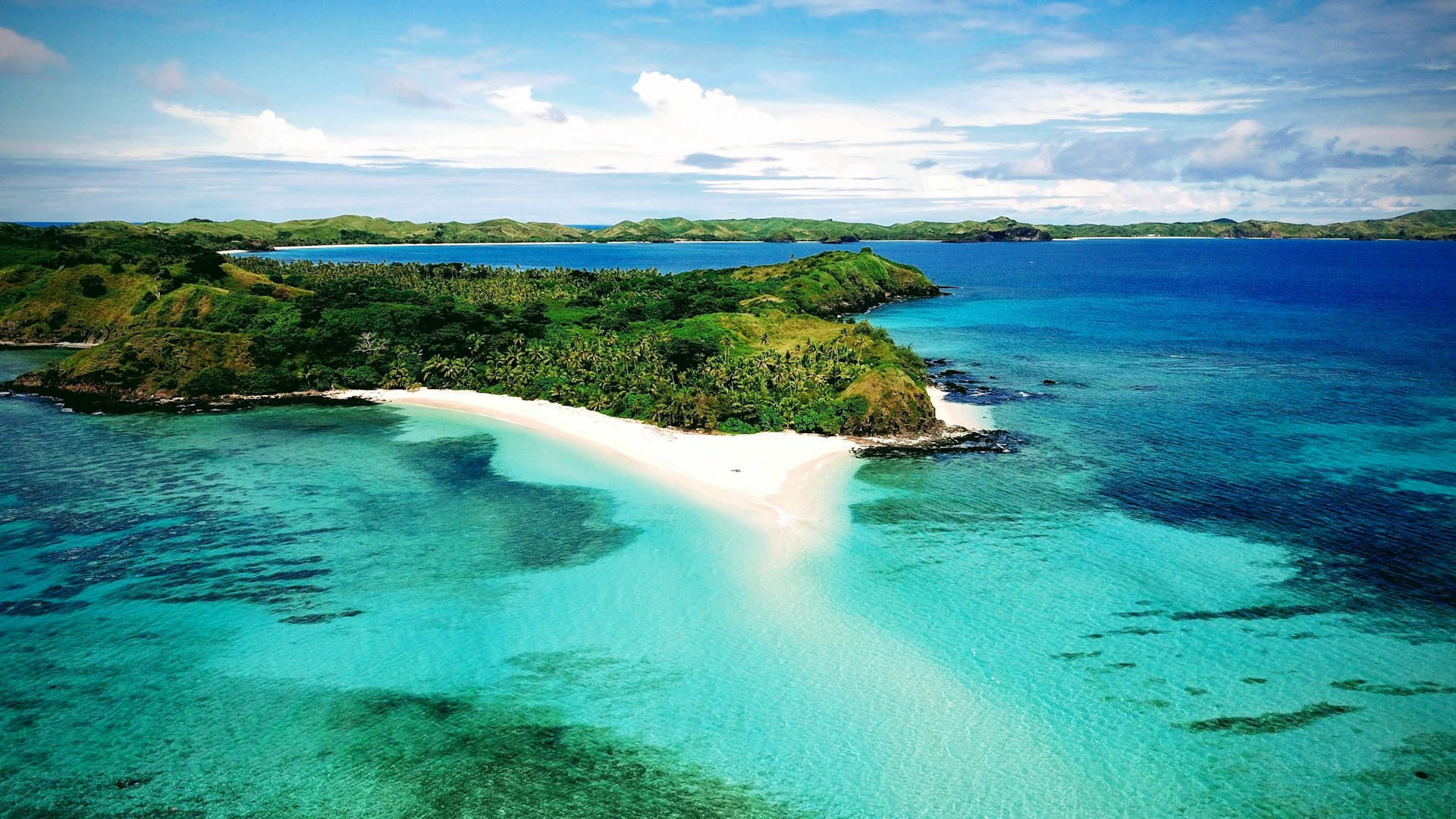
October weaves a vibrant tropical tapestry, with warm, dry days and festive energy, ideal for water sports and cultural celebrations. The Mamanuca Islands offer perfect conditions for sailing and diving, with clear waters revealing coral gardens. Savusavu’s Diwali Festival lights up the night with fireworks and sweet treats, celebrating Fiji’s Indian heritage. Taveuni’s Waitabu Marine Park provides snorkeling and village visits for authentic cultural experiences. Viti Levu’s Natadola Beach offers horse riding along pristine shores. Recommended places include Mamanuca Islands, Savusavu, Taveuni, and Natadola. Weather in Fiji in October is warm and dry, around 73-84°F (23-29°C), perfect for outdoor adventures and festivals.
November - Early Rains and Cultural Warmth
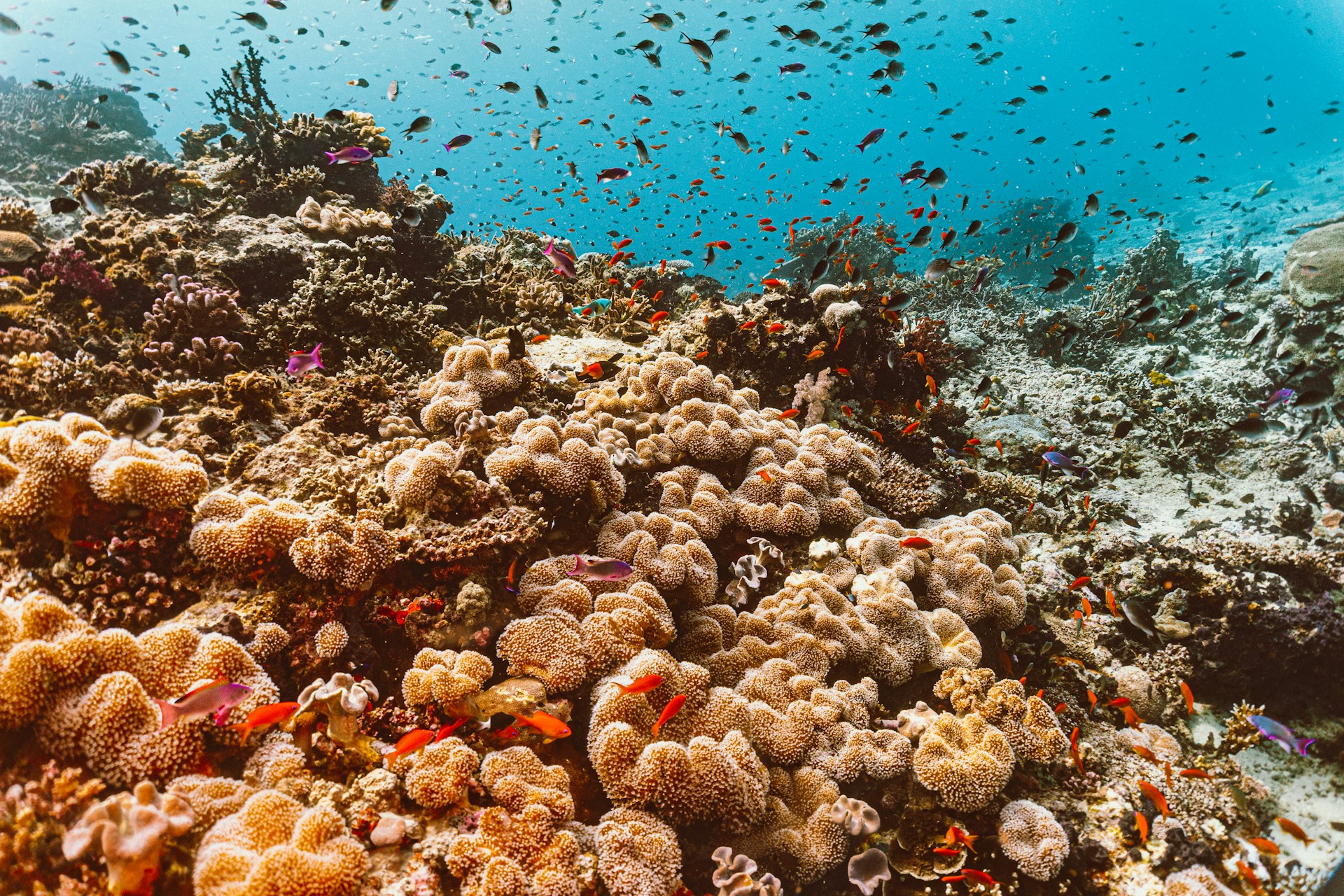
November brings the first gentle rains, refreshing Fiji’s landscapes and ushering in a lush, green season, perfect for cultural immersion and quieter island escapes. Suva’s vibrant markets and colonial architecture shine, with early Christmas preparations adding festive cheer. The Yasawa Islands offer secluded beach retreats, ideal for snorkeling and kayaking. Taveuni’s rainforests burst with life, perfect for birdwatching and waterfall hikes. Nadi’s cultural villages host traditional ceremonies, offering authentic Fijian experiences. Suggested destinations include Suva, Yasawa Islands, Taveuni, and Nadi. Weather in Fiji in November is warm with occasional showers, averaging 74-86°F (23-30°C), making it the best time to visit northern Fiji for cultural depth and lush scenery.
December - Festive Tropical Cheer
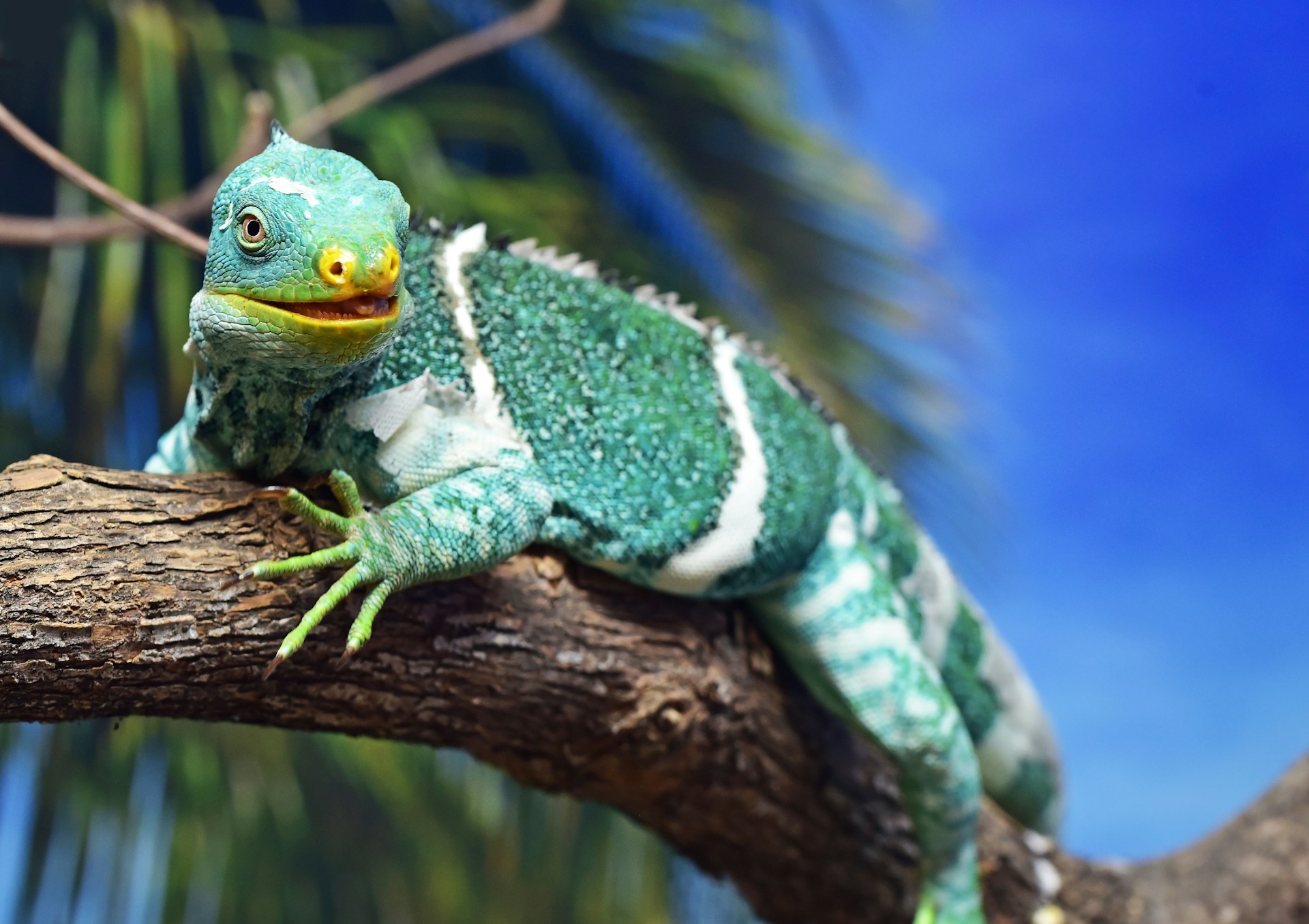
December transforms Fiji into a festive tropical paradise, with early wet season rains enhancing its emerald landscapes and holiday celebrations lighting up its islands. Nadi’s Christmas markets brim with handmade crafts and tropical treats, while the Coral Coast’s resorts host festive beachside feasts. The Mamanuca Islands offer diving and surfing in warm waters, while Suva’s holiday lights and carol events create a joyful ambiance. Savusavu’s yachting community adds nautical charm to the season. This high-season kickoff buzzes with energy. Key destinations include Nadi, Coral Coast, Mamanuca Islands, and Suva. Weather in Fiji in December is warm and humid, averaging 75-86°F (24-30°C), a vibrant backdrop for those seeking the best time to visit Fiji for festive holidays and tropical adventures.