
BotswanaBest Time to Visit
January - Lush Wilderness in the Green Season
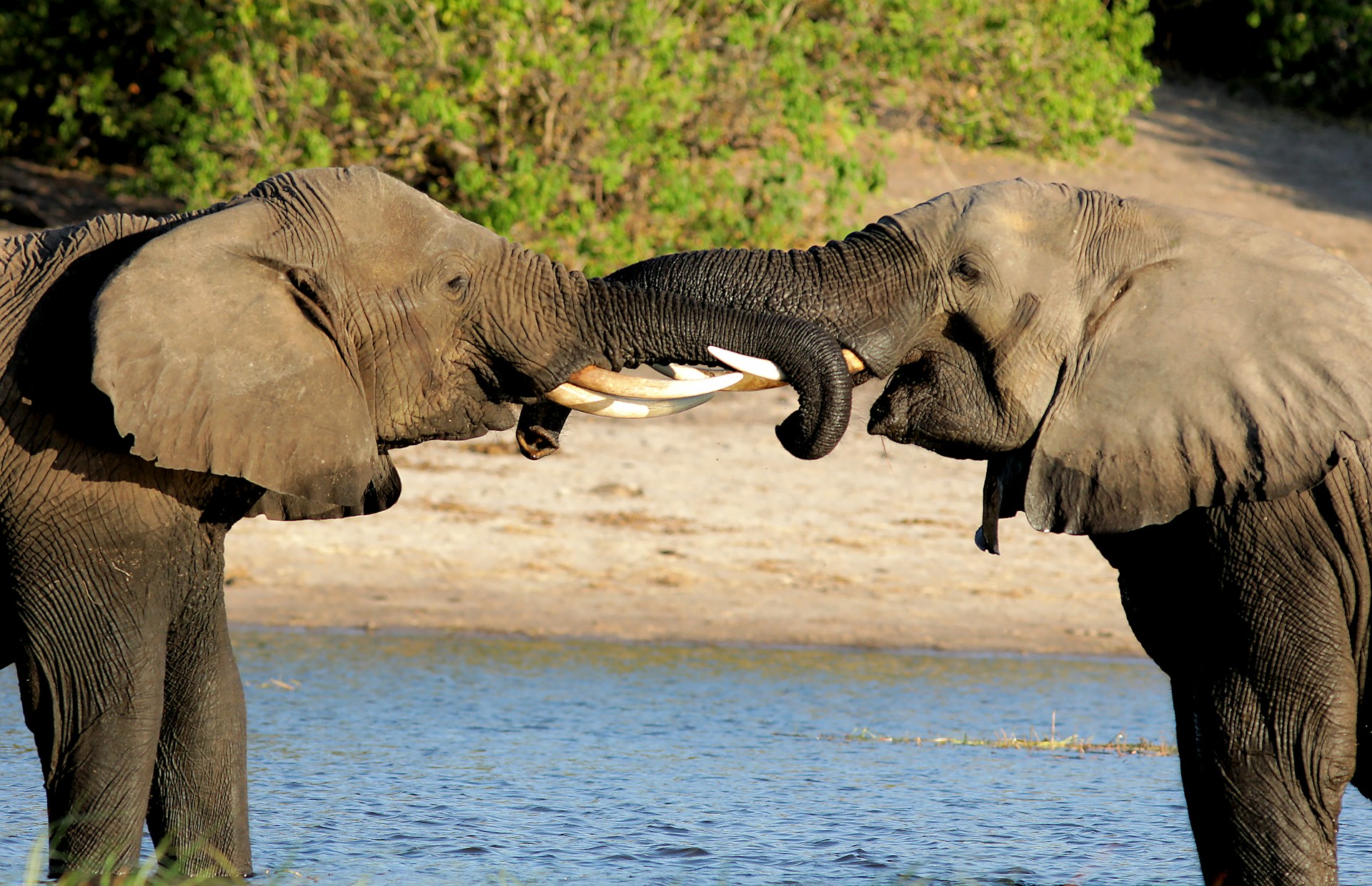
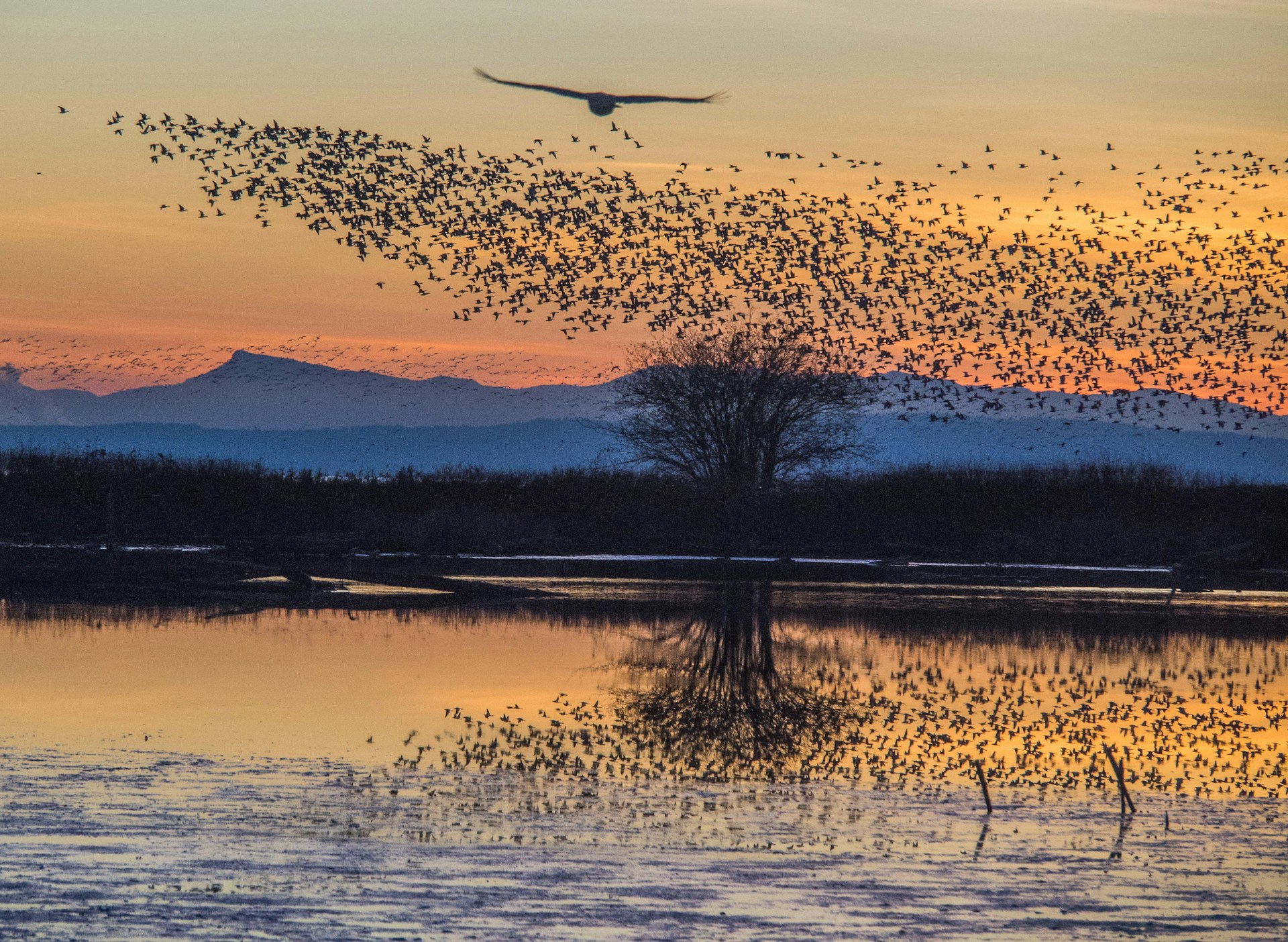
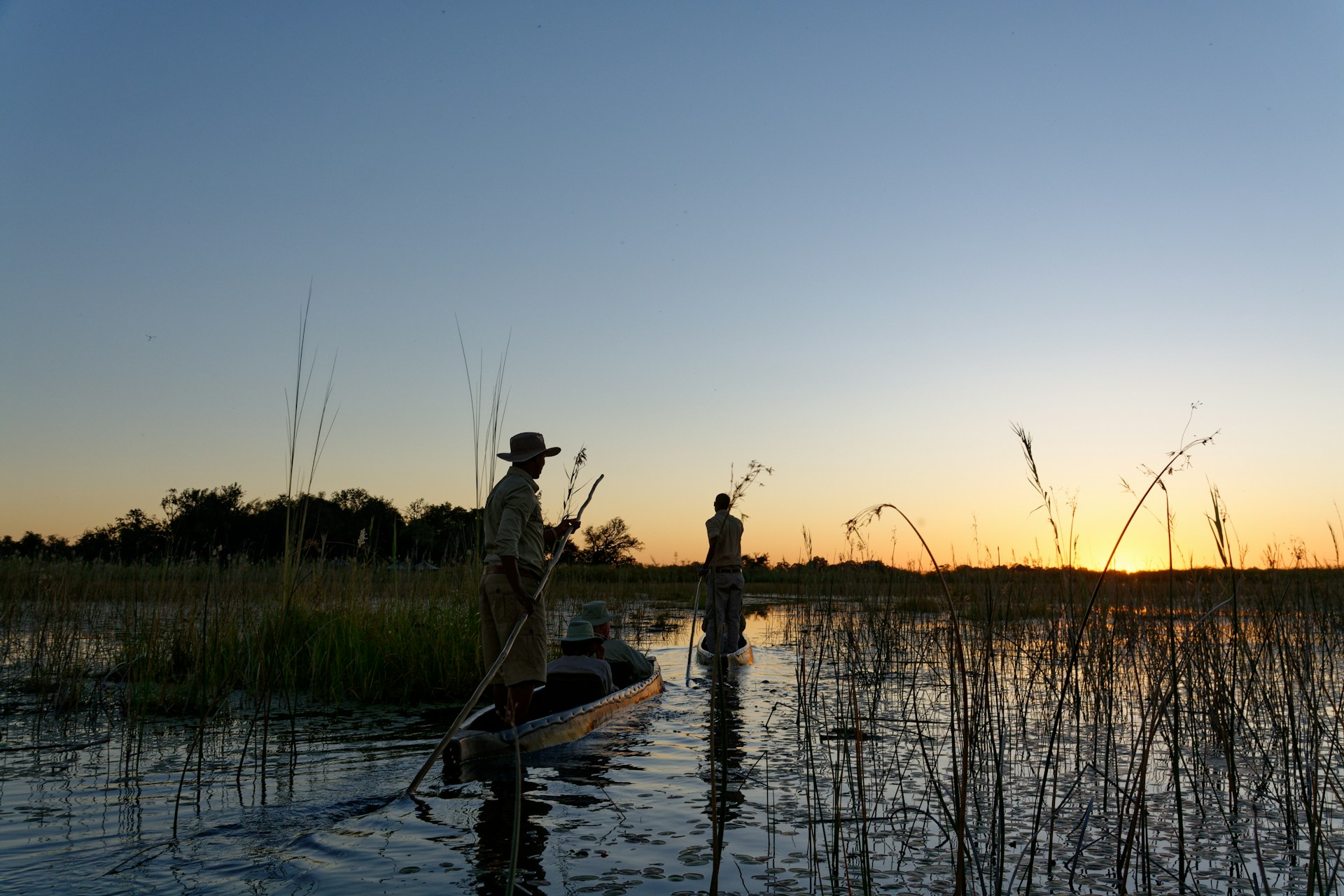
January drapes Botswana in a verdant cloak as the rainy season transforms its landscapes into a lush, emerald paradise. The Okavango Delta bursts with life, its floodplains teeming with hippos, crocodiles, and migratory birds, perfect for mokoro (dugout canoe) safaris. Chobe National Park’s riverfront attracts elephants in droves, offering spectacular wildlife viewing. Maun’s vibrant markets hum with local crafts. Key destinations include Okavango Delta, Chobe, Maun, and Savuti. Weather in Botswana in January is warm and wet, with lush scenery, making it a magical time for those wondering when is the best time to visit Botswana for birdwatching and serene water-based safaris.
February - Romantic Safaris Amid Verdant Plains
February bathes Botswana in a romantic, green glow, with the rainy season creating lush backdrops for intimate wildlife encounters. The Okavango Delta’s channels offer tranquil boat safaris, where couples can spot leopards lounging in acacia trees. Moremi Game Reserve’s floodplains shimmer, hosting buffalo and antelope herds. Gaborone’s cultural festivals showcase Setswana traditions with music and dance. Suggested places include Okavango Delta, Moremi, Gaborone, and Tsodilo Hills. Weather in Botswana in February is warm and rainy, making it one of the best times of year to visit Botswana for lush landscapes and quieter lodges.
March - Green Season’s Vibrant Finale
March marks the rainy season’s lush crescendo, with Botswana’s parks at their greenest and most vibrant. The Central Kalahari Game Reserve blooms with wildflowers, attracting grazing animals and predators, ideal for off-road safaris. The Makgadikgadi Pans glisten with seasonal water, drawing flamingos and zebras. Kasane’s proximity to Chobe offers prime elephant sightings. Key destinations include Central Kalahari, Makgadikgadi, Kasane, and Okavango Delta. Weather in Botswana in March is warm and wet, perfect for explorers seeking the best season to visit Botswana’s thriving ecosystems.
April - Transition to Dry Season Serenity
April ushers in the shift to the dry season, with clearer skies and lush landscapes transitioning to golden hues. The Okavango Delta’s floodwaters begin to arrive, creating a mosaic of islands perfect for game drives and boat trips. Chobe’s riverfront remains a wildlife hotspot, with lions stalking prey. The Nxai Pan National Park offers surreal baobab landscapes and migrating herds. Visit Okavango Delta, Chobe, Nxai Pan, and Maun. Weather in Botswana in April is warm with decreasing rain, a splendid time for those wondering when is the best time to visit Botswana for diverse safari experiences.
May - Dry Season’s Wildlife Spectacle
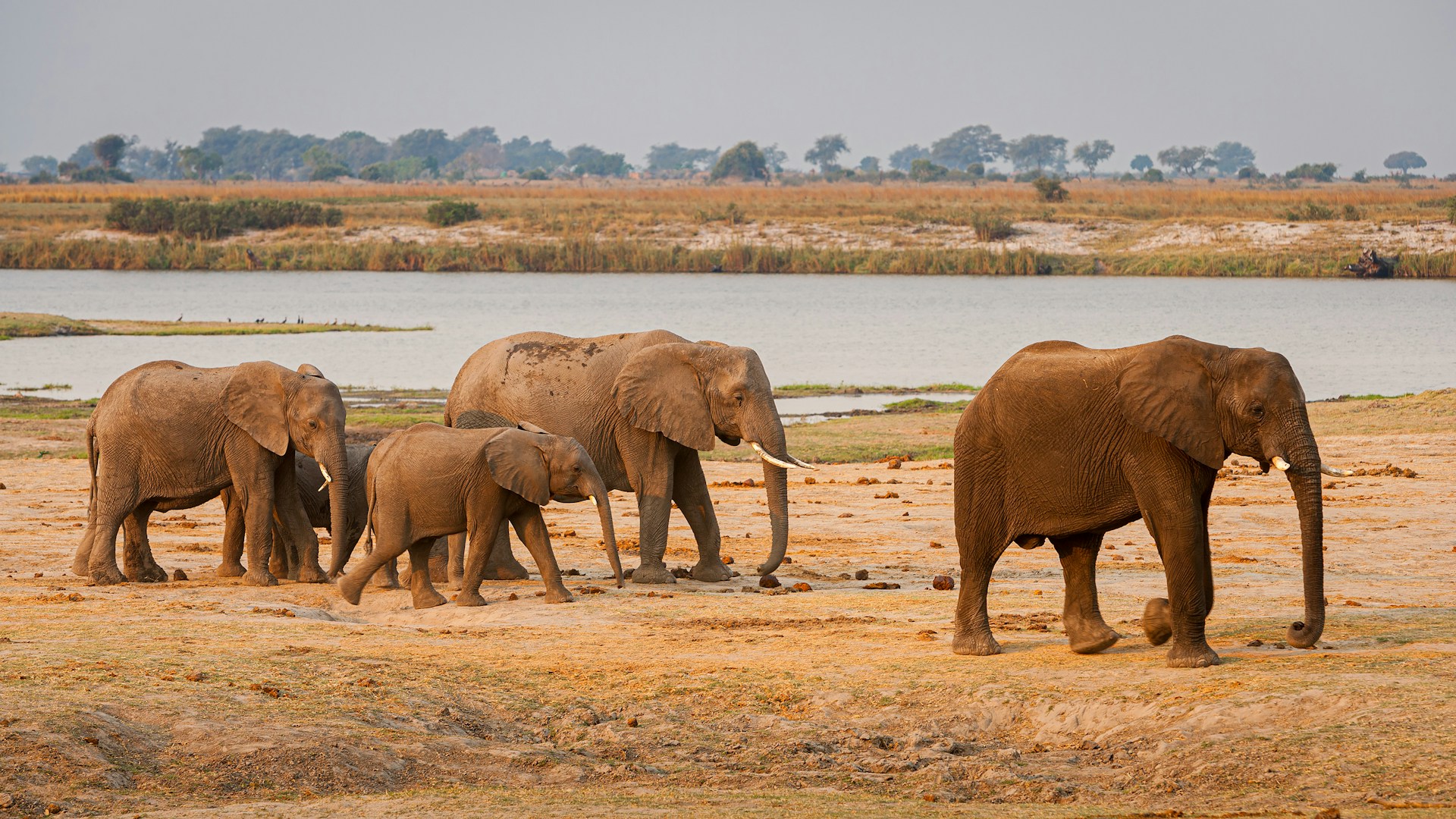
May unveils Botswana’s crisp, golden savannas, with sunny days igniting prime safari conditions. The Okavango Delta’s rising waters attract elephants, giraffes, and hippos, perfect for photographic safaris. Moremi Game Reserve’s dry plains draw predators like wild dogs, offering thrilling game viewing. Francistown’s cultural markets buzz with local crafts. Key places include Okavango Delta, Moremi, Francistown, and Savuti. Weather in Botswana in May is warm and dry, making it the best time to visit Botswana for vibrant wildlife and clear vistas.
June - Golden Savannas and Cool Breezes
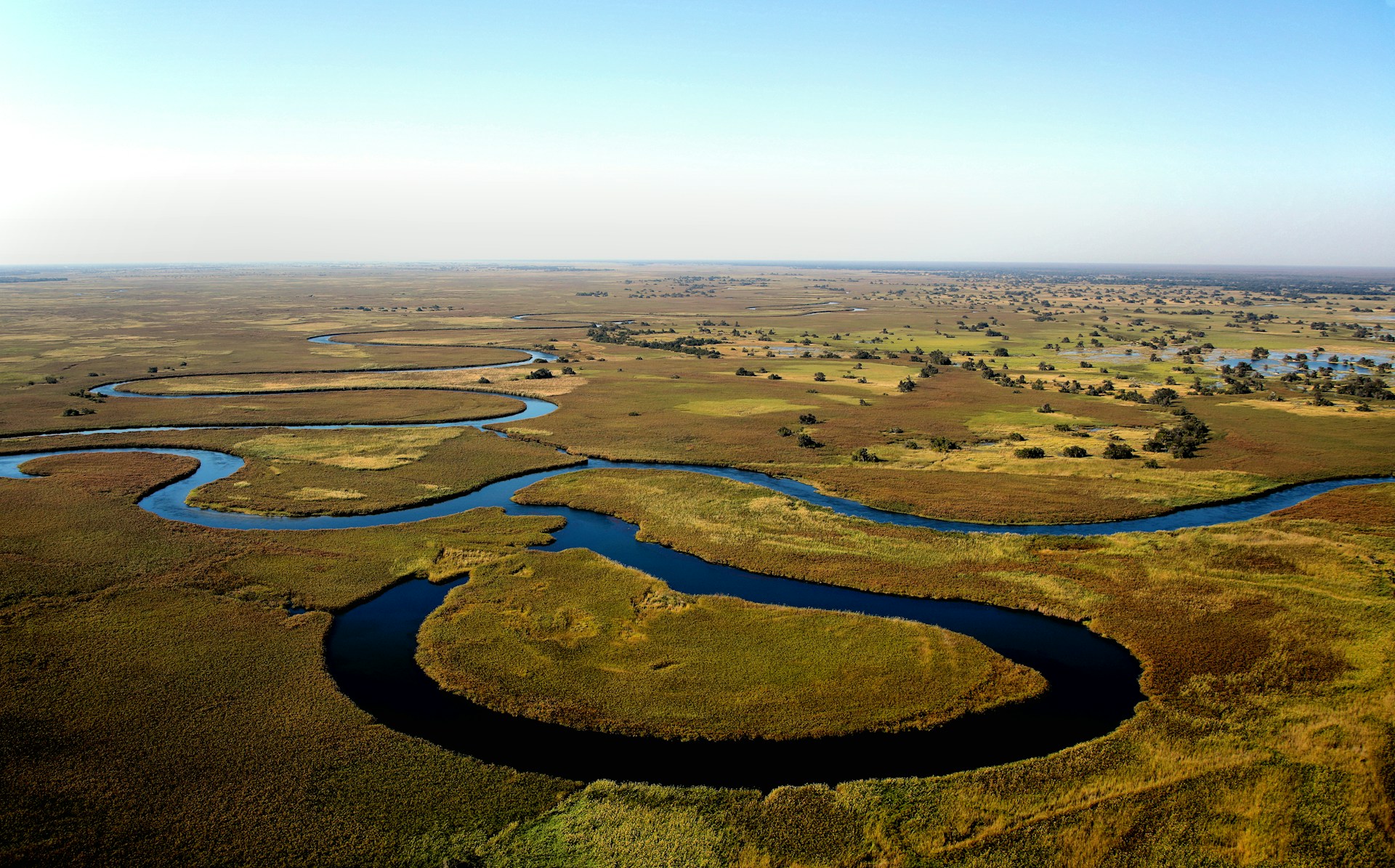
June bathes Botswana in golden sunlight, with cool, dry days illuminating its wild heart. Chobe National Park’s riverfront becomes a wildlife theater, with elephants bathing and crocodiles lurking, ideal for boat safaris. The Central Kalahari’s open plains reveal cheetahs and black-maned lions. Maun’s gateway to the Delta offers cultural immersion with local storytelling. Suggested destinations include Chobe, Central Kalahari, Maun, and Linyanti. Weather in Botswana in June is cool and dry, ideal for those seeking the best time to visit Botswana’s iconic safari destinations.
July - Peak Safari Season and Starlit Skies
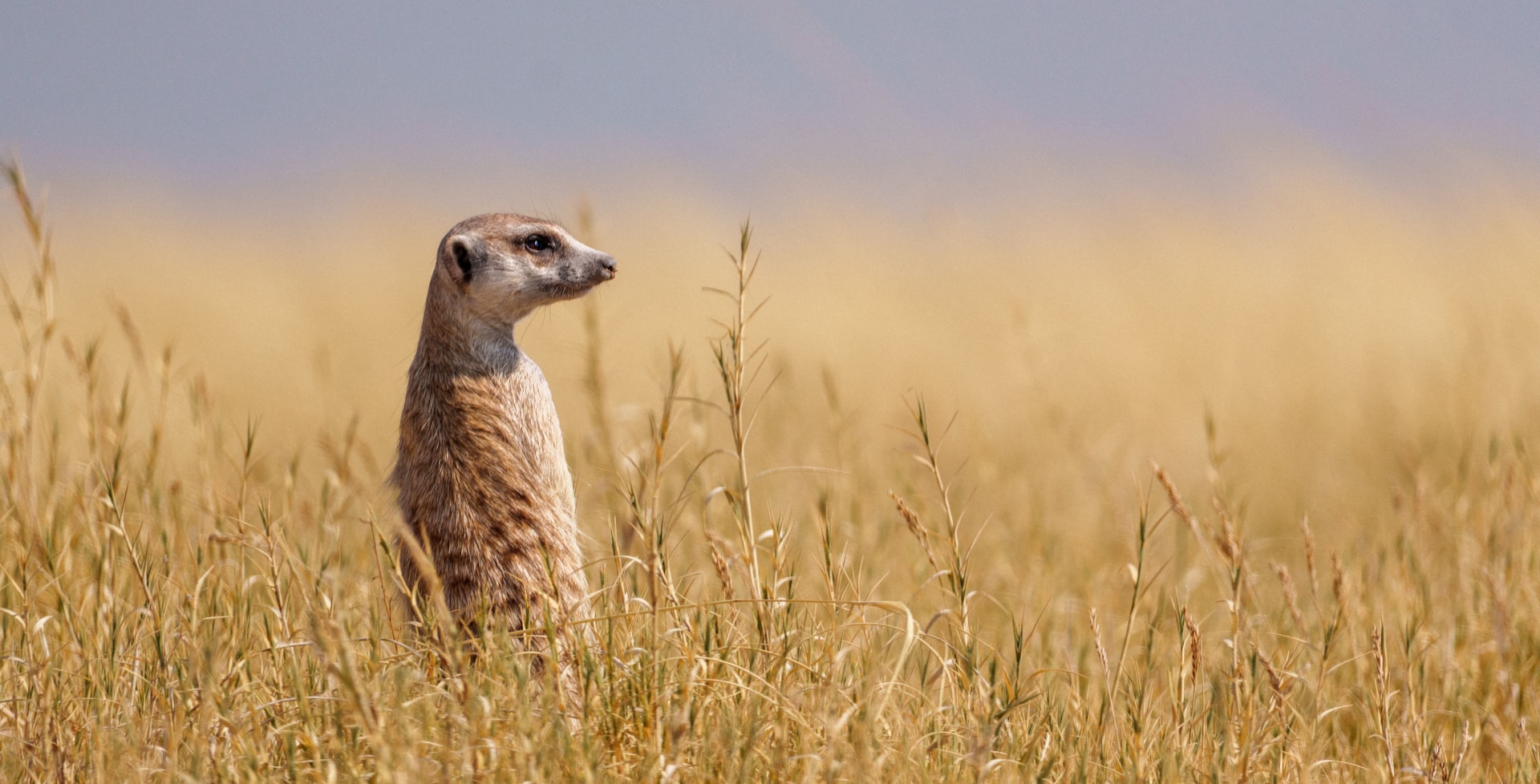
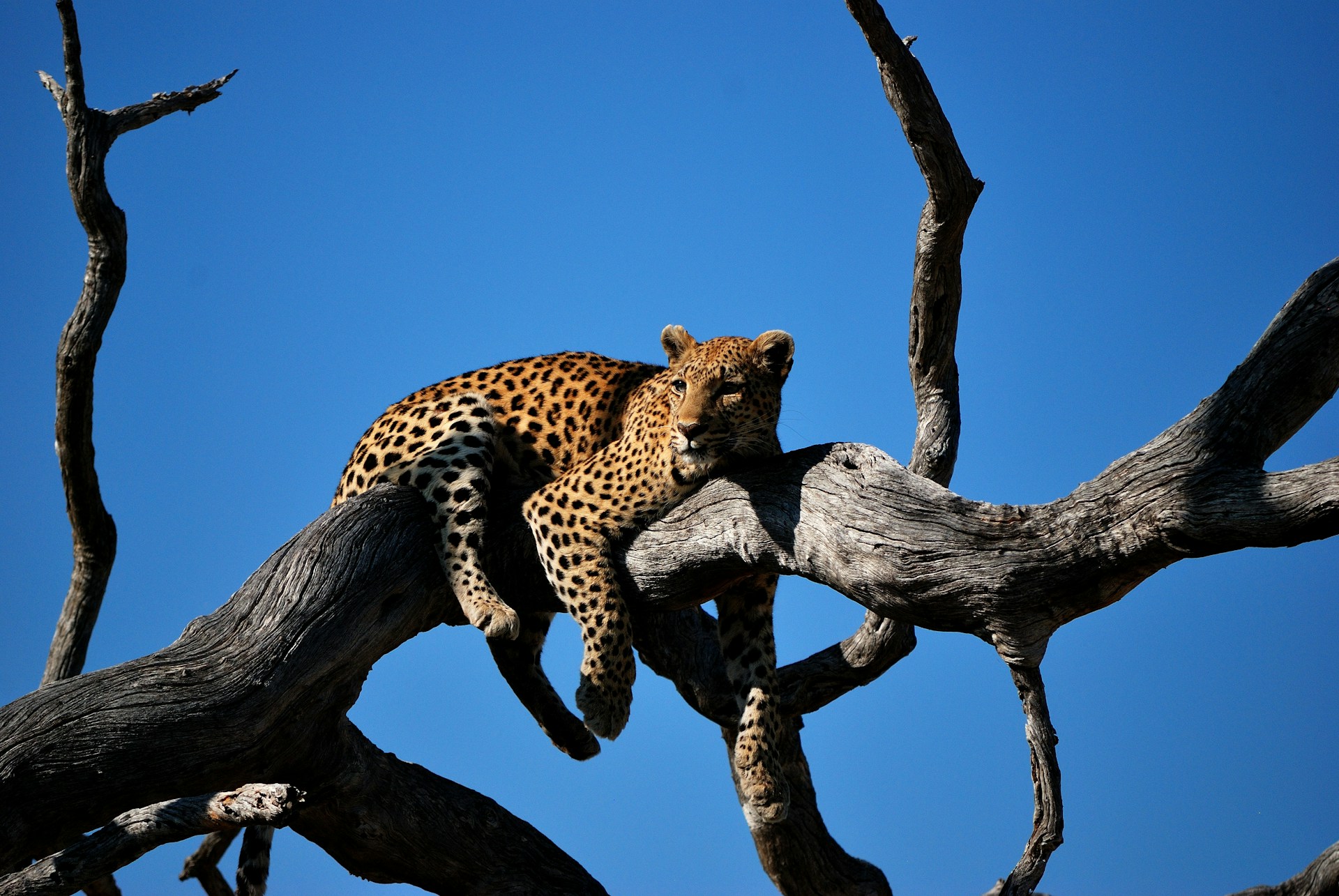
July radiates with Botswana’s dry season brilliance, offering crystal-clear skies and unparalleled wildlife viewing. The Okavango Delta’s floodplains peak, creating a labyrinth of channels teeming with buffalo and leopards, perfect for mokoro adventures. Makgadikgadi Pans’ stark beauty hosts meerkat colonies and starry night camps. Kasane’s proximity to Chobe ensures epic elephant encounters. Explore Okavango Delta, Makgadikgadi, Kasane, and Moremi. Weather in Botswana in July is cool and sunny, perfect for safari enthusiasts seeking Botswana’s untamed splendor.
August - Wildlife Drama and Desert Wonders
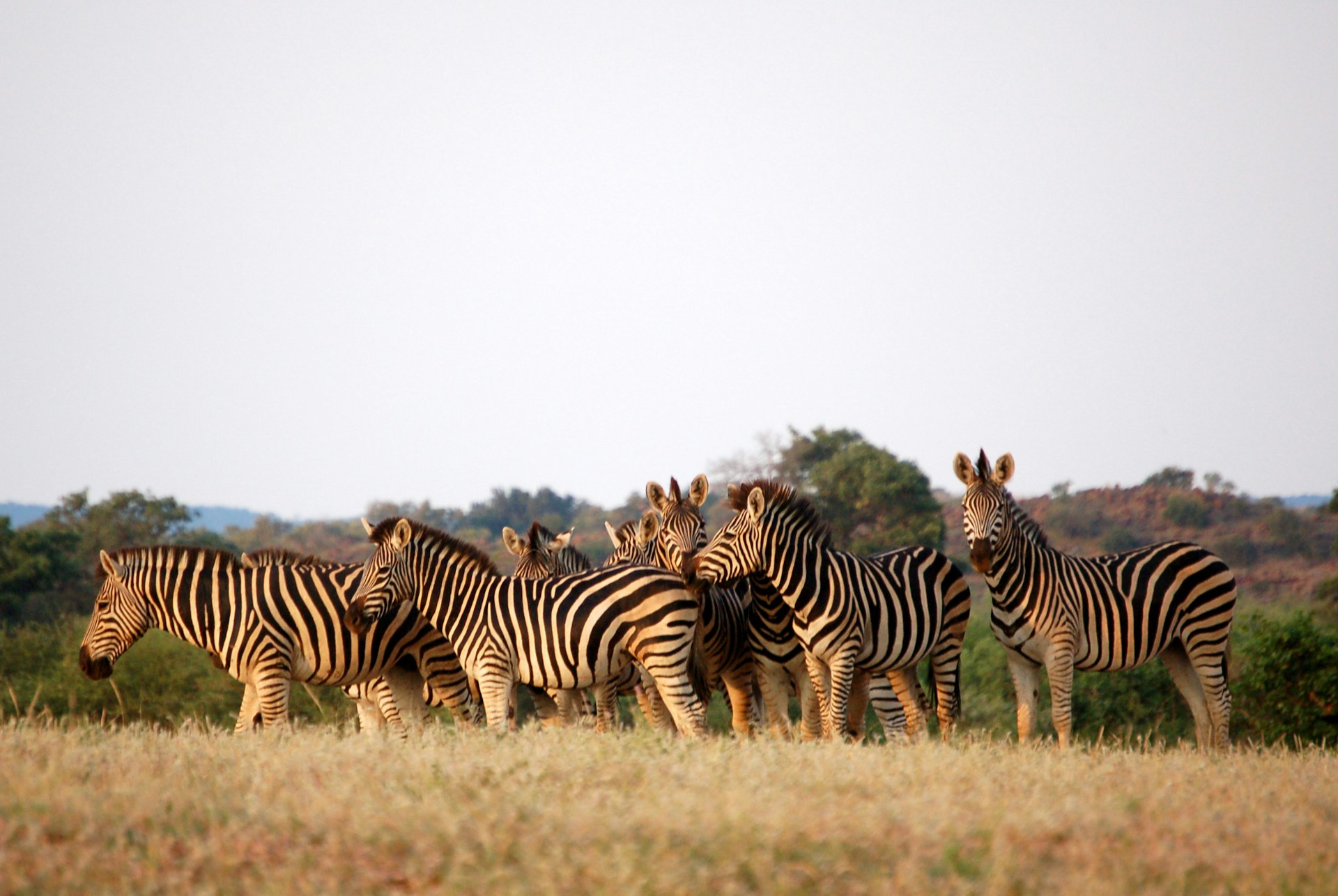
August shines with Botswana’s high-season majesty, blending dramatic wildlife and surreal landscapes. Moremi Game Reserve’s dry savannas attract predators and prey, ideal for walking safaris. The Kalahari’s Tsodilo Hills, a UNESCO site, reveal ancient rock art under clear skies. The Okavango Delta’s waterways offer serene birdwatching, with fish eagles soaring overhead. Suggested destinations include Moremi, Tsodilo Hills, Okavango Delta, and Chobe. Weather in Botswana in August is warm and dry, perfect for enjoying Botswana’s wildlife spectacles and cultural heritage.
September - Spring’s Warm Awakening
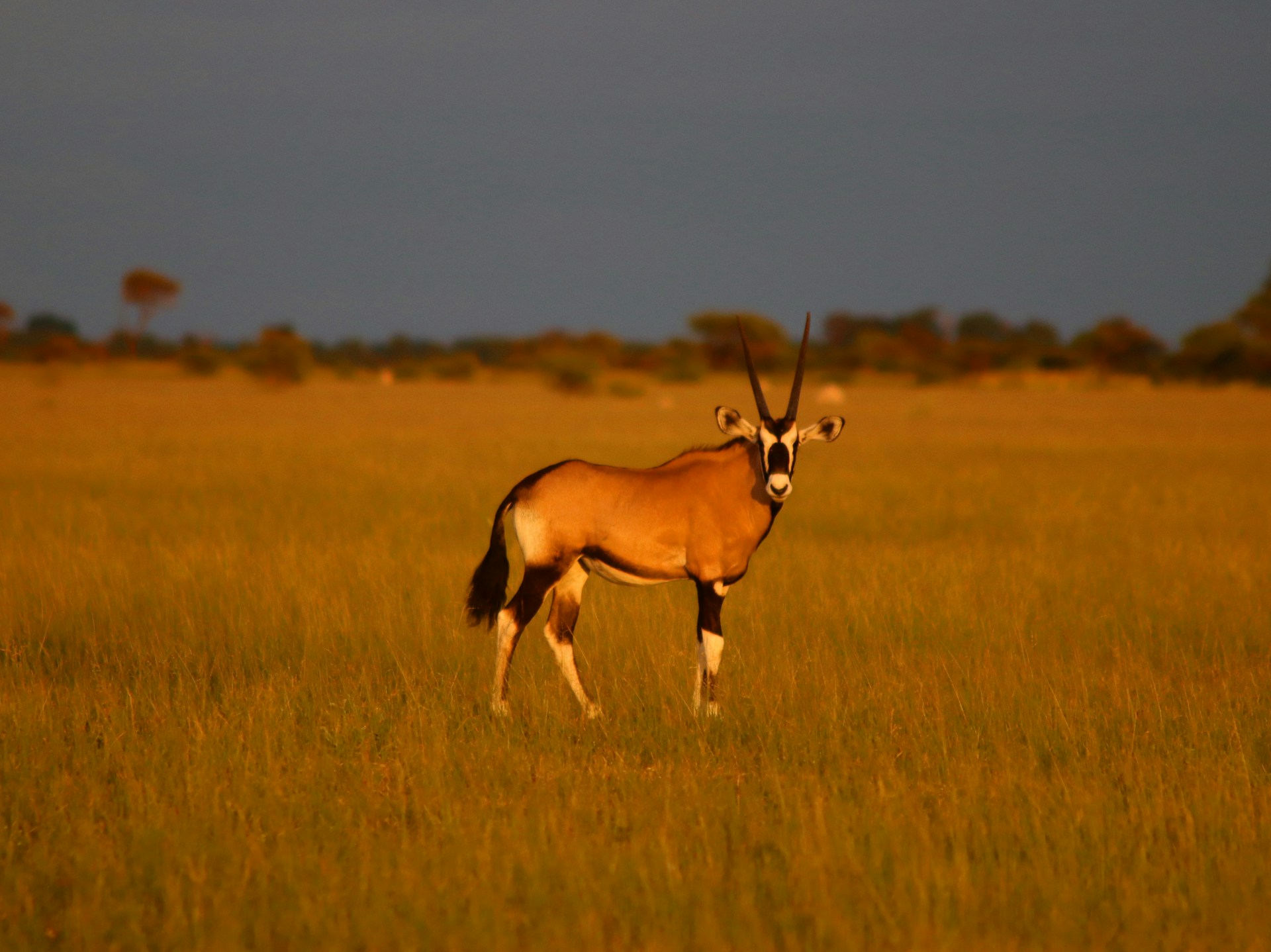
September heralds spring’s arrival, with warming temperatures and blooming acacias painting Botswana’s landscapes. The Okavango Delta remains a wildlife haven, with antelopes and lions gathering at shrinking waterholes. The Makgadikgadi Pans offer quad-biking adventures across vast salt flats. Gaborone’s vibrant festivals celebrate Botswana’s independence with music and dance. Key destinations include Okavango Delta, Makgadikgadi, Gaborone, and Savuti. Weather in Botswana in September is warm and dry, making it the best time to visit southern Botswana for wildlife and cultural vibrancy.
October - Vibrant Spring and Safari Bliss
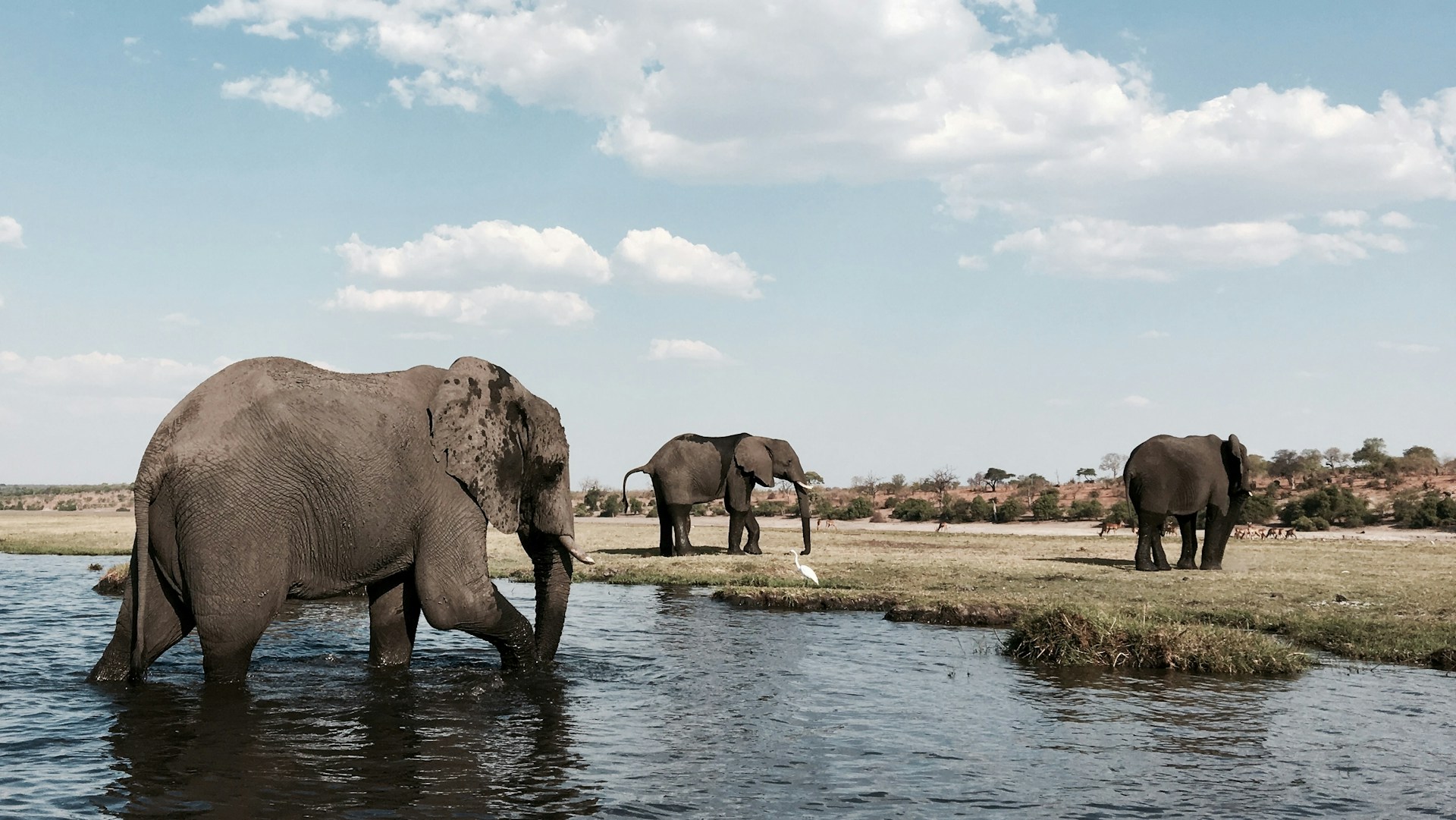
October weaves a vibrant spring tapestry, with hot days and thriving wildlife. Chobe National Park’s riverfront teems with elephants and buffalo, perfect for boat and game drives. The Central Kalahari’s sparse vegetation reveals elusive predators like leopards. Maun’s cultural scene buzzes with traditional crafts and storytelling. Recommended places include Chobe, Central Kalahari, Maun, and Linyanti. Weather in Botswana in October is hot and dry, ideal for safari adventures and clear wildlife sightings.
November - Early Rains and Green Beginnings
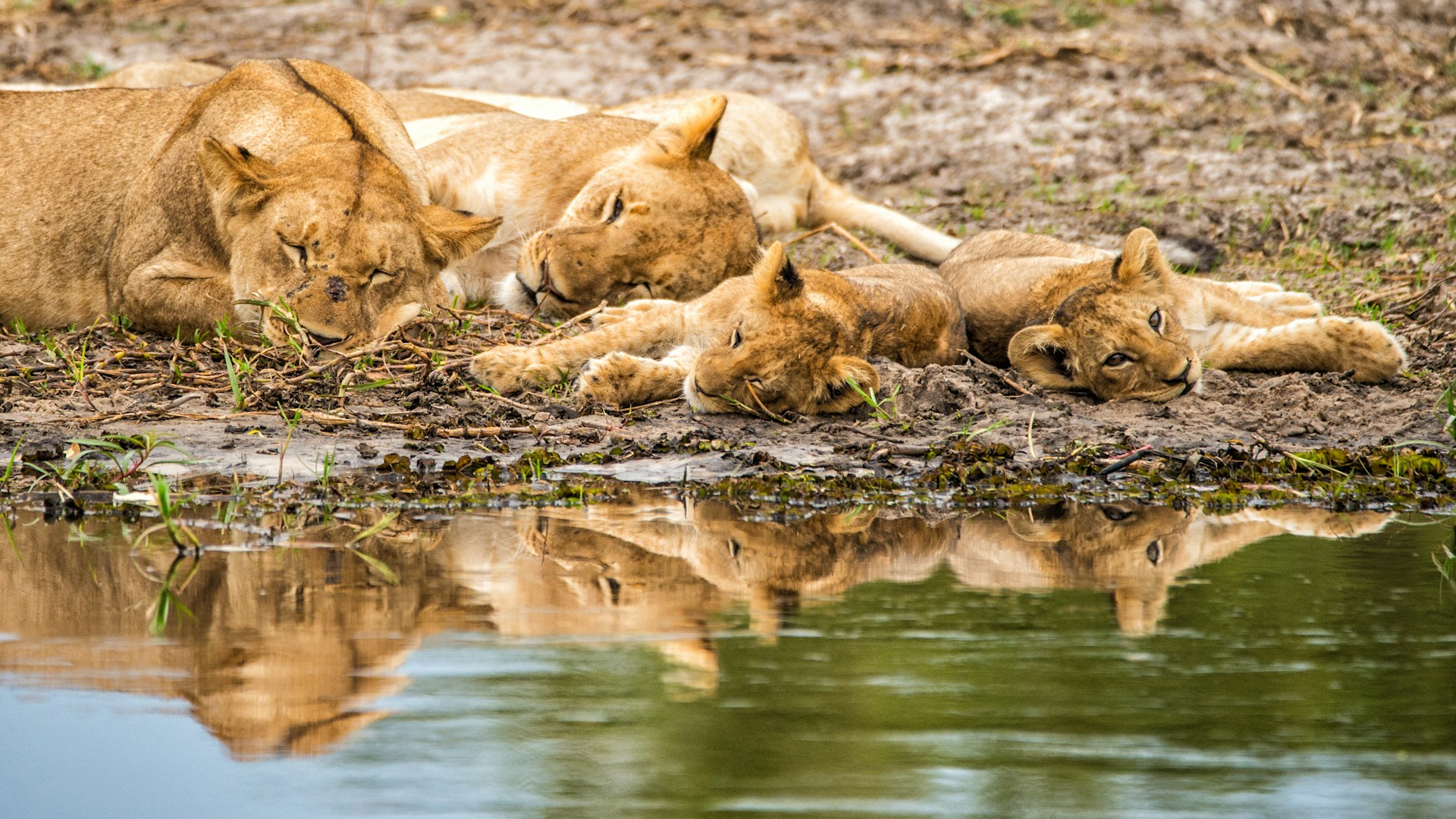
November brings the first rains, reviving Botswana’s landscapes and ushering in the green season. The Okavango Delta’s floodplains attract migratory birds, perfect for birdwatchers. Nxai Pan’s zebra migration begins, creating a stunning spectacle. Francistown’s markets offer vibrant cultural immersion. Suggested destinations include Okavango Delta, Nxai Pan, Francistown, and Moremi. Weather in Botswana in November is warm with occasional showers, making it the best time to visit northern Botswana for birdlife and quieter safaris.
December - Festive Cheer and Emerging Greenery
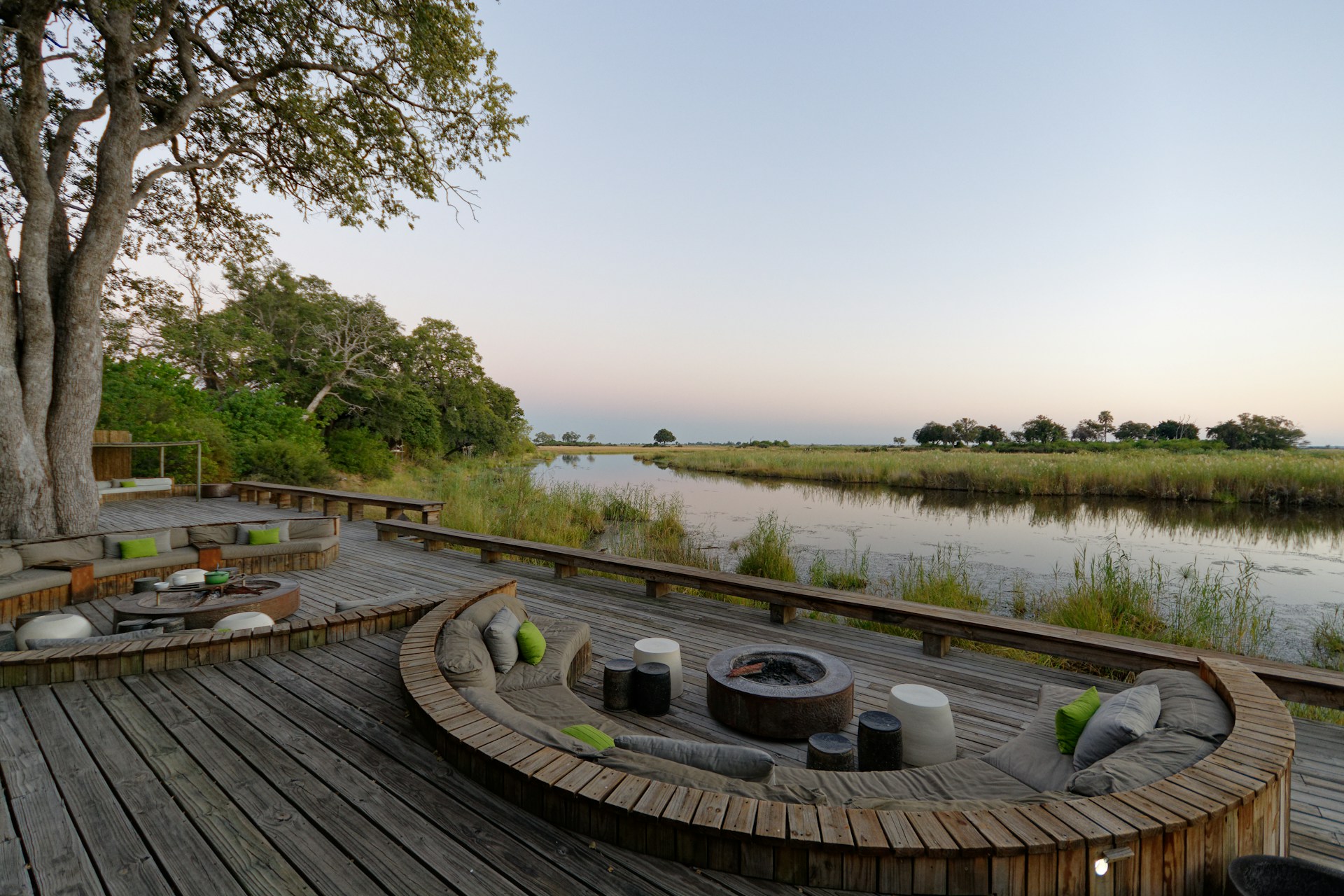
December transforms Botswana into a festive haven, with early rains painting its savannas green. The Okavango Delta’s waterways swell, offering serene mokoro trips amid blooming lilies. Chobe’s riverfront hosts elephants and hippos, ideal for boat safaris. Gaborone’s holiday markets brim with crafts and local delicacies. Key destinations include Okavango Delta, Chobe, Gaborone, and Makgadikgadi. Weather in Botswana in December is warm and wet, a perfect backdrop for travelers seeking the best time to visit Botswana for lush landscapes and festive charm.