

ArgentinaPlaces to Visit
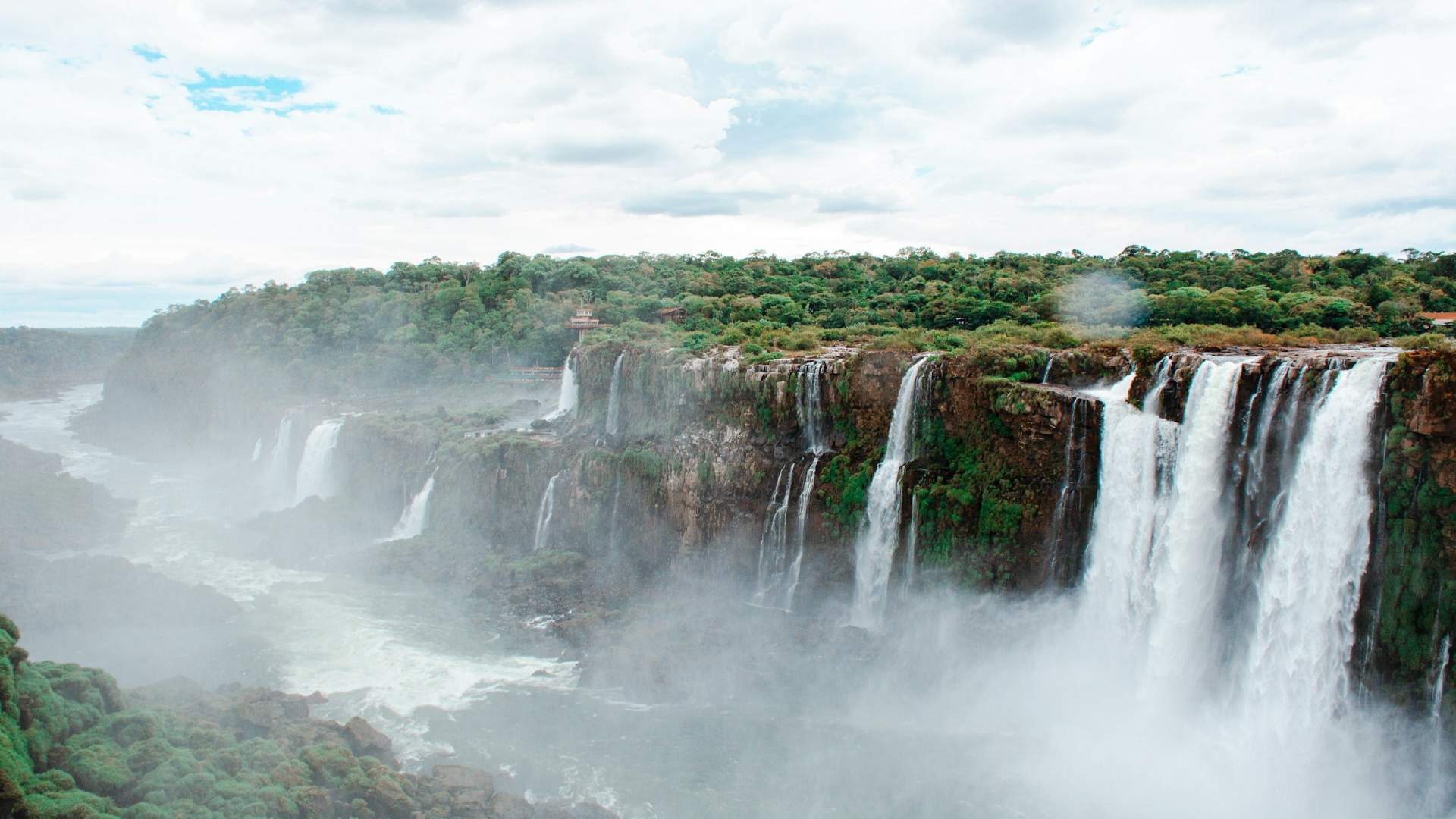
Puerto Iguazú – Gateway to the Majestic Iguazú Falls
Puerto Iguazú, a vibrant town in Argentina’s Misiones province, is the gateway to one of the world’s most spectacular natural wonders, Iguazú Falls. Nestled in the heart of the subtropical jungle near the borders of Brazil and Paraguay, this UNESCO World Heritage Site captivates with its thundering cascades, lush rainforests, and rich Guarani heritage. From the bustling streets of Avenida Tres Fronteras to the serene trails of Iguazú National Park, Puerto Iguazú blends adventure with cultural charm. Visitors are drawn to thrilling boat rides under the falls, wildlife sanctuaries like Güira Oga, and the unique Triple Frontier landmark. Whether exploring jungle trails, savoring regional dishes like chipá, or marveling at the Devil’s Throat, a trip to Puerto Iguazú promises an unforgettable immersion into nature’s grandeur and Misiones’ vibrant culture.
Top Activities and Experiences in Puerto Iguazú
Puerto Iguazú, where jungle rhythms meet cascading falls, offers a thrilling mix of natural wonders, wildlife encounters, and cultural experiences. Whether you’re an adventurer seeking boat tours, a nature lover spotting toucans, or a foodie tasting local flavors, Puerto Iguazú delivers an epic subtropical escape.
Explore Iguazú Falls
Visit the crown jewel of Iguazú National Park, a UNESCO site with 275 waterfalls spanning 2.7km. Walk the Upper and Lower Circuits or take a boat tour to the base of the falls for a thrilling, misty adventure.
Visit the Devil’s Throat (Garganta del Diablo)
Ride the Rainforest Ecological Train to this jaw-dropping 82m-high waterfall, the most powerful in Iguazú. Boardwalks offer close-up views of its roaring cascade, a must-see spectacle.
Tour Güira Oga Wildlife Refuge
Discover this sanctuary 5km from town, rehabilitating jungle wildlife like toucans, macaws, and jaguars. Guided tours highlight conservation efforts and offer up-close encounters with native species.
Visit the Triple Frontier
Stand at the confluence of Argentina, Brazil, and Paraguay at this iconic landmark. The obelisk and river views, especially at sunset, make it a cultural and scenic highlight.
Take a Jungle Trek
Hike trails like Macuco Trail in Iguazú National Park for a 7km round-trip through dense rainforest. Spot monkeys, coatis, and exotic birds while heading to the hidden Arrechea Waterfall.
Experience the Great Adventure Boat Tour
Join a thrilling 12km boat ride through the Iguazú River rapids, getting drenched under San Martín Falls. This 1-hour tour is a bucket-list adventure for adrenaline seekers.
Visit La Aripuca
Explore this eco-park showcasing Guarani culture and sustainable design, built with reclaimed jungle logs. Learn about local flora and indigenous heritage in a family-friendly setting.
Savor Misionera Cuisine
Indulge in chipá (cheese bread), river fish like surubí, or empanadas at restaurants like El Quincho del Tío Querido. Pair with yerba mate for an authentic Misiones flavor.
Day Trip to Wanda Mines
Drive 40km to these semi-precious stone mines, where amethysts and agates are extracted. Guided tours reveal geological wonders and include a visit to a local craft shop.
Explore Hito Tres Fronteras
Visit this vibrant plaza at the Triple Frontier with cultural performances, food stalls, and views of the Iguazú and Paraná rivers. It’s a lively spot for evening outings.
Kayak on the Iguazú River
Paddle the calmer sections of the river with guided tours, offering views of jungle shores and chances to spot caimans and capybaras in a serene 2-hour adventure.
Visit Casa Ecológica de Botellas
Tour this unique house built from recycled plastic bottles, showcasing sustainable living. Located near town, it’s a quirky stop highlighting environmental creativity.
Take a Full Moon Walk at Iguazú Falls
Join a guided nighttime tour (select dates) to see the falls under moonlight, with the Devil’s Throat glowing ethereally. Book early for this magical 2-hour experience.
Shop at Feria Artesanal
Browse this local craft market near downtown for Guarani textiles, mate gourds, and handmade jewelry. It’s a great spot to pick up authentic souvenirs.
Attend the Fiesta Provincial del Turista
Join this annual festival in September for music, dance, and regional food, celebrating Puerto Iguazú’s tourism and multicultural heritage along the riverfront.
Ready to Explore More?
Discover the best places to visit in Argentina and craft your epic itinerary. Click here to uncover top destinations across the country’s diverse landscapes!
Frequently Asked Questions (FAQs) About Puerto Iguazú
What are the top things to do in Puerto Iguazú?
Explore Iguazú Falls, visit the Devil’s Throat, tour Güira Oga, see the Triple Frontier, and take a boat tour under the falls.
What are the must-visit places in Puerto Iguazú?
Iguazú Falls, Devil’s Throat, Güira Oga, Triple Frontier, and La Aripuca are top attractions.
When is the best time to visit Puerto Iguazú?
Visit in spring (September-November) or autumn (March-May) for mild weather and fewer crowds. Summer (December-February) is lush but hot and busy; winter (June-August) is cooler with lower water flow.
What are the best things to see in Puerto Iguazú?
Thundering waterfalls, subtropical jungles, colorful wildlife, Guarani cultural sites, and the Triple Frontier define Puerto Iguazú’s wonders.
Which are the best places to visit near Puerto Iguazú for a short trip?
Wanda Mines, San Ignacio Miní Jesuit ruins, or Foz do Iguaçu (Brazil) for the Brazilian falls view are great day trips.
Do you have a comprehensive Puerto Iguazú tour guide?
Yes! Our Puerto Iguazú tour guide covers attractions, dining, transport, and tips for a seamless jungle adventure.
What are the top tourist attractions in Puerto Iguazú?
Key spots include Iguazú Falls, Devil’s Throat, Güira Oga, Hito Tres Fronteras, and the Macuco Trail.
What are the best places to visit in Puerto Iguazú with family?
Family-friendly spots include Güira Oga, La Aripuca, Hito Tres Fronteras, the Feria Artesanal, and easy trails like Macuco.
Where can I find a Puerto Iguazú tour guide for my trip?
Hire local guides via platforms like Viator or agencies like Iguazú Jungle for tailored falls tours, jungle hikes, or boat trips.
What are the top festivals in Puerto Iguazú?
Fiesta Provincial del Turista (September) and local Guarani cultural events showcase music, dance, and Misiones’ heritage.
Where to stay in Puerto Iguazú?
Choose luxury at Gran Meliá Iguazú, mid-range at Hotel Saint George, or budget hostels like Hostel Iguazú Falls near downtown.
Is Puerto Iguazú safe?
Puerto Iguazú is safe for tourists with low crime; stick to marked trails, use reputable tour operators, and secure valuables in crowded areas.
What are some essential Puerto Iguazú travel advice tips?
Wear insect repellent, bring waterproof gear, carry pesos for small vendors, book falls tours early, and stay hydrated in the heat.
What are the best places to eat in Puerto Iguazú?
Try chipá at La Rueda, surubí at El Quincho del Tío Querido, or empanadas at La Misión for Misionera flavors.
Is Puerto Iguazú safe for women travelers?
Yes, Puerto Iguazú is safe for solo women; join group tours for jungle trails, avoid isolated areas at night, and use trusted taxis.
What are some must-try experiences on a trip to Puerto Iguazú?
Boat under Iguazú Falls, visit Güira Oga, explore the Triple Frontier, taste chipá, and hike the Macuco Trail.
How can I book a Puerto Iguazú tour or vacation package?
Book customizable packages via GetYourGuide or local agencies, including falls tours, jungle hikes, and Wanda Mines trips.
What are some offbeat things to do in Puerto Iguazú?
Visit Casa Ecológica de Botellas, explore lesser-known jungle trails like Sendero Yacaratia, or tour local yerba mate farms.
What should I pack for my Puerto Iguazú vacation?
Pack lightweight clothing, insect repellent, waterproof shoes, sunscreen, a raincoat, and a daypack for jungle adventures.
Is there a Puerto Iguazú cherry blossom festival?
Puerto Iguazú lacks cherry blossoms due to its subtropical climate, but spring (September-November) brings vibrant jungle blooms; enjoy the Fiesta Provincial del Turista instead.
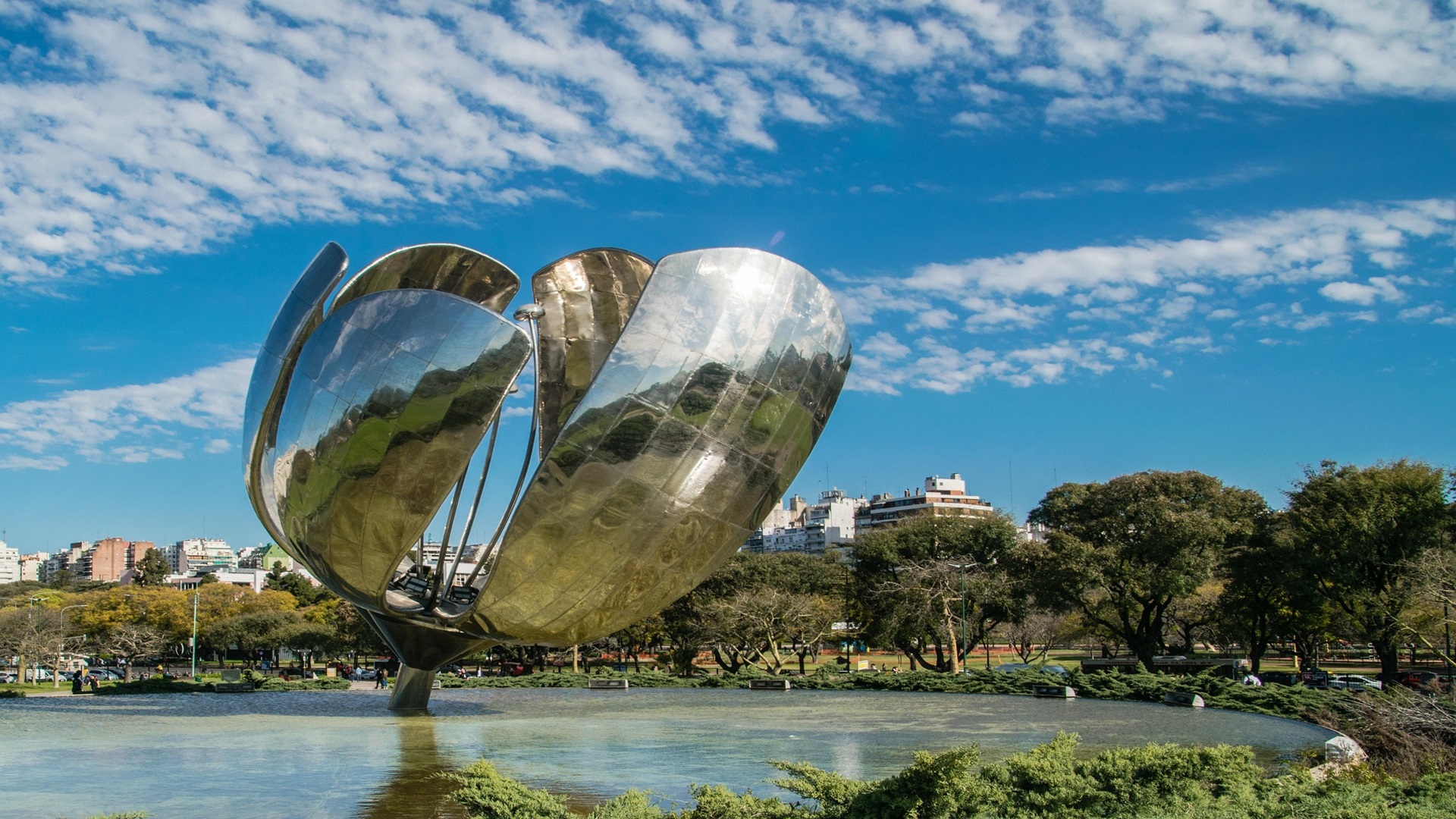
Buenos Aires – A Vibrant Fusion of European Elegance and Latin Passion
Buenos Aires, the cosmopolitan capital of Argentina, is a city that pulses with tango rhythms, European-inspired architecture, and a vibrant cultural scene. Often dubbed the "Paris of South America," it blends historic charm with modern sophistication, from the colorful streets of La Boca to the upscale avenues of Recoleta. Its neighborhoods, or barrios, each offer a distinct flavor: San Telmo’s bohemian vibe, Palermo’s trendy cafés, and Puerto Madero’s sleek waterfront. Buenos Aires is a haven for art lovers, foodies, and history buffs, boasting world-class museums, sizzling parrilla steakhouses, and iconic landmarks like Teatro Colón. The city’s rich heritage shines through in its tango halls, bustling markets, and festivals like the Buenos Aires International Book Fair. Whether you’re strolling through lush parks, savoring empanadas, or dancing the night away, a trip to Buenos Aires promises an unforgettable journey through culture, passion, and elegance.
Buenos Aires, Argentina’s dynamic capital, offers a captivating blend of history, culture, and modernity. Here are some of the top activities and experiences to enjoy in this vibrant metropolis:
Buenos Aires, where European flair meets Latin soul, offers an exciting mix of art, tango, cuisine, and urban adventures. Whether you’re a history enthusiast, a foodie, or a traveler seeking authentic experiences, Buenos Aires has something for everyone.
Explore Historic Neighborhoods
Dive into the city’s rich history by wandering its iconic barrios. Stroll through San Telmo, Buenos Aires’ oldest neighborhood, known for its colonial buildings and Sunday antiques fair. Visit La Boca to see colorful conventillos and the legendary Caminito street, a vibrant open-air museum of tango and art.
Experience Tango Culture
Buenos Aires is the birthplace of tango, and its spirit lives in milongas (tango dance halls). Take a tango lesson at Confitería Ideal, a historic venue, or watch a dazzling show at Esquina Carlos Gardel. For an authentic experience, join locals at Milonga La Catedral in Almagro.
Shop at Vibrant Markets
Buenos Aires’ markets are a treasure trove of crafts, food, and culture. Browse antiques and artisanal goods at San Telmo Market or explore Feria de Mataderos for gaucho crafts and folk music. For trendy finds, visit Palermo Soho’s boutiques and weekend craft fairs.
Taste Authentic Argentine Cuisine
No trip to Buenos Aires is complete without savoring its culinary delights. Indulge in a juicy bife de lomo at Don Julio, a renowned parrilla in Palermo. Try *empanadas at La Cocina in Recoleta or sip mate with locals in a park for a true Buenos Aires experience.
Take a Stroll Through Bosque de Palermo
Escape the urban buzz at Bosque de Palermo (Parque Tres de Febrero), a 400-hectare green oasis with lakes, rose gardens, and cycling paths. Perfect for picnics or paddle boating, it’s a serene Buenos Aires attraction.
Explore MALBA (Museo de Arte Latinoamericano de Buenos Aires)
Dive into Latin American art at MALBA, a modern museum in Palermo showcasing works by Frida Kahlo, Diego Rivera, and Tarsila do Amaral. Its sleek design and vibrant exhibits make it a must-visit for a Buenos Aires culture tour.
Visit El Ateneo Grand Splendid
Housed in a 1919 theater, El Ateneo Grand Splendid in Recoleta is one of the world’s most beautiful bookstores. Browse books under frescoed ceilings or sip coffee in its stage-turned-café, a unique Buenos Aires tourist place.
Take a Day Trip to Tigre
Hop on a train to Tigre, a charming delta town 30 km north of Buenos Aires. Explore its river islands, bustling markets, and the Museo de Arte Tigre via boat tours, a top place to visit near Buenos Aires.
Experience Buenos Aires’ Nightlife
Buenos Aires’ nightlife is legendary, from tango bars to trendy clubs. Dance at Niceto Club in Palermo, enjoy live jazz at Thelonious Club, or sip cocktails at Florería Atlántico, a speakeasy hidden behind a flower shop.
Relax at Jardín Botánico Carlos Thays
Unwind at Jardín Botánico Carlos Thays, a 7-hectare botanical garden in Palermo with over 5,000 plant species, sculptures, and greenhouses. It’s a tranquil retreat, ideal for nature lovers visiting Buenos Aires.
Attend a Cultural Festival
Buenos Aires’ festivals showcase its vibrant culture. Join the Buenos Aires International Book Fair in April, one of the world’s largest, or experience Tango BA Festival in August with free performances and classes. Check local schedules for events during your Buenos Aires trip.
Visit Puerto Madero for Waterfront Views
Explore Puerto Madero, Buenos Aires’ revitalized waterfront district, with its sleek skyscrapers and iconic Puente de la Mujer bridge. Enjoy upscale dining or a sunset stroll, a modern Buenos Aires attraction.
Ready to Explore More?
Discover the best places to visit in Argentina and plan your perfect itinerary. Click here to explore top destinations across Argentina!
Frequently Asked Questions (FAQs) About Buenos Aires
What are the top things to do in Buenos Aires?
Explore historic neighborhoods, experience tango, savor Argentine cuisine, visit museums, and enjoy vibrant nightlife.
What are the must-visit places in Buenos Aires?
Teatro Colón, MALBA, El Ateneo Grand Splendid, San Telmo Market, and Puerto Madero are top Buenos Aires attractions.
When is the best time to visit Buenos Aires?
The best time to visit Buenos Aires is from September to November or March to May, when the weather is mild for sightseeing. Note that Buenos Aires does not have cherry blossoms, but spring (September-November) offers vibrant jacaranda blooms.
What are the best things to see in Buenos Aires?
Visit iconic landmarks, tango halls, bustling markets, and cultural hubs like Bosque de Palermo and Jardín Botánico.
Which are the best places to visit near Buenos Aires for a short trip?
Tigre, Colonia del Sacramento (Uruguay), San Antonio de Areco, and Luján are great day trips or weekend getaways near Buenos Aires.
Do you have a comprehensive Buenos Aires tour guide?
Yes! Our Buenos Aires tour guide covers attractions, dining, transportation, and tips for a seamless trip to Buenos Aires.
What are the top tourist attractions in Buenos Aires?
Key Buenos Aires tourist places include Feria de Mataderos, Bosque de Palermo, Tigre Delta, and Museo Nacional de Bellas Artes.
What are the best places to visit in Buenos Aires with family?
Family-friendly spots include Jardín Botánico, Bosque de Palermo, Temaikèn Biopark, and the Planetario Galileo Galilei.
Where can I find a Buenos Aires tour guide for my trip?
Book a professional Buenos Aires tour guide through online platforms or local agencies for personalized tours.
What are the top festivals in Buenos Aires?
Buenos Aires celebrates Tango BA Festival, Buenos Aires International Book Fair, and La Noche de los Museos with vibrant events.
Where to stay in Buenos Aires?
Choose from luxury hotels in Recoleta, boutique stays in Palermo, or budget accommodations in San Telmo for Buenos Aires accommodation.
Is Buenos Aires safe?
Buenos Aires is generally safe for tourists, but stay in tourist areas, avoid flashing valuables, and use reputable transport like taxis or Uber. The keyword “Is Buenos Aires Japan safe” seems to be a typo; Buenos Aires is in Argentina, not Japan.
What are some essential Buenos Aires travel advice tips?
Carry pesos for small vendors, use sunscreen, avoid tap water, learn basic Spanish phrases, and book tango shows in advance.
What are the best places to eat in Buenos Aires?
Try parrillas like Don Julio, empanadas at La Cocina, or fine dining at Tegui or Elena in Buenos Aires.
Is Buenos Aires safe for women travelers?
Yes, but women should avoid walking alone at night in quiet areas, stick to well-lit tourist zones, and use trusted transport.
What are some must-try experiences on a trip to Buenos Aires?
Take a tango lesson, visit San Telmo’s Sunday market, explore Tigre’s delta, and dine at a parrilla.
How can I book a Buenos Aires tour or vacation package?
Find customizable Buenos Aires tour packages online, including sightseeing, accommodation, and tango experiences.
What are some offbeat things to do in Buenos Aires?
Visit the quirky Museo del Mate, explore street art in Palermo Viejo, or take a bike tour of the Reserva Ecológica Costanera Sur.
What should I pack for my Buenos Aires vacation?
Pack light clothing for summers, layers for cooler months, comfortable shoes, sunscreen, and a reusable water bottle.
Is there a Buenos Aires cherry blossom festival?
Buenos Aires does not have cherry blossoms or a related festival, as it’s a temperate destination. Instead, enjoy spring jacaranda blooms (October-November) or cultural events like Tango BA Festival (August).
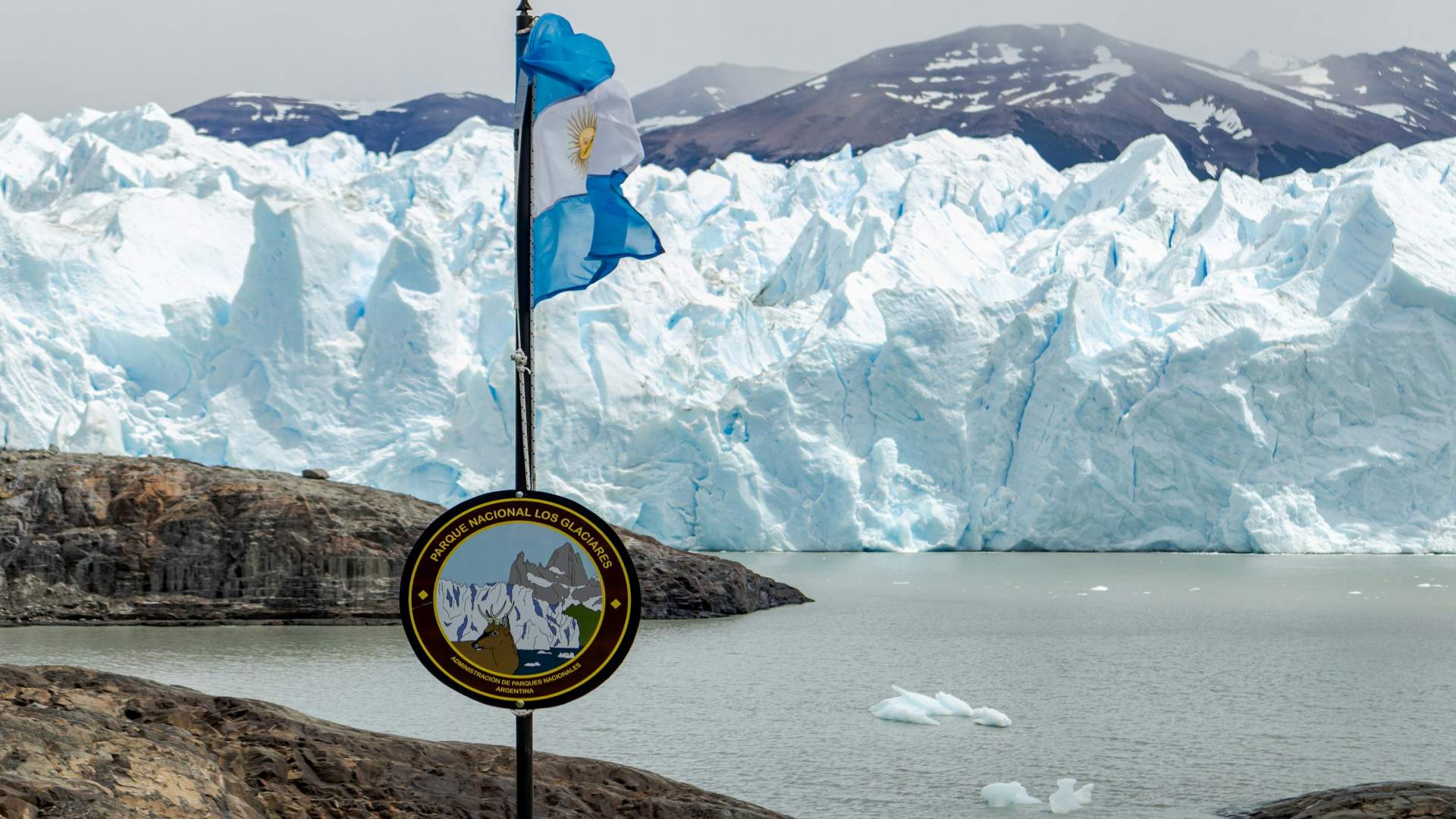
El Calafate – Gateway to Patagonia’s Glacial Wonders
El Calafate, a charming town in Argentina’s Santa Cruz province, is the ultimate base for exploring the awe-inspiring glaciers of Patagonia. Known as the gateway to Los Glaciares National Park, it captivates with the majestic Perito Moreno Glacier, turquoise lakes, and rugged Andean landscapes. Nestled along the shores of Lago Argentino, the town blends rustic Patagonian charm with modern comforts, from cozy estancias to lively cafés along Avenida del Libertador. El Calafate draws adventurers, nature lovers, and culture seekers with its glacier treks, boat tours, and authentic gaucho heritage. Savor local lamb asado, stroll through artisanal markets, or marvel at the region’s fossil-rich history. Whether hiking across ice fields, kayaking serene waters, or exploring the Glaciarium museum, a trip to El Calafate promises an unforgettable immersion into Patagonia’s frozen frontiers and vibrant local life.
Top Activities and Experiences in El Calafate
El Calafate, where glacial majesty meets Patagonian soul, offers a thrilling mix of ice adventures, scenic cruises, and cultural delights. Whether you’re an explorer craving glacier hikes, a photographer chasing turquoise vistas, or a foodie savoring local asado, El Calafate delivers an epic Patagonian escape.
Visit Perito Moreno Glacier
Marvel at one of the world’s few advancing glaciers in Los Glaciares National Park, a UNESCO World Heritage Site. Walk the boardwalks for panoramic views, join a mini-trekking tour to hike its icy surface, or take a boat tour to witness calving ice blocks up close.
Explore Los Glaciares National Park
Discover this 726,000-hectare park, home to over 40 glaciers, including Upsala and Spegazzini. Take a full-day boat tour from Puerto Bandera to sail among towering icebergs, or hike trails like Fitz Roy for breathtaking Andean vistas.
Cruise Lago Argentino
Sail Argentina’s largest lake, a turquoise gem feeding glacier rivers. Board a catamaran for a day trip to Estancia Cristina, combining glacier views, 4x4 adventures, and gaucho history, or opt for a kayak tour for a quieter paddle.
Visit the Glaciarium Museum
Dive into Patagonia’s glacial history at this modern museum, 6km from town. Interactive exhibits explain ice formation, climate science, and exploration history, while the GlacioBar, built entirely of ice, offers a chilly cocktail experience.
Hike to Laguna Nimez Reserve
Stroll this wetland sanctuary, just 1km from downtown, to spot flamingos, black-necked swans, and over 80 bird species. A 2.5km loop trail offers serene views of Lago Argentino, ideal for birdwatchers and casual hikers.
Take a 4x4 Adventure to Cerro Frías
Venture 23km from El Calafate for an off-road tour to this 1,400m hill. Choose hiking, horseback riding, or 4x4 routes for panoramic views of the Andes, Lago Argentino, and distant Fitz Roy peaks.
Savor Patagonian Cuisine
Indulge in slow-roasted cordero al asador (Patagonian lamb) at La Tablita or fresh trout at Don Pichón. Pair with a local malbec or try calafate berry ice cream for a sweet taste of the region’s namesake fruit.
Visit Estancia 25 de Mayo
Experience gaucho life at this historic ranch near town. Join guided tours for sheep-shearing demos, horseback rides, or traditional asados, offering a glimpse into Patagonia’s pastoral heritage.
Day Trip to El Chaltén
Drive 3 hours north to this hiking mecca, known as Argentina’s trekking capital. Tackle trails to Laguna de los Tres or Cerro Torre for jaw-dropping views of Fitz Roy, a perfect add-on to your El Calafate itinerary.
Explore Centro de Interpretación Histórica
Uncover El Calafate’s past at this small museum, showcasing fossils, indigenous artifacts, and pioneer stories. Its cozy setup and engaging displays make it a quick, insightful stop for history buffs.
Horseback Ride at Estancia Nibepo Aike
Ride through rolling pampas and forests at this working ranch in Los Glaciares National Park. Combine with a boat trip to Upsala Glacier or enjoy a rustic asado lunch for a full Patagonian experience.
Shop at Avenida del Libertador
Stroll El Calafate’s main street for artisanal crafts, wool sweaters, and calafate berry jams. Pop into local cafés like La Zorra for craft beer or Borges y Alvarez for books and coffee.
Take a Glacier Safari by Boat
Join a full-day Todos los Glaciares tour to navigate the park’s northern arm, passing Upsala, Spegazzini, and smaller glaciers. Expect towering ice walls and floating bergs, a bucket-list adventure for nature lovers.
Visit Walichu Caves
Explore these ancient rock shelters, 8km from town, with 4,000-year-old Tehuelche cave paintings. Guided tours reveal indigenous history and stunning lakeside views, blending archaeology with Patagonia’s raw beauty.
Attend a Local Festival
Join El Calafate’s Fiesta del Lago in February for music, dance, and lakefront fireworks, or the Winter Festival in July for snow sculptures and sledding, celebrating Patagonia’s vibrant community spirit.
Ready to Explore More?
Discover the best places to visit in Patagonia and craft your epic itinerary. Click here to uncover top destinations across Argentina’s wild south!
Frequently Asked Questions (FAQs) About El Calafate
What are the top things to do in El Calafate?
Visit Perito Moreno Glacier, explore Los Glaciares National Park, cruise Lago Argentino, hike Laguna Nimez, and savor Patagonian lamb.
What are the must-visit places in El Calafate?
Perito Moreno Glacier, Los Glaciares National Park, Lago Argentino, Glaciarium Museum, and Estancia Cristina are top attractions.
When is the best time to visit El Calafate?
Summer (December-February) offers mild weather for glacier tours and hikes, while shoulder seasons (October-November, March-April) provide fewer crowds and vibrant landscapes. Winter (June-September) suits budget travelers with fewer activities.
What are the best things to see in El Calafate?
Glaciers, turquoise lakes, ancient cave paintings, bird-filled wetlands, and Andean peaks define El Calafate’s must-see wonders.
Which are the best places to visit near El Calafate for a short trip?
El Chaltén for hiking, Torres del Paine (Chile) for epic landscapes, or Puerto Natales for fjord cruises are great day or overnight trips.
Do you have a comprehensive El Calafate tour guide?
Yes! Our El Calafate tour guide covers attractions, dining, transport, and tips for a seamless Patagonian adventure.
What are the top tourist attractions in El Calafate?
Key spots include Perito Moreno Glacier, Laguna Nimez Reserve, Walichu Caves, and the Glaciarium Museum.
What are the best places to visit in El Calafate with family?
Family-friendly spots include Laguna Nimez for birdwatching, Glaciarium Museum, easy boat tours on Lago Argentino, and Estancia 25 de Mayo.
Where can I find an El Calafate tour guide for my trip?
Hire local guides via platforms like Viator or agencies like Calafate Tours for tailored glacier treks, boat trips, and cultural tours.
What are the top festivals in El Calafate?
Fiesta del Lago (February) and Winter Festival (July) showcase music, food, and Patagonian culture with vibrant lakeside events.
Where to stay in El Calafate?
Choose luxury at Eolo Patagonia, mid-range at Hotel Posada Los Alamos, or budget stays like Hostal Schilling near downtown.
Is El Calafate safe?
El Calafate is safe for tourists with low crime; stick to marked trails, use reputable tour operators, and secure valuables in crowded areas.
What are some essential El Calafate travel advice tips?
Layer for windy weather, book glacier tours early, carry pesos for small vendors, bring sturdy boots, and check tour schedules.
What are the best places to eat in El Calafate?
Try lamb at La Tablita, trout at Don Pichón, or calafate berry desserts at La Zorra for authentic Patagonian flavors.
Is El Calafate safe for women travelers?
Yes, El Calafate is safe for solo women; join group tours for remote areas, avoid isolated trails at night, and use trusted taxis.
What are some must-try experiences on a trip to El Calafate?
Ice trek Perito Moreno, cruise among glaciers, ride horseback at an estancia, taste local asado, and visit ancient caves.
How can I book an El Calafate tour or vacation package?
Book customizable packages via GetYourGuide or local agencies, including glacier tours, stays, and El Chaltén extensions.
What are some offbeat things to do in El Calafate?
Explore fossil trails at Punta Gualichu, kayak quieter lake arms, or visit La Leona Petrified Forest for prehistoric wonders.
What should I pack for my El Calafate vacation?
Pack waterproof layers, hiking boots, sunglasses, sunscreen, a daypack, and gloves; add warm gear for winter visits.
Is there an El Calafate cherry blossom festival?
El Calafate lacks cherry blossoms due to its cold climate, but spring (October-November) brings calafate blooms and green steppes; enjoy Fiesta del Lago instead.
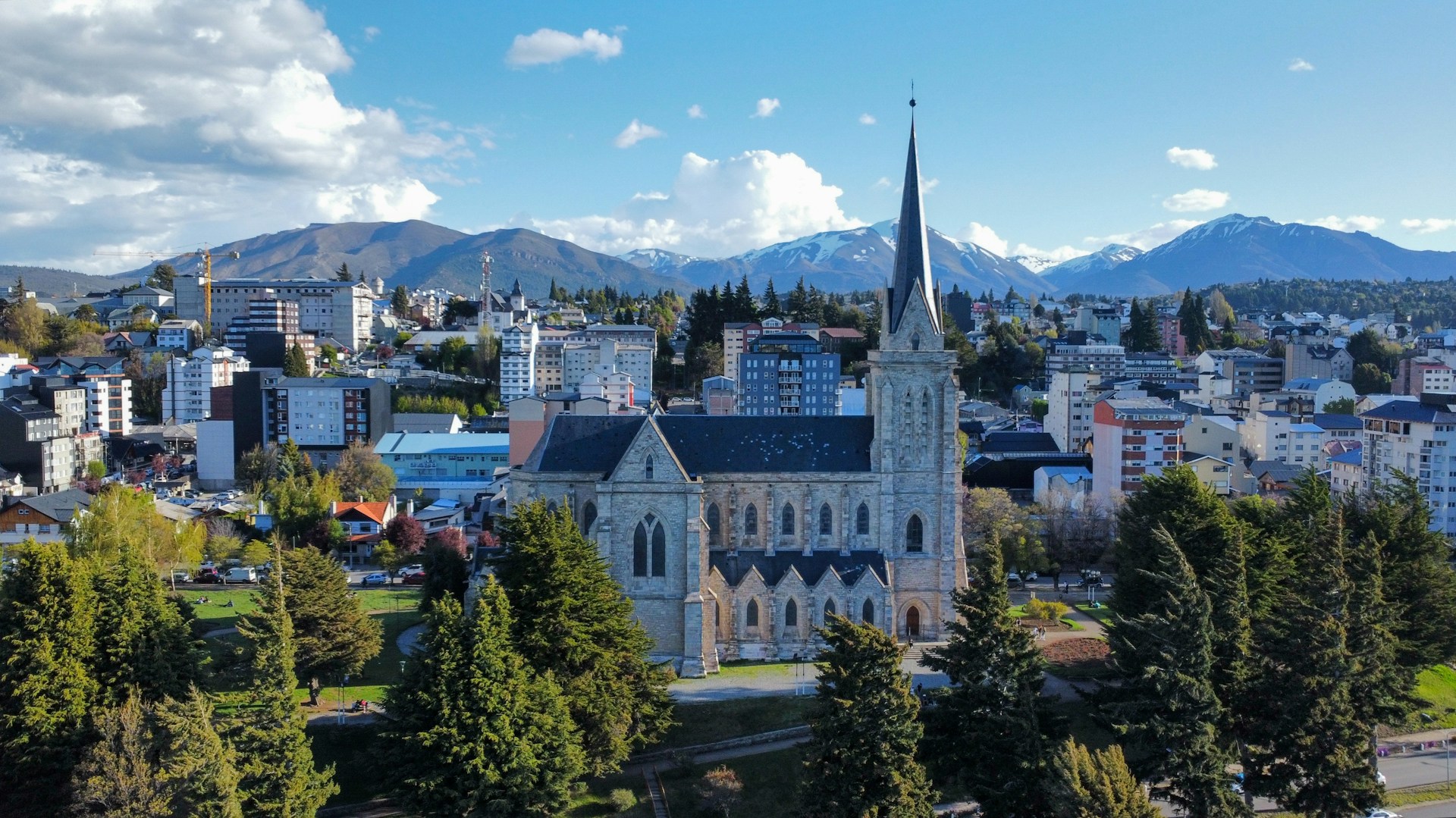
Bariloche – Patagonia’s Alpine Paradise
San Carlos de Bariloche, nestled in Argentina’s Río Negro province, is Patagonia’s crown jewel, blending Swiss-inspired alpine charm with rugged Andean wilderness. Surrounded by the turquoise waters of Lago Nahuel Huapi and the peaks of Nahuel Huapi National Park, Bariloche captivates with its snow-capped mountains, lush forests, and vibrant outdoor culture. Known for its world-class skiing at Cerro Catedral, craft chocolate shops, and lively Centro Cívico, the town offers a mix of adventure and coziness. From kayaking serene lakes to hiking scenic trails or savoring Patagonian lamb, Bariloche draws thrill-seekers, families, and romantics alike. Its Mapuche heritage and European influences shine in local festivals and museums. Whether chasing powder in winter or wildflowers in spring, a trip to Bariloche promises an unforgettable plunge into Patagonia’s natural splendor and cultural warmth.
Top Activities and Experiences in Bariloche
Bariloche, where Andean peaks meet crystal lakes, offers a thrilling blend of outdoor adventures, cultural gems, and culinary delights. Whether you’re a skier tackling Cerro Catedral, a hiker chasing lake views, or a foodie indulging in artisanal chocolate, Bariloche delivers an epic Patagonian escape.
Ski or Snowboard at Cerro Catedral
Hit South America’s premier ski resort, 19km from town, with 120km of slopes and 38 lifts. From June to October, enjoy powder runs, snowboarding, or family-friendly sledding, with stunning views of Nahuel Huapi.
Hike in Nahuel Huapi National Park
Explore this 710,000-hectare park, Argentina’s first, with trails like Cerro Llao Llao or Refugio Frey. Spot condors, huemul deer, and alpine meadows, perfect for day hikes or multi-day treks.
Cruise Lago Nahuel Huapi
Sail this 557km² turquoise lake on a boat tour to Isla Victoria and Bosque de Arrayanes, a rare myrtle forest. Kayak rentals or fishing trips offer a quieter way to soak in the scenery.
Visit Centro Cívico
Stroll Bariloche’s iconic plaza, built in 1940 with Swiss-style stone architecture. Home to the tourism office and Museo de la Patagonia, it’s a lively hub for street performers and craft markets.
Trek to Cerro Campanario
Ride a chairlift or hike 45 minutes to this 1,050m peak for 360° views of lakes and Andes peaks. A hilltop café serves hot chocolate, making it a rewarding half-day adventure.
Indulge in Bariloche Chocolate
Sample artisanal chocolates at shops like Mamuschka or Rapa Nui along Calle Mitre. Join a chocolate-making workshop or visit the Havanna Museum for a sweet dive into Bariloche’s cocoa heritage.
Explore Circuito Chico
Cycle or drive this 60km loop for postcard-perfect views of lakes, forests, and Llao Llao Hotel. Stop at Colonia Suiza for craft markets and curanto, a traditional Mapuche dish.
Visit Museo de la Patagonia
Located in Centro Cívico, this museum showcases Mapuche artifacts, natural history, and Bariloche’s pioneer past. Compact yet insightful, it’s a great stop for cultural explorers.
Day Trip to Villa La Angostura
Drive 80km along the Seven Lakes Route to this charming village. Hike Parque Nacional Los Arrayanes or relax by Lago Correntoso, blending nature with small-town Patagonian vibes.
Kayak or Paddleboard on Lago Moreno
Paddle the serene waters of this smaller lake, 15km from town. Guided tours or rentals cater to all levels, with chances to spot native birds and forested shores.
Raft the Manso River
Tackle Class II-IV rapids on this whitewater river, 70km south. Guided rafting trips offer thrills for adventurers, with emerald waters cutting through Andean valleys.
Visit Colonia Suiza
Explore this Swiss-inspired village, 25km from Bariloche, with wooden chalets and weekly artisan markets. Savor homemade jams or curanto feasts, steeped in Alpine tradition.
Hike to Refugio López
Trek 4-5 hours to this 2,100m mountain refuge for panoramic views of Cerro Tronador and Lago Moreno. A challenging hike, it’s ideal for fit adventurers seeking solitude.
Attend the Fiesta de la Nieve
Join Bariloche’s Snow Festival in August for skiing competitions, torchlight parades, and live music at Cerro Catedral, celebrating the region’s winter magic.
Mountain Bike in Cerro Otto
Rent a bike or join a guided tour to explore trails around this 1,405m peak. A revolving restaurant at the summit offers views and local cuisine after your ride.
Ready to Explore More?
Discover the best places to visit in Patagonia and craft your epic itinerary. Click here to uncover top destinations across Argentina’s wild south!
Frequently Asked Questions (FAQs) About Bariloche
What are the top things to do in Bariloche?
Ski at Cerro Catedral, hike Nahuel Huapi National Park, cruise Lago Nahuel Huapi, taste artisanal chocolate, and explore Circuito Chico.
What are the must-visit places in Bariloche?
Nahuel Huapi National Park, Cerro Catedral, Lago Nahuel Huapi, Centro Cívico, and Cerro Campanario top the list.
When is the best time to visit Bariloche?
Winter (June-August) is ideal for skiing, while summer (December-February) suits hiking and lake activities. Spring (September-November) and autumn (March-May) offer mild weather and fewer crowds.
What are the best things to see in Bariloche?
Alpine lakes, snow-capped peaks, Mapuche artifacts, Swiss-style architecture, and rare myrtle forests define Bariloche’s must-see wonders.
Which are the best places to visit near Bariloche for a short trip?
Villa La Angostura, San Martín de los Andes via the Seven Lakes Route, or El Bolsón for markets and hikes are great day trips.
Do you have a comprehensive Bariloche tour guide?
Yes! Our Bariloche tour guide details attractions, dining, transport, and tips for a seamless Patagonian adventure.
What are the top tourist attractions in Bariloche?
Key spots include Cerro Catedral, Lago Nahuel Huapi, Circuito Chico, Colonia Suiza, and Museo de la Patagonia.
What are the best places to visit in Bariloche with family?
Family-friendly spots include Centro Cívico, Cerro Campanario, Isla Victoria boat tours, Colonia Suiza, and winter sledding at Cerro Catedral.
Where can I find a Bariloche tour guide for my trip?
Hire local guides via platforms like Viator or agencies like Turismo Bariloche for tailored hikes, ski trips, or lake cruises.
What are the top festivals in Bariloche?
Fiesta de la Nieve (August) and Fiesta del Chocolate (April) highlight Bariloche’s winter and culinary culture with parades and tastings.
Where to stay in Bariloche?
Choose luxury at Llao Llao Hotel, mid-range at Hotel Panamericano, or budget hostels like Penthouse 1004 near Centro Cívico.
Is Bariloche safe?
Bariloche is safe for tourists with low crime; stick to marked trails, use reputable tour operators, and secure valuables in busy areas.
What are some essential Bariloche travel advice tips?
Layer for variable weather, book ski passes early, carry pesos for small vendors, bring hiking boots, and check trail conditions.
What are the best places to eat in Bariloche?
Try lamb at El Boliche de Alberto, fondue at La Marmite, or chocolate desserts at Mamuschka for Patagonian flavors.
Is Bariloche safe for women travelers?
Yes, Bariloche is safe for solo women; join group tours for remote trails, avoid isolated areas at night, and use trusted taxis.
What are some must-try experiences on a trip to Bariloche?
Ski Cerro Catedral, hike to Refugio López, cruise to Isla Victoria, taste local chocolate, and raft the Manso River.
How can I book a Bariloche tour or vacation package?
Book customizable packages via GetYourGuide or local agencies, including ski trips, lake cruises, and Seven Lakes Route tours.
What are some offbeat things to do in Bariloche?
Explore hidden trails in Parque Municipal Llao Llao, visit the Mapuche community in Villa Llanquín, or paraglide over Lago Nahuel Huapi.
What should I pack for my Bariloche vacation?
Pack layers for wind, hiking boots, sunscreen, sunglasses, a daypack, and ski gear for winter visits.
Is there a Bariloche cherry blossom festival?
Bariloche lacks cherry blossoms due to its alpine climate, but spring (September-November) brings wildflowers and green forests; enjoy the Fiesta del Chocolate instead.
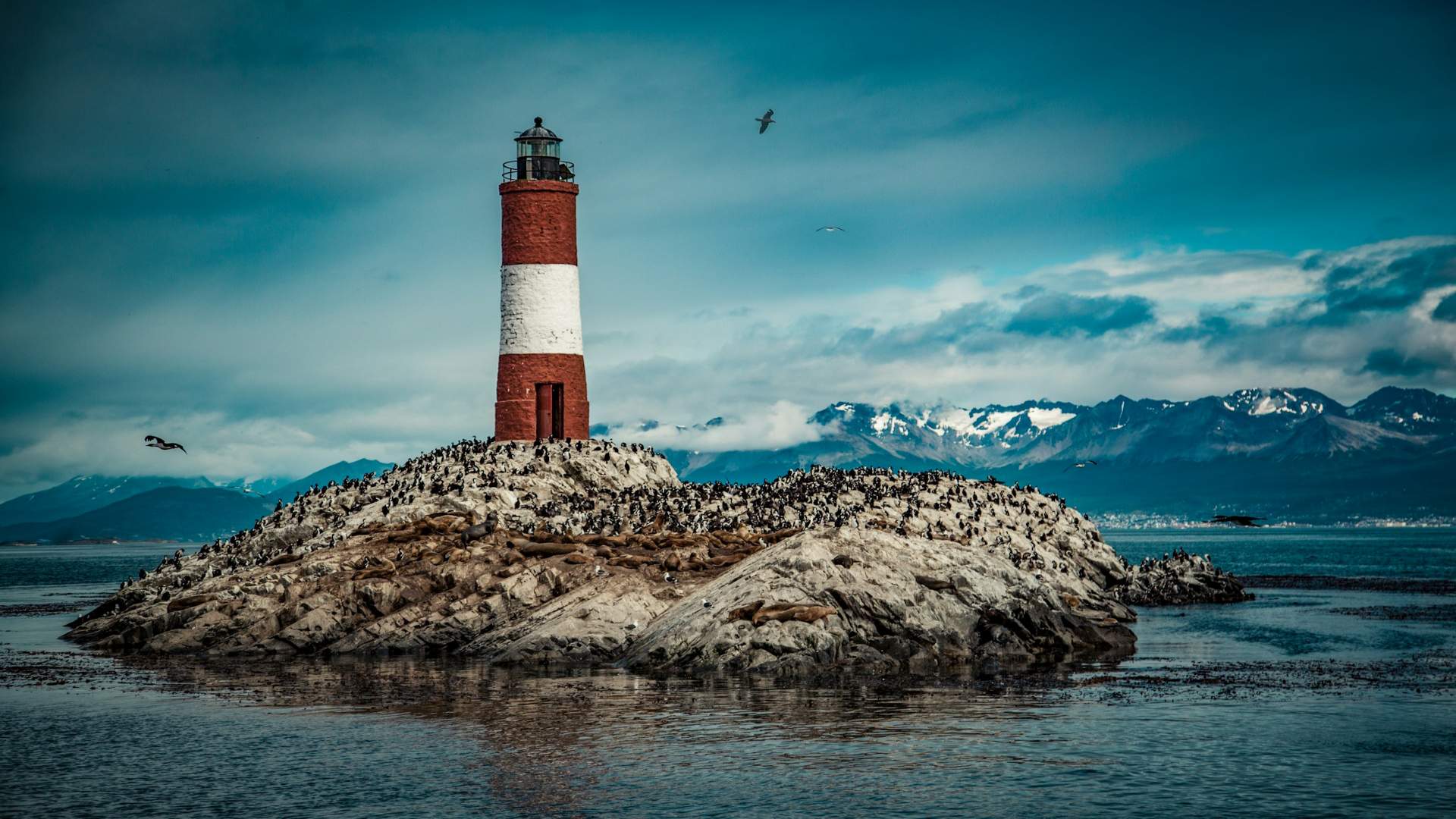
Ushuaia – The End of the World: Where Patagonia’s Wild Frontiers Meet Untamed Adventure
Ushuaia, Argentina’s southernmost city nestled at the tip of Tierra del Fuego, is a rugged gateway to Patagonia’s raw beauty and the gateway to Antarctica. Dubbed the "End of the World," it captivates with jagged glaciers, windswept fjords, and subantarctic wildlife, blending indigenous heritage with modern exploration. From the misty trails of Tierra del Fuego National Park to the icy waters of the Beagle Channel, its neighborhoods evoke a pioneer spirit: the bustling waterfront hub of the city center, the serene outskirts near Martial Glacier, and the remote estancias evoking gaucho lore. Ushuaia thrills adventure seekers, nature enthusiasts, and history lovers with epic hikes, penguin colonies, and world-class seafood, alongside landmarks like the historic End of the World Train. The region’s indigenous Yámana legacy echoes in its museums, while festivals celebrate Fuegian culture amid howling winds. Whether trekking to emerald lagoons, savoring centolla crab, or chasing auroras in winter, a journey to Ushuaia delivers an exhilarating plunge into isolation, resilience, and pristine wilderness.
Top Activities and Experiences in Ushuaia
Ushuaia, where subantarctic chills ignite fiery passions for adventure, delivers a thrilling cocktail of wildlife, hikes, cuisine, and polar expeditions. Whether you’re a trekker craving rugged trails, a wildlife watcher eyeing penguins, or a gourmet hunting local lamb, Ushuaia beckons with unparalleled edge-of-the-world escapades.
Explore Tierra del Fuego National Park
Venture into Argentina’s only coastal national park, a 63,000-hectare wonderland of fjords, beaver dams, and windswept forests. Hike the Coastal Path to Lapataia Bay, where the Pan-American Highway ends, or ride the historic End of the World Train through ethereal peat bogs and waterfalls.
Cruise the Beagle Channel
Board a catamaran for a half-day sail through this iconic strait, spotting sea lions at Isla de los Lobos, cormorants on Isla Alicia, and the postcard-perfect Les Éclaireurs Lighthouse. Upgrade to a penguin-focused tour landing on Martillo Island for up-close encounters with Magellanic and Gentoo colonies.
Hike to Laguna Esmeralda
Embark on a challenging 10km round-trip trek through mossy forests and peatlands to this turquoise glacial lagoon, framed by snow-capped peaks. Depart from the city outskirts; it’s a moderate 4-5 hour adventure best suited for fit hikers, with rewarding views of the Andes.
Visit the Museo Marítimo y del Presidio
Step into Ushuaia’s haunting past at this former prison turned museum complex, once South America’s Alcatraz. Wander cellblocks housing infamous inmates, explore maritime exhibits with ship models, and delve into Antarctic history in the adjacent museum.
Trek to Martial Glacier
Cable car or hike up to this hanging glacier just 7km from town, offering crampon treks across ice fields and panoramic vistas over the Beagle Channel. In winter, it transforms into a snowshoe paradise with views rivaling Patagonia’s finest.
Spot Penguins on Martillo Island
Waddle among thousands of Magellanic, Gentoo, and rare King penguins on this private reserve, accessible via a 2-hour boat from Ushuaia (November-March). Guided walks keep a respectful distance, highlighting breeding behaviors in their natural habitat.
Ride the End of the World Train
Chug through Tierra del Fuego on this narrow-gauge railway, a 7km restored route evoking the prison era’s timber hauls. Pass waterfalls, tunnels, and the Macarena Cascade, with narrated history adding depth to the scenic ride.
Savor Fuegian Cuisine at a Local Parrilla
Indulge in Patagonian lamb slow-roasted over beech wood or fresh centolla (king crab) at spots like Casimiro Biguá. Pair with malbec and empanadas stuffed with local crab for an authentic taste of Tierra del Fuego’s bounty.
Hike to Esmeralda Lagoon
Trace a rugged path past beaver dams and through lenga forests to this emerald gem, a 4-6 hour out-and-back from the trailhead. Pack waterproof gear for muddy sections; the payoff is a serene alpine lake reflecting Martial Peak.
Visit Estancia Harberton
Tour Tierra del Fuego’s oldest ranch, founded in 1886, with sheep pens, a tearoom, and the Acatushún Marine Mammal Museum showcasing whale skeletons. Combine with a penguin island boat for a full-day cultural and wildlife immersion.
Experience Winter Snow Adventures
From June to September, embrace the chill with dog sledding at Valle de Lobos, skiing at Cerro Castor, or snowshoeing on Glaciar Martial. Ushuaia’s microclimate delivers powder days amid short daylight hours.
Take a Day Trip to Tolhuin
Drive 1.5 hours north to this lakeside village on Lago Fagnano, Argentina’s largest glacial lake. Kayak its shores, visit artisan bakeries, or hike surrounding forests for a quieter taste of Fuegian inland life.
Unwind at Yamana Community Museum
Learn about the indigenous Yámana people, canoe nomads of the channel, through recreated huts and artifacts. This small riverside museum offers guided insights into pre-colonial life, emphasizing resilience against colonial tides.
Explore the City Waterfront
Stroll Avenida San Martín’s craft shops and cafés, then hit the harbor for yacht sightings and the iconic Ushuaia sign. It’s the pulse of town life, with street performers and views of departing Antarctic vessels.
Attend a Cultural Festival
Ushuaia’s events spotlight Fuegian spirit: Join the International Film Festival in April for global cinema, or the Fiesta Nacional del Lago Escondido in summer for folk music, asados, and lakefront revelry.
Ready to Explore More?
Discover the best places to visit in Patagonia and craft your epic itinerary. Click here to uncover top destinations across Argentina’s wild south!
Frequently Asked Questions (FAQs) About Ushuaia
What are the top things to do in Ushuaia?
Hike Tierra del Fuego National Park, cruise the Beagle Channel, trek to Laguna Esmeralda, visit penguin colonies, and ride the End of the World Train.
What are the must-visit places in Ushuaia?
Tierra del Fuego National Park, Beagle Channel, Museo Marítimo, Martial Glacier, and Martillo Island top the list of Ushuaia attractions.
When is the best time to visit Ushuaia?
The best time to visit Ushuaia is summer (December-February) for mild weather and long days ideal for hikes and cruises, though shoulder seasons (October-November, March-April) offer fewer crowds and blooming landscapes. Winter (June-September) suits snow sports.
What are the best things to see in Ushuaia?
Glaciers like Martial, emerald lagoons, penguin rookeries, historic prisons, and channel wildlife define Ushuaia’s must-see wonders.
Which are the best places to visit near Ushuaia for a short trip?
Tolhuin on Lago Fagnano, Puerto Almanza for seafood, or cross-border to Puerto Williams (Chile) make excellent day trips from Ushuaia.
Do you have a comprehensive Ushuaia tour guide?
Yes! Our Ushuaia tour guide details attractions, dining, transport, and insider tips for seamless exploration of the End of the World.
What are the top tourist attractions in Ushuaia?
Key Ushuaia spots include Laguna Esmeralda, End of the World Train, Estancia Harberton, and the Yámana Museum.
What are the best places to visit in Ushuaia with family?
Family hits are the End of the World Train, easy Beagle Channel cruises, penguin tours, and Valle de Lobos dog sledding in winter.
Where can I find a Ushuaia tour guide for my trip?
Hire local Ushuaia guides via platforms like Viator or agencies like Tolkeyen Turismo for tailored hikes, cruises, and history walks.
What are the top festivals in Ushuaia?
Ushuaia shines with the International Film Festival (April), Fiesta del Lago Escondido (summer), and winter ski events at Cerro Castor.
Where to stay in Ushuaia?
Opt for luxury at Arakur Ushuaia Resort near the channel, mid-range at Hotel Los Yamanas in the city center, or budget hostels like Posada del Fin del Mundo.
Is Ushuaia safe?
Ushuaia is generally safe for tourists, with low crime; stick to marked trails, watch for weather changes, and use reputable operators for tours. Petty theft is rare but secure valuables.
What are some essential Ushuaia travel advice tips?
Layer for variable winds, book tours in advance, carry cash (pesos) for remote spots, use insect repellent for hikes, and check penguin season dates.
What are the best places to eat in Ushuaia?
Savor lamb at Casimiro Biguá, centolla at El Viejo Marino, or empanadas at La Marmita for prime Ushuaia flavors.
Is Ushuaia safe for women travelers?
Yes, Ushuaia is welcoming and safe for solo women; join group tours for remote areas, avoid isolated trails at dusk, and rely on hotel shuttles or taxis.
What are some must-try experiences on a trip to Ushuaia?
Cruise for penguins, hike to a glacier, dine on king crab, ride the historic train, and stargaze under southern skies.
How can I book a Ushuaia tour or vacation package?
Secure customizable Ushuaia packages online via GetYourGuide or local outfits, bundling cruises, hikes, stays, and Antarctic prep.
What are some offbeat things to do in Ushuaia?
Visit beaver dams on off-trail hikes, tour the Acatushún whale museum, or kayak Lago Escondido for hidden coves away from crowds.
What should I pack for my Ushuaia vacation?
Pack waterproof layers, sturdy boots, gloves, binoculars, sunscreen, and a daypack; add snow gear for winter visits.
Is there a Ushuaia cherry blossom festival?
Ushuaia lacks cherry blossoms due to its cool climate, but spring (October-November) brings colorful calafate berries and lenga tree reds; catch cultural vibes at the Film Festival instead.
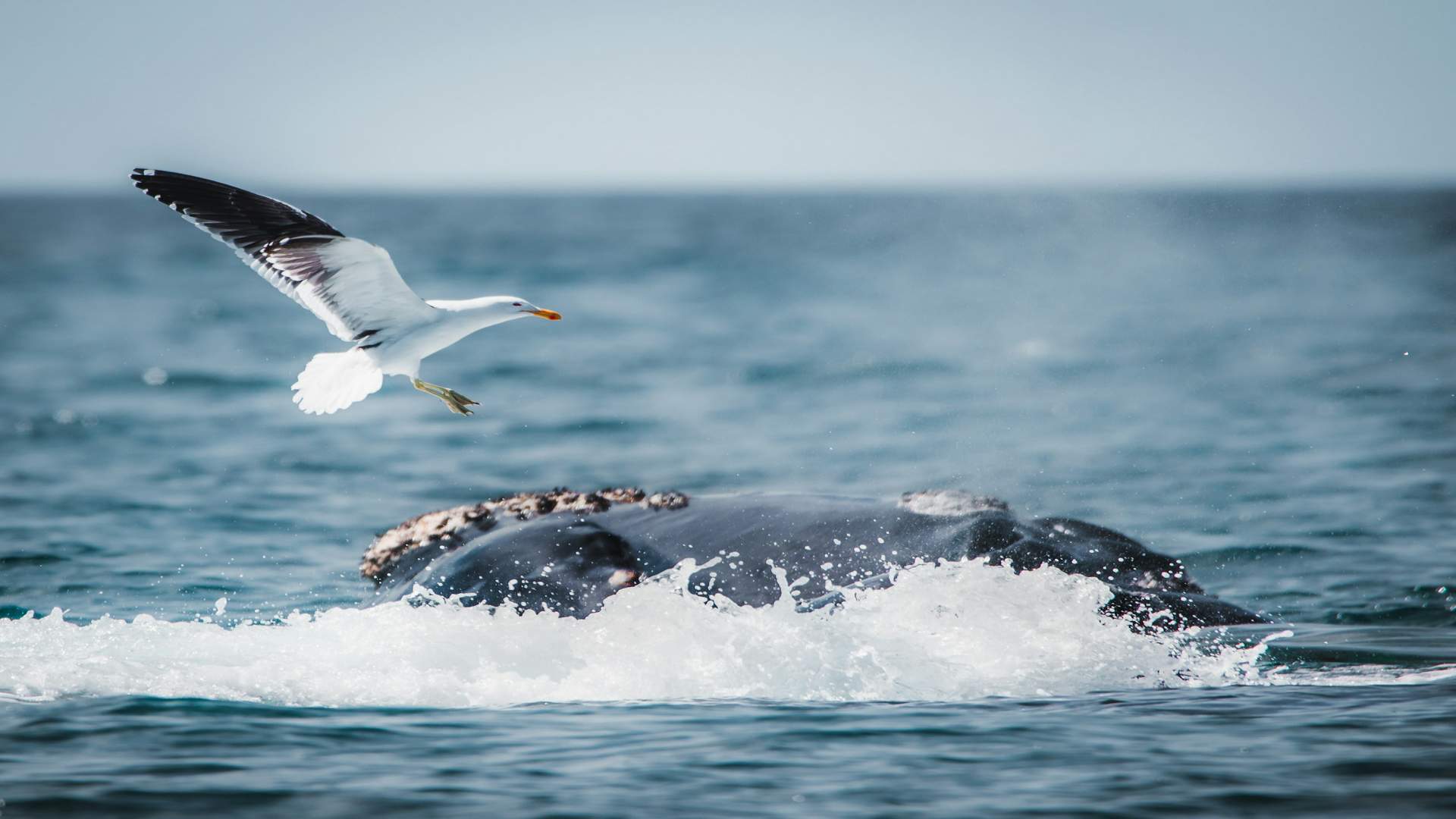
Puerto Madryn – Gateway to Patagonia’s Wildlife Wonders
Puerto Madryn, a coastal gem in Argentina’s Chubut province, is Patagonia’s premier destination for wildlife enthusiasts and ocean lovers. Nestled along the shores of Golfo Nuevo, it’s the gateway to Peninsula Valdés, a UNESCO World Heritage Site teeming with southern right whales, penguins, and sea lions. The city blends laid-back beach vibes with rugged Patagonian spirit, from its lively waterfront promenade to quaint cafés on Avenida Roca. Puerto Madryn captivates adventurers with whale-watching tours, snorkeling with sea lions, and visits to the world’s largest Magellanic penguin colony at Punta Tombo. Its Welsh heritage, rooted in 19th-century settlers, shines through in teahouses and festivals. Whether diving into crystal waters, savoring fresh seafood, or exploring fossil-rich cliffs, a trip to Puerto Madryn offers an unforgettable journey into Patagonia’s wild heart and marine marvels.
Top Activities and Experiences in Puerto Madryn
Puerto Madryn, where the Atlantic’s pulse meets Patagonia’s raw beauty, delivers a thrilling mix of wildlife encounters, marine adventures, and cultural charm. Whether you’re a nature lover chasing whale sightings, a diver exploring underwater worlds, or a foodie craving fresh calamari, Puerto Madryn beckons with coastal allure.
Whale Watching in Peninsula Valdés
From June to December, embark on a boat tour from Puerto Pirámides to spot southern right whales breaching in Golfo Nuevo. These gentle giants, up to 15m long, offer a bucket-list spectacle, with guided tours ensuring respectful viewing.
Visit Punta Tombo Penguin Colony
Explore the world’s largest Magellanic penguin colony, 180km south of Puerto Madryn, home to over 500,000 birds (September-April). Walk boardwalks to observe their playful waddles and burrows, a must for wildlife lovers.
Snorkel with Sea Lions at Punta Loma
Dive into the Atlantic for a unique snorkeling experience with playful sea lions, just 17km from town. Guided tours ensure safe, ethical interactions with these curious marine mammals in their natural habitat.
Explore Peninsula Valdés
Tour this UNESCO site, a 3,625km² wildlife haven. Spot orcas, elephant seals, and guanacos on guided day trips, with stops at Caleta Valdés and Punta Norte for dramatic coastal views and diverse fauna.
Relax at El Doradillo Beach
Just 15km north, this beach offers prime land-based whale watching (June-December). Watch southern right whales swim close to shore, or enjoy a peaceful sunset stroll along its pebbled coast.
Visit the Ecocentro Puerto Madryn
Dive into marine conservation at this waterfront museum, showcasing Patagonia’s ocean ecosystems. Interactive exhibits and whale skeleton displays make it a family-friendly stop for understanding the region’s biodiversity.
Scuba Diving in Golfo Nuevo
Explore underwater reefs and shipwrecks with certified dive operators. From beginner dives to advanced night dives, Puerto Madryn’s clear waters offer visibility up to 20m, ideal for spotting fish and sea lions.
Savor Seafood at a Coastal Restaurant
Indulge in fresh calamari, Patagonian shrimp, or fish at spots like Cantina El Náutico. Pair with a local Torrontés wine for a true taste of Puerto Madryn’s coastal cuisine.
Day Trip to Gaiman for Welsh Heritage
Drive 70km to this historic Welsh village, founded in 1865. Visit traditional teahouses like Ty Gwyn for scones and tea, or explore Casa de las Primeras Familias for pioneer history.
Hike Punta Cuevas
Stroll this scenic trail near town to see fossilized oyster beds and panoramic ocean views. The site’s historic caves, once used by indigenous peoples, add a cultural layer to this easy hike.
Kayak in Golfo Nuevo
Paddle the calm waters of the gulf for a serene adventure. Guided kayak tours offer chances to spot dolphins, sea lions, and coastal birds, blending exercise with wildlife viewing.
Visit Museo Provincial de Ciencias Naturales
Uncover Patagonia’s geological past at this small museum in downtown Puerto Madryn. Fossils, dinosaur bones, and marine exhibits highlight the region’s prehistoric and oceanic heritage.
Attend the Fiesta Nacional del Cordero
Join this November festival celebrating Patagonian lamb with asados, folk music, and gaucho displays. Held in Puerto Madryn, it’s a vibrant showcase of regional culture and cuisine.
Bike Along the Coastal Promenade
Rent a bike to explore the 7km waterfront path along Avenida Roca. Stop at beaches, sculptures, or cafés while soaking in views of Golfo Nuevo and distant Peninsula Valdés.
Explore Punta Ninfas
Venture 70km south for a rugged 4x4 tour to this remote headland. Spot elephant seals, sea lions, and orcas (March-April), with dramatic cliffs and lighthouse views adding to the wild allure.
Ready to Explore More?
Discover the best places to visit in Patagonia and craft your epic itinerary. Click here to uncover top destinations across Argentina’s wild south!
Frequently Asked Questions (FAQs) About Puerto Madryn
What are the top things to do in Puerto Madryn?
Go whale watching, visit Punta Tombo penguins, snorkel with sea lions, explore Peninsula Valdés, and savor local seafood.
What are the must-visit places in Puerto Madryn?
Peninsula Valdés, Punta Tombo, El Doradillo Beach, Ecocentro, and Punta Loma are top attractions.
When is the best time to visit Puerto Madryn?
Visit from June to December for whale watching, or September to April for penguins and seals. Spring (September-November) and autumn (March-April) offer mild weather and fewer crowds.
What are the best things to see in Puerto Madryn?
Southern right whales, Magellanic penguins, sea lions, fossilized cliffs, and Golfo Nuevo’s marine life define Puerto Madryn’s wonders.
Which are the best places to visit near Puerto Madryn for a short trip?
Gaiman for Welsh culture, Trelew for paleontology museums, or Rawson for dolphin spotting make great day trips.
Do you have a comprehensive Puerto Madryn tour guide?
Yes! Our Puerto Madryn tour guide covers attractions, dining, transport, and tips for a seamless Patagonian adventure.
What are the top tourist attractions in Puerto Madryn?
Key spots include Peninsula Valdés, Punta Tombo, Ecocentro, Punta Loma, and the coastal promenade.
What are the best places to visit in Puerto Madryn with family?
Family-friendly spots include Ecocentro, Punta Tombo, El Doradillo Beach, Gaiman teahouses, and easy kayak tours.
Where can I find a Puerto Madryn tour guide for my trip?
Hire local guides via platforms like Viator or agencies like Cuyun Co for tailored wildlife tours, dives, or cultural trips.
What are the top festivals in Puerto Madryn?
Fiesta Nacional del Cordero (November) and the Whale Festival (September) celebrate local culture with food, music, and marine appreciation.
Where to stay in Puerto Madryn?
Choose luxury at Hotel Península Valdés, mid-range at Hotel Tolosa, or budget hostels like El Gualicho near the waterfront.
Is Puerto Madryn safe?
Puerto Madryn is safe for tourists with low crime; stick to marked trails, use reputable tour operators, and secure valuables on beaches.
What are some essential Puerto Madryn travel advice tips?
Book wildlife tours early, layer for coastal winds, carry pesos for small vendors, bring binoculars, and check seasonal wildlife schedules.
What are the best places to eat in Puerto Madryn?
Try seafood at Cantina El Náutico, lamb at Vernardino Club, or empanadas at Lizard Café for coastal Patagonian flavors.
Is Puerto Madryn safe for women travelers?
Yes, Puerto Madryn is safe for solo women; join group tours for remote areas, avoid isolated beaches at night, and use trusted taxis.
What are some must-try experiences on a trip to Puerto Madryn?
Watch whales, snorkel with sea lions, visit penguins, explore Welsh teahouses, and kayak Golfo Nuevo.
How can I book a Puerto Madryn tour or vacation package?
Book customizable packages via GetYourGuide or local agencies, including whale watching, penguin tours, and Gaiman trips.
What are some offbeat things to do in Puerto Madryn?
Explore fossil cliffs at Punta Cuevas, visit the Paleontological Museum in Trelew, or spot dolphins at Playa Unión.
What should I pack for my Puerto Madryn vacation?
Pack layers for wind, sunscreen, sunglasses, binoculars, waterproof shoes, and a swimsuit for diving or snorkeling.
Is there a Puerto Madryn cherry blossom festival?
Puerto Madryn lacks cherry blossoms due to its arid climate, but spring (September-November) brings wildflowers and wildlife; enjoy the Whale Festival instead.
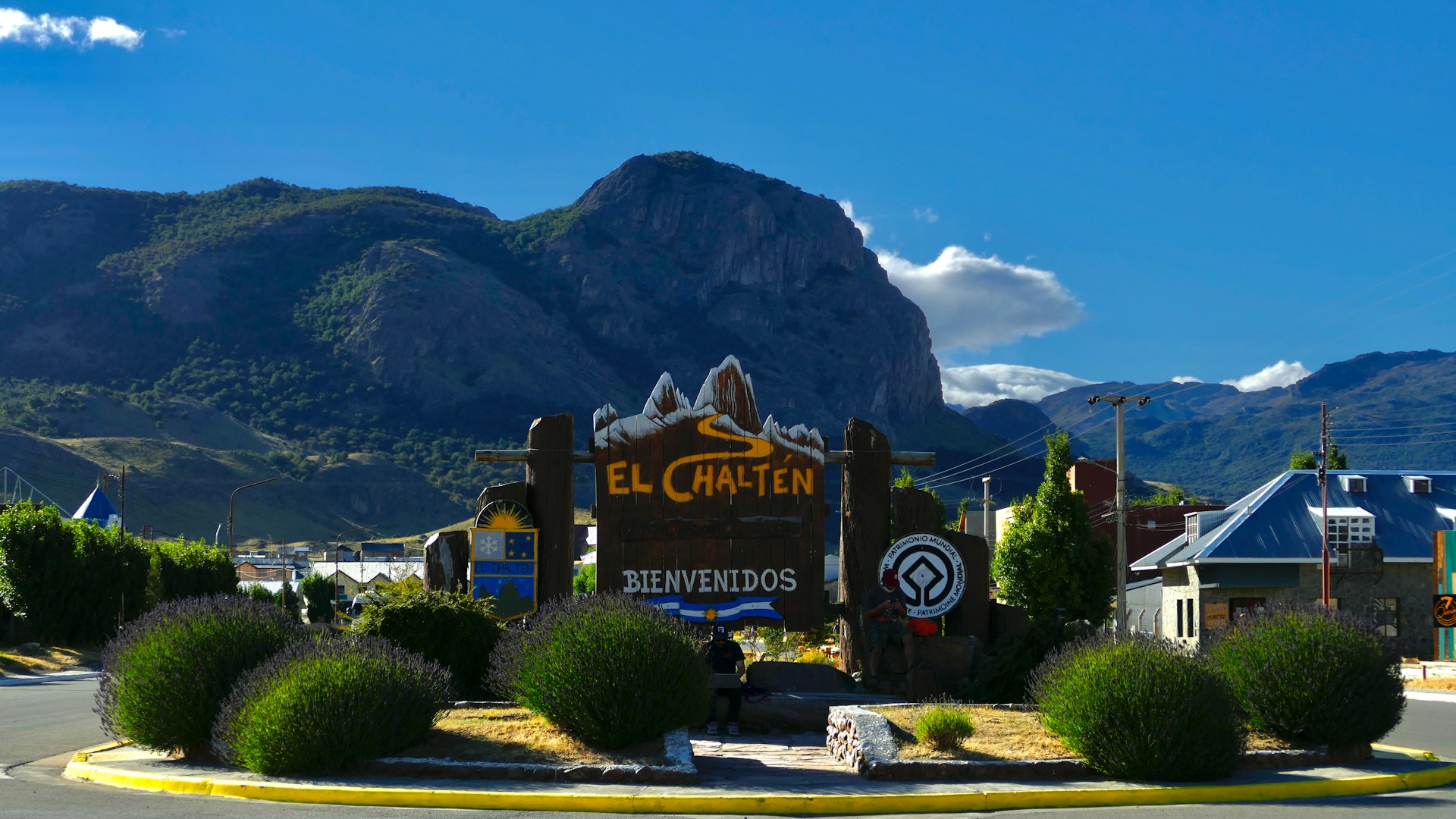
El Chaltén – Patagonia’s Trekking Capital
El Chaltén, a remote village in Argentina’s Santa Cruz province, is Patagonia’s ultimate haven for trekkers and nature lovers, nestled at the base of the iconic Fitz Roy and Cerro Torre peaks. Known as the "National Trekking Capital," this gateway to Los Glaciares National Park captivates with its jagged granite spires, turquoise lagoons, and pristine glaciers. Founded in 1985 to settle a border dispute, El Chaltén’s rustic charm shines through its cozy hosterías, craft breweries, and vibrant hiking culture along Avenida San Martín. Whether chasing epic trails like Laguna de los Tres, climbing sheer rock faces, or savoring homemade empanadas, El Chaltén draws adventurers with its raw beauty and Mapuche heritage. From spring wildflowers to winter’s snowy solitude, a trip to El Chaltén promises an exhilarating plunge into Patagonia’s untamed wilderness and mountaineering legacy.
Top Activities and Experiences in El Chaltén
El Chaltén, where towering peaks meet untamed trails, offers a thrilling blend of world-class hiking, glacier adventures, and Patagonian culture. Whether you’re a trekker aiming for Fitz Roy, a climber scaling granite walls, or a foodie savoring local brews, El Chaltén delivers an epic outdoor escape.
Hike to Laguna de los Tres
Tackle this iconic 20km round-trip trail to a turquoise lagoon beneath Fitz Roy’s granite spires. The moderate-to-challenging 8-10 hour hike, starting from town, rewards with one of Patagonia’s most breathtaking vistas.
Trek to Cerro Torre and Laguna Torre
Embark on a 18km round-trip hike to this glacial lagoon framed by Cerro Torre’s needle-like peak. The 6-8 hour trail, accessible from El Chaltén, offers stunning views of icebergs and granite towers.
Explore Los Glaciares National Park
Venture into this UNESCO World Heritage Site, spanning 726,000 hectares, with trails to remote glaciers like Viedma and Piedras Blancas. Spot condors and huemul deer amidst Andean forests and peaks.
Ice Trek on Viedma Glacier
Join a guided ice-hiking tour on Patagonia’s largest glacier, accessible by boat from Puerto Bahía Túnel. Equipped with crampons, explore ice caves and crevasses for a 5-7 hour adventure.
Visit Mirador de los Cóndores
Hike this easy 2km round-trip trail from town for panoramic views of Fitz Roy and El Chaltén. Ideal for beginners, it’s a 1-hour trek with chances to spot soaring Andean condors.
Climb Fitz Roy or Cerro Torre
For experienced climbers, these legendary peaks offer world-class routes like the Supercanaleta. Hire certified guides for multi-day ascents, tackling granite faces in Patagonia’s mountaineering mecca.
Kayak on Río de las Vueltas
Paddle this scenic river near town with guided tours or rentals. The 2-3 hour trips weave through glacial valleys, offering views of Fitz Roy and chances to spot native wildlife.
Savor Patagonian Cuisine
Indulge in lamb empanadas or craft beer at La Cervecería, or try cordero al asador at La Tapera. Pair with calafate berry desserts for a taste of Patagonia’s culinary soul.
Day Trip to Lago del Desierto
Drive or bus 37km north to this pristine lake, surrounded by forests and glaciers. Hike to Huemul Glacier (4 hours round-trip) or kayak for a serene day in untouched wilderness.
Visit Chorrillo del Salto
Stroll this easy 3km round-trip trail to a picturesque waterfall just outside town. Perfect for families or a quick outing, the 1-hour hike offers serene views and picnic spots.
Horseback Ride in the Valley
Explore the Río de las Vueltas valley on guided horseback tours, blending gaucho traditions with Fitz Roy views. Half-day rides visit estancias and scenic lookouts.
Explore Avenida San Martín
Walk El Chaltén’s main street for cozy cafés, gear shops, and local crafts. Stop at Mathilda for coffee or La Waflería for sweet treats, soaking in the village’s laid-back vibe.
Photograph Patagonia’s Peaks
Capture Fitz Roy and Cerro Torre at sunrise from viewpoints like Mirador del Torre. Guided photo tours help amateurs and pros alike frame Patagonia’s dramatic landscapes.
Visit Casa Madsen Museum
Step into El Chaltén’s pioneer history at this small museum, housed in a 1919 settler’s home. Exhibits showcase early mountaineering and Mapuche culture, offering a quick cultural stop.
Attend Fiesta Nacional del Trekking
Join this March festival celebrating El Chaltén’s hiking culture with trail runs, climbing events, and live music. It’s a vibrant showcase of Patagonia’s outdoor spirit.
Ready to Explore More?
Discover the best places to visit in Patagonia and craft your epic itinerary. Click here to uncover top destinations across Argentina’s wild south!
Frequently Asked Questions (FAQs) About El Chaltén
What are the top things to do in El Chaltén?
Hike to Laguna de los Tres, trek to Cerro Torre, ice hike Viedma Glacier, kayak Río de las Vueltas, and savor Patagonian cuisine.
What are the must-visit places in El Chaltén?
Laguna de los Tres, Cerro Torre, Los Glaciares National Park, Viedma Glacier, and Chorrillo del Salto are top attractions.
When is the best time to visit El Chaltén?
Summer (December-February) is ideal for hiking with mild weather, while spring (September-November) and autumn (March-April) offer fewer crowds and vibrant landscapes. Winter (June-August) suits snowshoeing but limits trail access.
What are the best things to see in El Chaltén?
Granite peaks, turquoise lagoons, glaciers, Andean condors, and Mapuche heritage define El Chaltén’s must-see wonders.
Which are the best places to visit near El Chaltén for a short trip?
Lago del Desierto, El Calafate for glaciers, or Torres del Paine (Chile) for epic treks are great day or overnight trips.
Do you have a comprehensive El Chaltén tour guide?
Yes! Our El Chaltén tour guide covers trails, dining, transport, and tips for a seamless trekking adventure.
What are the top tourist attractions in El Chaltén?
Key spots include Laguna de los Tres, Cerro Torre, Mirador de los Cóndores, Lago del Desierto, and Chorrillo del Salto.
What are the best places to visit in El Chaltén with family?
Family-friendly spots include Chorrillo del Salto, Mirador de los Cóndores, Lago del Desierto, and easy riverside horseback rides.
Where can I find an El Chaltén tour guide for my trip?
Hire local guides via platforms like Viator or agencies like Fitz Roy Expediciones for tailored hikes, climbs, or glacier tours.
What are the top festivals in El Chaltén?
Fiesta Nacional del Trekking (March) celebrates hiking with races, climbing events, and music, showcasing El Chaltén’s outdoor spirit.
Where to stay in El Chaltén?
Choose luxury at Chaltén Suites, mid-range at Hostería El Puma, or budget hostels like Rancho Grande near downtown.
Is El Chaltén safe?
El Chaltén is safe for tourists with low crime; stick to marked trails, check weather forecasts, and use reputable guides for remote treks.
What are some essential El Chaltén travel advice tips?
Pack for variable weather, bring sturdy boots, carry water and snacks on trails, book guides early, and respect park regulations.
What are the best places to eat in El Chaltén?
Try empanadas at La Cervecería, lamb at La Tapera, or waffles at La Waflería for authentic Patagonian flavors.
Is El Chaltén safe for women travelers?
Yes, El Chaltén is safe for solo women; join group hikes for remote trails, avoid isolated areas at night, and use trusted hostels.
What are some must-try experiences on a trip to El Chaltén?
Hike to Laguna de los Tres, ice trek Viedma Glacier, kayak Río de las Vueltas, climb Fitz Roy, and taste local craft beer.
How can I book an El Chaltén tour or vacation package?
Book customizable packages via GetYourGuide or local agencies, including hikes, glacier tours, and Lago del Desierto trips.
What are some offbeat things to do in El Chaltén?
Explore hidden trails like Loma del Pliegue Tumbado, visit remote Huemul Glacier, or photograph Fitz Roy at sunrise from offbeat viewpoints.
What should I pack for my El Chaltén vacation?
Pack waterproof layers, hiking boots, trekking poles, sunscreen, a daypack, and warm gear for high-altitude trails.
Is there an El Chaltén cherry blossom festival?
El Chaltén lacks cherry blossoms due to its alpine climate, but spring (September-November) brings wildflowers and green valleys; enjoy the Fiesta Nacional del Trekking instead.
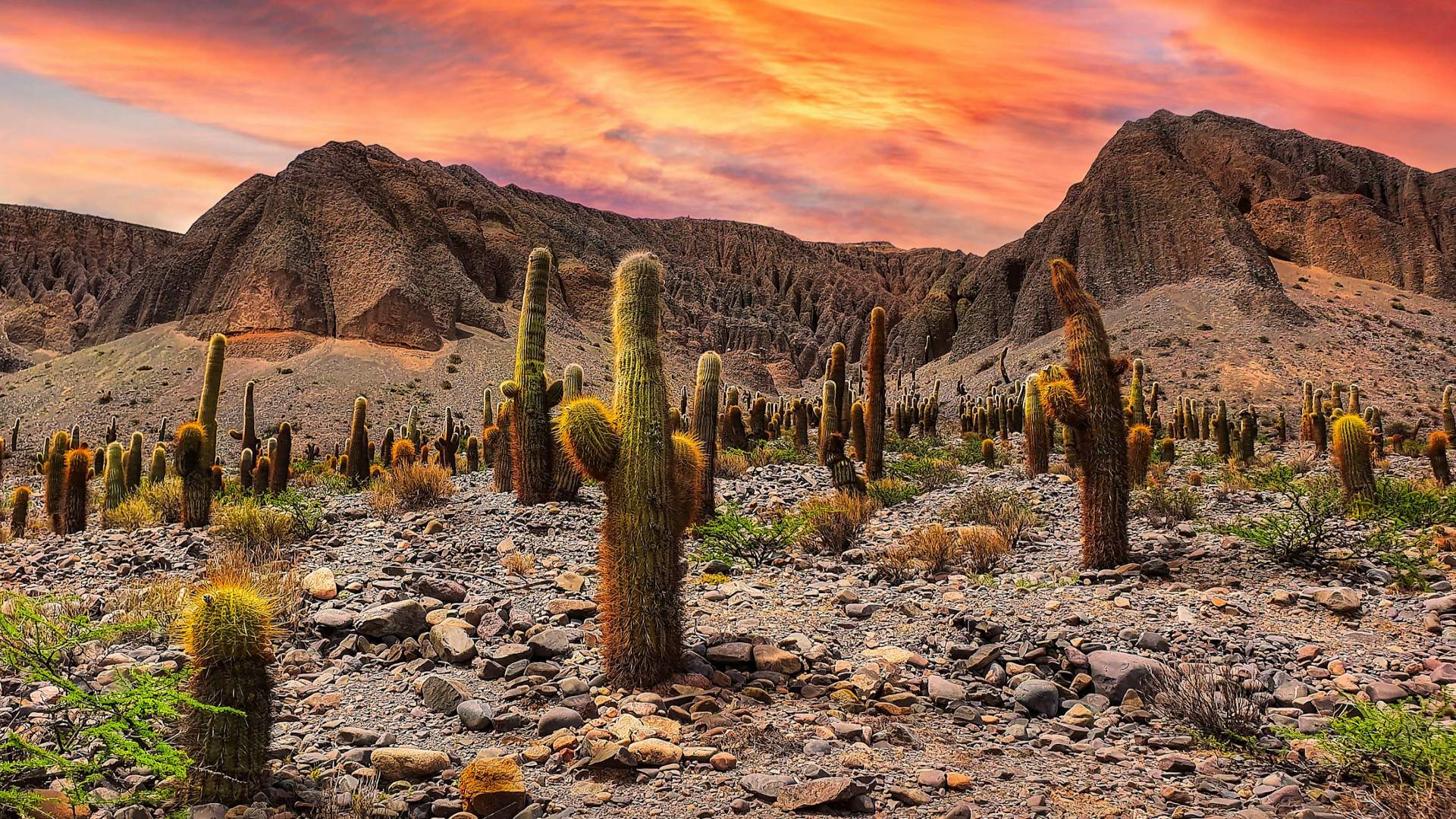
Salta – The Heart of Northwest Argentina’s Cultural Soul
Salta, a vibrant city in Argentina’s Northwest, is a captivating blend of colonial charm, Andean culture, and dramatic landscapes. Known as "Salta la Linda" (Salta the Beautiful), it sits in the Lerma Valley, surrounded by rugged mountains and colorful canyons. The city’s historic core, centered around Plaza 9 de Julio, boasts colonial architecture, lively peñas, and a rich Criollo heritage. As the gateway to the UNESCO-listed Quebrada de Humahuaca and the iconic Train to the Clouds, Salta draws adventurers, history buffs, and culture enthusiasts with its vibrant markets, ancient ruins, and Andean festivals. From exploring the multicolored hills of Cafayate to savoring empanadas salteñas, a trip to Salta offers an unforgettable journey into Argentina’s colonial past, indigenous roots, and breathtaking high-altitude wilderness.
Top Activities and Experiences in Salta
Salta, where colonial elegance meets Andean mystique, offers a thrilling mix of cultural immersion, scenic adventures, and culinary delights. Whether you’re a hiker exploring vibrant canyons, a history lover visiting ancient ruins, or a foodie tasting locro, Salta delivers an authentic Northwest experience.
Explore Plaza 9 de Julio
Stroll Salta’s historic heart, a colonial plaza surrounded by the ornate Cabildo, Salta Cathedral, and lively cafés. Dating to 1582, it’s a vibrant hub for street musicians and artisan markets.
Ride the Train to the Clouds
Embark on this iconic 434km railway journey, one of the world’s highest, reaching 4,220m at La Polvorilla viaduct. The 15-hour trip offers stunning Andean vistas, departing from Salta (seasonal).
Visit Quebrada de Humahuaca
Day trip 180km north to this UNESCO World Heritage valley, known for its rainbow-hued hills and ancient villages like Purmamarca. Explore the Hill of Seven Colors and indigenous markets.
Tour the MAAM (Museum of High Altitude Archaeology)
Discover Inca mummies, including the famous Llullaillaco Children, at this world-class museum in Salta’s center. Exhibits showcase Andean rituals and pre-Columbian artifacts, a must for history buffs.
Hike in Los Cardones National Park
Explore this 64,000-hectare park, 100km southwest, filled with towering cacti and dramatic desert landscapes. Trails like Valle Encantado offer hikes with views of the Andes foothills.
Visit Cafayate’s Wineries
Drive 183km south to this wine region, famous for Torrontés. Tour vineyards like Bodega El Esteco, taste crisp whites, and explore the colorful Quebrada de las Conchas en route.
Savor Salteña Cuisine
Indulge in empanadas salteñas, locro stew, or humitas at spots like Doña Salta. Pair with a Cafayate Torrontés or tamales for a true taste of Northwest Argentina.
Ride the Cable Car to Cerro San Bernardo
Ascend this 1,470m hill for panoramic views of Salta and the Lerma Valley. The 10-minute cable car ride from Parque San Martín leads to gardens and a café at the summit.
Day Trip to Cachi
Travel 157km to this colonial village, nestled in the Calchaquí Valleys. Visit its historic church, archaeological museum, and scenic routes through Los Cardones National Park.
Explore the Salta Cathedral
Admire this 19th-century neoclassical cathedral on Plaza 9 de Julio, with its pink-and-yellow facade and ornate interiors. It’s a cultural landmark housing religious artifacts.
Visit Tastil Ruins
Journey 100km northwest to these pre-Inca ruins, once a major settlement of the Atacama people. Guided tours reveal stone structures and panoramic views of the Quebrada del Toro.
Stroll Calle Balcarce
Walk this lively street for peñas (folk music venues), craft markets, and restaurants. Visit La Casona del Molino for live music and empanadas in a traditional setting.
Horseback Ride in the Calchaquí Valleys
Join guided rides through rugged valleys near Cachi or Molinos, blending gaucho traditions with stunning Andean scenery. Half-day tours visit remote estancias and vistas.
Attend the Fiesta del Milagro
Join Salta’s largest festival in September, honoring the Lord and Virgin of the Miracle with processions, music, and street celebrations, drawing thousands to Plaza 9 de Julio.
Explore Quebrada de las Conchas
Drive the scenic Route 68 to Cafayate, passing red rock formations like The Amphitheater and Devil’s Throat. Stop for photos and short hikes in this geological wonderland.
Ready to Explore More?
Discover the best places to visit in Argentina and craft your epic itinerary. Click here to uncover top destinations across the country’s diverse landscapes!
Frequently Asked Questions (FAQs) About Salta
What are the top things to do in Salta?
Explore Plaza 9 de Julio, ride the Train to the Clouds, visit Quebrada de Humahuaca, tour MAAM, and savor empanadas salteñas.
What are the must-visit places in Salta?
Plaza 9 de Julio, Quebrada de Humahuaca, Cerro San Bernardo, Salta Cathedral, and Cafayate’s wineries are top attractions.
When is the best time to visit Salta?
Spring (September-November) and autumn (March-May) offer mild weather for exploring. Summer (December-February) is warm but rainy; winter (June-August) is dry and ideal for high-altitude trips.
What are the best things to see in Salta?
Colonial architecture, rainbow-hued canyons, Inca mummies, Andean villages, and cactus-filled deserts define Salta’s must-see wonders.
Which are the best places to visit near Salta for a short trip?
Cachi, Cafayate, Quebrada de Humahuaca, or Jujuy’s Purmamarca and Tilcara are great day or overnight trips.
Do you have a comprehensive Salta tour guide?
Yes! Our Salta tour guide covers attractions, dining, transport, and tips for a seamless Northwest Argentina adventure.
What are the top tourist attractions in Salta?
Key spots include Plaza 9 de Julio, Train to the Clouds, Quebrada de las Conchas, MAAM, and Tastil Ruins.
What are the best places to visit in Salta with family?
Family-friendly spots include Plaza 9 de Julio, Cerro San Bernardo cable car, Los Cardones National Park, Cafayate wineries, and peñas on Calle Balcarce.
Where can I find a Salta tour guide for my trip?
Hire local guides via platforms like Viator or agencies like Say Hueque for tailored cultural tours, winery visits, or Andean treks.
What are the top festivals in Salta?
Fiesta del Milagro (September) and Carnaval in February showcase Salta’s Andean and colonial culture with music, dance, and processions.
Where to stay in Salta?
Choose luxury at Sheraton Salta, mid-range at Hotel Colonial, or budget hostels like Ferienhaus near Plaza 9 de Julio.
Is Salta safe?
Salta is safe for tourists with low crime; stick to well-lit areas, use reputable tour operators, and secure valuables in crowded markets.
What are some essential Salta travel advice tips?
Layer for altitude changes, book Train to the Clouds early, carry pesos for rural areas, stay hydrated, and check road conditions for day trips.
What are the best places to eat in Salta?
Try empanadas at Doña Salta, locro at La Casona del Molino, or humitas at El Charrúa for authentic Salteña flavors.
Is Salta safe for women travelers?
Yes, Salta is safe for solo women; join group tours for remote areas, avoid isolated streets at night, and use trusted taxis.
What are some must-try experiences on a trip to Salta?
Ride the Train to the Clouds, explore Quebrada de Humahuaca, taste Torrontés wine, visit Inca ruins, and enjoy a peña folk show.
How can I book a Salta tour or vacation package?
Book customizable packages via GetYourGuide or local agencies, including Train to the Clouds, winery tours, and Humahuaca trips.
What are some offbeat things to do in Salta?
Explore the lesser-known Quebrada del Toro, visit Molinos’ colonial church, or hike to hidden petroglyphs near Cachi.
What should I pack for my Salta vacation?
Pack layers for altitude, sturdy shoes, sunscreen, a hat, a daypack, and rain gear for summer visits.
Is there a Salta cherry blossom festival?
Salta lacks cherry blossoms due to its arid climate, but spring (September-November) brings colorful Andean wildflowers; enjoy the Fiesta del Milagro instead.
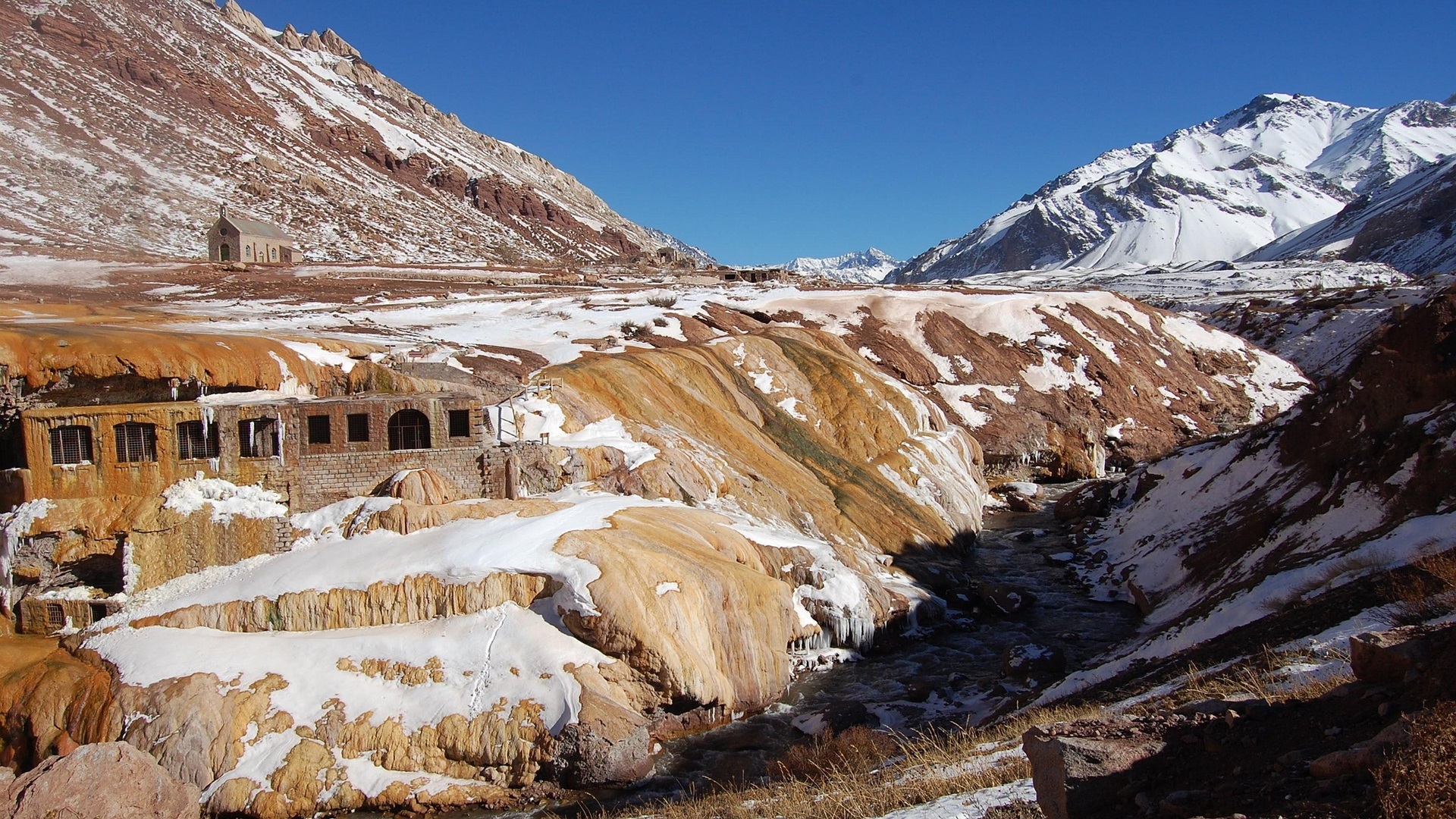
Mendoza – A Wine Lover’s Paradise in the Heart of the Andes
Mendoza, nestled at the foot of the Andes in western Argentina, is a captivating city renowned as the wine capital of South America. Famous for its Malbec vineyards, Mendoza offers a perfect blend of natural beauty, rich culture, and culinary excellence. The city’s tree-lined streets, vibrant plazas, and proximity to the towering Aconcagua peak make it a haven for wine enthusiasts, adventure seekers, and culture lovers alike. Its historic center buzzes with energy, while nearby wine regions like Maipú and Luján de Cuyo invite visitors to explore sprawling vineyards and boutique bodegas. Mendoza’s festivals, such as the Vendimia (grape harvest) celebration, showcase its deep-rooted wine heritage, complemented by savory Argentine asados and empanadas. Whether you’re sipping world-class wines, hiking Andean trails, or strolling through lush parks, a trip to Mendoza promises an unforgettable journey through Argentina’s heart and soul.
Mendoza, Argentina’s wine capital, offers a delightful mix of viticulture, adventure, and culture. Here are some of the top activities and experiences to enjoy in this scenic destination:
Mendoza, where Andean landscapes meet world-class wineries, offers an exciting blend of wine tours, outdoor adventures, cuisine, and vibrant festivals. Whether you’re a wine connoisseur, an adventurer, or a traveler seeking authentic experiences, Mendoza has something for everyone.
Explore Wine Regions
Dive into Mendoza’s wine culture with tours of its renowned regions. Visit Maipú, the birthplace of Argentine wine, for historic bodegas like Trapiche. Explore Luján de Cuyo, the “Malbec heartland,” with boutique wineries like Catena Zapata, a must for a Mendoza culture tour.
Experience the Vendimia Festival
Mendoza’s National Grape Harvest Festival (Vendimia) in March is a cultural highlight, featuring parades, wine tastings, and the crowning of the Harvest Queen. Enjoy folk music and fireworks, making it a top event for your Mendoza trip.
Shop at Local Markets
Mendoza’s markets offer artisanal goods and fresh produce. Stroll through Plaza Independencia’s craft market for handmade ceramics and leatherwork. Visit Mercado Central for local cheeses, olives, and empanadas, perfect for a Mendoza tourist place experience.
Taste Authentic Argentine Cuisine
No trip to Mendoza is complete without its culinary delights. Savor a traditional asado (barbecue) at Don Mario in Godoy Cruz. Try empanadas mendocinas at Fuente y Fonda or indulge in locro stew at a local tavern for a true Mendoza experience.
Take a Stroll Through Parque General San Martín
Escape to Parque General San Martín, a 400-hectare urban oasis with lakes, rose gardens, and Andean views. Perfect for cycling or picnics, it’s a serene Mendoza attraction and a gateway to Cerro de la Gloria.
Explore Aconcagua Provincial Park (Day Trip)
Venture to Aconcagua Provincial Park, home to South America’s highest peak, Aconcagua (6,959 meters). Hike scenic trails or marvel at the Andes’ majesty, a top place to visit near Mendoza for adventure seekers.
Visit Bodega Zuccardi Valle de Uco
In the Uco Valley, Bodega Zuccardi is a world-class winery known for its innovative architecture and award-winning Malbecs. Enjoy tastings and gourmet lunches, a highlight of Mendoza attractions.
Take a Hot Springs Break in Cacheuta
Relax at Termas de Cacheuta, a natural hot springs resort 40 km from Mendoza. Soak in thermal pools with Andean views, a rejuvenating stop for your Mendoza trip.
Experience Mendoza’s Nightlife
Mendoza’s nightlife blends wine bars and vibrant clubs. Sip Malbec at The Vines of Mendoza in the city center, enjoy live music at N8 Estudio, or dance at Believe Club in Chacras de Coria, a lively Mendoza tourist place.
Visit Plaza Independencia
Mendoza’s central square, Plaza Independencia, is a bustling hub with fountains, street performers, and nearby museums. It’s ideal for people-watching and soaking in the city’s vibrant atmosphere, a key Mendoza attraction.
Attend a Cultural Performance
Mendoza’s cultural scene shines with music and dance. Catch a folk performance at Teatro Independencia or enjoy tango and live bands at Espacio Cultural Julio Le Parc for an enriching Mendoza culture tour.
Visit Mercado Central for Souvenirs
For an immersive shopping experience, head to Mercado Central, a vibrant market offering local wines, olive oils, and handmade crafts. It’s the perfect place to pick up authentic Mendoza souvenirs.
Ready to Explore More?
Discover the best places to visit in Argentina and plan your perfect itinerary. Click here to explore top destinations across Argentina!
Frequently Asked Questions (FAQs) About Mendoza
What are the top things to do in Mendoza?
Explore wineries, enjoy Argentine cuisine, hike in the Andes, visit markets, and experience vibrant festivals like Vendimia.
What are the must-visit places in Mendoza?
Parque General San Martín, Bodega Zuccardi, Aconcagua Provincial Park, Plaza Independencia, and Maipú wineries are top Mendoza attractions.
When is the best time to visit Mendoza?
The best time to visit Mendoza is from September to November or March to May, when the weather is ideal for wine tours and outdoor activities. Mendoza does not have cherry blossoms, but autumn (March-May) offers stunning vineyard colors.
What are the best things to see in Mendoza?
Visit world-class wineries, Andean landscapes, cultural hubs like Plaza Independencia, and nearby natural wonders like Aconcagua.
Which are the best places to visit near Mendoza for a short trip?
Aconcagua Provincial Park, Cacheuta hot springs, Potrerillos Valley, and San Rafael are great day trips or weekend getaways near Mendoza.
Do you have a comprehensive Mendoza tour guide?
Yes! Our Mendoza tour guide covers attractions, dining, transportation, and tips for a seamless trip to Mendoza.
What are the top tourist attractions in Mendoza?
Key Mendoza tourist places include Termas de Cacheuta, Mercado Central, Luján de Cuyo wineries, and the Vendimia Festival.
What are the best places to visit in Mendoza with family?
Family-friendly spots include Parque General San Martín, Mendoza Zoo, Plaza Independencia, and the Aquarium Mendoza.
Where can I find a Mendoza tour guide for my trip?
Book a professional Mendoza tour guide through online platforms or local agencies for personalized wine and adventure tours.
What are the top festivals in Mendoza?
Mendoza celebrates the National Grape Harvest Festival (Vendimia), Fiesta de la Cosecha, and Mendoza Jazz Festival with vibrant events.
Where to stay in Mendoza?
Choose from luxury hotels in the city center, boutique stays in Chacras de Coria, or vineyard lodges in Maipú for Mendoza accommodation.
Is Mendoza safe?
Mendoza is generally safe for tourists, but stay in tourist-friendly areas, avoid flashing valuables, and use reputable transport like taxis or Uber. The keyword “Is Mendoza Japan safe” seems to be a typo; Mendoza is in Argentina, not Japan.
What are some essential Mendoza travel advice tips?
Carry pesos for small vendors, book winery tours in advance, wear sunscreen, learn basic Spanish, and use trusted transport.
What are the best places to eat in Mendoza?
Try asado at Don Mario, empanadas at Fuente y Fonda, or fine dining at Azafrán or Bodega Zuccardi’s restaurant.
Is Mendoza safe for women travelers?
Yes, but women should avoid walking alone at night in quiet areas, stick to well-lit tourist zones, and use trusted transport.
What are some must-try experiences on a trip to Mendoza?
Tour a Malbec winery, hike Aconcagua trails, relax in Cacheuta hot springs, and savor an asado in a vineyard.
How can I book a Mendoza tour or vacation package?
Find customizable Mendoza tour packages online, including wine tours, adventure activities, and accommodations.
What are some offbeat things to do in Mendoza?
Explore the Villavicencio Natural Reserve, visit the Divisadero Largo hiking trail, or take a craft beer tour in Godoy Cruz.
What should I pack for my Mendoza vacation?
Pack light clothing for summers, layers for cooler months, hiking gear, sunscreen, and a reusable water bottle.
Is there a Mendoza cherry blossom festival?
Mendoza does not have cherry blossoms or a related festival, as it’s a temperate wine region. Instead, enjoy the Vendimia Festival in March or autumn vineyard colors (March-May).