Tracking pixel from Facebook Thimphu Custom Tour Packages | Acqua Travels
header loader

Things to see and do in Thimphu

Thimphu – Bhutan’s Happy Capital

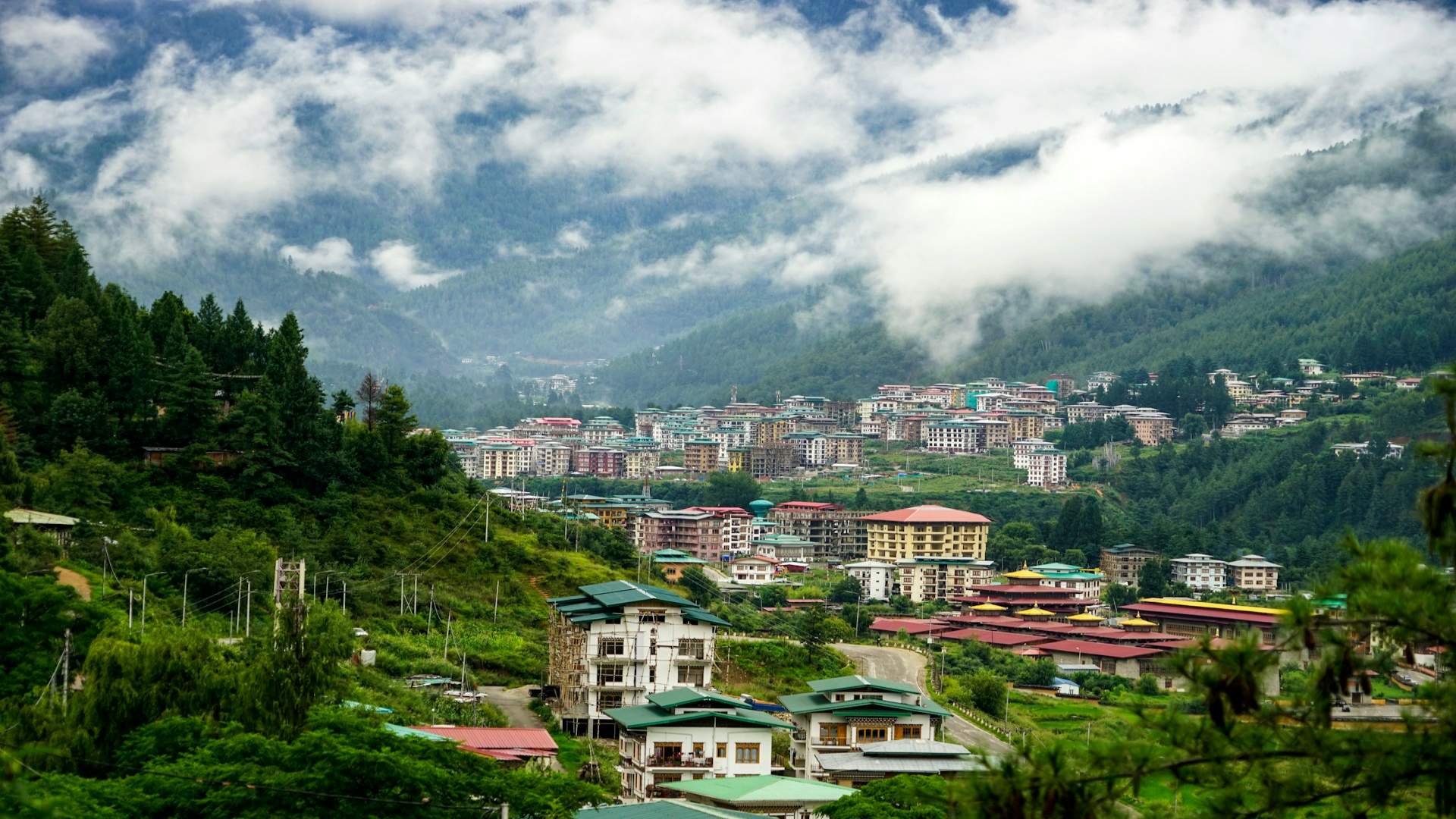
Nestled in the verdant embrace of the Wang Chhu Valley at 2,320 meters, Thimphu is not just Bhutan’s political and spiritual heart—it is a living testament to the Kingdom’s philosophy of Gross National Happiness. With a population of just 120,000, this is the world’s only capital without a single traffic light. Instead, white-gloved police officers direct vehicles with graceful, almost theatrical precision at the city’s central junction—a symbol of Bhutan’s harmonious blend of tradition and modernity.

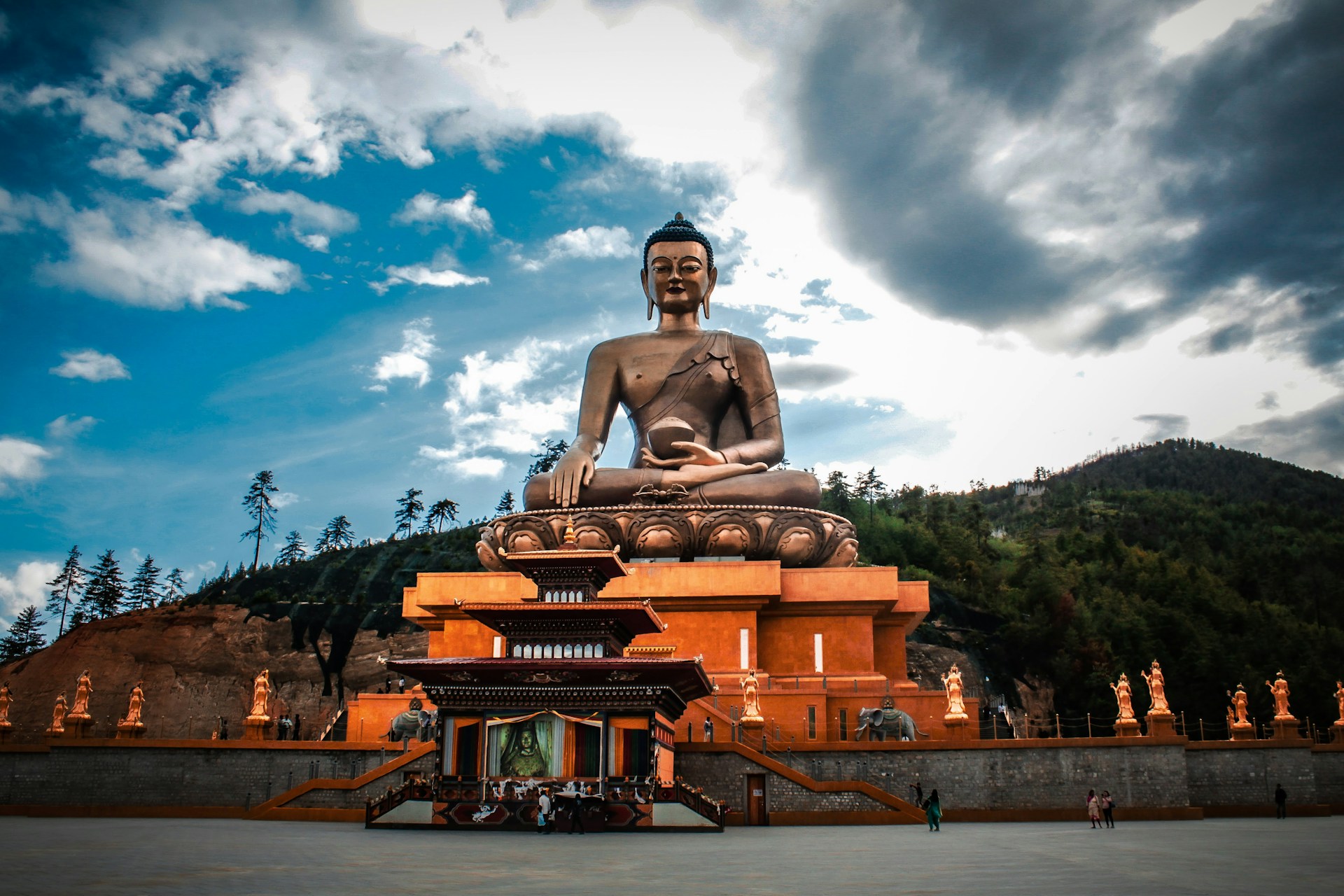
Towering above the valley, the 51.5-meter golden Buddha Dordenma gleams in the morning sun, its serene gaze blessing the land below. At dusk, the crimson-robed monks of Tashichho Dzong chant ancient mantras as prayer flags flutter in the Himalayan breeze. On weekends, the air fills with the twang of bamboo bows and jubilant songs at archery grounds, while the Centenary Farmers’ Market overflows with crimson rice, dried yak cheese, and the earthy scent of wild cordyceps. From handwoven kira and gho to the sacred scent of juniper incense, Thimphu invites you to slow down, breathe deeply, and rediscover joy in a carbon-negative Himalayan paradise.

Top Activities and Experiences in Thimphu

In Thimphu, every moment is infused with mindfulness—whether you're spinning prayer wheels at dawn, witnessing masked dancers at a tshechu, or tasting fiery ema datshi under a canopy of prayer flags. Here are the soul-stirring experiences that define Bhutan’s capital.

Visit Buddha Dordenma – The Golden Guardian

Perched majestically atop Kuenselphodrang, the Buddha Dordenma (completed 2010) stands 51.5 meters tall, forged in bronze and gilded in pure gold. Inside, 125,000 miniature Buddhas meditate in silent harmony. As the morning mist lifts, the statue’s serene face reflects the first rays of sunlight, casting a golden glow over the valley. Spin the giant prayer wheels, offer butter lamps, and soak in 360° Himalayan panoramas—on clear days, you may glimpse snow-capped peaks of the distant Bhutanese frontier.

Explore Tashichho Dzong – Fortress of Glorious Religion

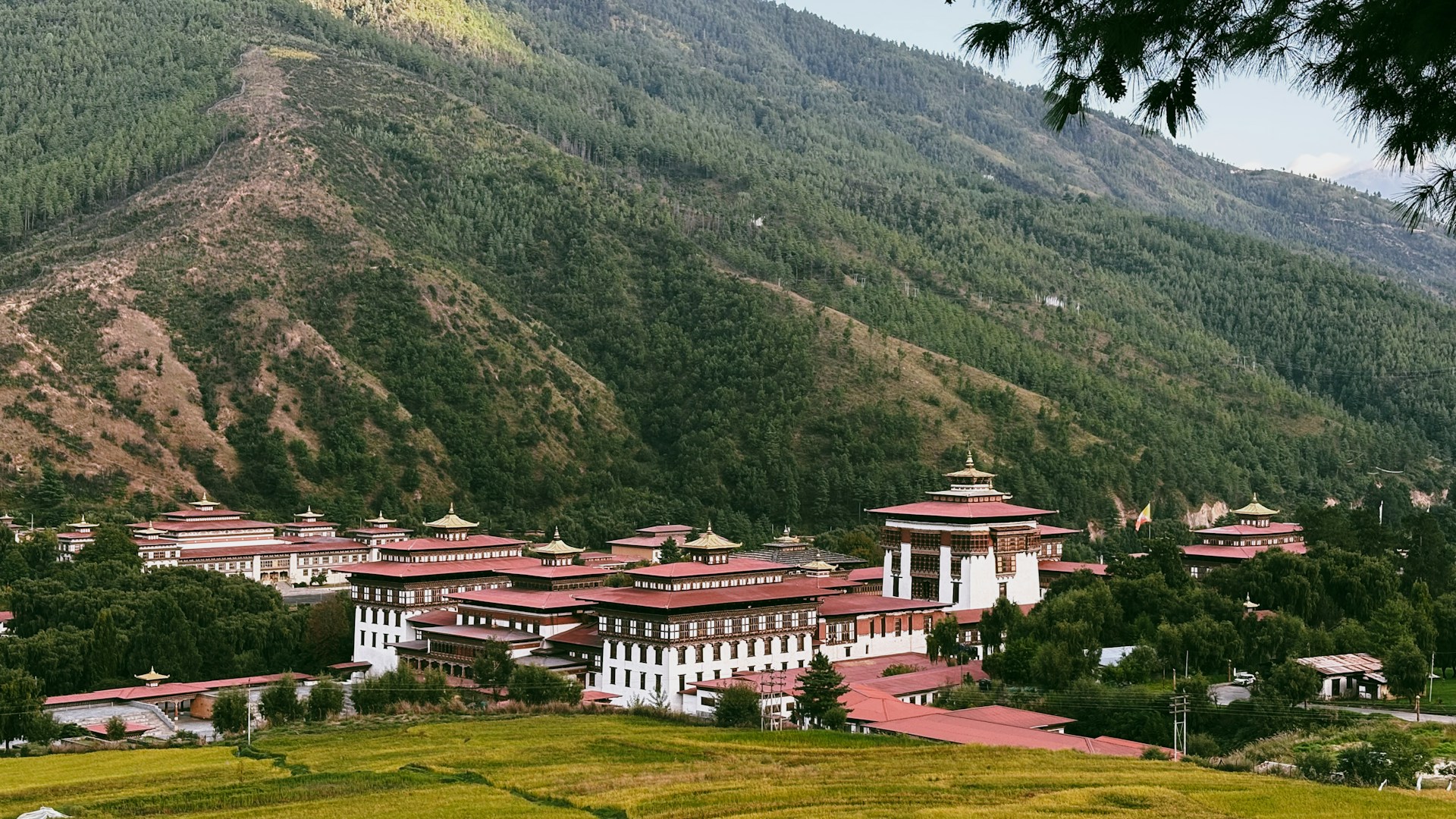
Built in 1641 and renovated in the 1960s, Tashichho Dzong is a breathtaking riverside fortress that houses both the Bhutanese government and the Central Monastic Body. Its whitewashed walls, golden spires, and vermilion windows glow at sunset. Visitors are welcome in the afternoons (after 5 PM)—watch monks in crimson robes file into evening prayers, witness the daily flag-lowering ceremony, and step into the throne room where the Dragon King holds audience. Photography is prohibited inside, but the spiritual energy is palpable.

Spin Prayer Wheels at National Memorial Chorten

Erected in 1974 to honor the Third King, Jigme Dorji Wangchuck, this gleaming white stupa is Thimphu’s spiritual heartbeat. From dawn till dusk, elderly devotees in kira and gho circumambulate clockwise, spinning brass prayer wheels inscribed with Om Mani Padme Hum. The air hums with murmured mantras and the scent of burning juniper. Inside, vivid murals depict tantric deities; outside, butter lamps flicker in glass cases. Join the kora at sunrise for a deeply meditative experience.

Watch Archery – Bhutan’s National Sport

At Changlimithang Stadium, Bhutan’s national sport comes alive with drama and joy. Teams dressed in colorful gho take aim at targets 80 meters away—farther than an Olympic archery range. Between shots, teammates burst into traditional songs and playful dances to distract opponents. The twang of bamboo bows, the thud of arrows, and the roar of celebration create an electric atmosphere. Weekends are best; visitors can even try shooting under expert guidance.

Shop at Centenary Farmers’ Market

Every Friday to Sunday, the riverside Centenary Farmers’ Market transforms into a vibrant tapestry of Bhutanese life. Farmers from Paro, Punakha, and Wangdue arrive with baskets of crimson red rice, strings of dried yak cheese, wild honey, and rare cordyceps (“Himalayan Viagra”). Women in handwoven kira haggle over incense and prayer beads. Upstairs, the handicraft section offers yathra textiles and bamboo baskets. Arrive early for the freshest datsi and to witness authentic Bhutanese commerce in action.

Visit Motithang Takin Preserve

Hidden in a pine-scented forest just 10 minutes from downtown, this sanctuary protects Bhutan’s national animal—the takin—a bizarre goat-antelope hybrid from Buddhist mythology. Legend says the Divine Madman created it by attaching a goat’s head to a cow’s body. Watch these shaggy beasts graze peacefully, feed them carrots (with permission), and learn about conservation efforts. The short trail offers lovely valley views and a quirky introduction to Bhutanese folklore.

Hike to Cheri Monastery

A gentle 1-hour uphill trail from the valley floor leads to Cheri Monastery (1620), where Bhutan’s unifier, Shabdrung Ngawang Namgyal, meditated in seclusion. Cross a wooden bridge draped in prayer flags, pass mani stones carved with sacred syllables, and ascend through rhododendron forests. Monks in residence chant in the main chapel; the meditation cave offers silence and stunning views over Thimphu. Best in spring when wildflowers bloom.

Attend Thimphu Tshechu Festival

Every October, Tashichho Dzong hosts the annual Thimphu Tshechu—three days of masked dances, blessings, and sacred revelry. Monks in brocade robes perform the Black Hat Dance and Drum Dance, while atsara (clown monks) tease the crowd. Devotees in their finest kira and gho receive blessings from sacred relics. The energy is electric, the colors mesmerizing—an unmissable immersion in Bhutanese spirituality.

Learn at Folk Heritage Museum

Step back in time at this beautifully restored 19th-century farmhouse in the Kawajangtsa neighborhood. Experience rural Bhutanese life: churn butter in wooden vessels, grind barley with a water mill, and relax in a traditional hot-stone bath. Costumed guides demonstrate weaving, cooking, and farming techniques. The on-site restaurant serves authentic meals on wooden floors—try hoentay (buckwheat dumplings) and suja (butter tea).

Savor Ema Datshi & Red Rice

Bhutan’s national dish, ema datshi—fiery green chilies swimming in molten cheese—is a culinary rite of passage. Pair it with nutty red rice, phaksha paa (pork with radish), and kewa datshi (potato in cheese) at local gems like Zombala or Babesa Village Restaurant. For milder palates, try momos (dumplings) or shakam datshi (dried beef). Wash it down with ara (local spirit) or sweet suja.

Ready to Embrace Happiness?

Let Thimphu teach you the art of joyful living. Discover Bhutan’s sacred valleys and craft your own journey to the Land of the Thunder Dragon.

Frequently Asked Questions (FAQs) About Thimphu

What are the top things to do in Thimphu?

Marvel at the golden Buddha Dordenma at sunrise, witness the flag ceremony at Tashichho Dzong, join the prayer wheel kora at Memorial Chorten, cheer at an archery match, and shop for red rice and cordyceps at the weekend market.

What are the must-visit places in Thimphu?

The unmissable icons are Buddha Dordenma, Tashichho Dzong, National Memorial Chorten, Motithang Takin Preserve, and the Folk Heritage Museum.

When is the best time to visit Thimphu?

Spring (March–May) brings blooming rhododendrons and mild weather; autumn (September–November) offers crystal-clear skies and the vibrant Thimphu Tshechu. Avoid the monsoon (June–August) due to landslides.

What are the best things to see in Thimphu?

Golden Buddhas, crimson-robed monks, fluttering prayer flags, traditional archery, handwoven textiles, and the snow-capped Himalayas on the horizon define Thimphu’s visual poetry.

Which are the best places to visit near Thimphu for a short trip?

Drive 45 minutes to Dochula Pass (108 chortens, Himalayan views), 2.5 hours to Punakha Dzong, or fly to Paro for the iconic Tiger’s Nest.

Do you have a comprehensive Thimphu tour guide?

Yes! This guide covers permits, etiquette, festivals, hiking trails, dining, and cultural immersion tips for a deeply rewarding journey.

What are the top tourist attractions in Thimphu?

Highlights include Buddha Dordenma, Tashichho Dzong, Memorial Chorten, archery grounds, and the Centenary Farmers’ Market.

What are the best places to visit in Thimphu with family?

Families love the Takin Preserve, Folk Heritage Museum (interactive), weekend market, and gentle hikes like Cheri Monastery.

Where can I find a Thimphu tour guide?

All Bhutan tours require a licensed guide—book through Druk Asia, Bhutan Travel, or your certified operator. Guides are knowledgeable, fluent in English, and deeply passionate.

What are the top festivals in Thimphu?

The Thimphu Tshechu (October), Losar (Bhutanese New Year, February), and Royal Highland Festival feature sacred dances, blessings, and cultural splendor.

Where to stay in Thimphu?

Luxury: Le Méridien or Taj Tashi; Mid-range: Hotel Druk or Terma Linca; Budget: Wangchuk Hotel or authentic homestays.

Is Thimphu safe?

Bhutan has one of the world’s lowest crime rates. Thimphu is exceptionally safe—respect dzong dress codes (no shorts, hats) and remove shoes in temples.

What are some essential Thimphu travel tips?

Pay the $100–250 Sustainable Development Fee (SDF) daily (includes guide, driver, meals, lodging), book through a licensed operator, dress modestly, remove hats/shoes in lhakhangs, and carry ngultrum cash.

What are the best places to eat in Thimphu?

Savor authentic flavors at Zombala (ema datshi), Babesa Village Restaurant (farm-to-table), or Ambient Café (modern Bhutanese fusion).

Is Thimphu safe for women travelers?

Extremely safe. Dress respectfully (cover knees/shoulders in sacred sites), travel with your guide, and avoid isolated trails after dark.

What are some must-try experiences in Thimphu?

Witness an archery match, receive a blessing at Tshechu, spin prayer wheels at dawn, spot takin, and relax in a traditional hot-stone bath.

How can I book a Thimphu tour?

All visits must be arranged via licensed Bhutanese tour operators. The SDF covers guide, driver, 3-star accommodation, meals, and internal transport.

What are some offbeat things to do?

Visit Jungshi Handmade Paper Factory, hike to Tango Monastery, join a Bhutanese cooking class, or stargaze from Buddha Point.

What should I pack?

Pack modest clothing (long pants/skirts), warm layers (nights drop to 5°C), sturdy hiking shoes, sunscreen, a reusable water bottle, and Bhutanese ngultrum (ATMs limited).

Is there a cherry blossom festival?

Spring paints the hills with wild cherry, peach, and apple blossoms. No official festival, but the valleys around Thimphu are breathtaking in April.

More +

Places to Visit

Tashichho Dzong
Tashichho Dzong

This majestic 17th-century fortress-monastery stands proudly on the banks of the Wang Chhu, its white walls and golden roofs gleaming in the afternoon sun. Home to the throne room and over 2,000 monks in summer, it’s open to visitors after 5 PM. Witness the daily flag-lowering ceremony, explore courtyards echoing with chants, and admire intricate wood carvings—photography prohibited inside, but the atmosphere is unforgettable.
Buddha Dordenma
Buddha Dordenma

Crowning Kuenselphodrang hillside, this colossal 51.5-meter golden Buddha (2010) is one of the largest in the world. Forged in bronze and gilded in gold, it houses 125,000 miniature Buddhas within. At sunrise, the statue glows against snow-capped peaks; at night, it’s illuminated like a beacon of peace. Spin the giant prayer wheels, offer butter lamps, and absorb panoramic views of Thimphu Valley—a spiritual and photographic highlight.
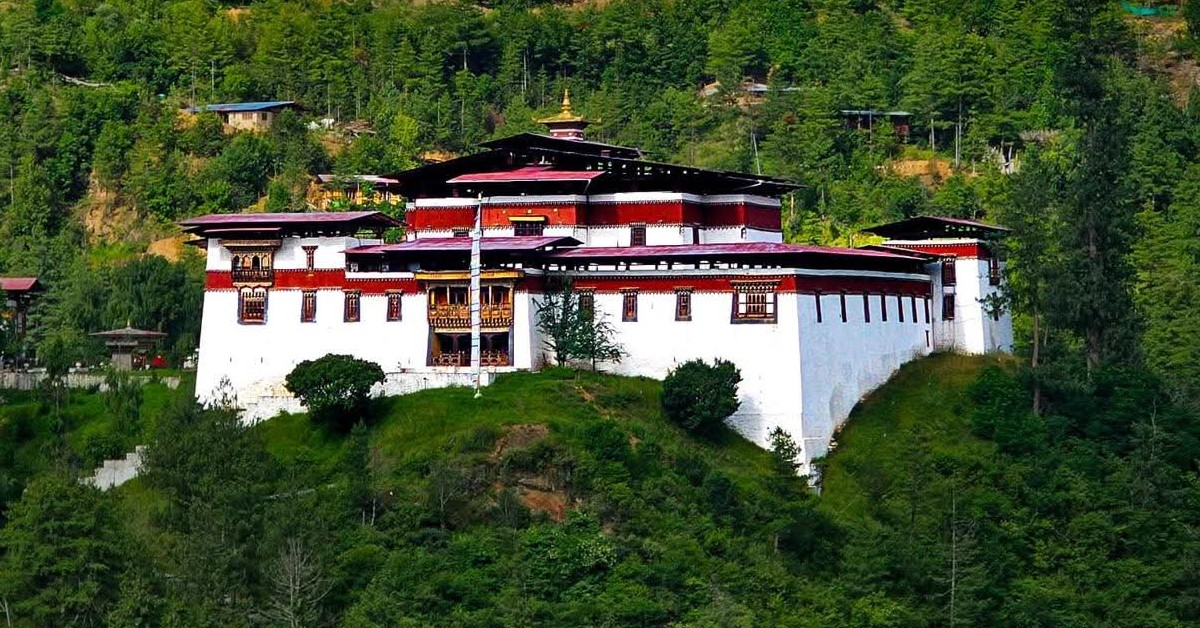
Simtokha Dzong
Simtokha Dzong

Just 5km south of Thimphu, Bhutan’s oldest dzong (1629) stands as a masterpiece of ancient architecture. Now a school for Dzongkha language, its courtyards echo with young monks’ laughter. Admire 17th-century murals of Buddhist deities, explore the serene chapel, and enjoy peaceful valley views—a hidden gem of historical and spiritual significance.

Folk Heritage Museum

Step into a beautifully restored 19th-century farmhouse to experience rural Bhutanese life. Watch butter being churned, barley ground by water mill, and a traditional hot-stone bath prepared. Costumed guides demonstrate weaving and cooking; the on-site restaurant serves authentic meals on wooden floors—try hoentay and suja in a tranquil, educational setting.
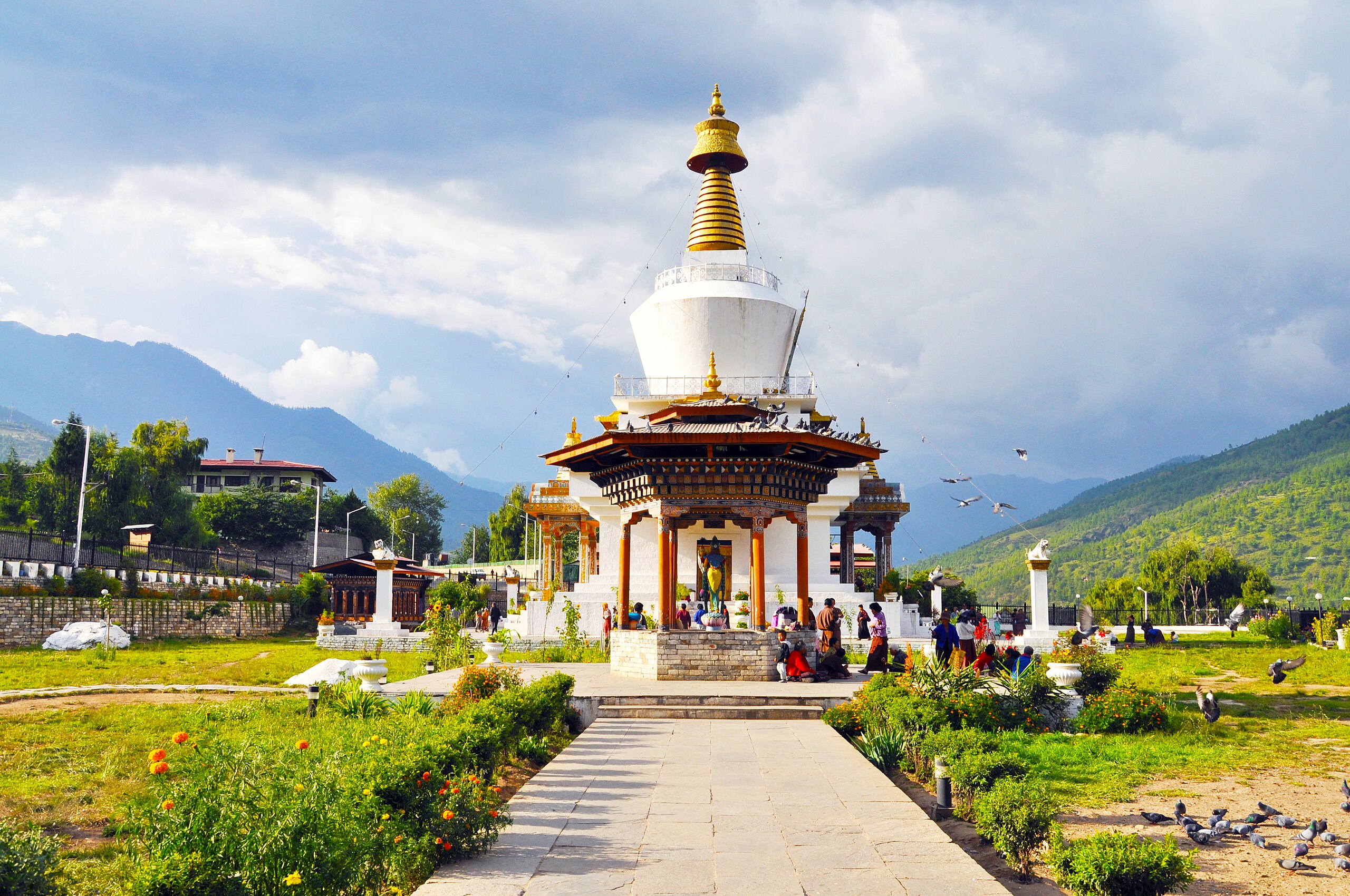
National Memorial Chorten

Built in 1974 to honor Bhutan’s beloved Third King, this radiant white stupa is Thimphu’s spiritual epicenter. From dawn, devotees circumambulate clockwise, spinning prayer wheels and murmuring mantras. Inside, vivid tantric murals depict wrathful deities; outside, butter lamps flicker in devotion. Join the kora at sunrise for a deeply meditative experience amid the scent of juniper and the hum of sacred syllables.

Centenary Farmers’ Market

Every Friday to Sunday, this riverside market bursts into life with farmers from across Bhutan. Stalls overflow with crimson red rice, strings of dried yak cheese, wild honey, incense, and rare cordyceps. Women in handwoven kira haggle with warmth and humor. Upstairs, artisans sell yathra textiles and bamboo crafts. Arrive early for the freshest produce and authentic local energy.

Suggested itineraries featuring Thimphu
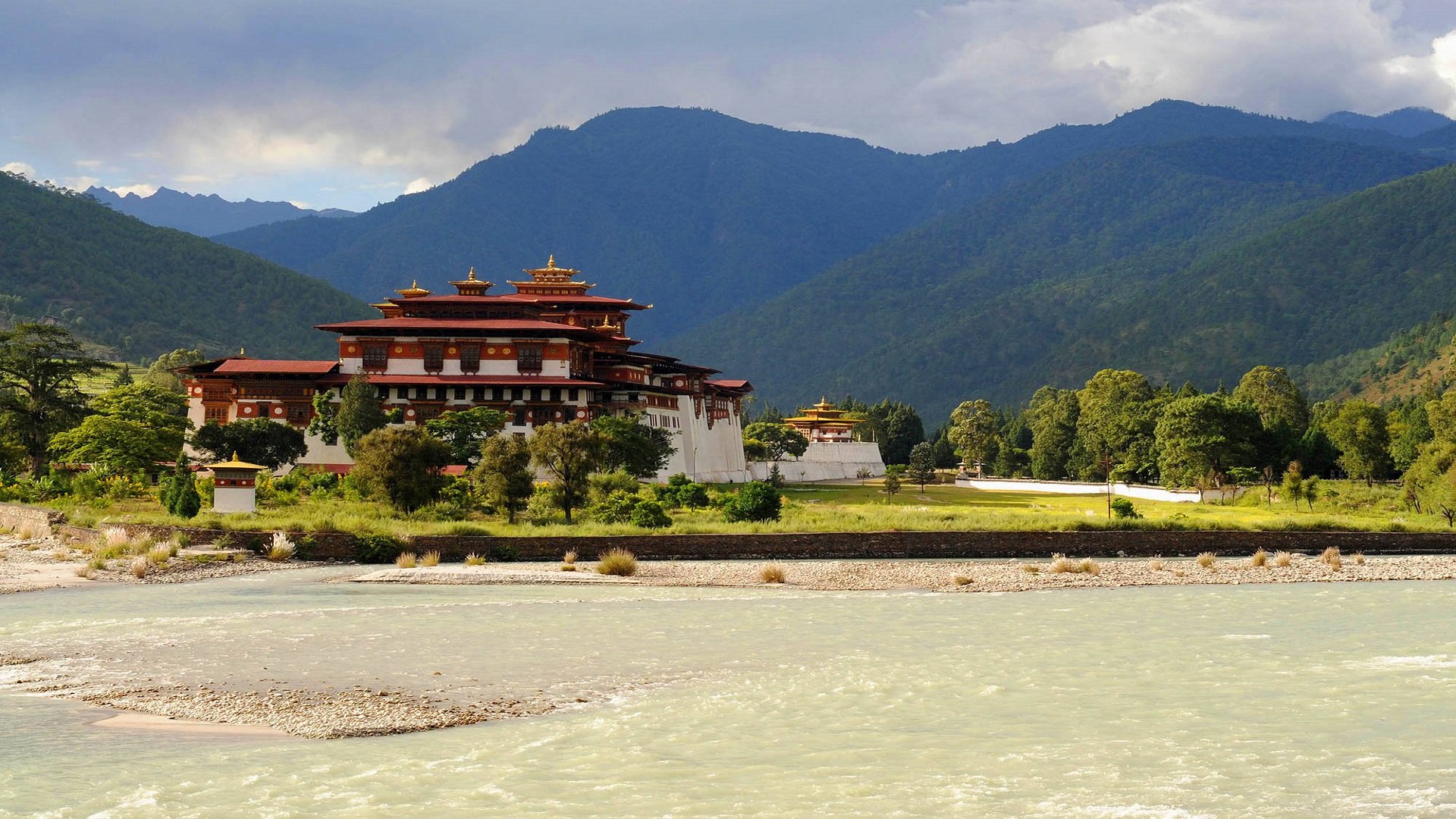
Spiritual Bhutan

Spiritual Bhutan

7 Days | From $3499

Bhutan
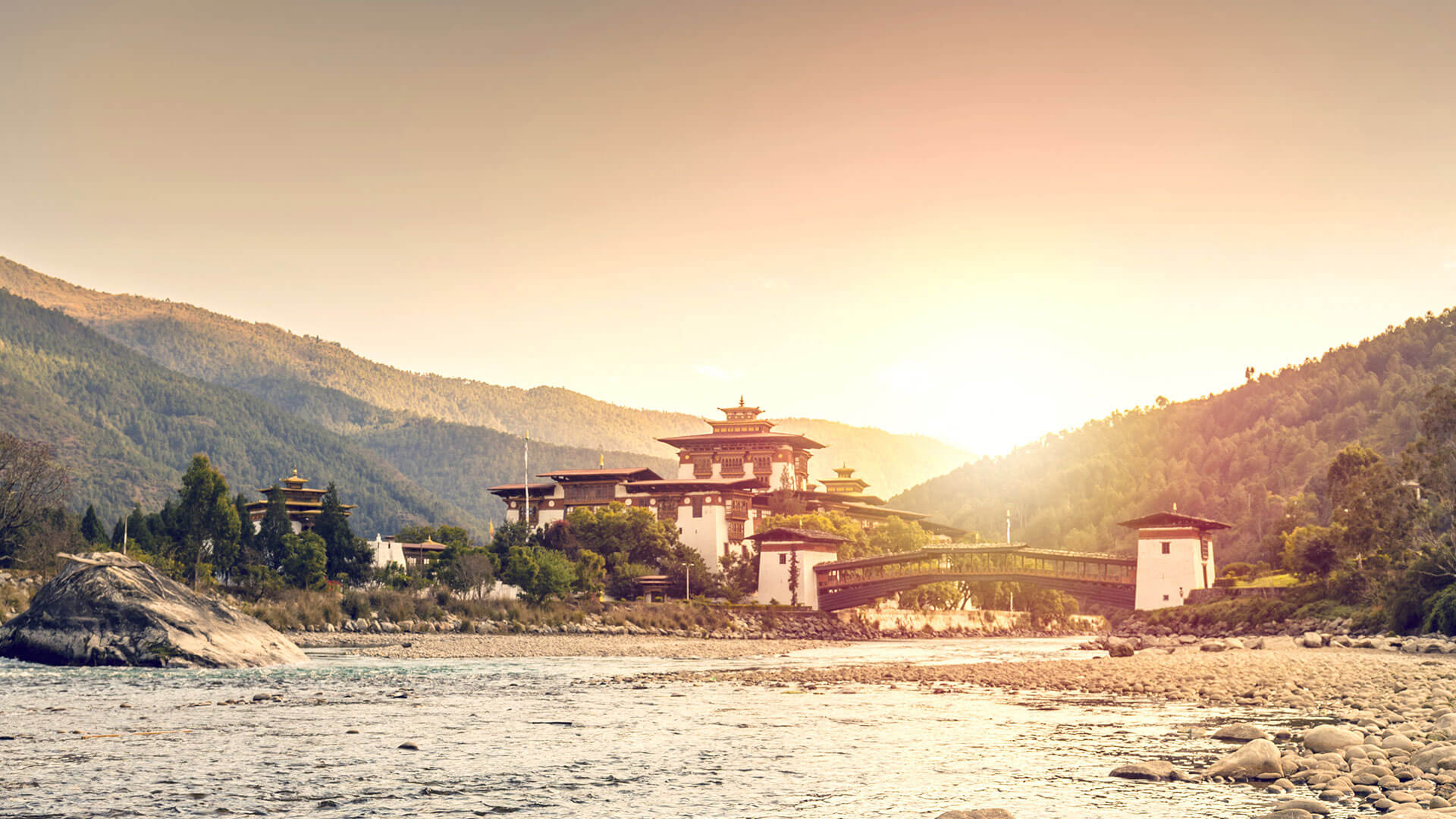
Thimphu | Paro | Punakha
Spectacular Bhutan

Spectacular Bhutan

10 Days | From $5249

Bhutan
Thimphu | Paro | Punakha | Gangtey

Accommodation choices for Thimphu

accommodation
accommodation
accommodation
accommodation
Terma Linca Resort
Our Rating:
Local Rating:

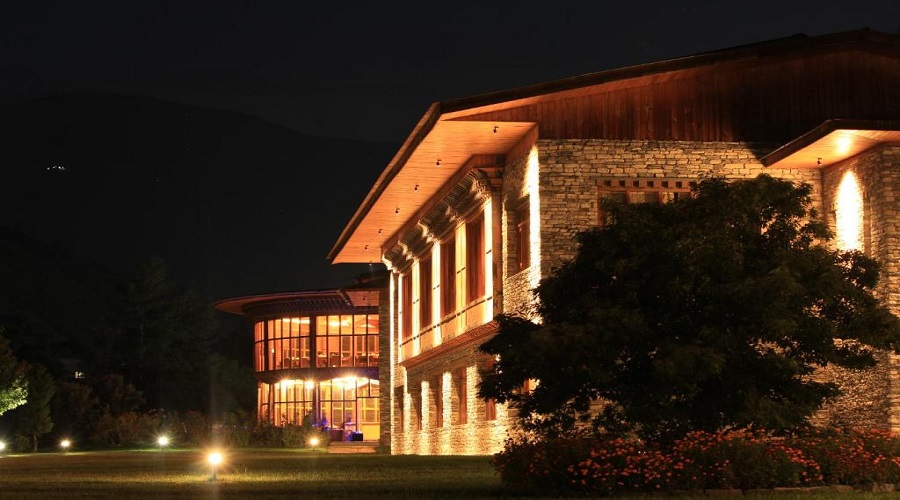
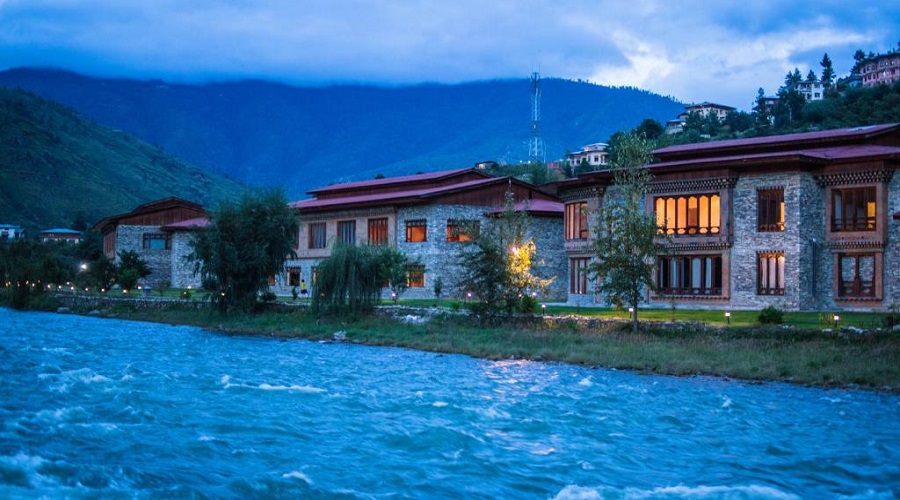
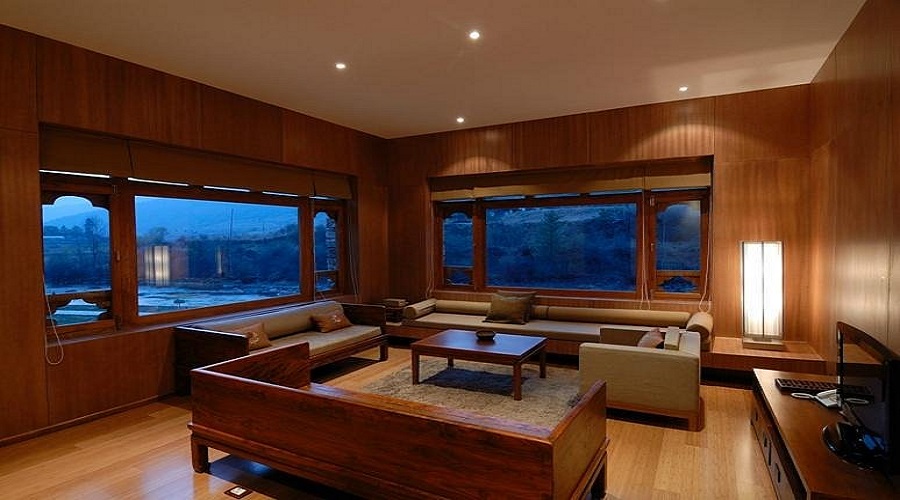
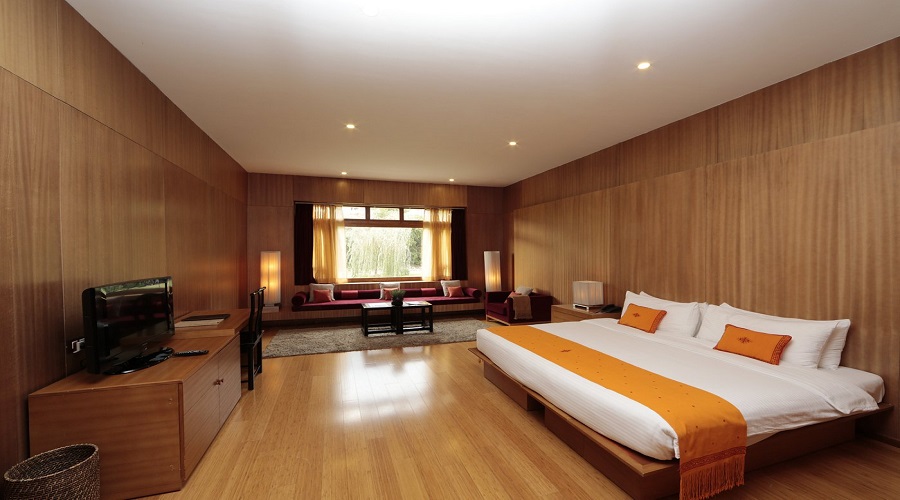
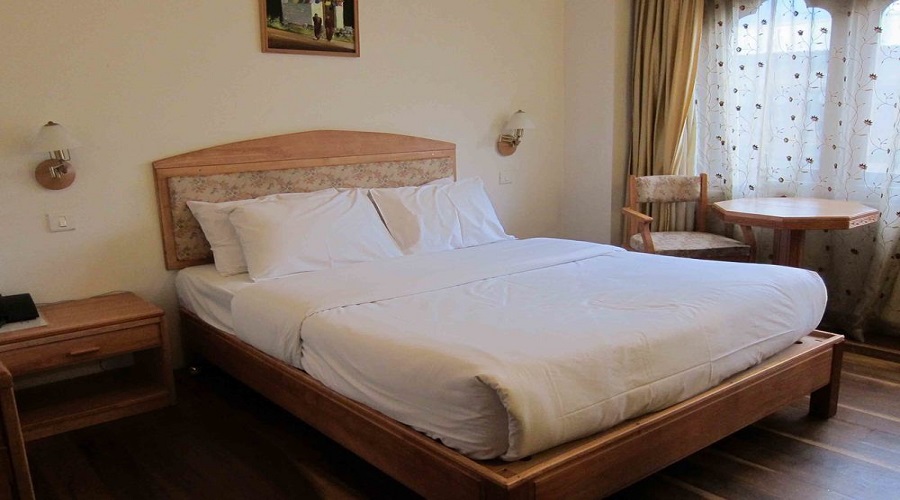
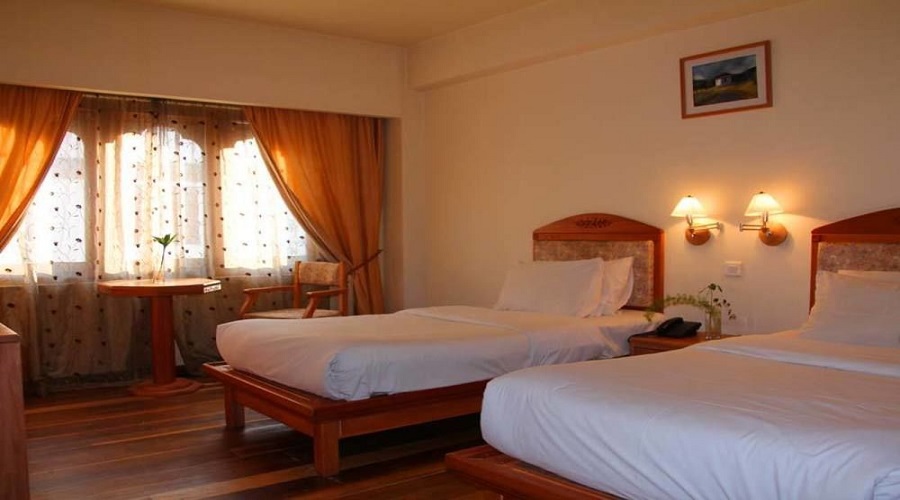
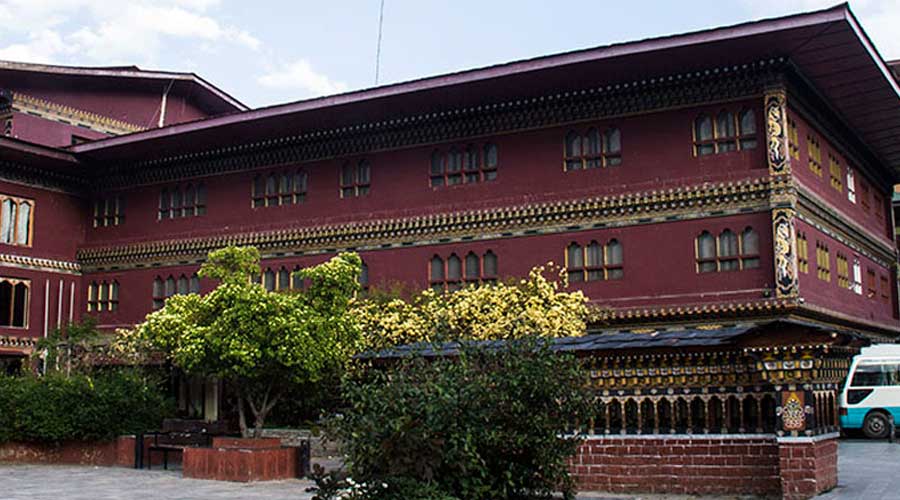
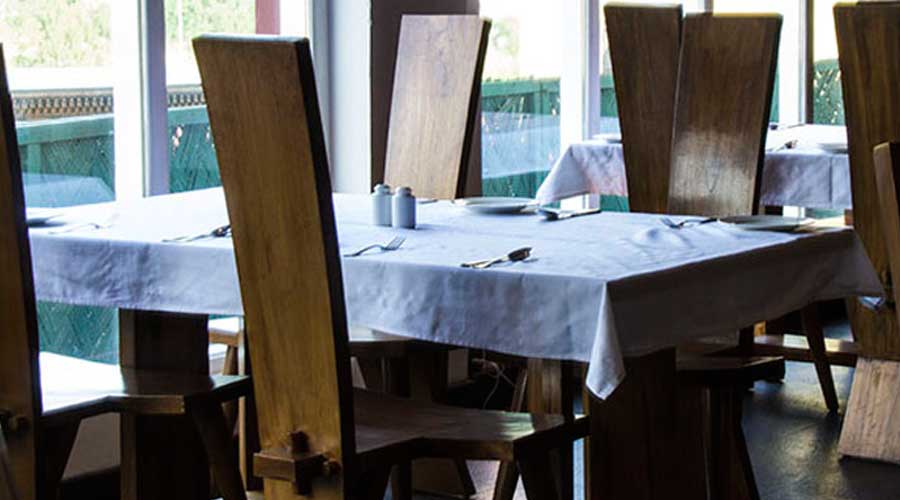
Perched on the banks of the Thimpu River, Terma Linca Resort is located right at the entrance of Thimpu, the capital city of Bhutan. Accommodation consists of a variety of guest rooms and suites, each equipped with an en-suite bathroom and a flat-screen TV. Guests can enjoy delicious meals at any of the on-site restaurants. Other amenities and services offered are a spa, indoor games, cooking classes and direct access to the river.
accommodation
accommodation
accommodation
Hotel Druk Thimphu
Our Rating:
Local Rating:
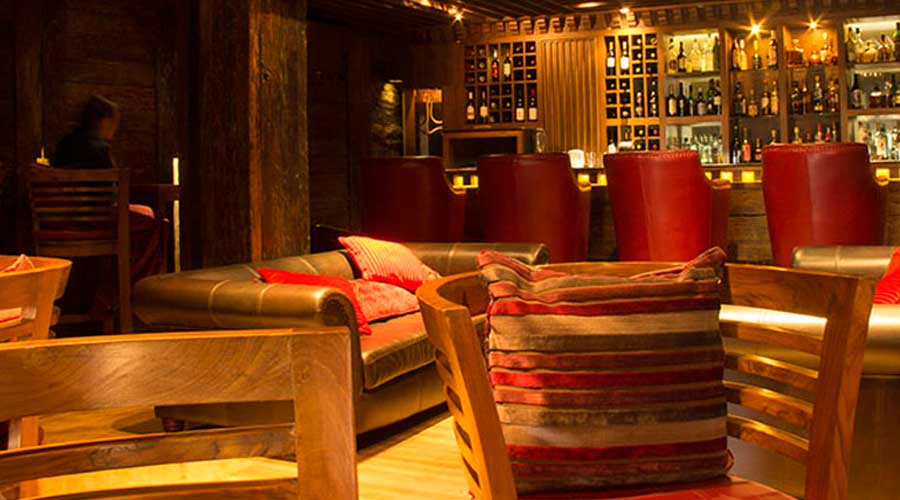
Hotel Druk, nestled in the heart of Thimphu, is in the center of the city's vibrant business, leisure and government landmarks. This distinctive four-star deluxe hotel is a relaxed and elegant haven. Respectful, genuine and attentive service is provided by a team fully dedicated to the comfort and happiness of our guests.
accommodation
accommodation
accommodation
accommodation
Hotel Phuntsho Pelri
Our Rating:
Local Rating:

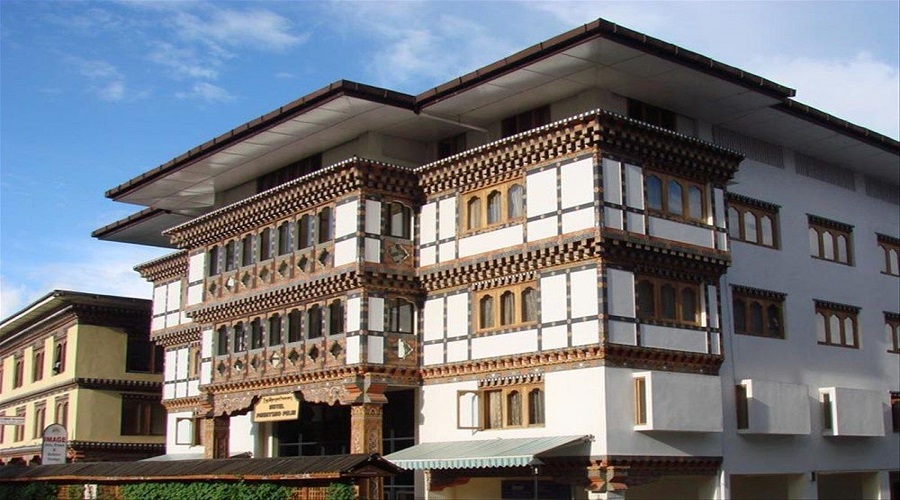
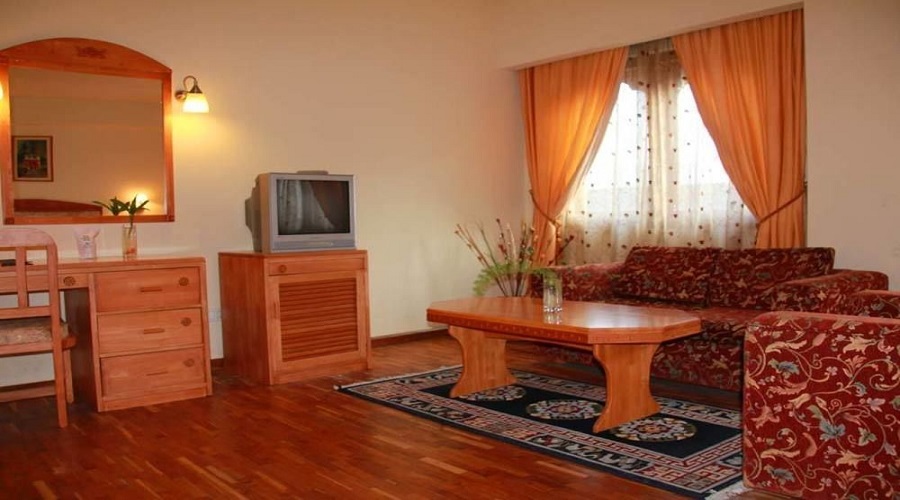
Hotel Phuntsho Pelri, translated as the place of great contentment, is located in the heart of the capital city of Bhutan, Thimphu. The hotel offers its guests an exceptional experience from the classic Bhutanese architecture to the traditionally hand crafted furniture. The rooms welcome you with the unique Bhutanese touch and warmth. The hotel has 47 rooms and offers complimetary WiFi access and cable programming for entertainment. Bathroom with showers are provided. 

loader
Are you a Travel Agent?
Register Here