Tracking pixel from Facebook Punakha Custom Tour Packages | Acqua Travels
header loader

Things to see and do in Punakha

Punakha – Bhutan’s Ancient Winter Capital

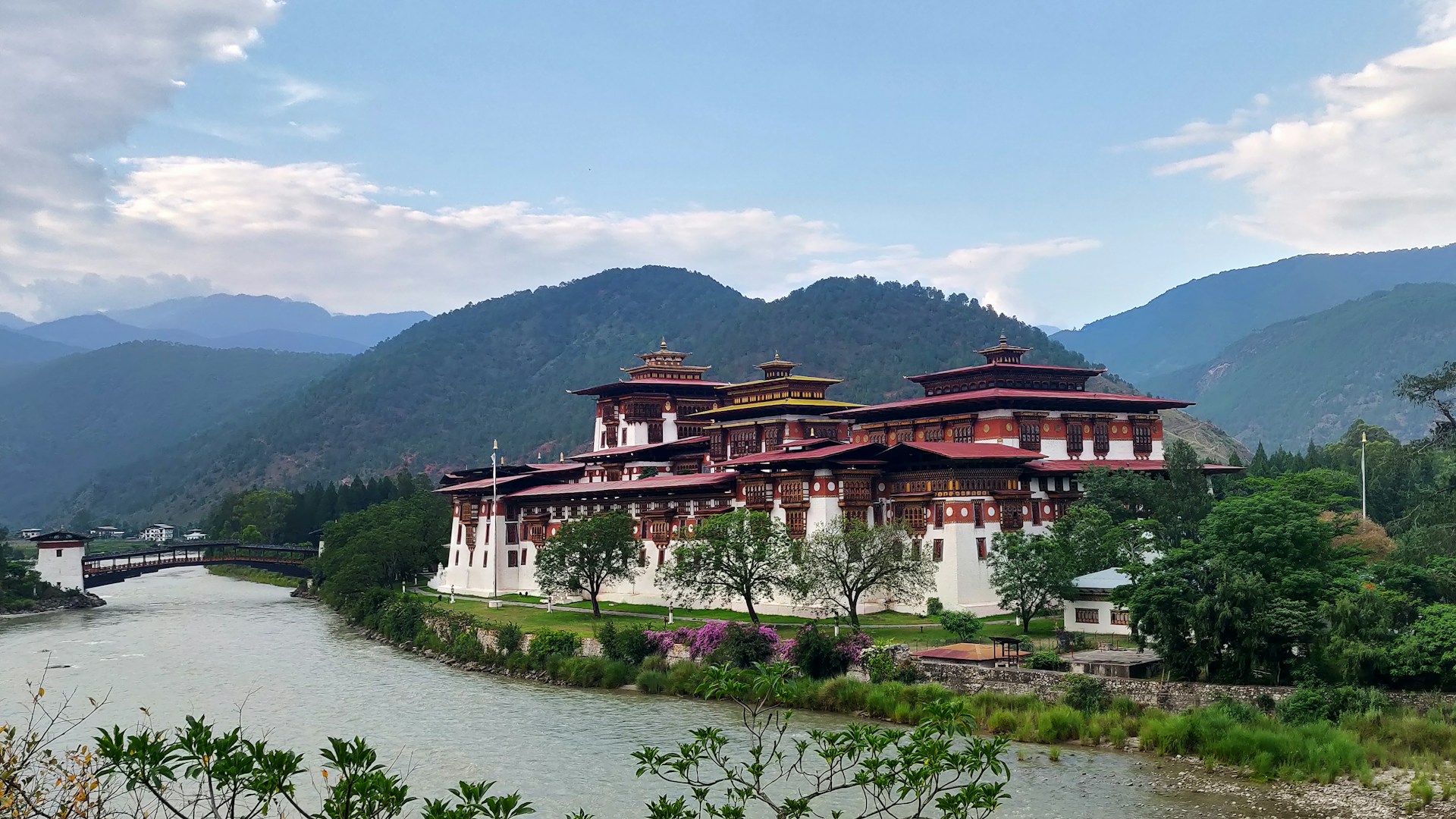
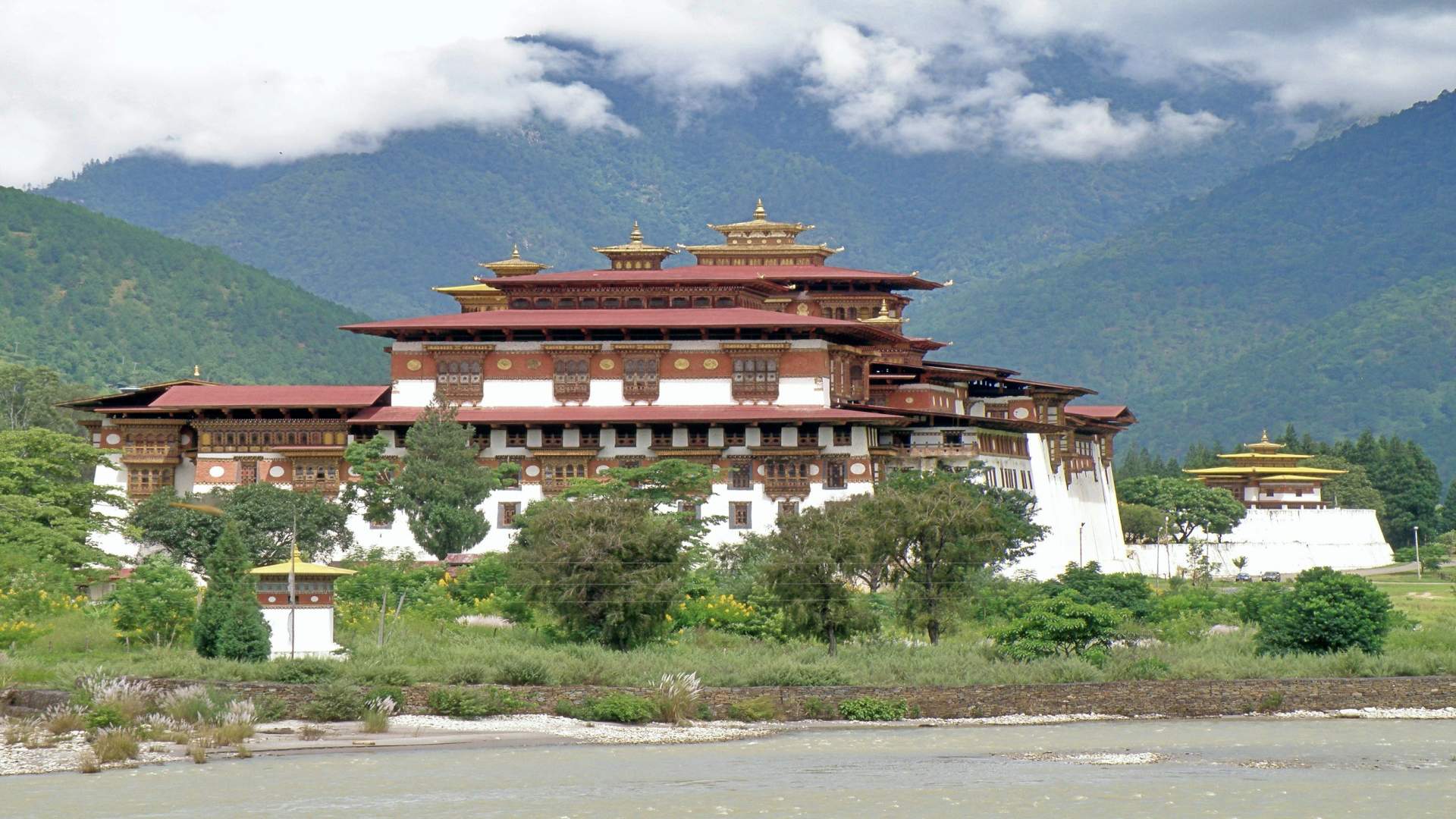
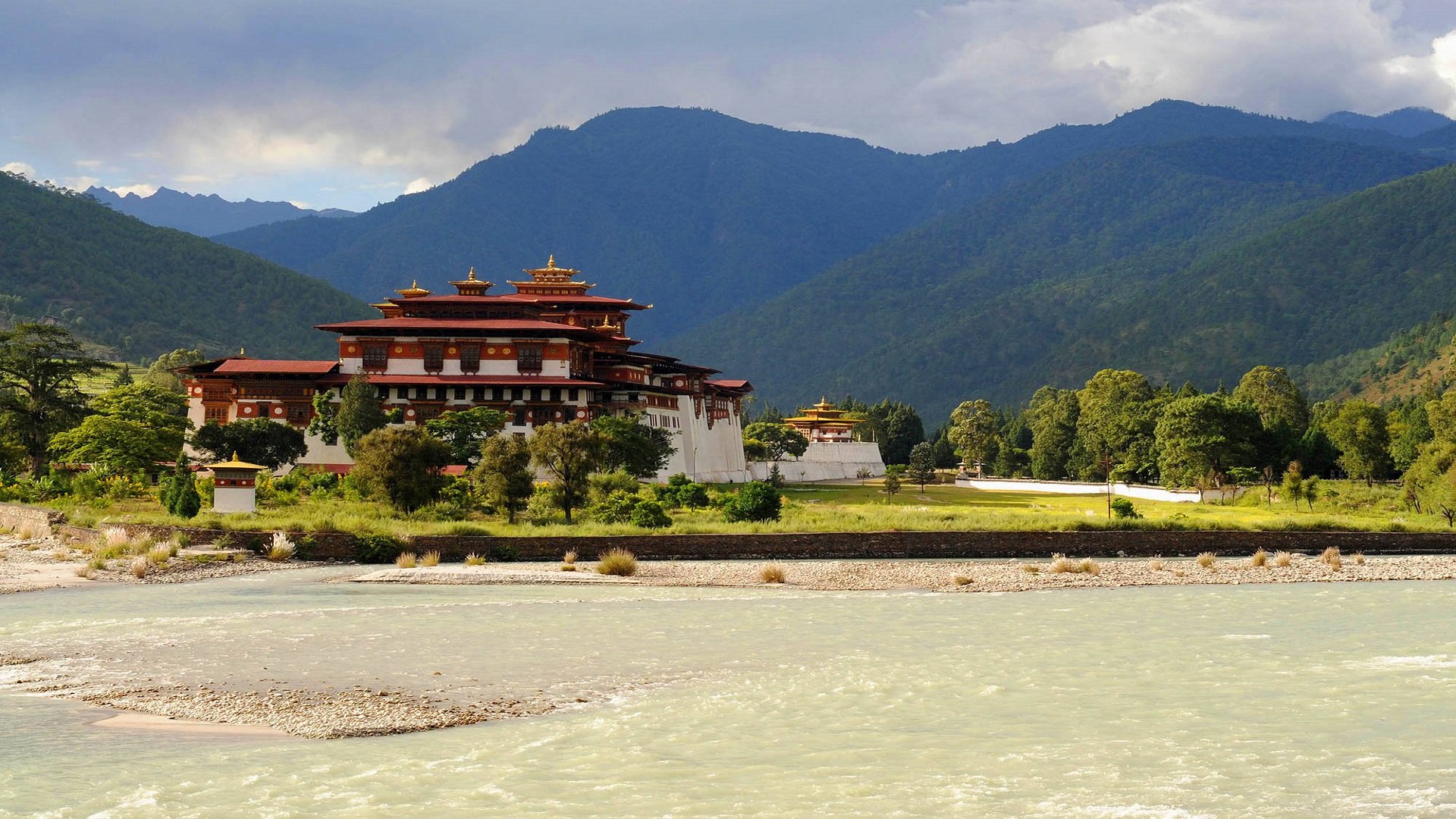
Nestled at the confluence of the turquoise Pho Chhu and Mo Chhu rivers at a gentle 1,200 meters, Punakha is Bhutan’s ancient capital and winter seat of the Je Khenpo. Once the political heart of the Dragon Kingdom, this lush valley blooms with jacaranda, poinsettia, and golden rice paddies. Towering above the rivers, the majestic Punakha Dzong—the “Palace of Great Happiness”—rises like a golden ship, its white walls and vermilion windows glowing at sunset. Prayer flags flutter over suspension bridges, the scent of orange groves fills the air, and crimson-robed monks chant beneath 400-year-old cypress. From fertility blessings at Chimi Lhakhang to the rhythmic clatter of prayer wheels in hidden temples, Punakha is Bhutan’s warm embrace—a valley where history, spirituality, and nature weave a timeless tapestry.

Just 2.5 hours from Thimphu and Paro, Punakha offers a milder climate and a slower pace. Terraced fields shimmer under the Himalayan sun, children play in the shadow of ancient fortresses, and the gentle hum of Om Mani Padme Hum drifts from riverside lhakhangs. Whether hiking to a hilltop chorten at dawn, rafting the twin rivers, or sipping butter tea in a 17th-century farmhouse, Punakha invites you to linger in Bhutan’s most fertile and sacred valley.

Top Activities and Experiences in Punakha

In Punakha, the rivers sing, the dzongs glow, and the air is thick with blessings. Here are the soul-stirring experiences that define Bhutan’s ancient winter capital.

Explore Punakha Dzong – Palace of Great Happiness

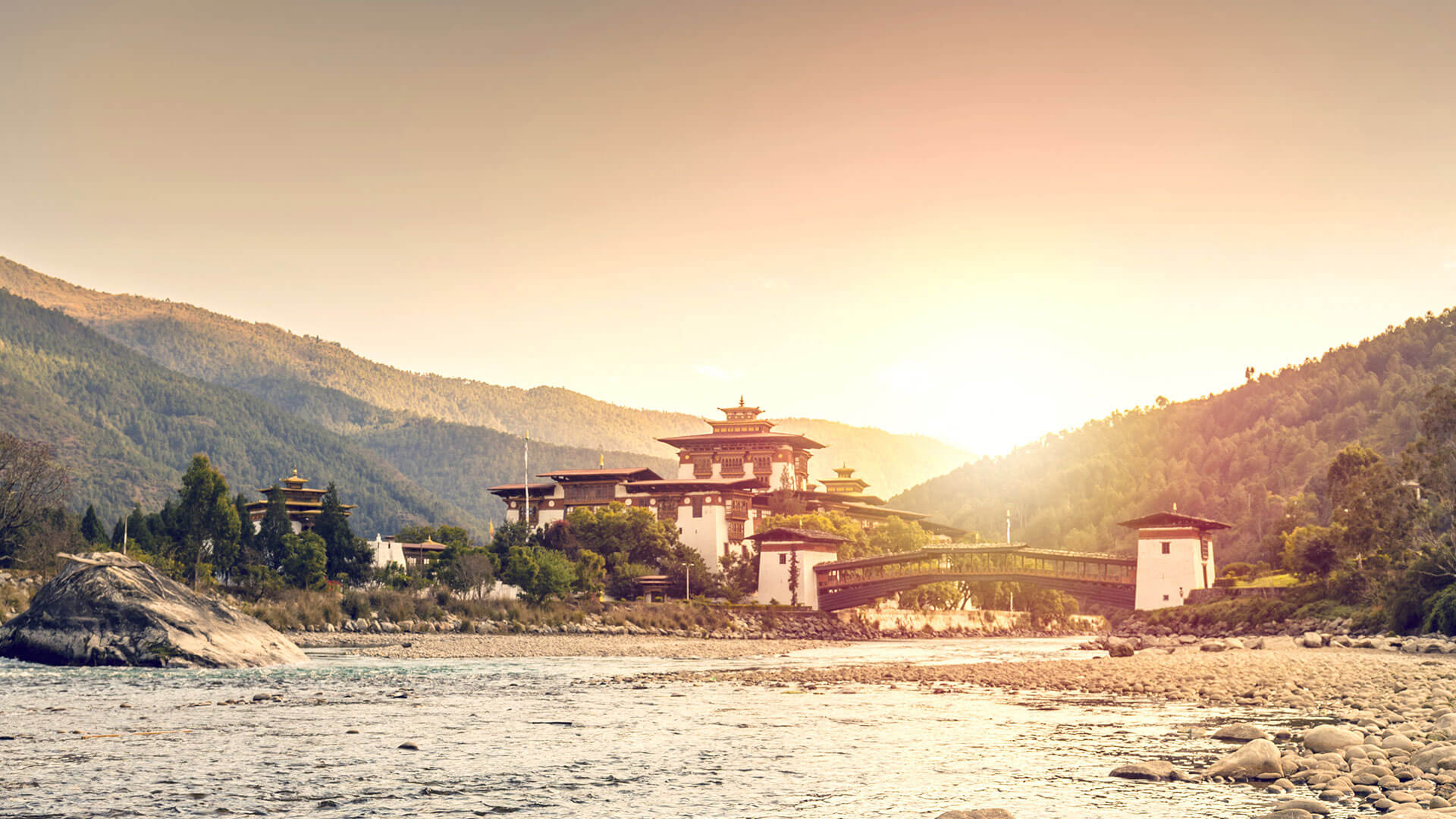
Built in 1637 at the confluence of the Pho Chhu and Mo Chhu, Punakha Dzong is Bhutan’s most magnificent fortress-monastery. Cross the wooden cantilever bridge draped in prayer flags, climb the steep stairs, and enter courtyards where monks chant beneath golden roofs. The central tower houses sacred relics; the bodhi tree in the courtyard is said to be a descendant of the Buddha’s own. Visit during the Punakha Tshechu (February/March) for masked dances and the unfurling of the giant thongdrol at dawn.

Receive a Fertility Blessing at Chimi Lhakhang

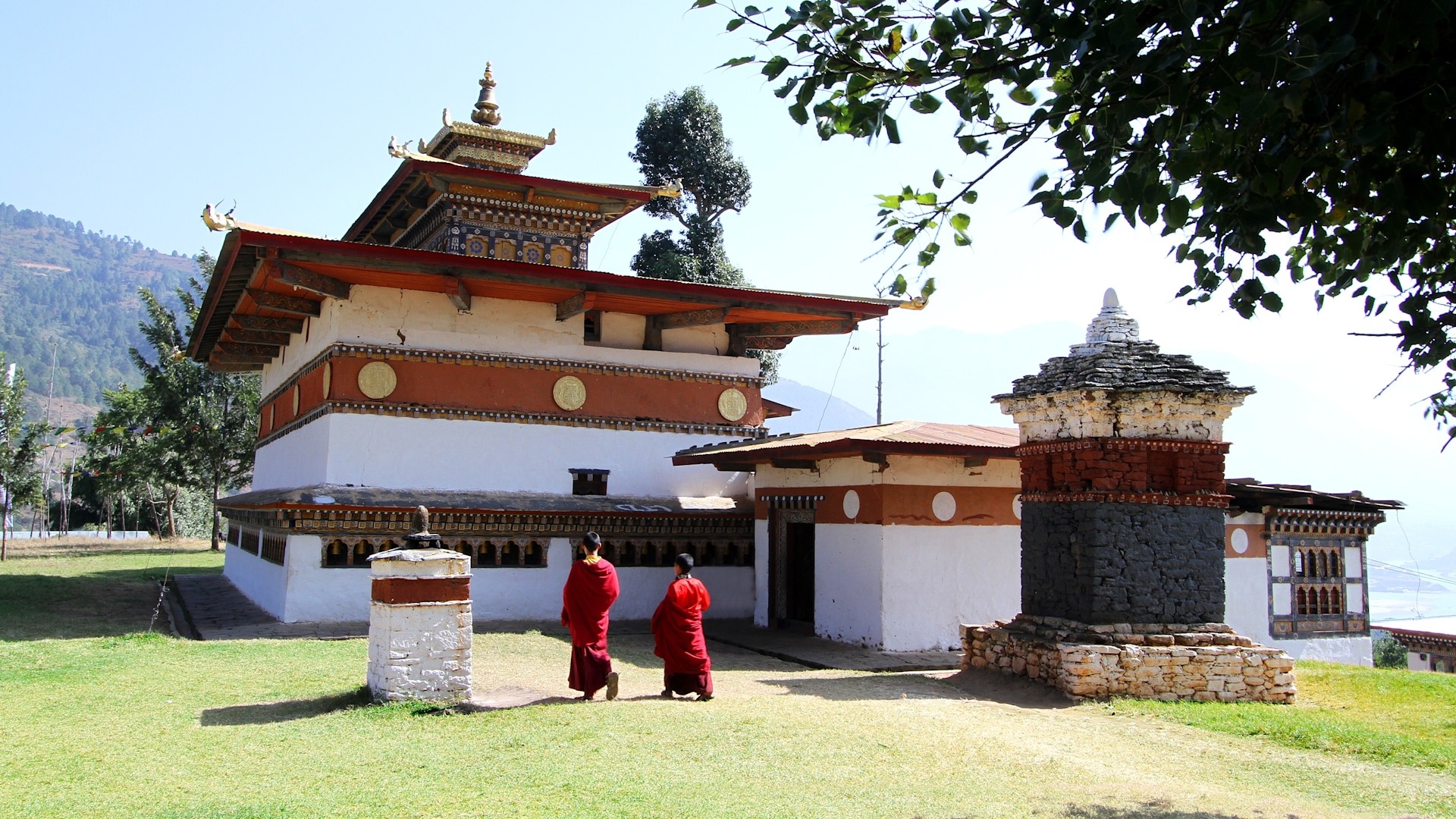
Dedicated to the Divine Madman, Drukpa Kunley, Chimi Lhakhang (1499) is Bhutan’s famous fertility temple. A 20-minute walk through rice fields leads to this hilltop lhakhang, where the monk blesses visitors with a wooden phallus and bow—said to ensure conception. Inside, murals depict the madman’s eccentric life; the air is filled with laughter and hope. Women seeking children leave offerings of rice and butter lamps—a joyful, quirky Bhutanese tradition.

Hike to Khamsum Yulley Namgyal Chorten

A gentle 1-hour hike across rice paddies and a suspension bridge leads to this stunning three-story chorten, built in 2004 by the Queen Mother to ward off negative forces. Each floor is adorned with intricate murals of tantric deities; the rooftop offers panoramic views of the Mo Chhu Valley and snow-capped peaks. The trail is lined with prayer flags and wildflowers—best at sunrise when mist rises from the river.

Raft the Pho Chhu & Mo Chhu Rivers

Glide down the turquoise Pho Chhu (male river) or Mo Chhu (female river) on a gentle rafting trip. Pass beneath Punakha Dzong, spot kingfishers and white-bellied herons, and feel the spray of Himalayan waters. Grade II–III rapids are safe for beginners; the 1–2 hour journey ends with a picnic on the riverbank. Best from October to April—monsoon swells the rivers dangerously.

Attend Punakha Tshechu & Domchen

Every February/March, Punakha Dzong hosts the Punakha Tshechu and Domchen—a dramatic reenactment of the 1639 Tibetan invasion. Monks perform the Black Hat Dance, atsara clowns entertain, and the giant thongdrol is unfurled at dawn. The Domchen features warriors in ancient armor storming the dzong—a thrilling blend of history and spirituality.

Visit Sangchhen Dorji Lhuendrup Nunnery

Perched on a ridge above the valley, this gleaming white nunnery (2008) houses over 100 ani (nuns) in crimson robes. The central chorten is 14 meters tall; the temple features a bronze statue of Avalokiteshvara with 1,000 arms. The nunnery’s handicraft center trains women in weaving and embroidery—buy ethical souvenirs and enjoy valley views from the peaceful courtyard.

Walk Across Punakha Suspension Bridge

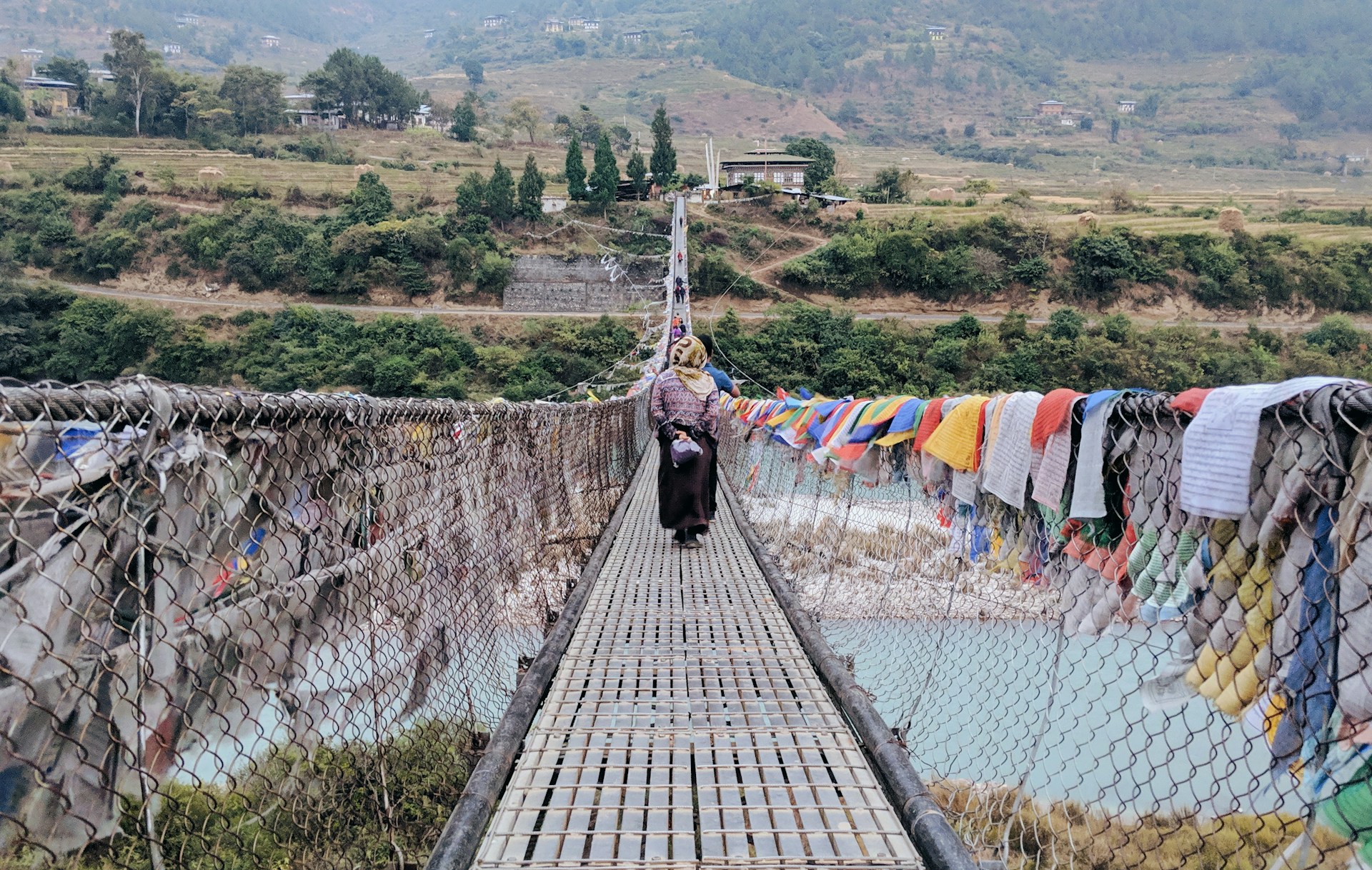
One of Bhutan’s longest suspension bridges (160m) sways gently over the Po Chhu, draped in thousands of colorful prayer flags. The bridge connects Punakha Dzong to the valley; the walk offers stunning views of the fortress and river. At night, the flags glow under moonlight—a magical, meditative experience.

Farmhouse Stay & Traditional Dinner

Spend a night in a 400-year-old Punakha farmhouse—wooden beams, woven bamboo walls, and a bukhari stove crackling with juniper. Dine on ema datshi, red rice, and river fish with a local family. End with a hot-stone bath infused with artemisia—river stones heated in fire release minerals into the wooden tub. Soak under the stars as the valley hums with crickets.

Hike to Limbukha Village

A 2-hour hike through rice fields and pine forests leads to Limbukha, a traditional village known for its red rice and peaceful vibe. Farmers in gho and kira work the fields; prayer flags mark the chorten at the village entrance. Visit a local home for butter tea and learn about Bhutanese farming—a serene escape from the dzong’s grandeur.

Photograph Jacaranda in Bloom

Every March, Punakha’s valleys explode in purple as jacaranda trees bloom along the rivers and roads. The contrast with Punakha Dzong’s white walls is breathtaking—photographers flock to the cantilever bridge and riverside paths. Pair with poinsettia in winter or golden rice in autumn for a kaleidoscope of color.

Ready to Embrace Happiness?

Let Punakha’s rivers and dzongs awaken your spirit. Discover Bhutan’s sacred heart and craft your journey to the Dragon Kingdom.

Frequently Asked Questions (FAQs) About Punakha

What are the top things to do in Punakha?

Explore Punakha Dzong at sunset, receive a fertility blessing at Chimi Lhakhang, hike to Khamsum Yulley, raft the twin rivers, and attend the Punakha Tshechu.

What are the must-visit places in Punakha?

The unmissable icons are Punakha Dzong, Chimi Lhakhang, Khamsum Yulley Namgyal, Sangchhen Nunnery, and the Suspension Bridge.

When is the best time to visit Punakha?

Spring (February–April) for jacaranda and the Punakha Tshechu; autumn (October–November) for clear skies and golden rice. Avoid monsoon (June–August).

What are the best things to see in Punakha?

Golden-roofed dzongs at river confluences, purple jacaranda, prayer flags on suspension bridges, crimson-robed monks, and terraced rice fields define Punakha’s beauty.

Which are the best places to visit near Punakha for a short trip?

Drive 1 hour to Wangdue Phodrang, 2.5 hours to Paro or Thimphu, or hike to Limbukha Village.

Do you have a comprehensive Punakha tour guide?

Yes! This guide covers dzong logistics, festival dates, rafting safety, and cultural etiquette for a deeply rewarding journey.

What are the top tourist attractions in Punakha?

Highlights include Punakha Dzong, Chimi Lhakhang, Khamsum Yulley, Suspension Bridge, and Sangchhen Nunnery.

What are the best places to visit in Punakha with family?

Families love Punakha Dzong, Chimi Lhakhang (fun blessing), river rafting, and farmhouse stays.

Where can I find a Punakha tour guide?

All Bhutan tours require a licensed guide—book through Druk Asia, Bhutan Travel, or your certified operator. Guides are passionate and fluent in English.

What are the top festivals in Punakha?

The Punakha Tshechu & Domchen (February/March) features masked dances, the thongdrol unfurling, and a dramatic reenactment of the 1639 Tibetan invasion.

Where to stay in Punakha?

Luxury: Dhensa Boutique Resort or COMO Uma Punakha; Mid-range: Hotel Lobesa; Budget: authentic farmhouses or guesthouses.

Is Punakha safe?

Extremely safe. Respect dress codes (no shorts/hats in dzongs), remove shoes in temples, and follow your guide on hikes.

What are some essential Punakha travel tips?

Pay the $100–250 SDF daily (includes guide, driver, meals, lodging), visit dzong after 5 PM, bring sunscreen for hikes, and carry ngultrum cash.

What are the best places to eat in Punakha?

Savor ema datshi and red rice at Chimi Lhakhang Café, Dhensa Restaurant, or local farmhouses. Try river fish and fern curry.

Is Punakha safe for women travelers?

Very safe. Dress modestly in sacred sites, hike with your guide, and avoid isolated trails after dark.

What are some must-try experiences in Punakha?

Explore Punakha Dzong at sunset, receive a phallus blessing, hike to Khamsum at dawn, raft the twin rivers, and soak in a hot-stone bath.

How can I book a Punakha tour?

All visits via licensed Bhutanese operators. The SDF covers guide, driver, 3-star lodging, meals, and internal transport.

What are some offbeat things to do?

Visit Nalanda Buddhist Institute, hike to Limbukha Village, explore Talo Village, or attend a local archery match.

What should I pack?

Pack modest clothing, warm layers (nights drop to 10°C), sturdy hiking shoes, sunscreen, a reusable bottle, and ngultrum cash.

Is there a cherry blossom festival?

Spring (March) brings jacaranda and poinsettia; no cherry blossoms, but the purple blooms are stunning against the dzong.

More +

Places to Visit

Punakha Dzong
Punakha Dzong

Built in 1637 at the confluence of the Pho Chhu and Mo Chhu, Punakha Dzong is Bhutan’s most beautiful fortress. Cross the prayer-flag-draped bridge, climb the stairs, and enter courtyards with golden roofs and chanting monks. The central tower houses sacred relics; the bodhi tree is a descendant of the Buddha’s. Visit at sunset or during the Tshechu.
Punakha Suspension Bridge

One of Bhutan’s longest (160m), this bridge sways over the Po Chhu, draped in prayer flags. The walk offers dzong views; at night, the flags glow under moonlight—a meditative experience.
Chimi Lhakhang
Chimi Lhakhang

Dedicated to the Divine Madman, this 1499 temple offers fertility blessings with a wooden phallus. A 20-minute walk through rice fields leads to the hilltop lhakhang; murals depict the madman’s life. The air is filled with laughter and hope—a joyful Bhutanese tradition.

Khamsum Yulley Namgyal Chorten

A 1-hour hike across rice paddies and a suspension bridge leads to this three-story chorten (2004). Murals depict tantric deities; the rooftop offers valley views. The trail is lined with prayer flags—best at sunrise.

Sangchhen Dorji Lhuendrup Nunnery

Perched above the valley, this white nunnery (2008) houses over 100 nuns. The 14m chorten and 1,000-armed Avalokiteshvara statue are stunning. The handicraft center supports women—buy ethical souvenirs.

Pho Chhu & Mo Chhu Rivers

The turquoise “male” and “female” rivers converge at Punakha Dzong. Rafting trips pass beneath the fortress; the riverside is perfect for picnics and birdwatching (kingfishers, herons).

Suggested itineraries featuring Punakha
Spiritual Bhutan

Spiritual Bhutan

7 Days | From $3499

Bhutan
Thimphu | Paro | Punakha
Spectacular Bhutan

Spectacular Bhutan

10 Days | From $5249

Bhutan

Thimphu | Paro | Punakha | Gangtey

Accommodation choices for Punakha

Hotel Zangtho Pelri
Our Rating:
Local Rating:
Named after the heaven of Guru Rimpoche and situated majestically on a hillock, the hotel features spacious, well designed rooms in small cabins as well as in main building. A charming place to stay, the guests enjoy fascinating view of the rice terraces, Punakha river and constantly changing Himalayan valley weather.
Uma Punakha
Our Rating:
Local Rating:
Uma by COMO, Punakha, our second hotel in Bhutan, is an intimate, luxury lodge located at the far western end of the lush Punakha Valley. From our picturesque base overlooking a snake-like bend in the Mo Chu river, Uma Punakha is ideally located for those who wish to explore this remote Himalayan Kingdom. A stay with Uma by COMO Hotels and Resorts is about being immersed in the richness of the resort's carefully chosen region. From culture to religion, from lifestyle to landscape, these intimate resorts offer the dual experience of escape and adventure. Exceptional guiding ensures intelligent access to different local textures, from hiking to temple visits, while the resort itself is subtly informed by the indigenous culture, in the aesthetics, architecture, spa treatments and cuisine.
Kunzang Zhing Resort
Our Rating:
Local Rating:
Kunzang Zhing Resort in Punakha valley wears a contemporary and elegant look alongside traditional architecture where traditions blend with 21st century progress and a fascinating landscape. The stone crafts on the structures are intricately chiseled by local stonemasons, exuding the beauty from the use of local building materials and promoting the craftsmanship of local stonemasons. It overlooks the magnificent view of the paddy fields and the Puna Tshang Chhu River. The view of the mountains, blue skies and rivers give it an exquisite feeling.
loader
Are you a Travel Agent?
Register Here