Tracking pixel from Facebook Paro Custom Tours | Acqua Travels
header loader

Things to see and do in Paro

Paro – Bhutan’s Sacred Valley of Legends

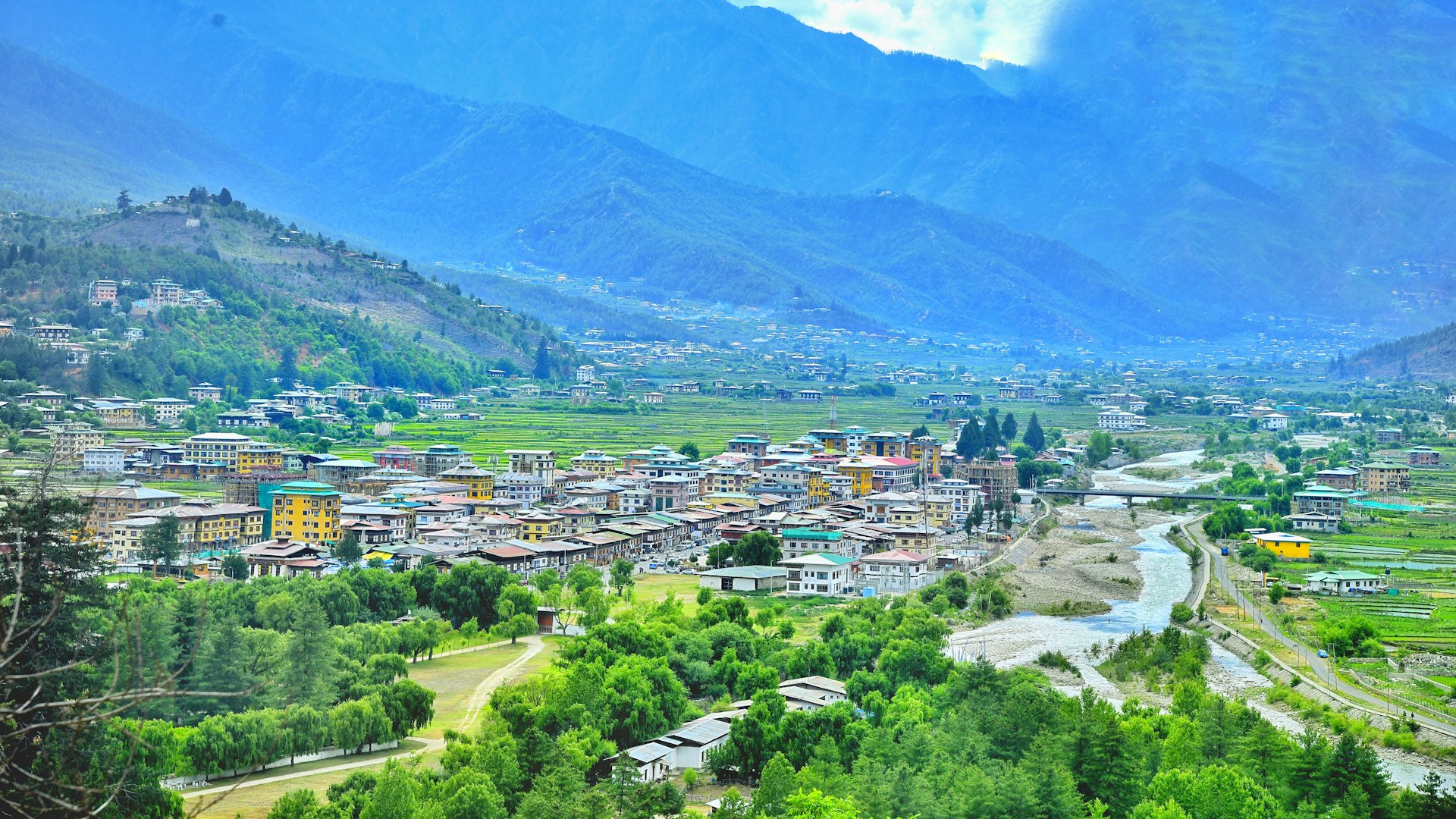
Nestled in the emerald embrace of the Paro Chhu Valley at 2,280 meters, Paro is Bhutan’s spiritual and historical epicenter—a realm where ancient myths soar on Himalayan winds. Home to just 15,000 souls, this sacred valley cradles the Kingdom’s only international airport and its most revered monastery. Here, the legendary Tiger’s Nest clings to a sheer cliff like a golden prayer, while crimson-robed monks chant beneath the golden roofs of 17th-century dzongs. Prayer flags flutter over terraced rice fields, the scent of juniper incense drifts from 7th-century temples, and the thunder of masked dancers at the Paro Tshechu echoes through time. From the rhythmic spin of prayer wheels to the fiery warmth of ema datshi in a 400-year-old farmhouse, Paro is Bhutan’s beating heart—a living tapestry of faith, valor, and Himalayan splendor.

As the gateway to the Dragon Kingdom, Paro welcomes travelers with a heart-stopping descent between snow-capped peaks. Beyond the runway, a world of sacred trails, handwoven kira, and the gentle hum of Om Mani Padme Hum awaits. Whether hiking to a cliffside monastery at dawn, watching archers sing beneath apple blossoms, or soaking in a hot-stone bath under starlit skies, Paro invites you to step into a realm where every stone whispers a legend and every breath feels like a blessing.

Top Activities and Experiences in Paro

In Paro, the air is thick with legend—monks chant in ancient temples, prayer flags whisper to the wind, and the Tiger’s Nest beckons like a divine challenge. Here are the soul-stirring experiences that define Bhutan’s most sacred valley.

Hike to Taktsang (Tiger’s Nest) Monastery

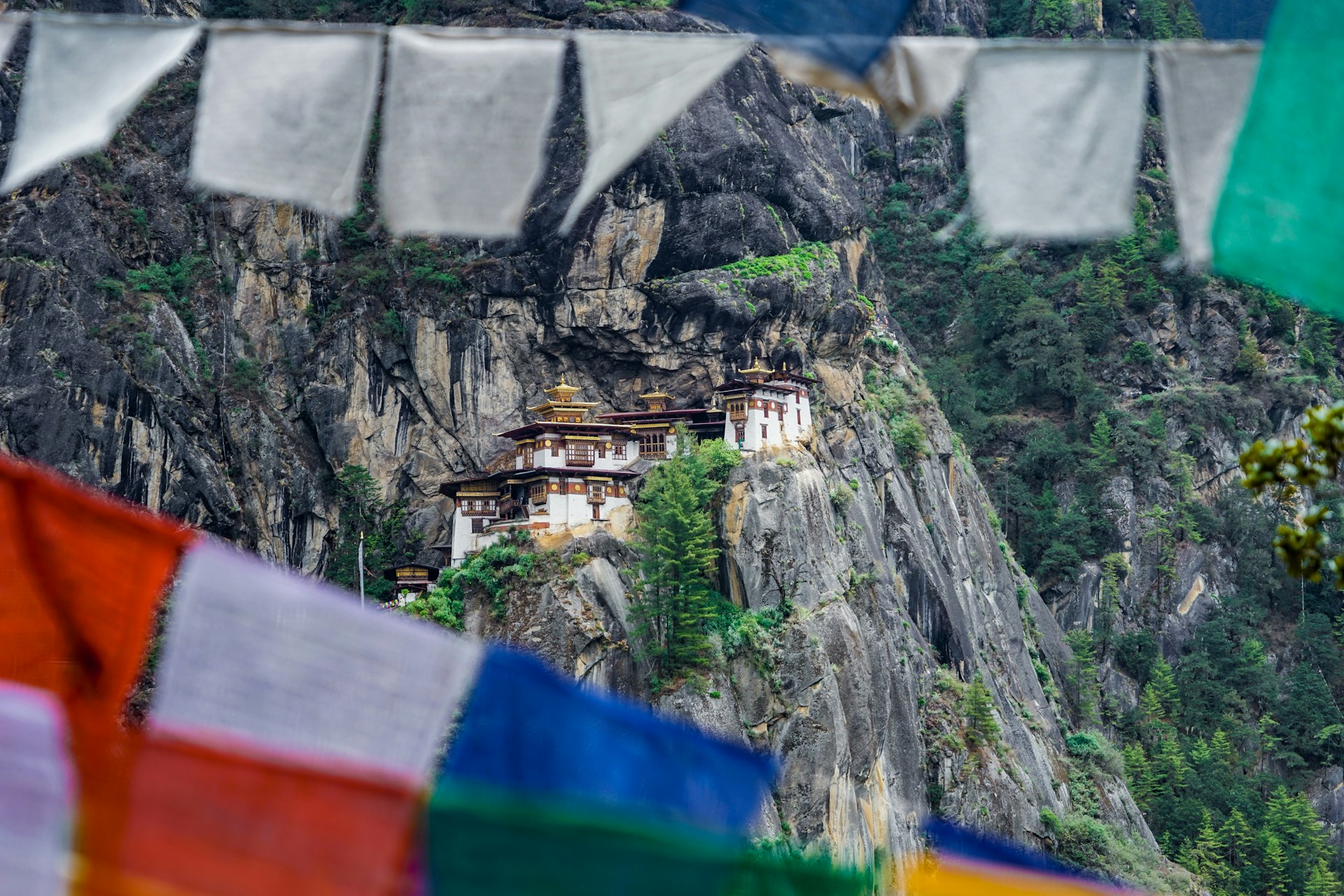
Clinging impossibly to a granite cliff 900 meters above the valley, Taktsang Lhakhang—the Tiger’s Nest—is Bhutan’s holiest sanctuary. Legend says Guru Rinpoche flew here on a tigress in 747 CE to vanquish demons. The 4–5 hour round-trip hike winds through pine forests draped in Spanish moss, past fluttering prayer flags and a thundering waterfall. Inside, butter lamps flicker in the guru’s meditation cave; the balcony view of the valley is transcendent. Start at 7 AM to beat clouds and crowds—ponies available for the steep ascent.

Explore Paro Dzong (Rinpung Dzong)

Rising majestically above the Paro Chhu, Rinpung Dzong (1644) is a fortress of whitewashed walls, golden roofs, and vermilion windows. Cross the traditional covered bridge, climb the stone steps, and enter courtyards where monks chant and ravens circle overhead. The annual Paro Tshechu unfolds here—watch sacred dances in the shadow of this architectural masterpiece. The dzong also houses Bhutan’s National Museum (in the ancient watchtower), with thangka paintings, bronze statues, and royal masks spanning centuries.

Visit Kyichu Lhakhang – Bhutan’s Oldest Temple

Founded in 659 CE by Tibetan King Songtsen Gampo, Kyichu Lhakhang is one of Bhutan’s most sacred temples—one of 108 built in a single day to pin down a demoness. Step inside to see the original 7th-century statue of Jowo Sakyamuni, still radiant after 1,400 years. Orange trees bloom in the courtyard, prayer wheels spin under ancient cypress, and the air is thick with juniper smoke. A short walk from town, it’s a serene portal to Bhutanese spirituality.

Attend Paro Tshechu Festival

Every spring (March/April), Paro Dzong hosts the five-day Paro Tshechu—Bhutan’s grandest festival. Monks in silk brocade perform the Black Hat Dance and Unfurling of the Thongdrol (a giant appliqué scroll revealed at dawn for blessings). Atsara clowns tease the crowd, children in miniature gho dance, and families picnic under apple blossoms. The energy is electric, the devotion profound—an unmissable immersion in Bhutanese culture.

Drive to Chele La Pass – Himalayan Panorama

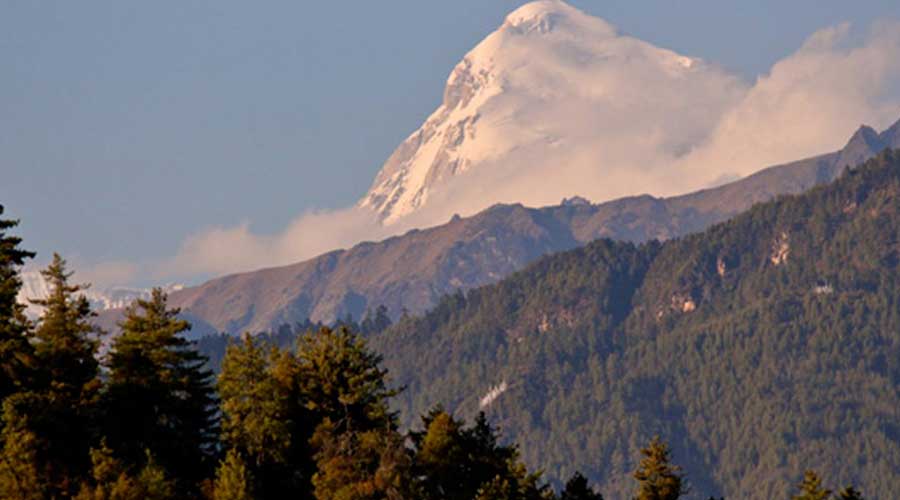
Ascend 2 hours from Paro to Chele La Pass (3,988m)—Bhutan’s highest motorable road. On clear days, the entire Himalayan range unfolds: Jomolhari (7,326m), Jichu Drake, and sacred peaks shrouded in legend. Prayer flags snap in the wind, yaks graze on alpine meadows, and wild blue poppies bloom in summer. Stop at the pass for tea and photographs—this is Bhutan’s rooftop of the world.

Explore Drukgyel Dzong – Ruins of Victory

Built in 1649 to commemorate victory over Tibetan invaders, Drukgyel Dzong stands in ruins after a 1951 fire—but its silhouette against Jomolhari is breathtaking. Walk through the charred courtyard, imagine archers on the battlements, and feel the weight of history. On clear days, the snow-capped peak frames the dzong like a painting—a poignant reminder of Bhutan’s fierce independence.

Visit Dumtse Lhakhang – The Three-Story Chorten

Hidden in a quiet valley, Dumtse Lhakhang (1433) is a rare three-story chorten-shaped temple. Each floor represents hell, earth, and heaven—murals depict wrathful deities, bodhisattvas, and paradise. The iron chain inside, forged by a 15th-century saint, is said to absolve sins when touched. A local guide is required; the temple’s intimacy and artistry make it a hidden gem.

Farmhouse Stay & Hot-Stone Bath

Spend a night in a traditional Paro farmhouse—wooden beams, woven bamboo walls, and a bukhari stove crackling with juniper. Dine on ema datshi, red rice, and fern curry with a local family. End with a hot-stone bath: river stones heated in fire are plunged into a wooden tub infused with artemisia, releasing minerals and steam. Soak under the stars as aches melt away—a quintessential Bhutanese ritual.

Hike to Kila Nunnery

A serene 2-hour hike from Chele La leads to Kila Goenpa, Bhutan’s oldest nunnery (9th century). Over 70 ani (nuns) in crimson robes meditate in cliffside hermitages. The trail winds through rhododendron forests; the nunnery’s prayer hall is adorned with ancient murals. Share tea with the nuns and absorb the profound silence of this sacred women’s sanctuary.

Shop for Bhutanese Crafts in Paro Town

Paro’s main street is a treasure trove of yathra textiles, hand-carved masks, and prayer beads. Visit Made in Bhutan for ethical souvenirs, or watch artisans weave at local cooperatives. Try zaw (puffed rice) and khuley (buckwheat pancakes) at street stalls. The town’s wooden shops and flower boxes feel like a Bhutanese fairy tale.

Ready to Touch the Sky?

Let Paro’s sacred cliffs and ancient legends awaken your spirit. Discover Bhutan’s hidden valleys and craft your pilgrimage to the Dragon Kingdom.

Frequently Asked Questions (FAQs) About Paro

What are the top things to do in Paro?

Hike to Tiger’s Nest at dawn, witness the Paro Tshechu, explore Rinpung Dzong, visit Kyichu Lhakhang, and drive to Chele La Pass for Himalayan views.

What are the must-visit places in Paro?

The unmissable icons are Tiger’s Nest, Paro Dzong, Kyichu Lhakhang, Drukgyel Dzong, and Chele La Pass.

When is the best time to visit Paro?

Spring (March–May) for rhododendrons and the Paro Tshechu; autumn (September–November) for clear skies and golden rice fields. Avoid monsoon (June–August).

What are the best things to see in Paro?

Cliffside monasteries, golden-roofed dzongs, prayer flags in the wind, snow-capped Jomolhari, and crimson-robed monks define Paro’s sacred beauty.

Which are the best places to visit near Paro for a short trip?

Drive 1 hour to Haa Valley, 2.5 hours to Punakha, or hike to Kila Nunnery from Chele La.

Do you have a comprehensive Paro tour guide?

Yes! This guide covers Tiger’s Nest logistics, festival dates, farmhouse stays, and cultural etiquette for a deeply rewarding journey.

What are the top tourist attractions in Paro?

Highlights include Tiger’s Nest, Paro Dzong, Kyichu Lhakhang, Chele La Pass, and Drukgyel Dzong.

What are the best places to visit in Paro with family?

Families love Paro Dzong, farmhouse stays, Kyichu Lhakhang, and gentle hikes to Tachogang Lhakhang.

Where can I find a Paro tour guide?

All Bhutan tours require a licensed guide—book through Druk Asia, Bhutan Travel, or your certified operator. Guides are passionate and fluent in English.

What are the top festivals in Paro?

The Paro Tshechu (March/April) is Bhutan’s grandest, with sacred dances and the unfurling of the giant thongdrol at dawn.

Where to stay in Paro?

Luxury: Zhiwa Ling Heritage or COMO Uma Paro; Mid-range: Tenzinling Resort; Budget: authentic farmhouses or guesthouses.

Is Paro safe?

Extremely safe. Respect dress codes (no shorts/hats in dzongs), remove shoes in temples, and follow your guide on hikes.

What are some essential Paro travel tips?

Pay the $100–250 SDF daily (includes guide, driver, meals, lodging), start Tiger’s Nest hike by 7 AM, bring hiking poles, and carry ngultrum cash.

What are the best places to eat in Paro?

Savor ema datshi and red rice at Sonam Trophel, Bukhari (COMO Uma), or local farmhouses. Try khuley and suja.

Is Paro safe for women travelers?

Very safe. Dress modestly in sacred sites, hike with your guide, and avoid isolated trails after dark.

What are some must-try experiences in Paro?

Hike to Tiger’s Nest, receive a blessing at Paro Tshechu, soak in a hot-stone bath, and watch sunrise from Chele La Pass.

How can I book a Paro tour?

All visits via licensed Bhutanese operators. The SDF covers guide, driver, 3-star lodging, meals, and internal transport.

What are some offbeat things to do?

Visit Dumtseg Lhakhang, hike to Kila Nunnery, explore Tachogang Iron Bridge, or attend a local archery match.

What should I pack?

Pack modest clothing, warm layers (nights drop to 5°C), sturdy hiking shoes, sunscreen, a reusable bottle, and ngultrum cash.

Is there a cherry blossom festival?

Spring (March–April) paints Paro’s valleys with apple, peach, and wild cherry blossoms—especially stunning during the Paro Tshechu.

More +

Places to Visit

Taktsang (Tiger’s Nest) Monastery

Perched 900 meters above the valley on a sheer cliff, Taktsang Lhakhang is Bhutan’s holiest site. Guru Rinpoche flew here on a tigress in 747 CE; the monastery was built in 1692. The 4–5 hour hike passes prayer flags, a waterfall, and meditation caves. Inside, butter lamps glow in the guru’s cave; the balcony view is transcendent. Start at dawn—ponies available for the ascent.
Paro Dzong (Rinpung Dzong)

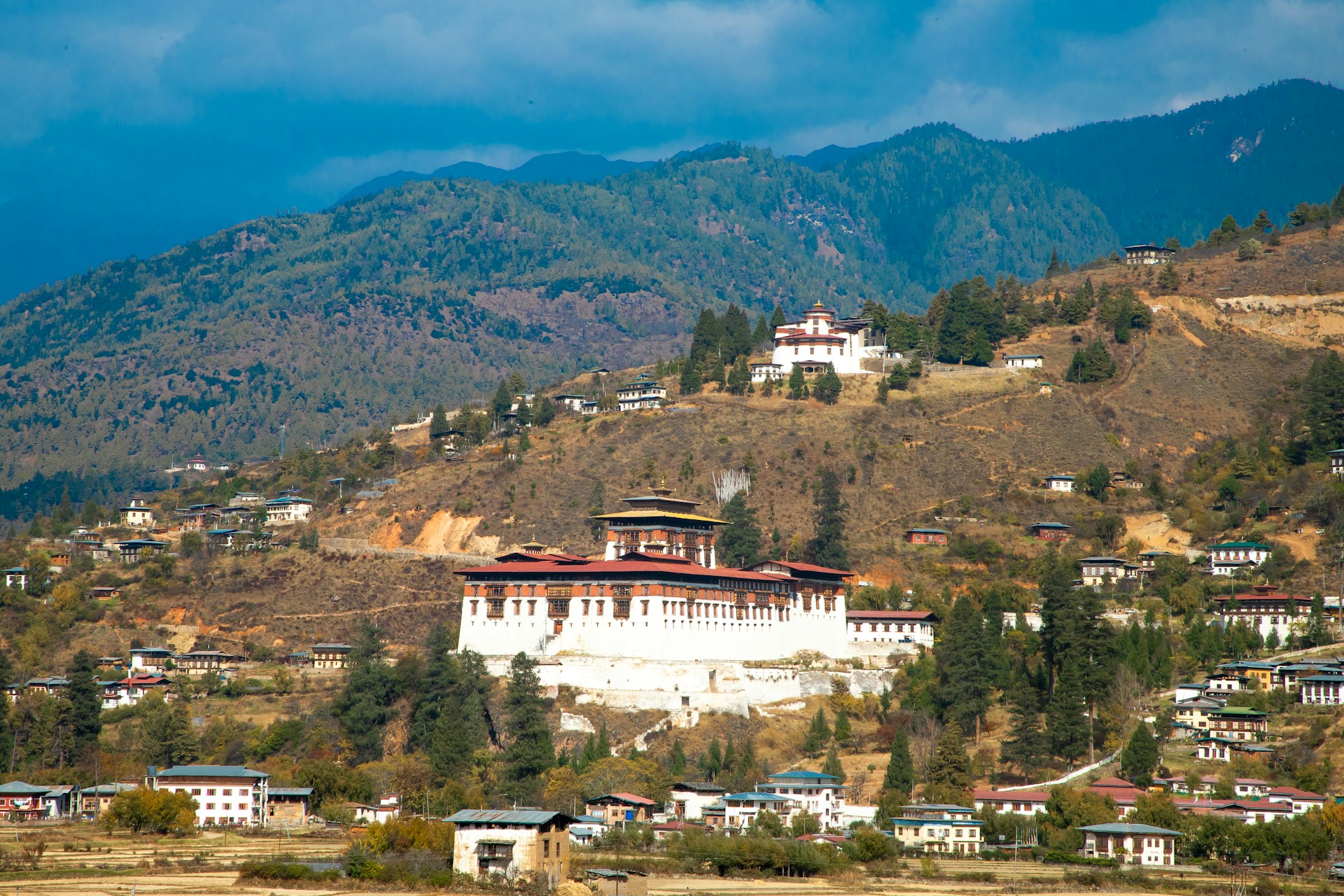
This 1644 fortress rises above the Paro Chhu with white walls, golden roofs, and a traditional covered bridge. Home to monks and district administration, it hosts the Paro Tshechu. Climb the stone steps, explore courtyards with chanting monks, and visit the National Museum in the ancient watchtower—thangkas and armor span centuries.
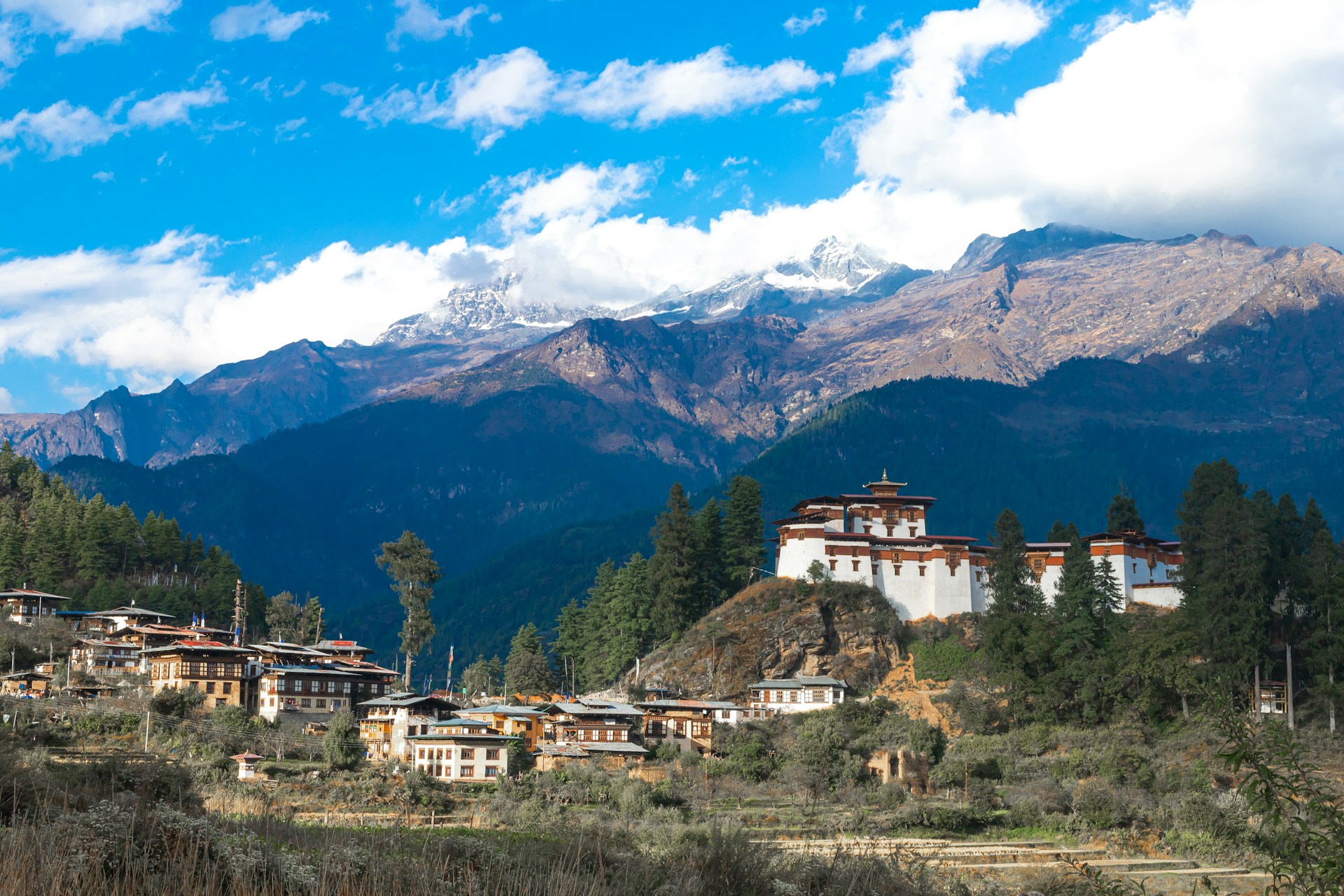
Drukgyel Dzong
Drukgyel Dzong

Built in 1649 to celebrate victory over Tibet, this ruined dzong stands against Jomolhari’s snow-capped peak. Walk through the charred courtyard, imagine archers on the walls, and feel Bhutan’s fierce history. A poignant, photogenic relic.

Kyichu Lhakhang

One of Bhutan’s oldest temples (659 CE), Kyichu Lhakhang houses the original Jowo Sakyamuni statue. Orange trees bloom in the courtyard, prayer wheels spin under ancient cypress, and the air is thick with juniper. A short walk from town, it’s a serene introduction to Bhutanese spirituality.

Dumtseg Lhakhang

A rare chorten-shaped temple (1433) with three floors representing hell, earth, and heaven. Murals depict tantric deities; an iron chain absolves sins. Local guide required—this intimate temple is a hidden masterpiece.

National Museum of Bhutan (Ta Dzong)

Housed in Paro Dzong’s ancient watchtower, this museum showcases Bhutan’s heritage—thangkas, bronze statues, royal masks, and natural history. The circular galleries offer valley views; a must for cultural immersion.

Suggested itineraries featuring Paro
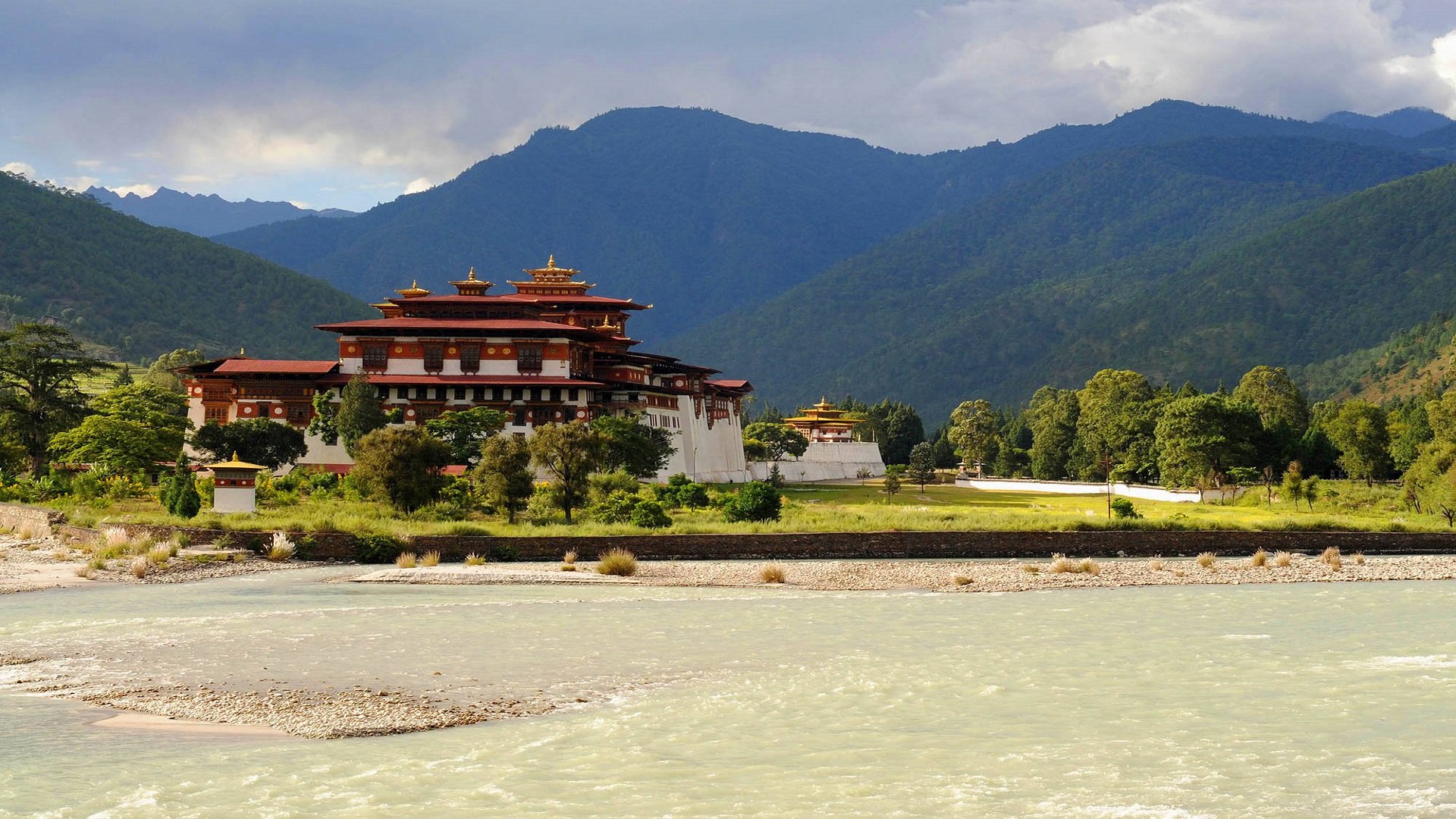
Spiritual Bhutan

Spiritual Bhutan

7 Days | From $3499

Bhutan
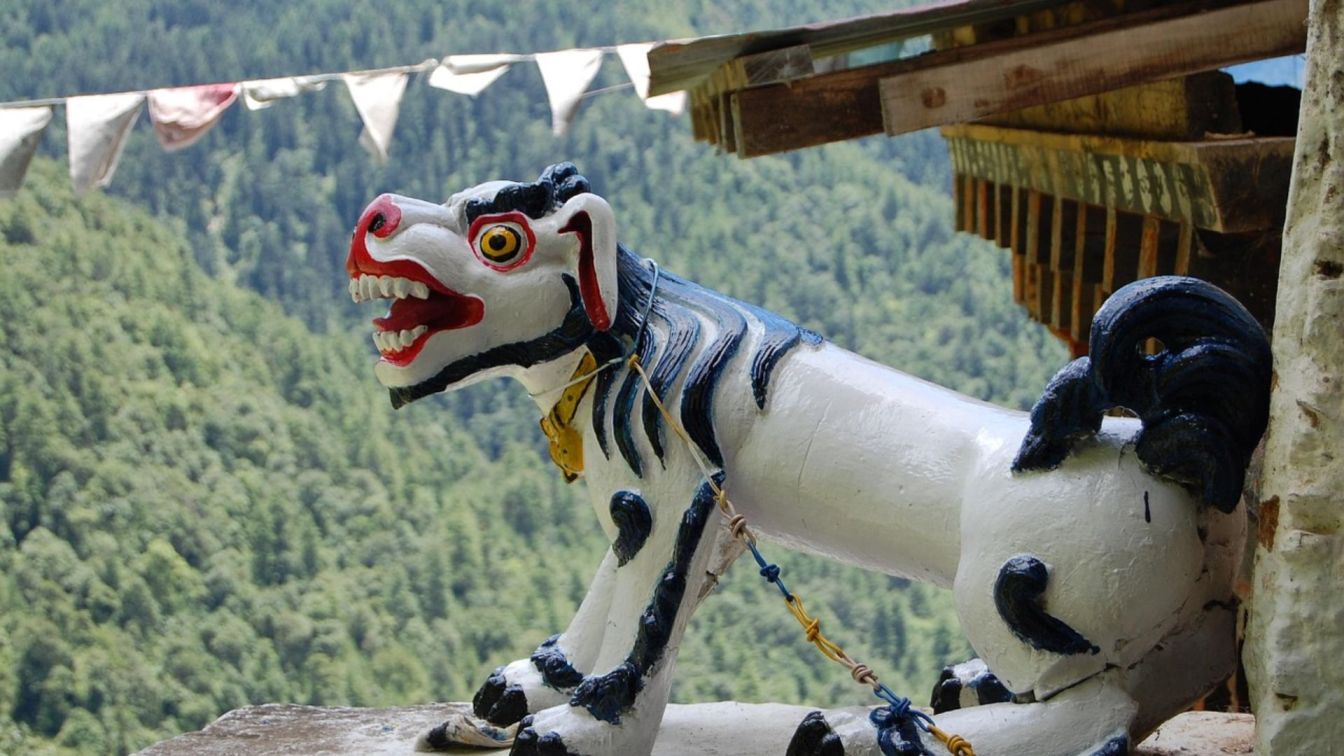
Thimphu | Paro | Punakha
Paro Pathways

Paro Pathways

5 Days | From $1899

Bhutan
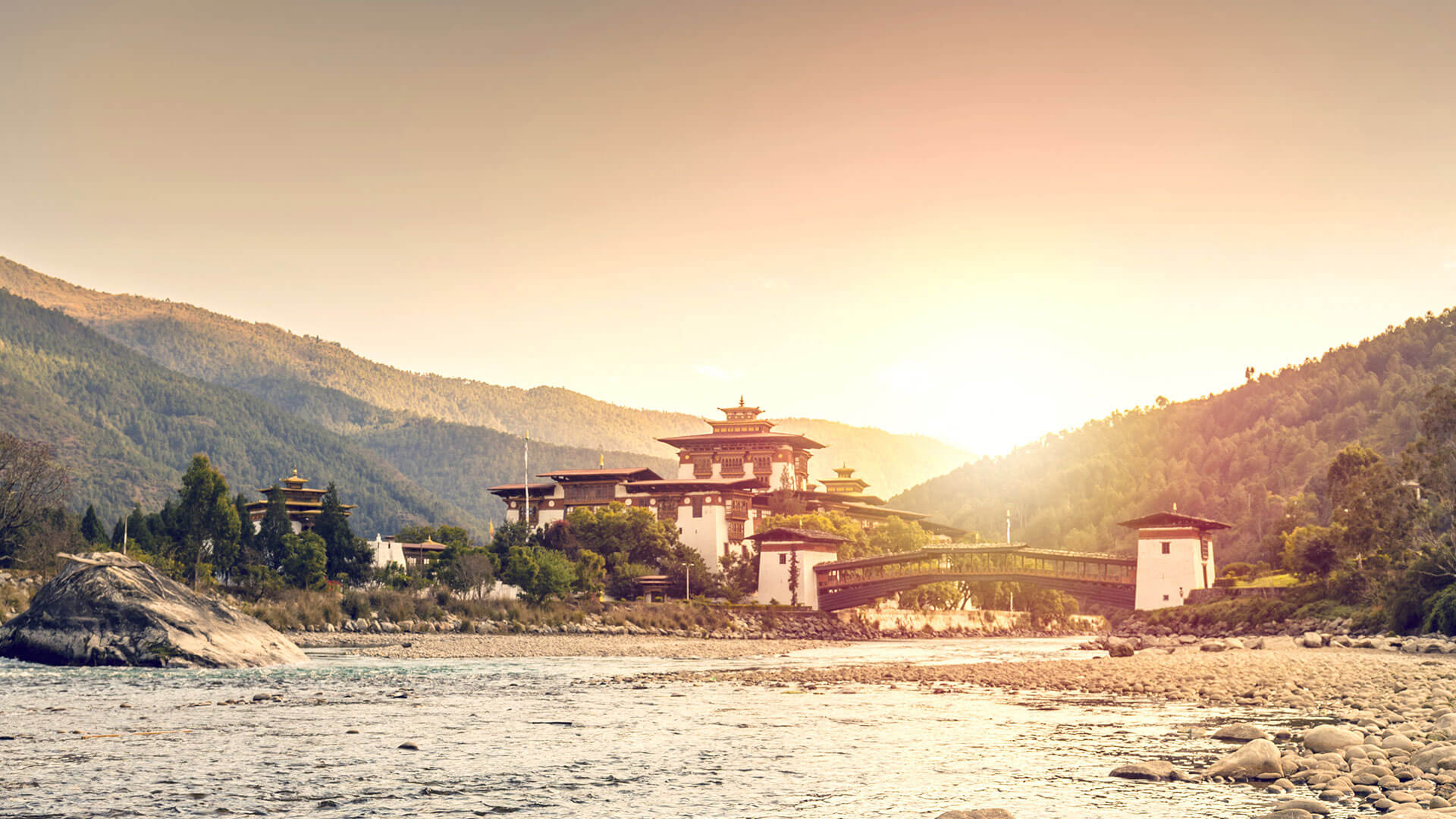
Spectacular Bhutan

Spectacular Bhutan

10 Days | From $5249

Bhutan
Thimphu | Paro | Punakha | Gangtey

Accommodation choices for Paro

accommodation
accommodation
accommodation
accommodation
accommodation
Tashi Namgay Resort
Our Rating:
Local Rating:

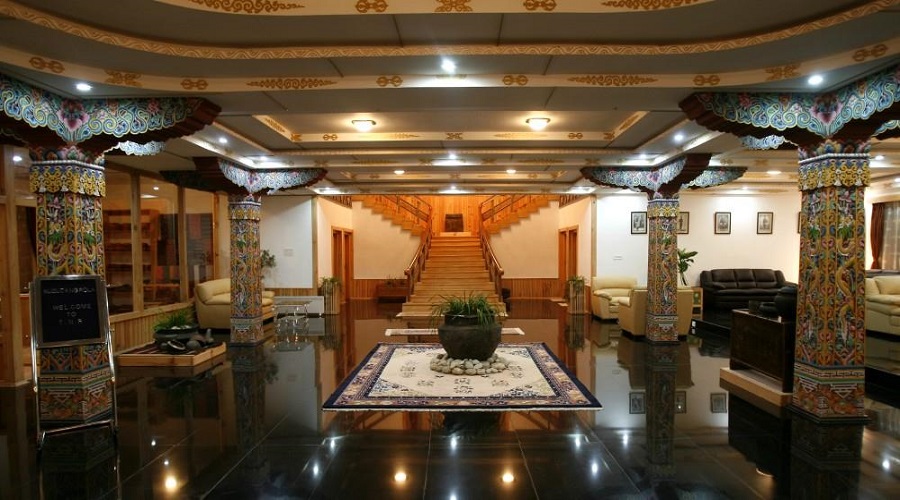
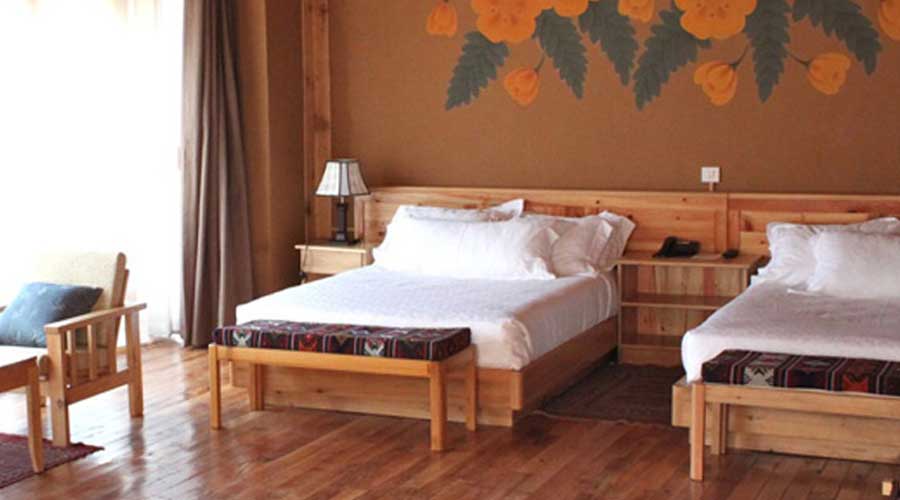
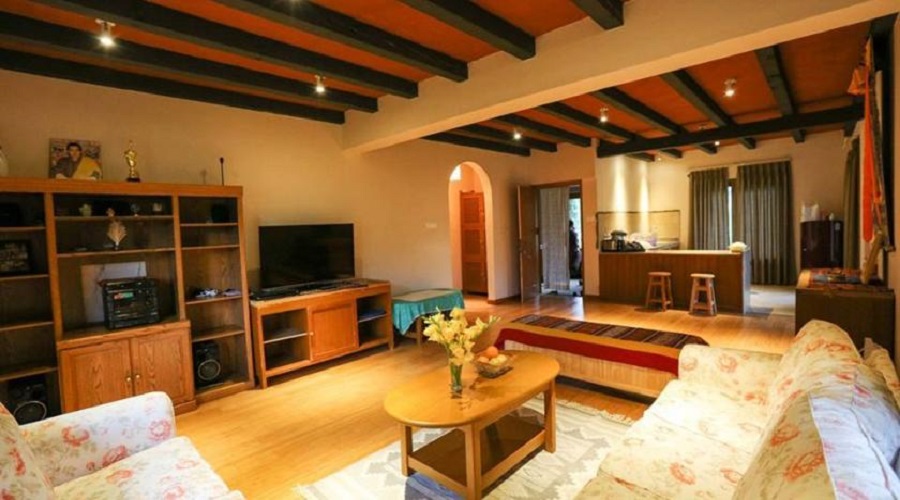
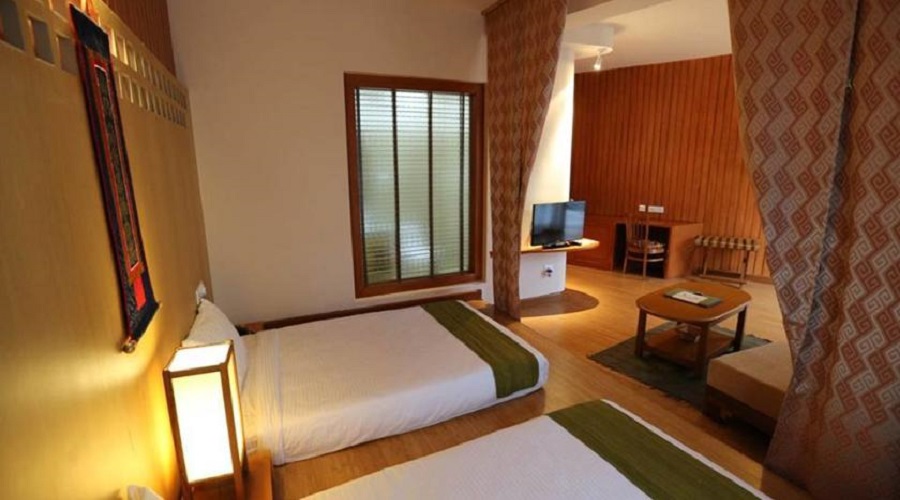
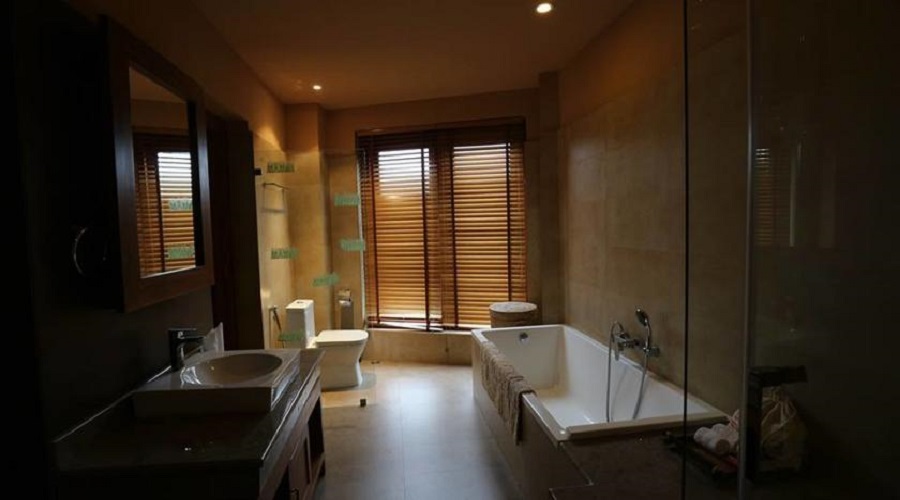
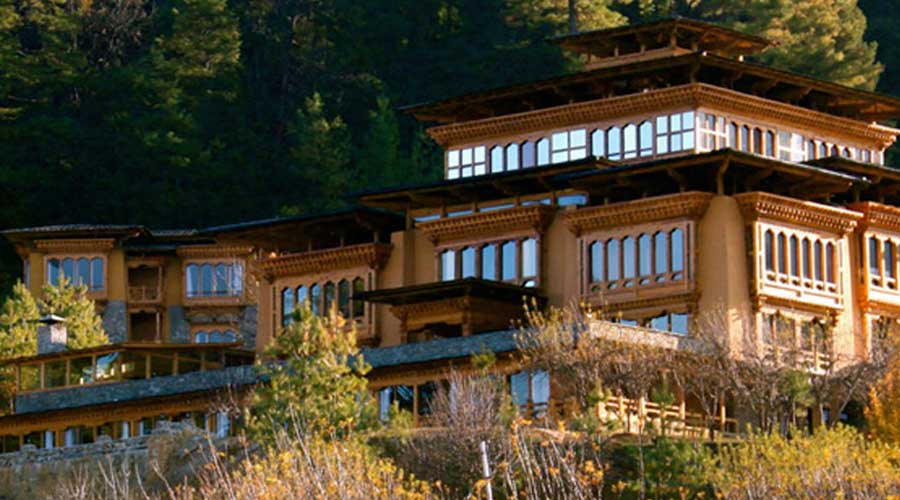
The resort is set amidst five acres of lush foliage and green lawns. Located conveniently in the heart of Paro but away from the distractions of the main town, Tashi Namgay Resort offers you a calm and peaceful environment within a five-acre compound. Unique blends of traditional Bhutanese and modern architecture have been provided for, yet at the same time offering you all the amenities of a modern lifestyle. The concern for the environment has been foremost in the design as is evident from the layout of the buildings, the use of solar lights, wooden roofing and mud-brick walls.
accommodation
accommodation
accommodation
accommodation
Naksel Boutique Hotel & Spa
Our Rating:
Local Rating:
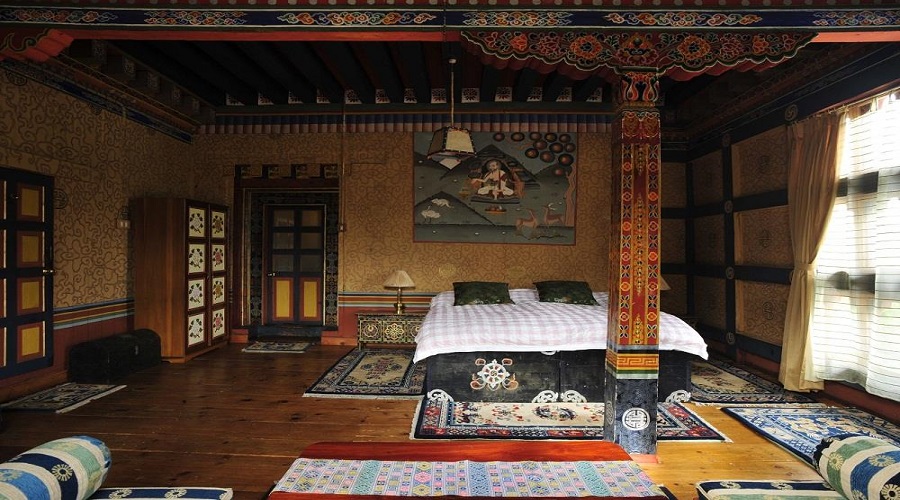
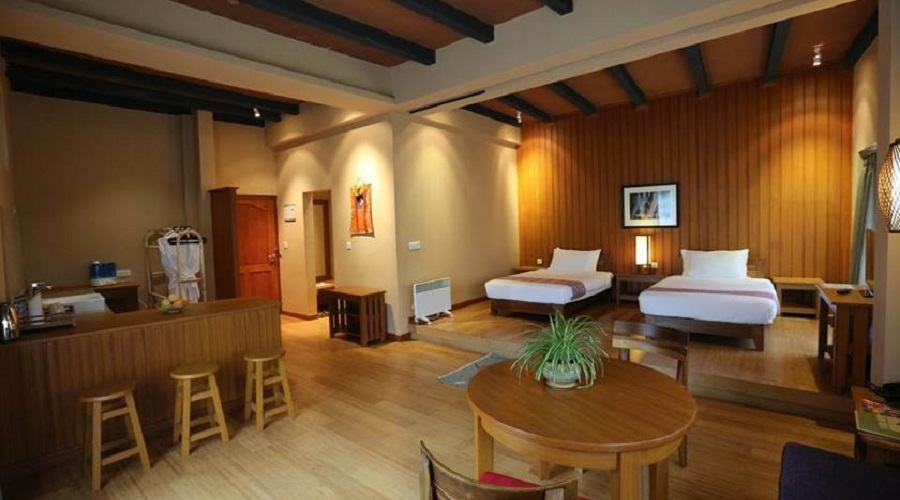
With seemingly endless activities, historic buildings and beautiful surroundings, Paro Valley is rich in culture, adventure, and heritage of this Himalayan Kingdom. From the bustling streets of Paro Town to the ruined fortress of Drugyel Dzong, there is rarely a dull moment in Paro. Take a pilgrimage to the renowned Tiger's Nest or learn of Bhutan's centuries of peace at Ta Dzong, the National Museum and former watchtower of Rinpung Dzong. For the daring, there is surely a round of Archery or Khuru being played from the morning till dusk. For the avid trekker, countless hikes meander through the pine clad hillsides leading to mountaintop monasteries, remote village temples, or high passes such as Chele La. Immerse yourself in Bhutan and choose your Paro Valley Adventure.
accommodation
accommodation
accommodation
accommodation
accommodation
Reven's Nest Resort
Our Rating:
Local Rating:


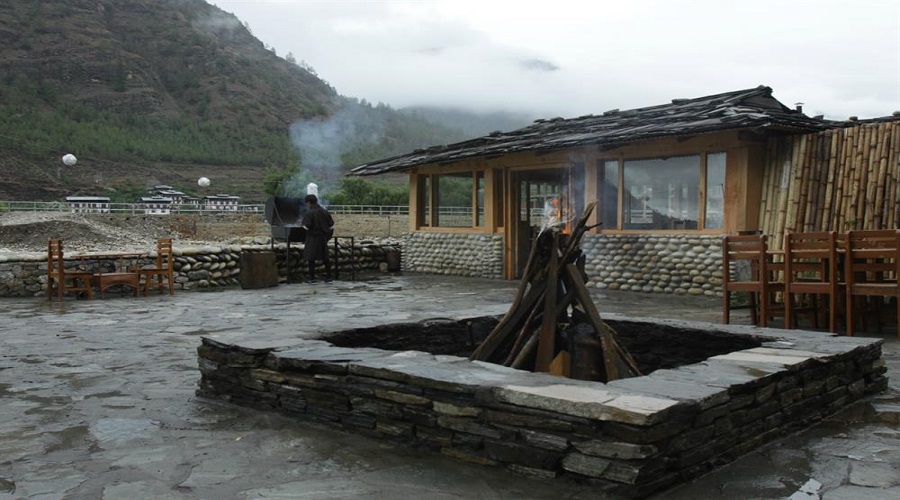
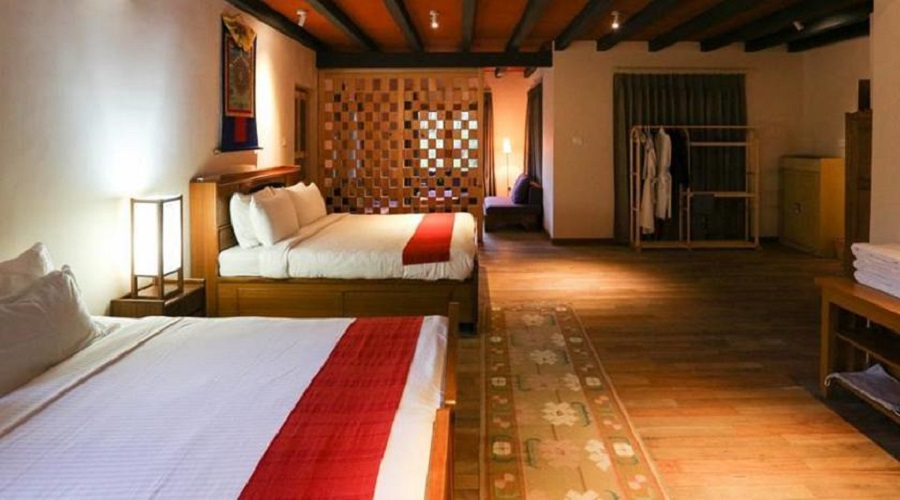
Featuring free WiFi, a resturant and a babecue, Reven's Nest offers accommodation in Paro. Guests can enjoy the on-site resturant. Free private parking is available on site. Every room comes with a flat-screen TV with satellite channles. Some unites include a seating area for your convenience. You will find a kettle in the rooom. Rooms include a private bathroom. There is a 24-hour front desk at the property. The resort also offeres car hire. 

loader
Are you a Travel Agent?
Register Here