

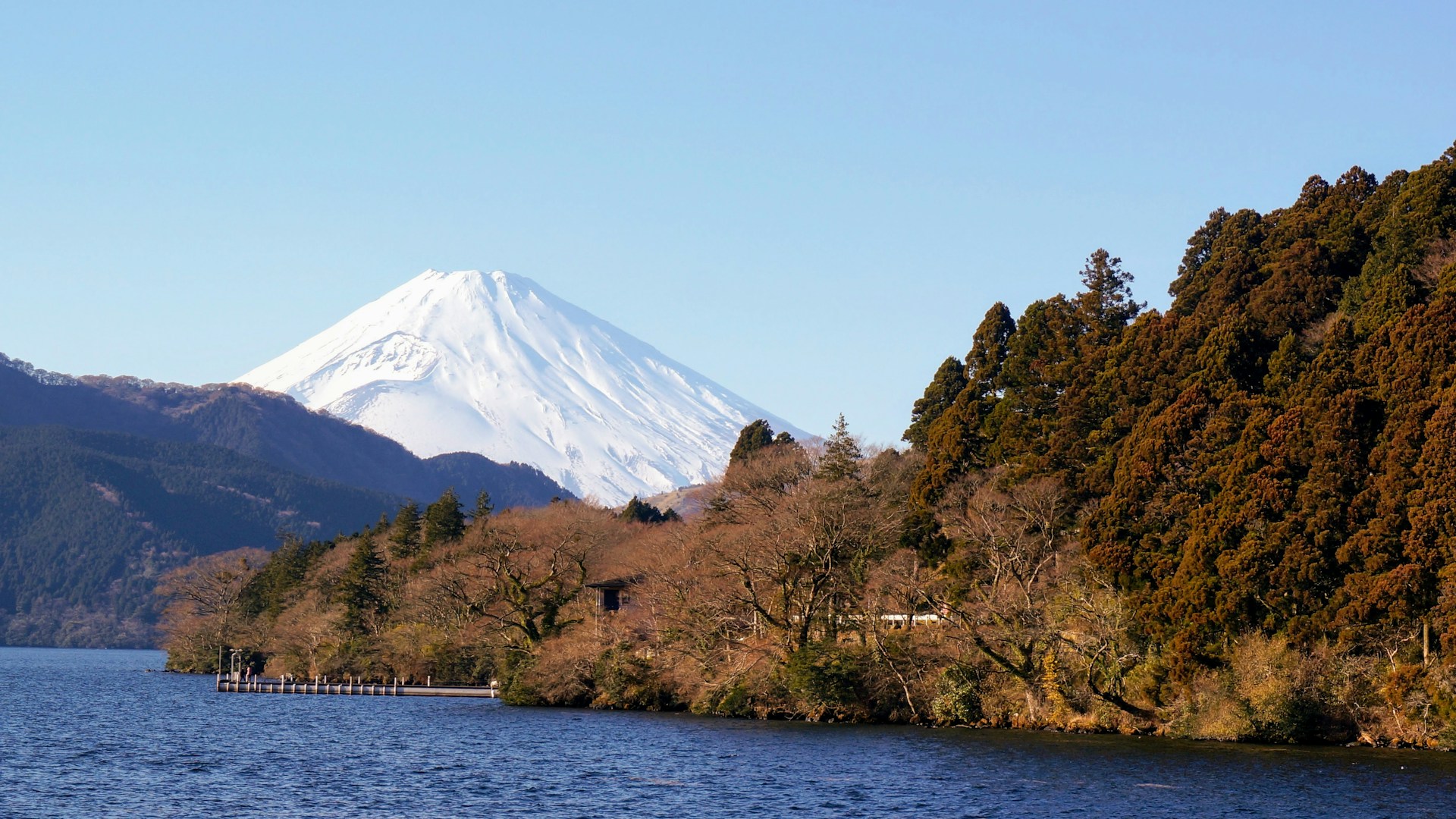
Things to see and do in Hakone
Places to Visit
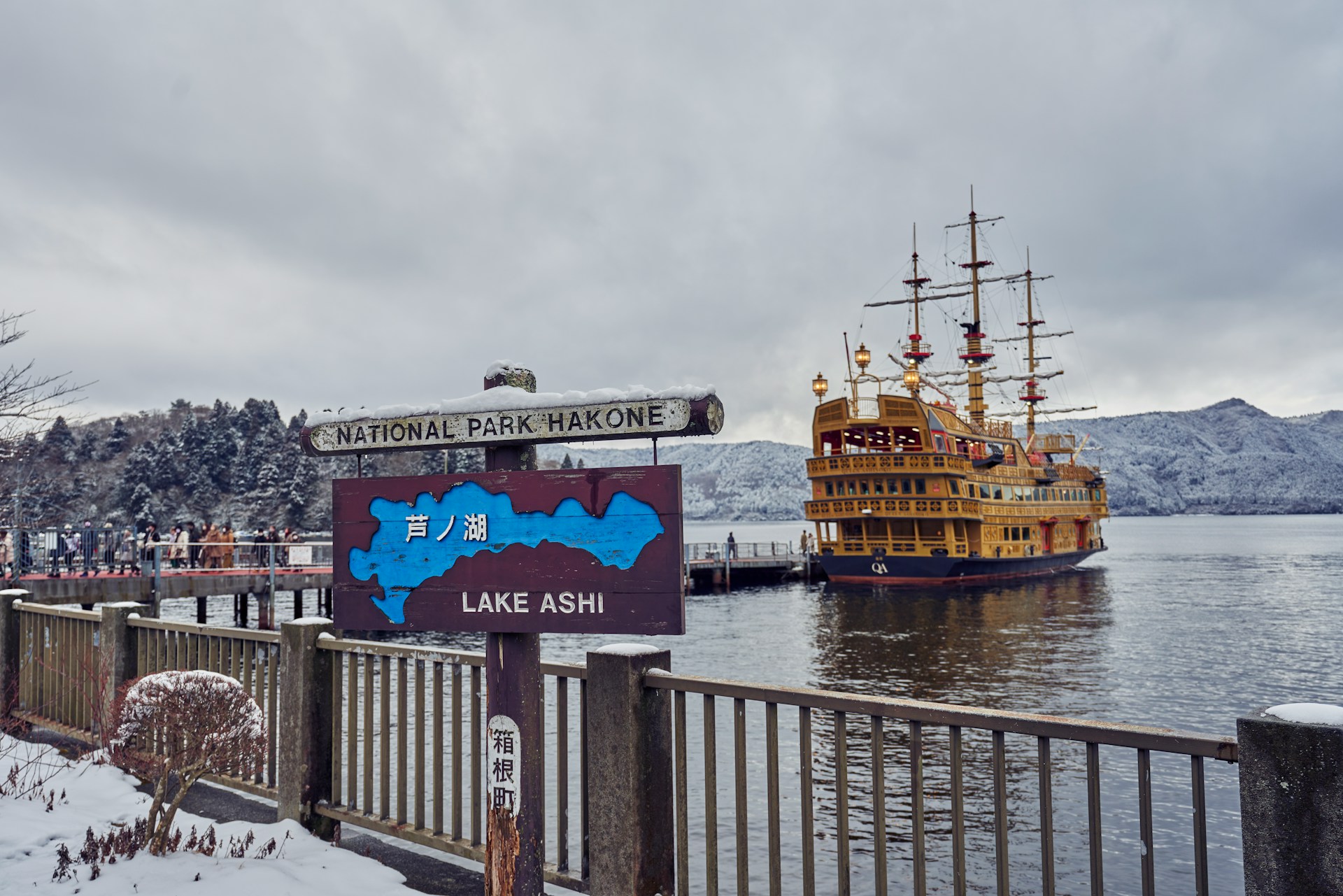
Lake Ashi
A scenic crater lake with Mount Fuji views, Lake Ashi is an iconic places to see in Hakone.
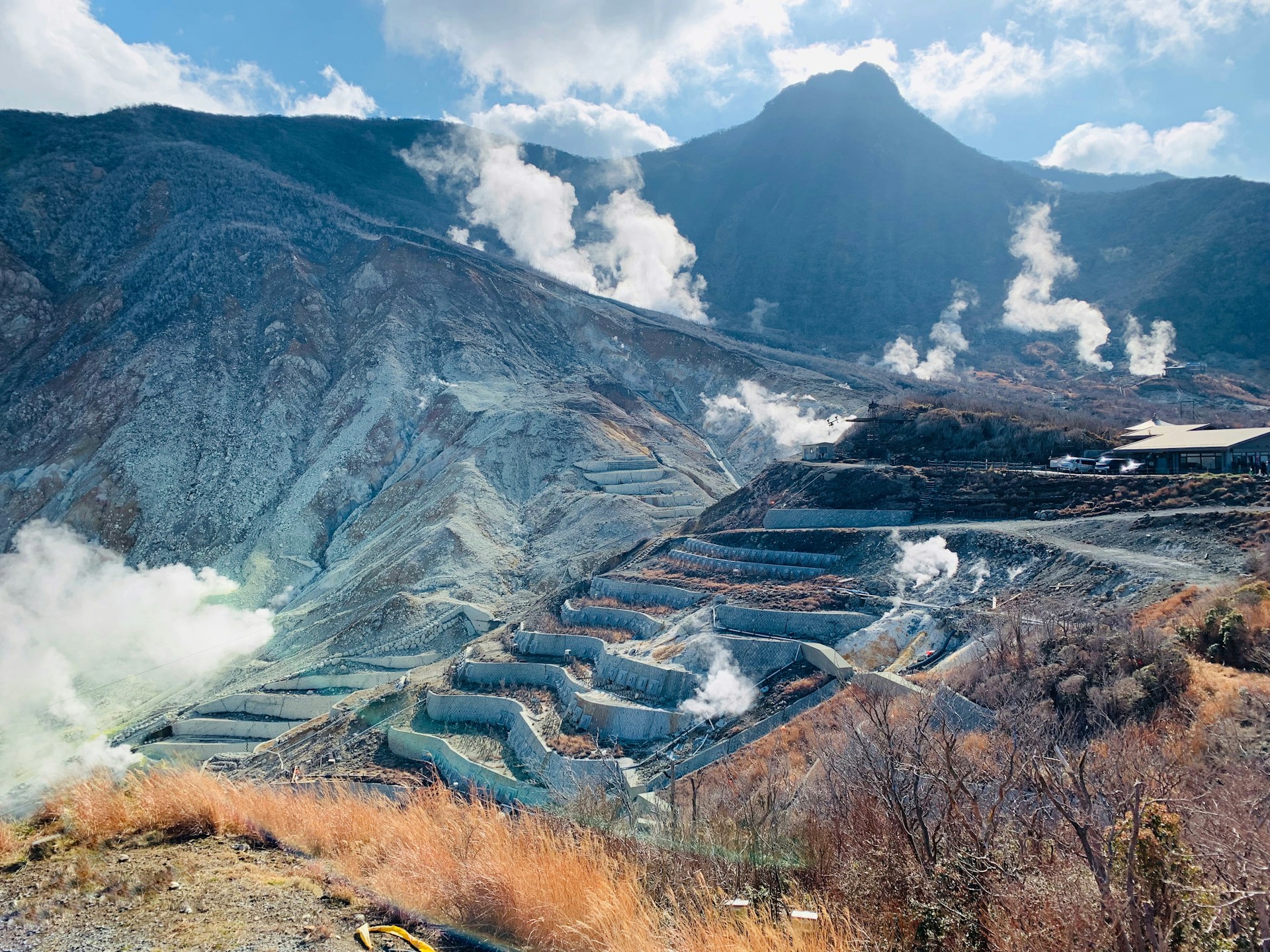
Owakudani Valley
An active volcanic valley with hot springs, Owakudani is a dramatic tourist places in Hakone.
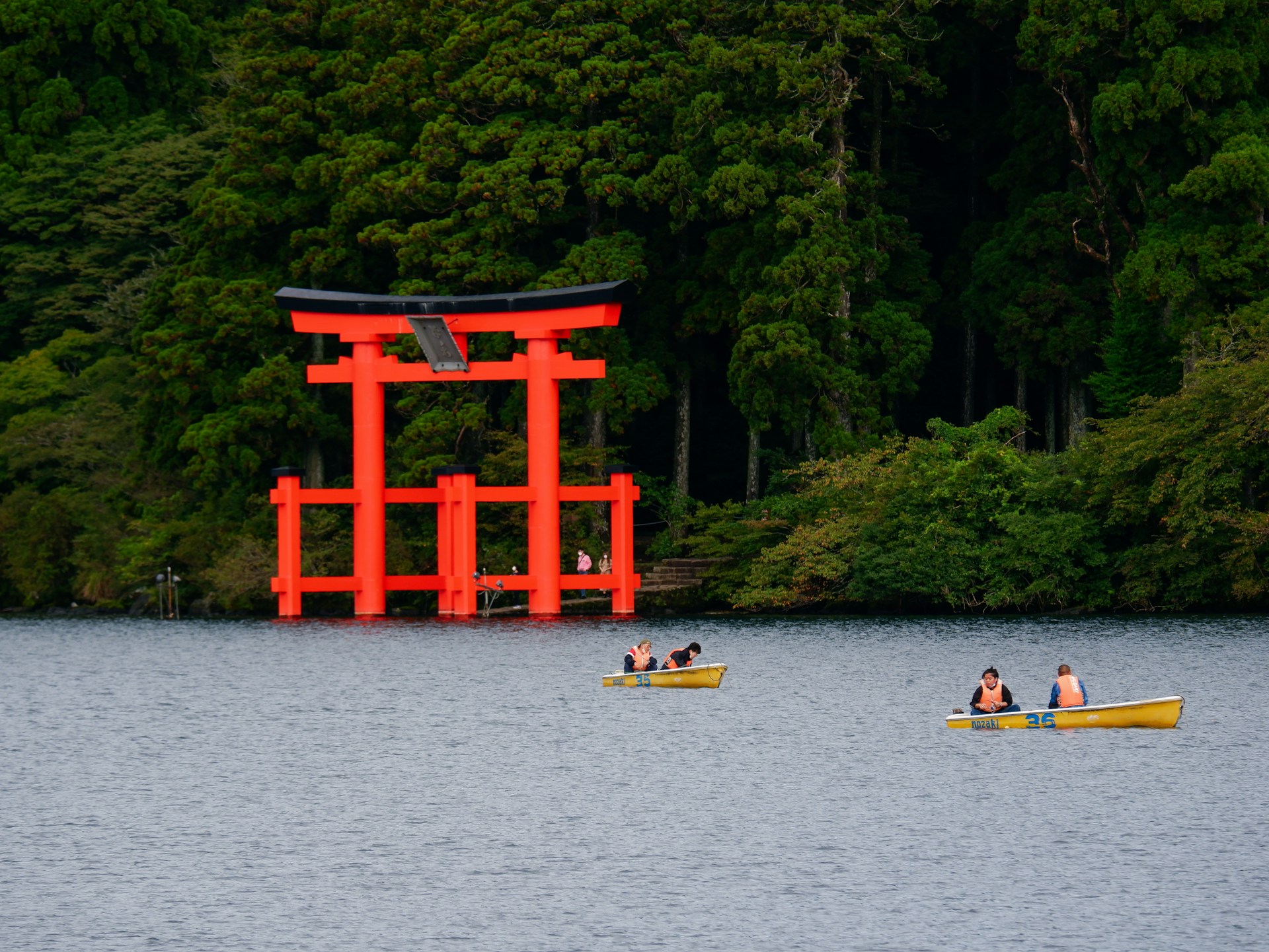
Hakone Shrine
A Shinto shrine with a lakeside torii gate, Hakone Shrine is a spiritual things to see in Hakone.
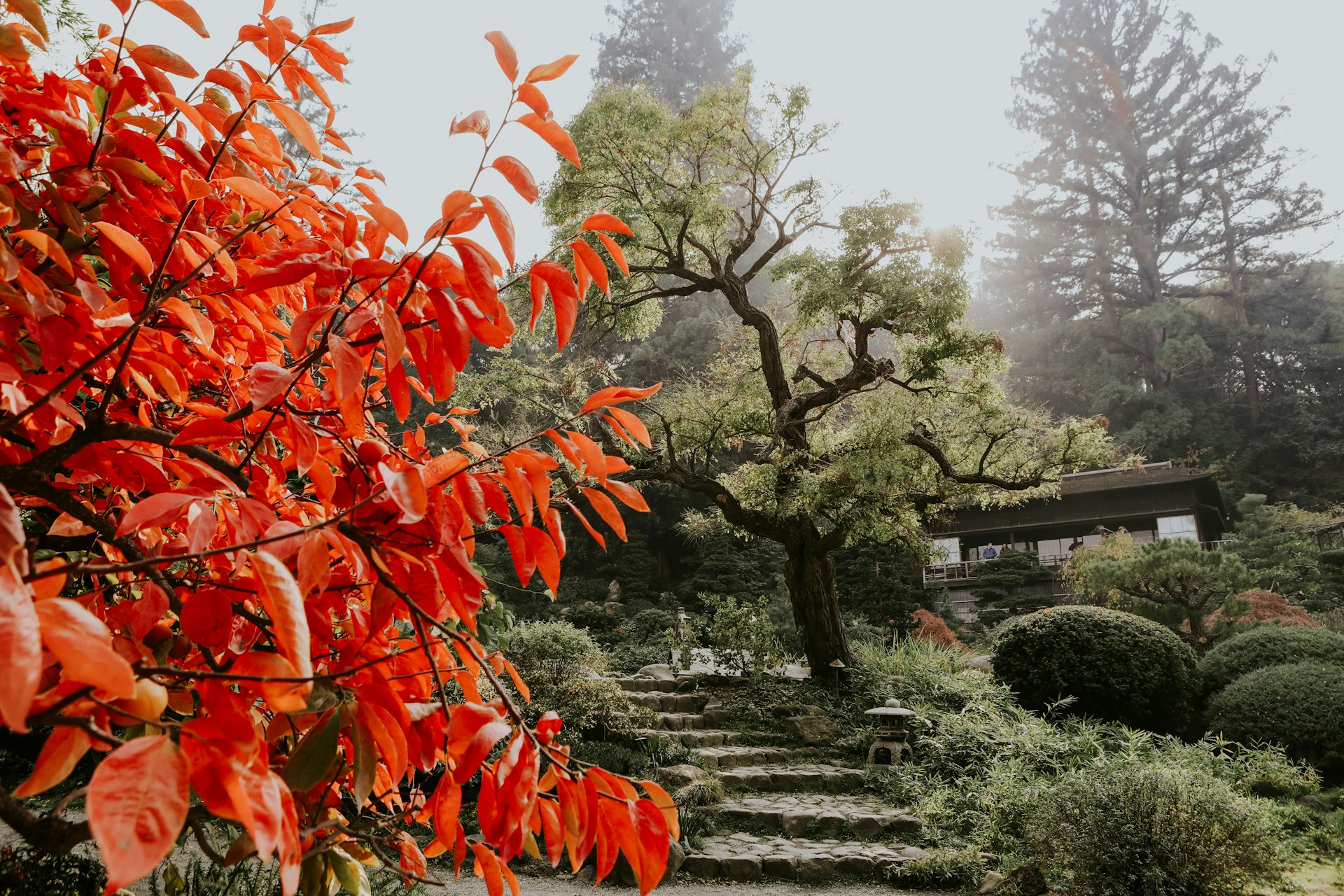
Gora Park
A landscaped garden with seasonal flowers, Gora Park is a tranquil places to see in Hakone.
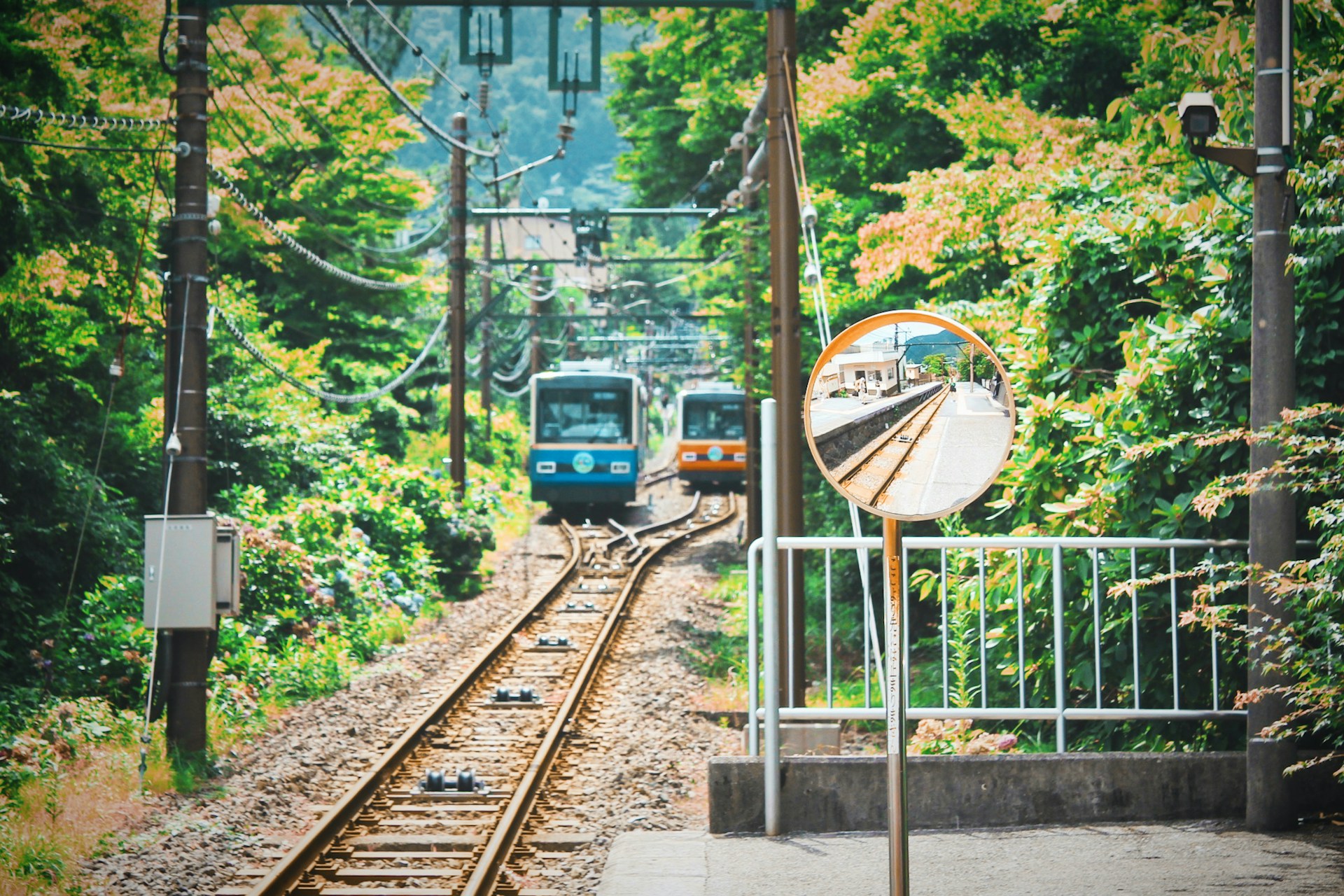
Hakone Tozan Railway
A scenic mountain train, the Tozan Railway is a charming tourist places in Hakone.
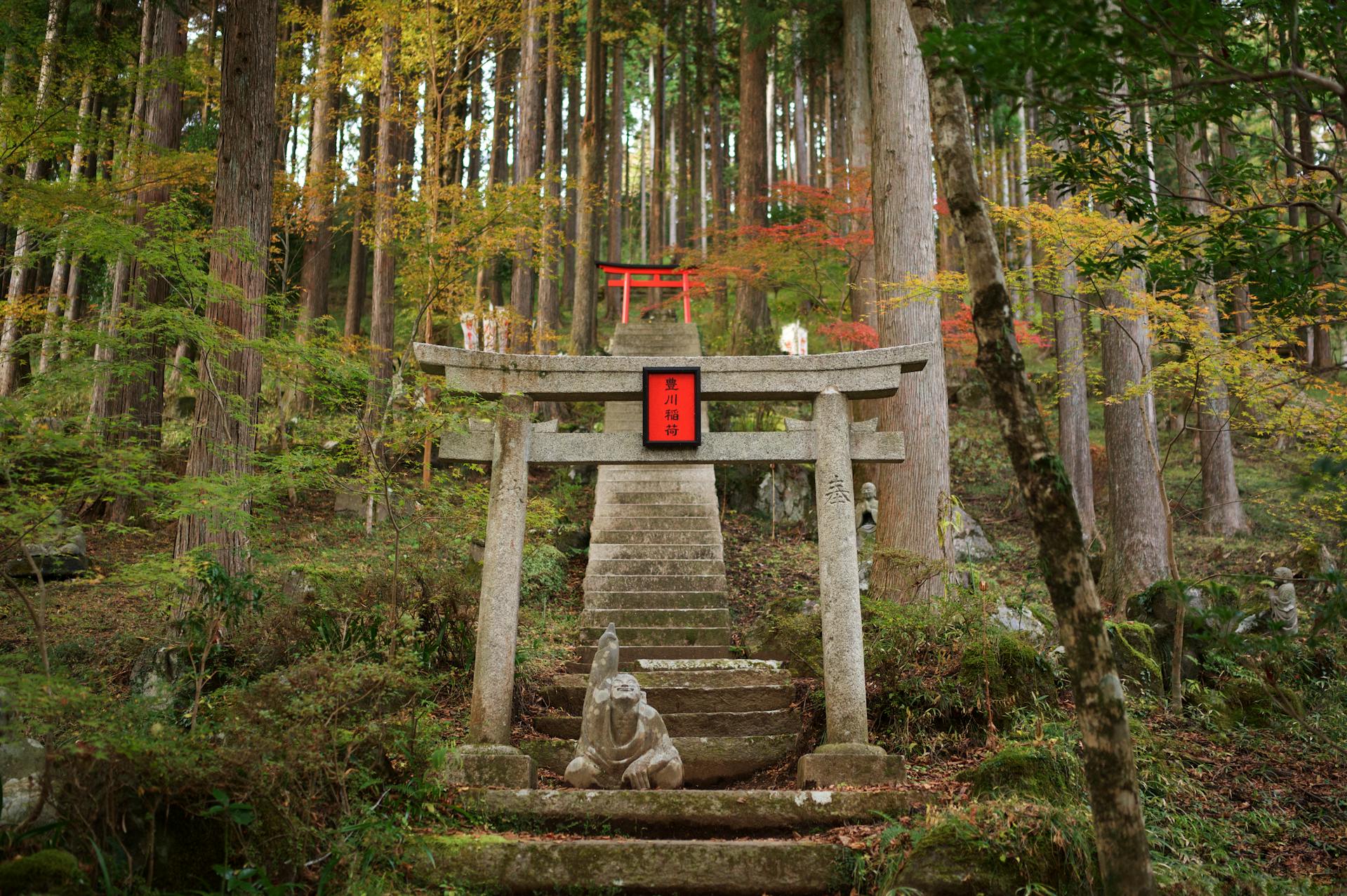
Old Tokaido Road
A historic cedar-lined trail, the Old Tokaido Road is a scenic places to visit near Hakone’s core.
Hakone Open-Air Museum
An outdoor art gallery with world-class sculptures, the Open-Air Museum is a key Hakone attractions.
Hakone Onsen
Traditional hot spring baths, Hakone Onsen is a rejuvenating Hakone attractions.
Hakone Checkpoint
A restored Edo-period post station, the Checkpoint is a historic what to do in Hakone spot.
Suggested itineraries featuring Hakone
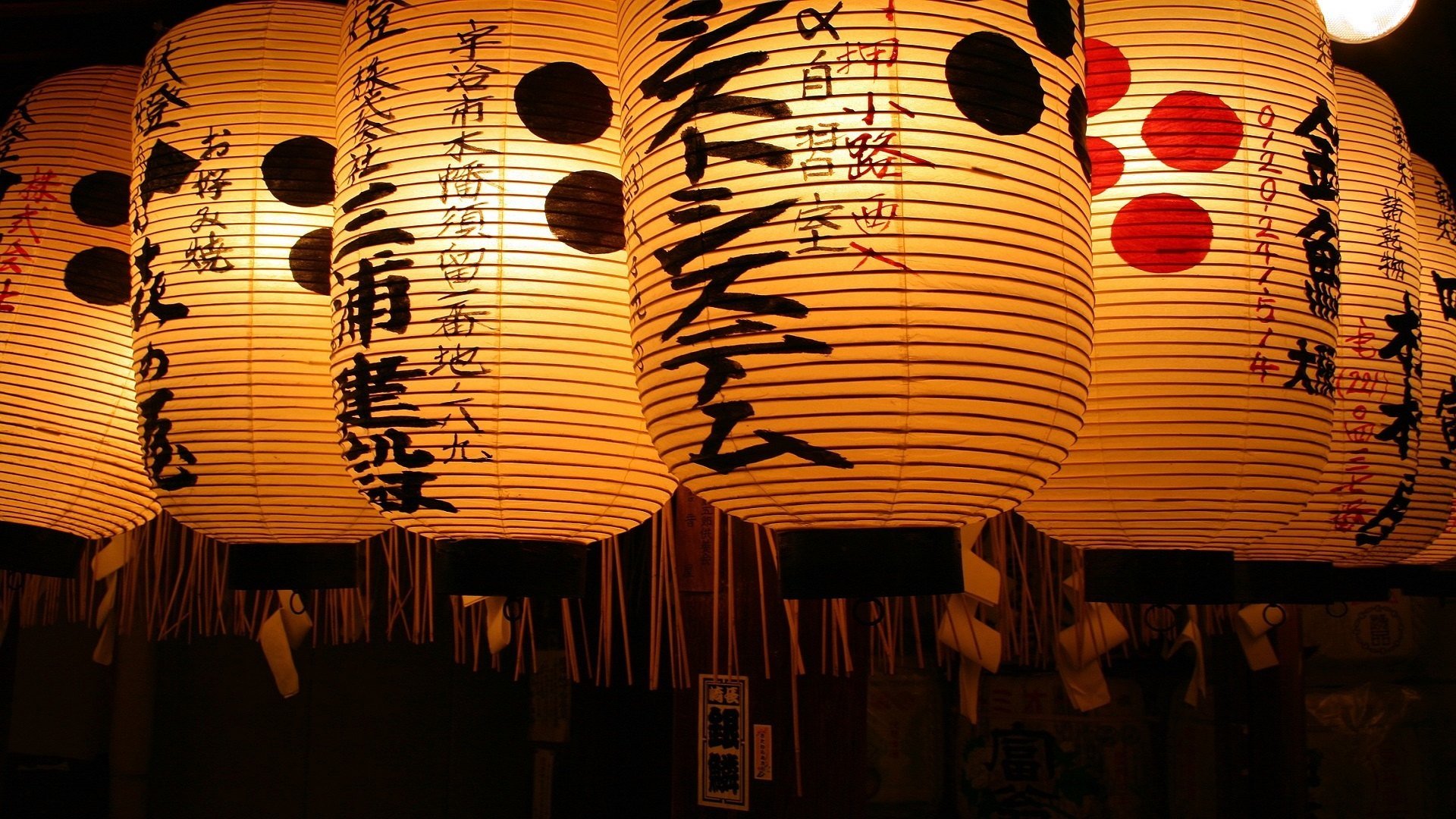
Best of Japan
9 Days | From $2299
Japan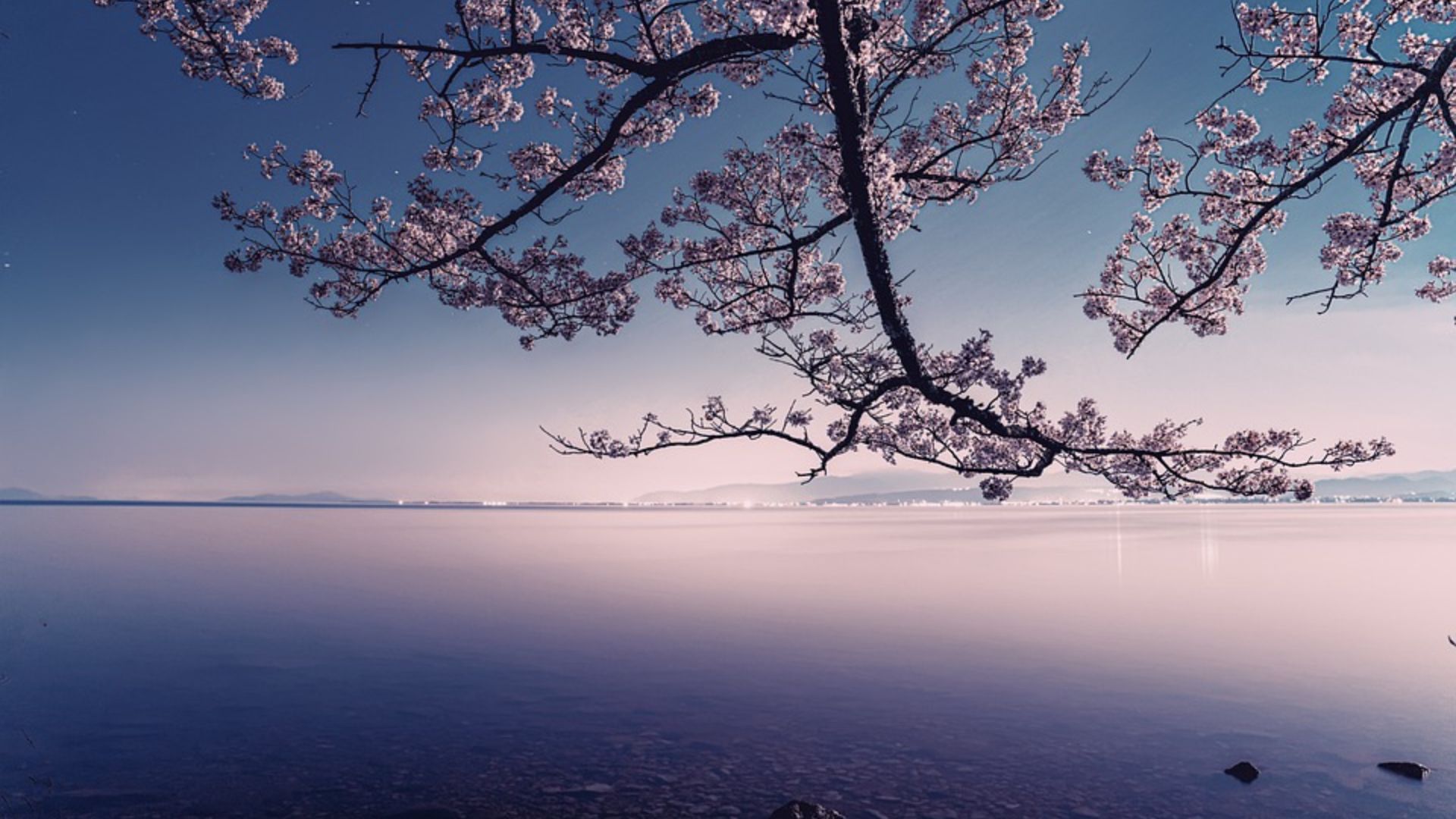
Best of Japan And Korea
9 Days | From $5599
Japan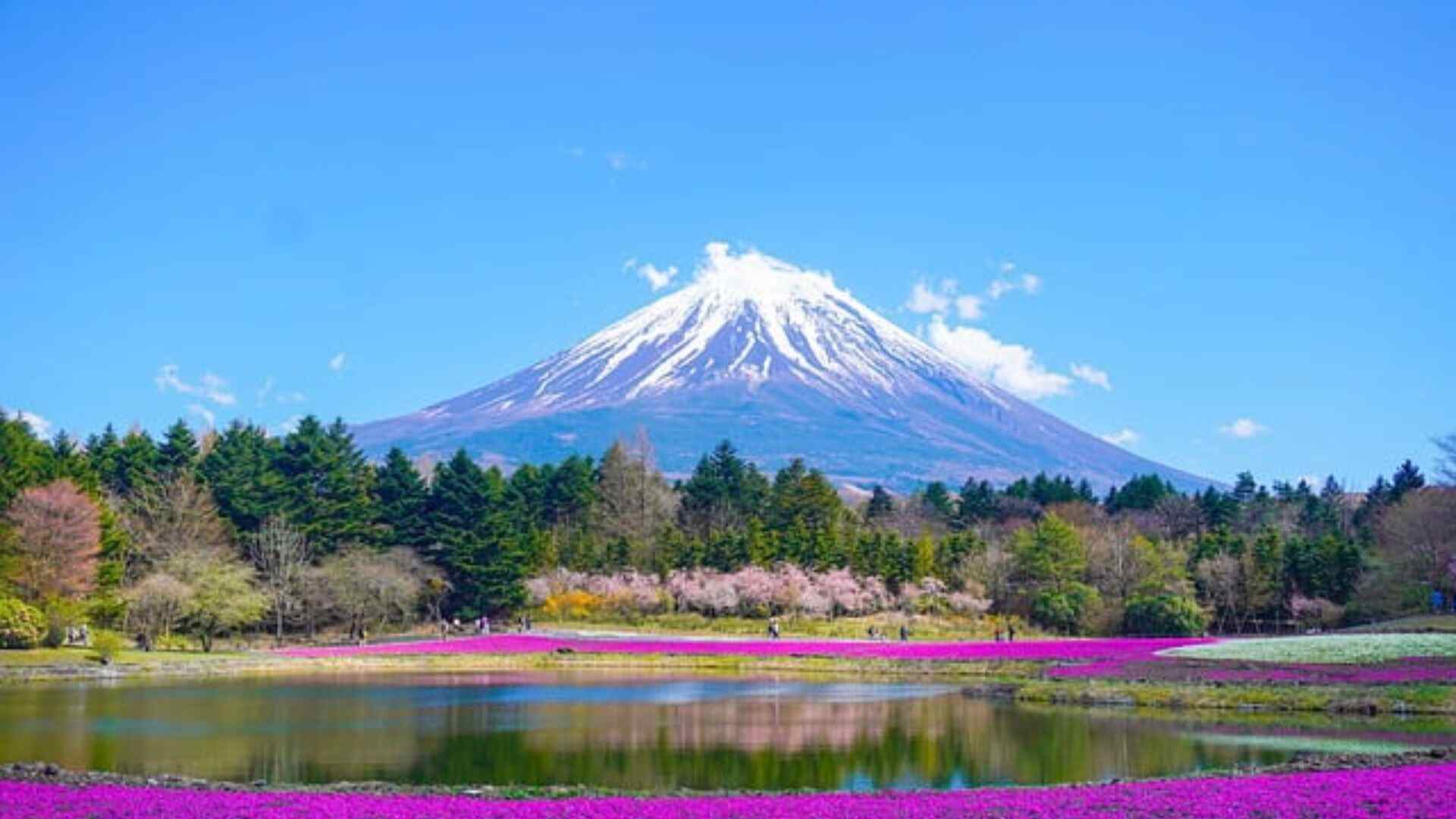
Colors of Japan and the Kumano Kodo Trails
14 Days | From $4799
JapanAccommodation choices for Hakone
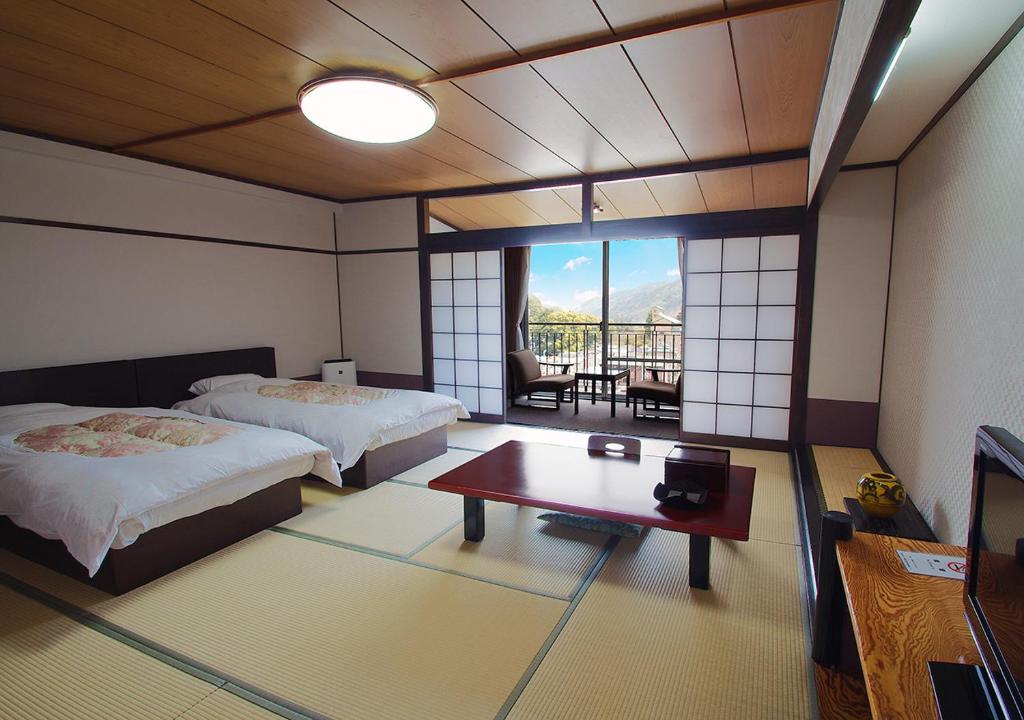
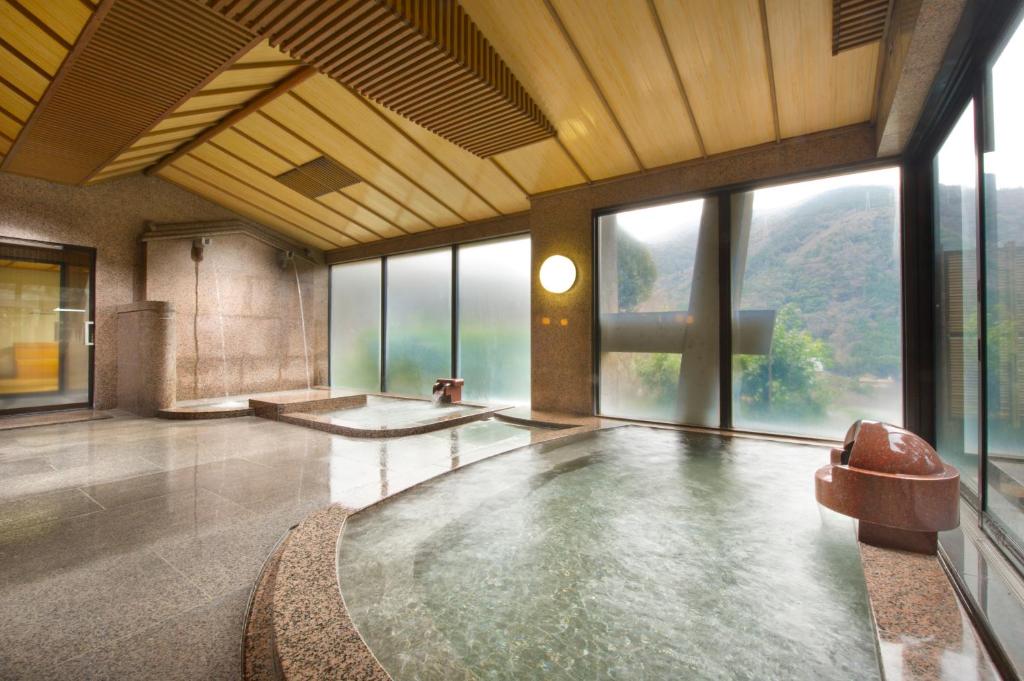
Ryokan Aura Tachibana
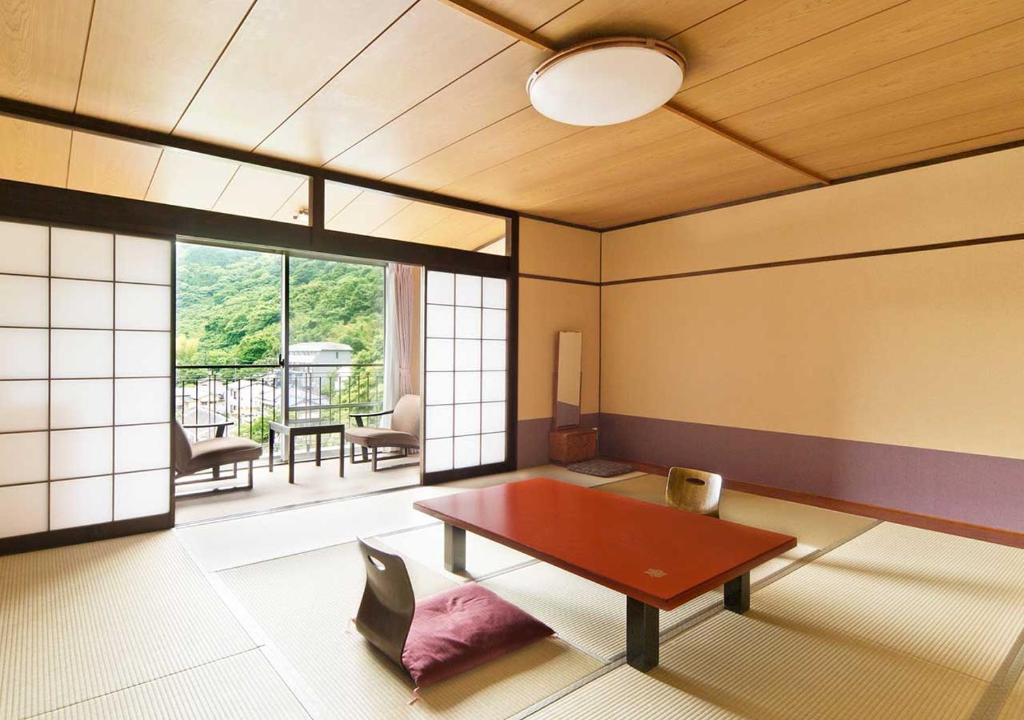
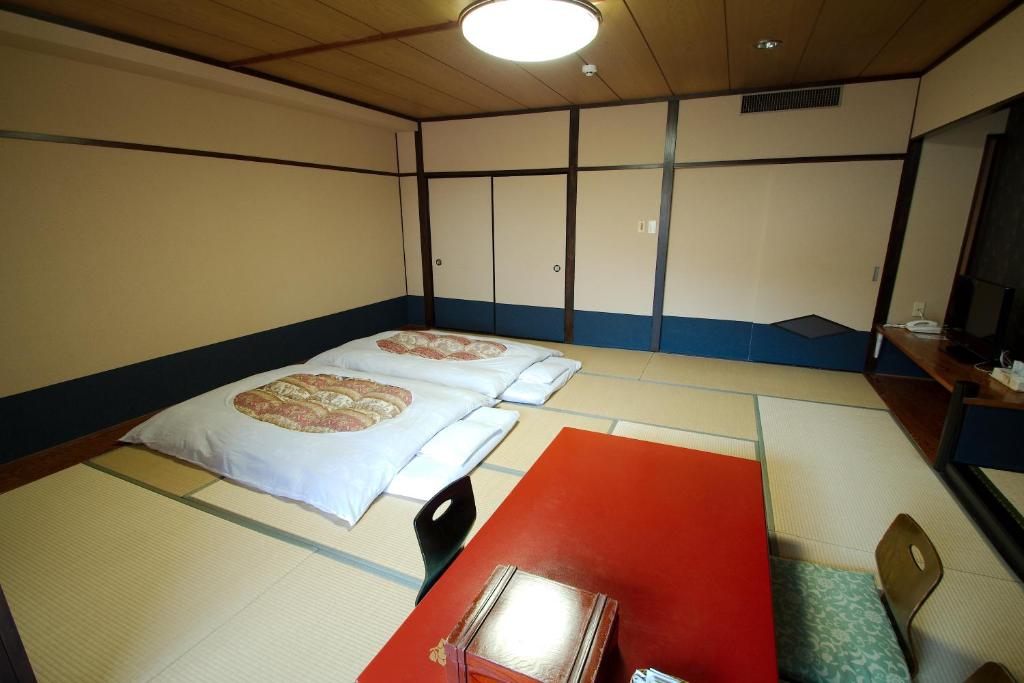
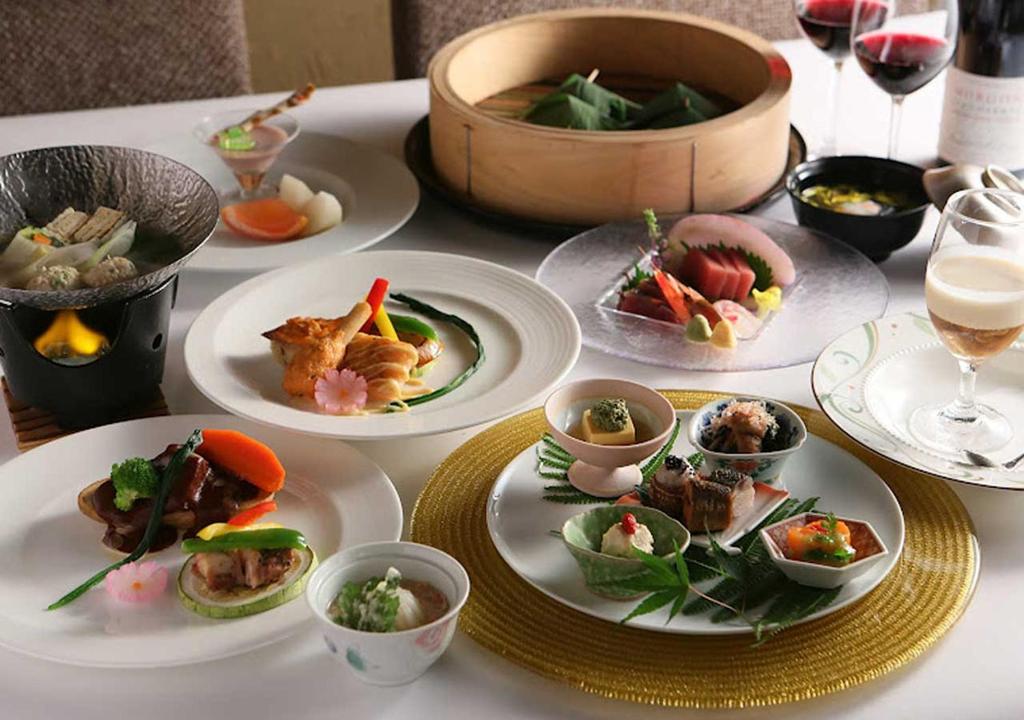
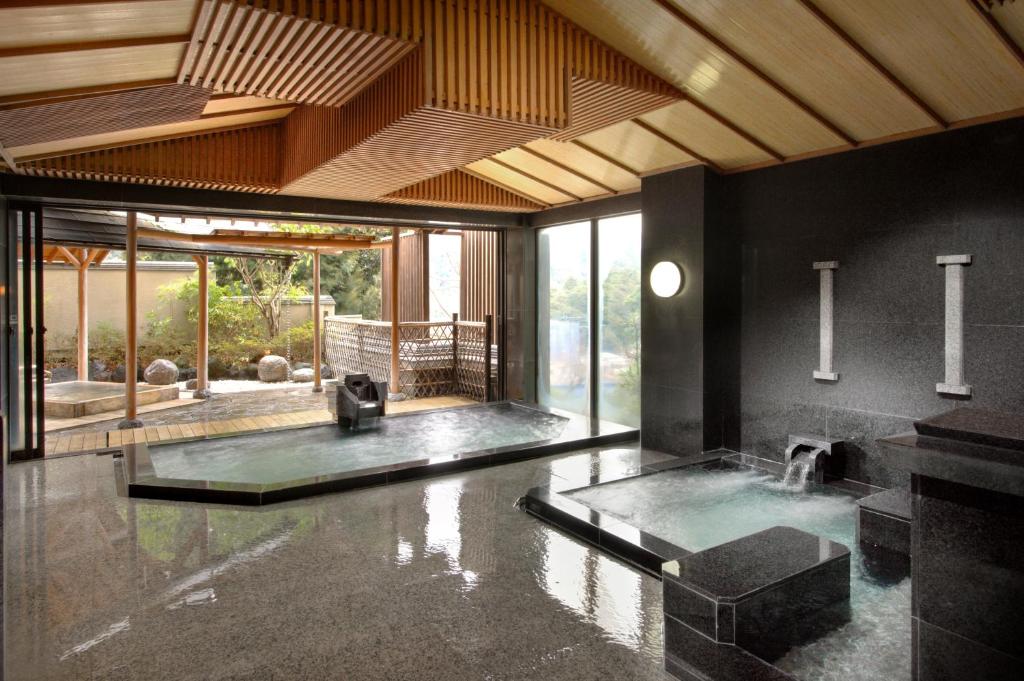
This ryokan features free Wi-Fi in all rooms for easy connection, and car park free of charge. Conveniently situated in the Hakone part of Hakone, this property puts you close to attractions and interesting dining options. Don't leave before paying a visit to the famous The Hakone Open-Air Museum. Rated with 4.5 stars, this high-quality property provides guests with access to massage, restaurant and hot spring bath on-site.
The Prince Hotel Lake Ashinoko
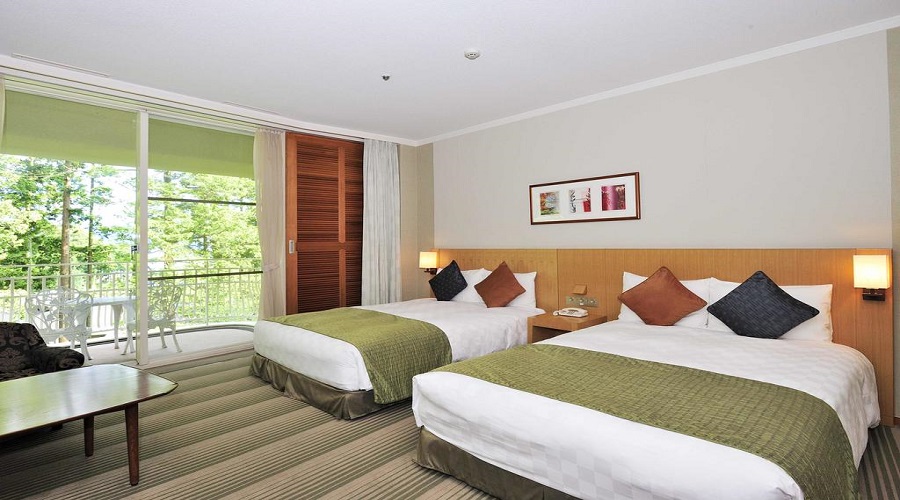
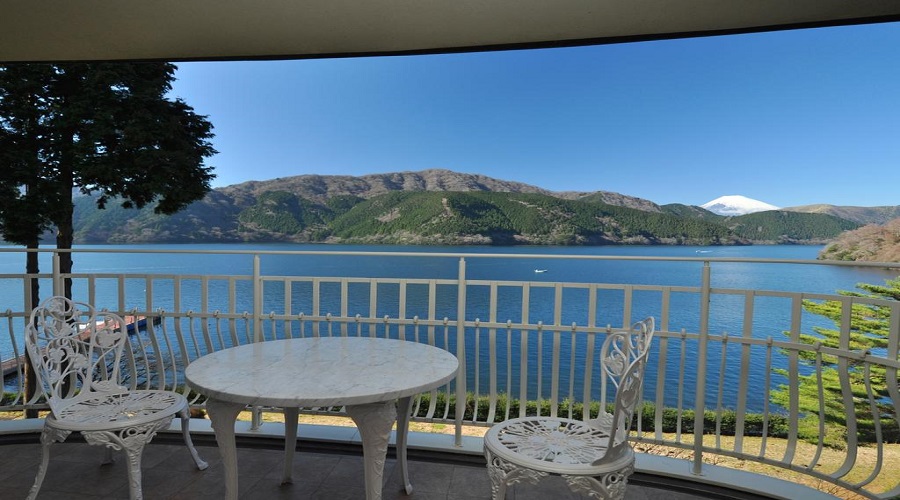
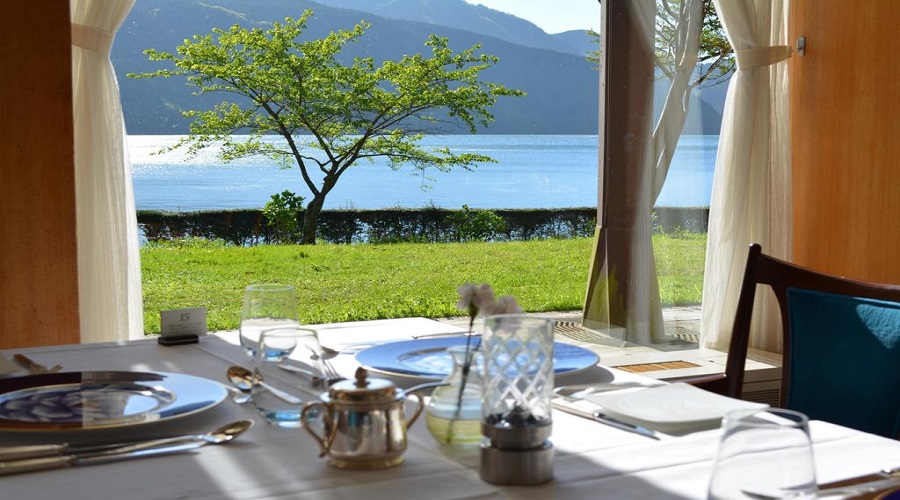
This elegant hotel, set on the shores of Lake Ashi, is a 2-minute walk from the Hakone Komagatake Ropeway station (the aerial tramway that climbs Mount Komagatake), 20 km from Odawara train station and 56 km from Mount Fuji. Refined rooms include free Wi-Fi, flat-screens, minifridges, and tea and coffeemakers. Some feature minibars, CD players and views of Mount Fuji or Lake Ashi. Upgraded suites add whirlpool tubs, living rooms and dining areas. There are 3 restaurants, including a coffeehouse and a posh French eatery. Other amenities are shops, tennis courts and indoor and open-air bathhouses with hot spring water. A spa offers massages.
Yumoto Fujiya Hotel
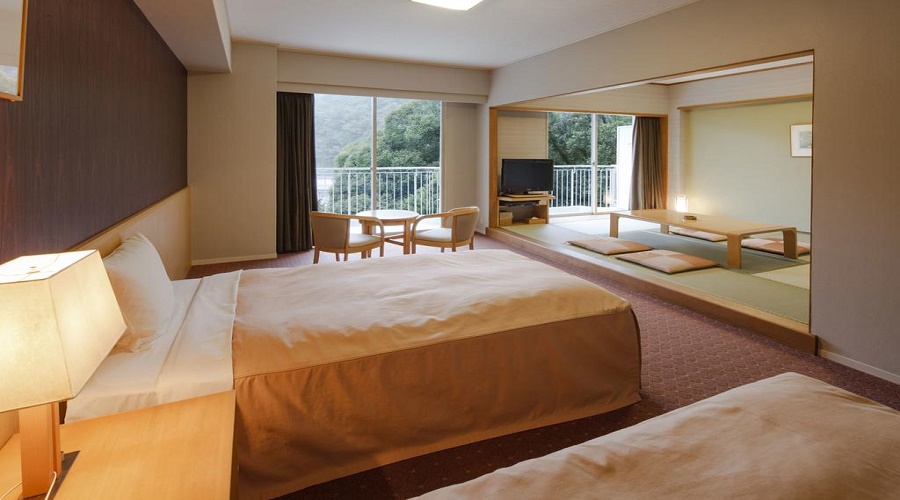
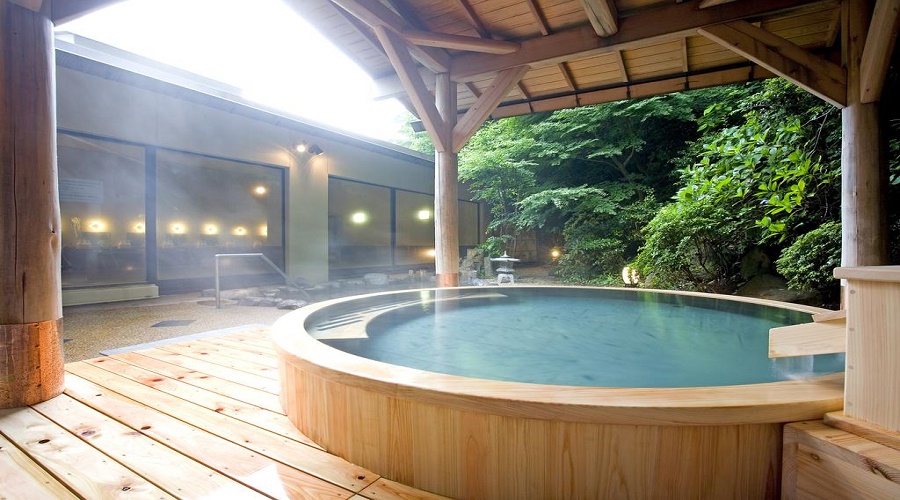
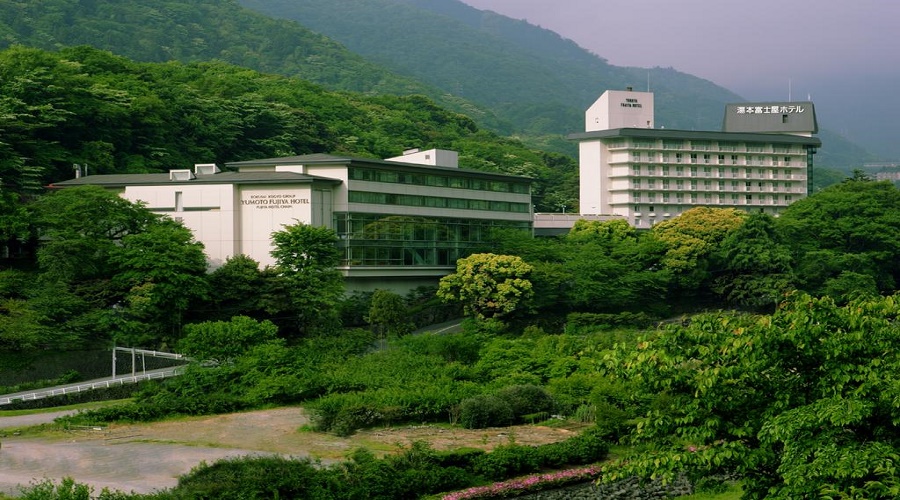
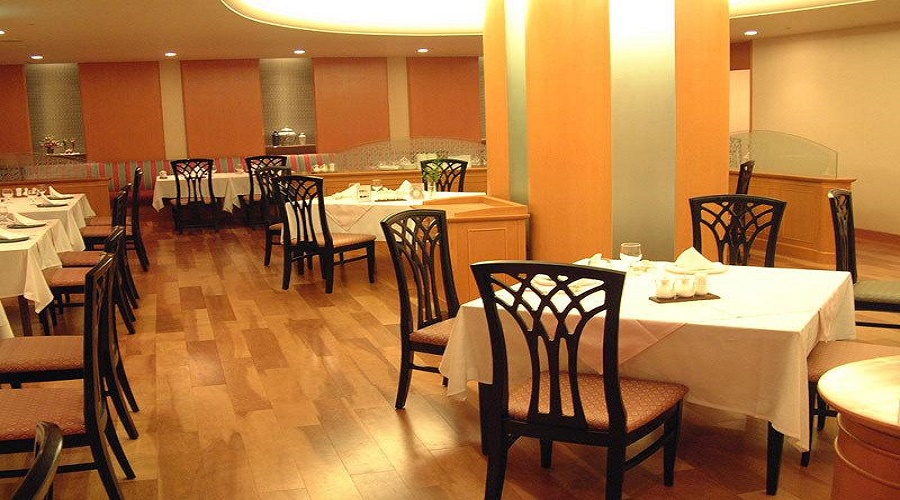
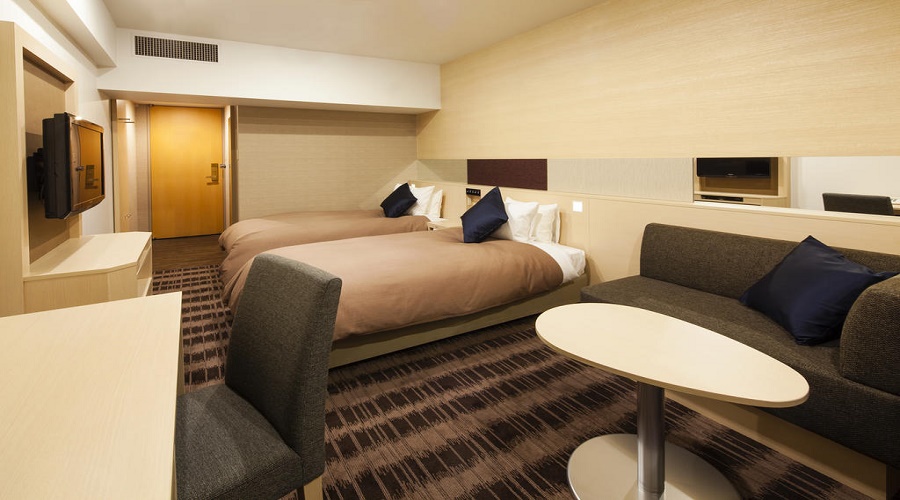
Offering hot-spring baths, reflexology treatments and 4 dining options is Yumoto Fujiya Hotel, a 3-minute walk from Hakone Yumoto Train Station. Rooms include a flat-screen TV, free wired internet and a private bathroom. A seating area, bathtub and electric kettle are provided in each air-conditioned room at Yumoto Fujiya Hotel. In-room massages can be arranged. Lake Ashinoko is 17 km away, and Hakone Museum of Art is a 20-minute drive. Hakone Venetian Glass Museum is 12 km away. A sauna and private hot-spring baths are available. Guests can enjoy mah-jong or karaoke, for a fee. The hotel’s outdoor pool is open for a limited period each summer.
Travel Guide

The Ultimate Guide to Japan’s Hot Springs: A Winter Escape to Onsens in Japan
If you’re planning to experience the best of Japan, consider visiting its famous onsens, or hot springs, for a truly rejuvenating winter retreat. A Japan tour package that includes onsens is a dream for those who love the idea of soaking in natural, mineral-rich waters while surrounded by breathtaking snowy landscapes. December is an ideal

Ultimate Guide to Japan’s Most Famous Attractions and Things to Do
Japan is a country where ancient traditions and cutting-edge modernity exist side by side, making it a fascinating destination for travelers. From serene temples and historical districts to lively street markets and futuristic neighborhoods, there’s an endless array of experiences waiting for visitors. Whether you’re crafting your Japan bucket list or simply seeking fun things
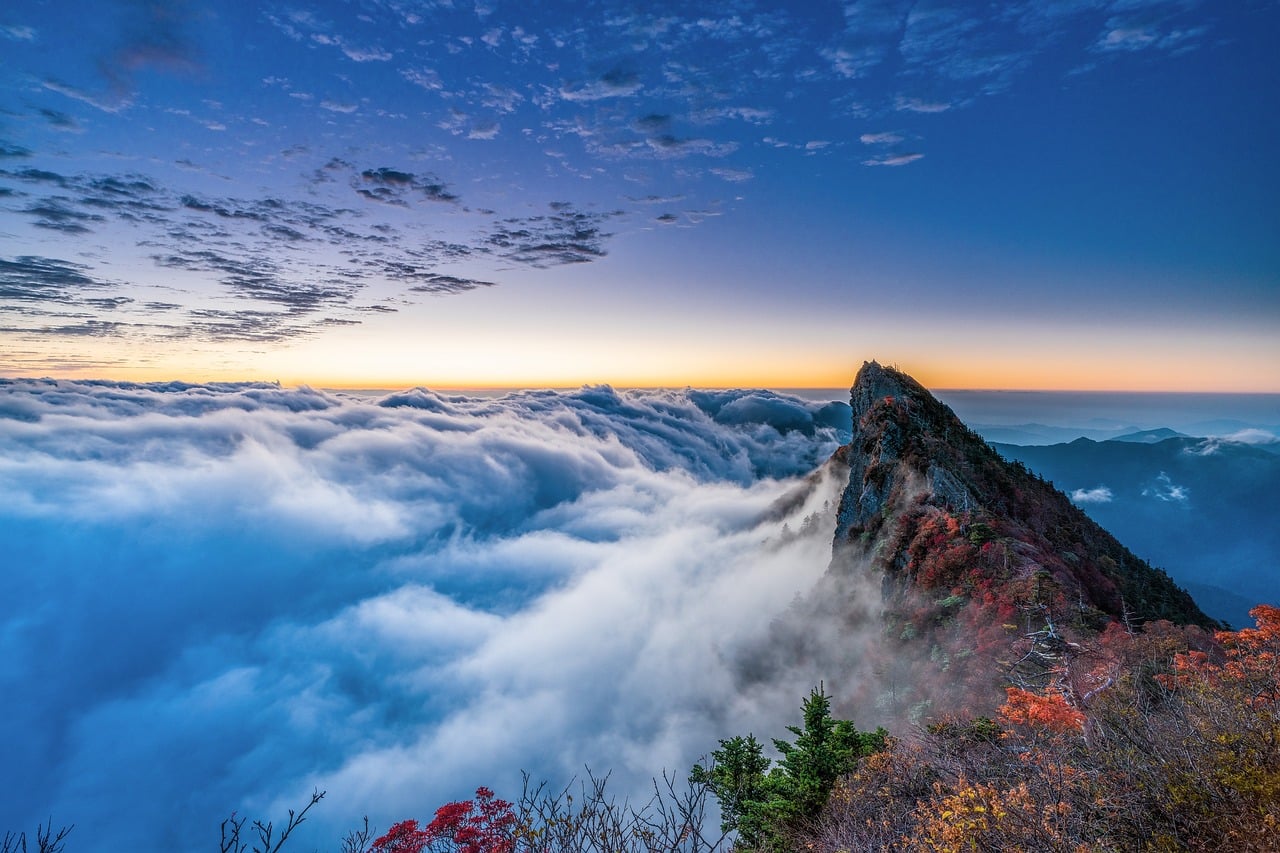
Famous Mountains of Japan: Exploring Sacred Peaks and Spiritual Journeys
Introduction Japan’s landscape is blessed with awe-inspiring mountains that not only shape its physical terrain but also play a pivotal role in its spiritual and cultural identity. For centuries, these mountains have been revered as sacred spaces where the human spirit connects with nature and the divine. This tradition, known as Shugendo, combines elements of