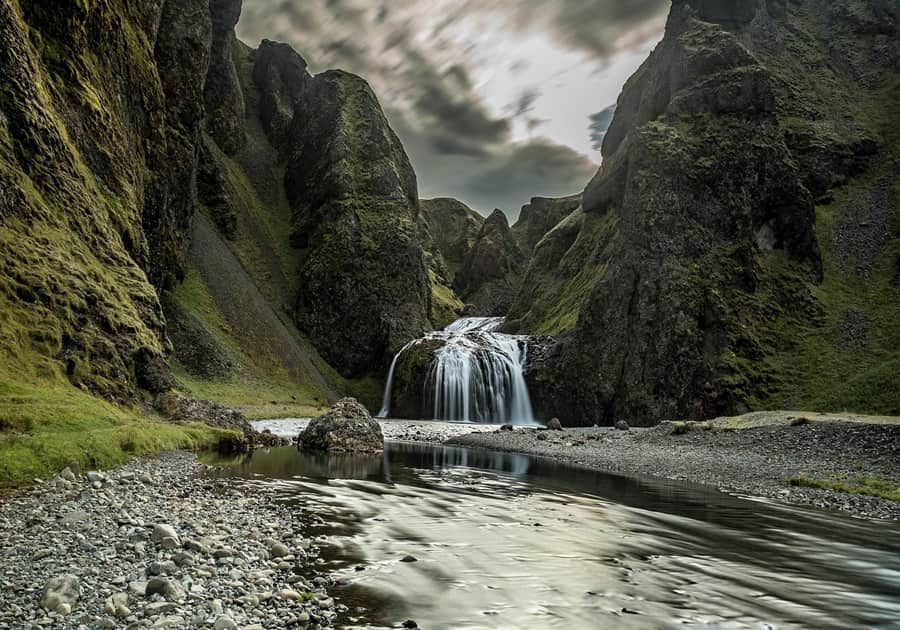

IcelandBest Time to Visit
January - EMBRACE THE WINTER WONDERLAND OF ICELAND
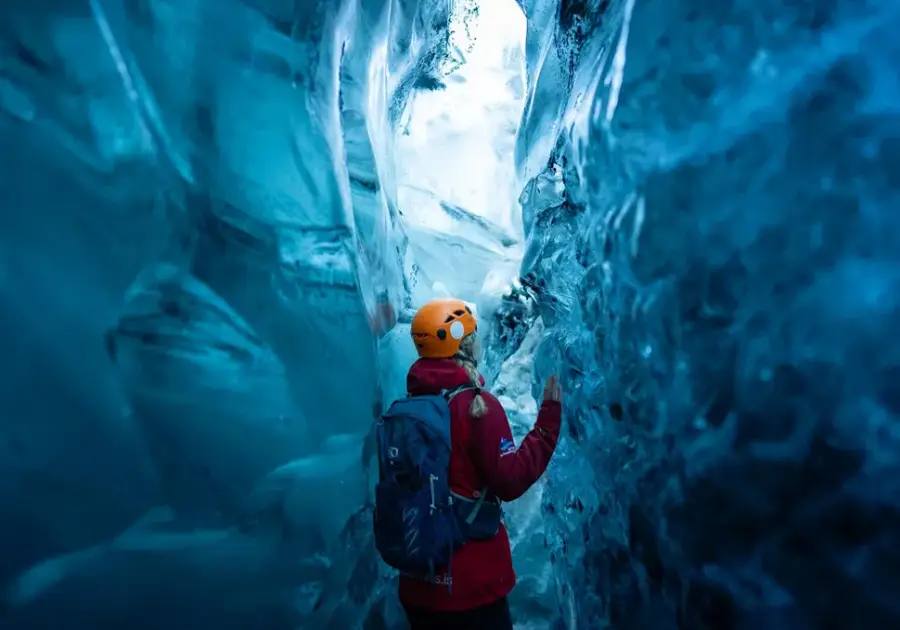
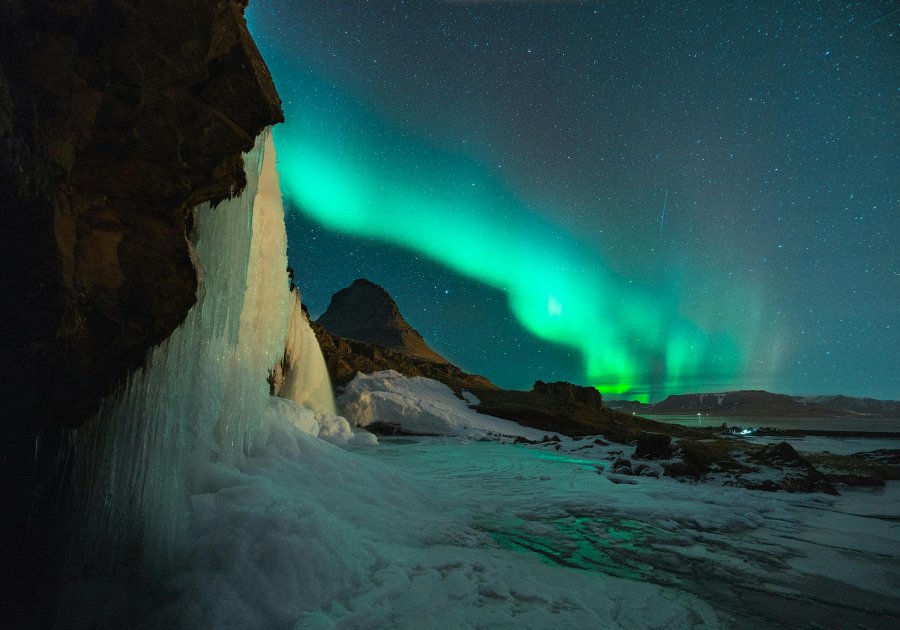
January transforms Iceland into a magical winter paradise, perfect for chasing the northern lights due to long, dark nights. The snow-covered landscapes are ideal for glacier hiking, snowmobiling, or soaking in geothermal hot springs like the Blue Lagoon. Reykjavik hosts the Dark Music Days festival, showcasing contemporary Icelandic music. Explore the South Coast’s frozen waterfalls, such as Seljalandsfoss, or visit ice caves in Vatnajökull National Park. Key destinations include Reykjavik, the South Coast, and Skaftafell. Weather in Iceland in January is cold, with temperatures ranging from -3°C to 3°C (27°F to 37°F), making it one of the best times to visit Iceland for winter adventures and aurora viewing.
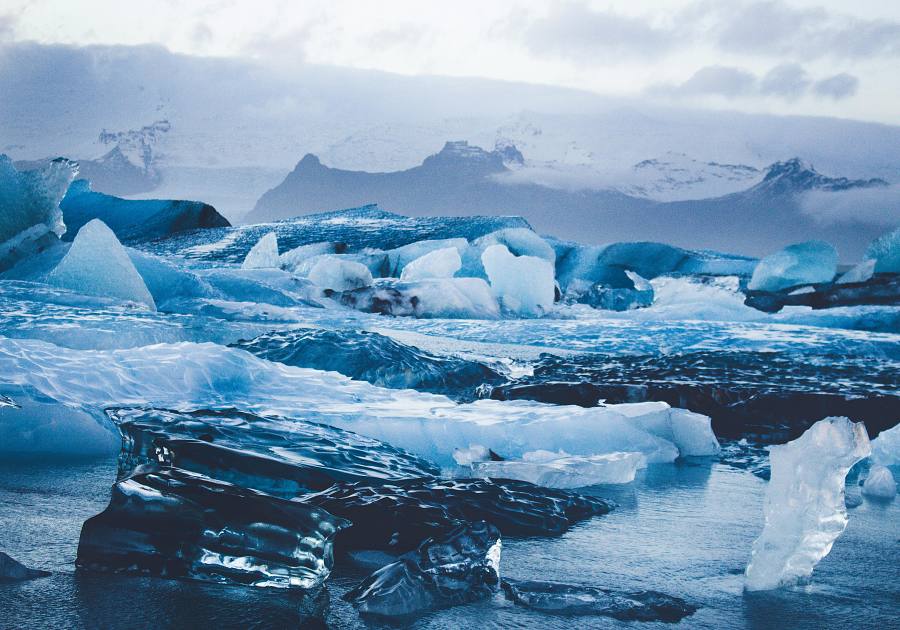
February - CHASE THE NORTHERN LIGHTS IN ICELAND
February offers crisp, clear skies, ideal for northern lights hunting, with fewer tourists than peak winter months. The Winter Lights Festival in Reykjavik illuminates the city with art installations and cultural events. It’s a great time for skiing in North Iceland’s Akureyri or exploring the East Fjords’ dramatic landscapes. Visit Thingvellir National Park for a snowy Silfra snorkeling experience or relax in the Secret Lagoon. Recommended destinations include Reykjavik, Akureyri, and Seydisfjordur. Weather in Iceland in February is cold but slightly milder, with temperatures between -2°C and 4°C (28°F to 39°F), making it a prime time for winter activities.
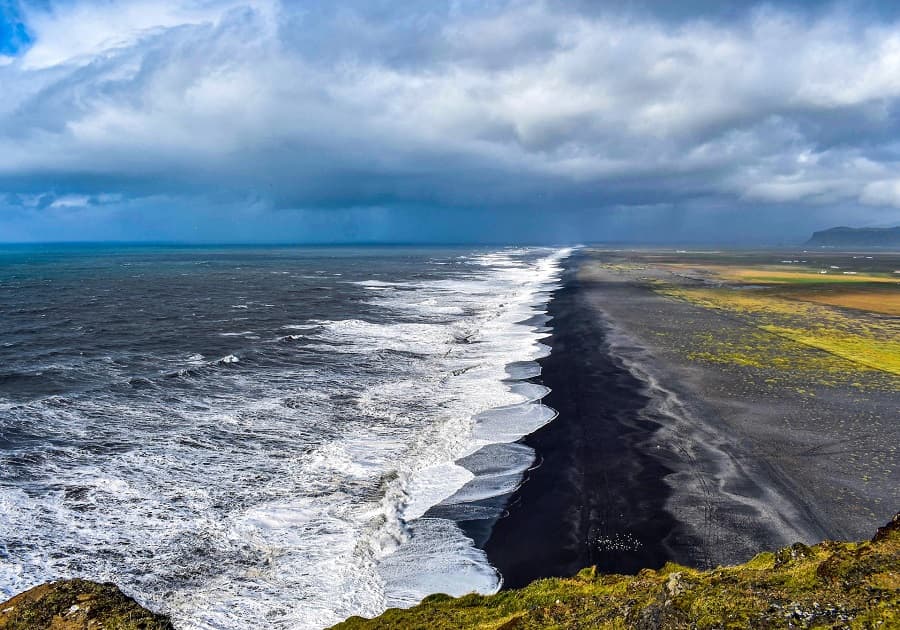
March - WITNESS ICELAND’S AWAKENING SPRING
March marks the transition to spring, with longer daylight hours for exploring Iceland’s natural wonders. The northern lights are still visible early in the month, while the countryside begins to thaw, revealing vibrant moss-covered lava fields. Reykjavik hosts the Iceland Airwaves music festival, attracting global artists. It’s a great time for whale watching in Husavik or hiking in the Westfjords. Visit Skogafoss waterfall or the black sand beaches of Reynisfjara. Key destinations include Husavik, Isafjordur, and Vík. Weather in Iceland in March ranges from 0°C to 5°C (32°F to 41°F), offering a balance of winter and spring experiences.
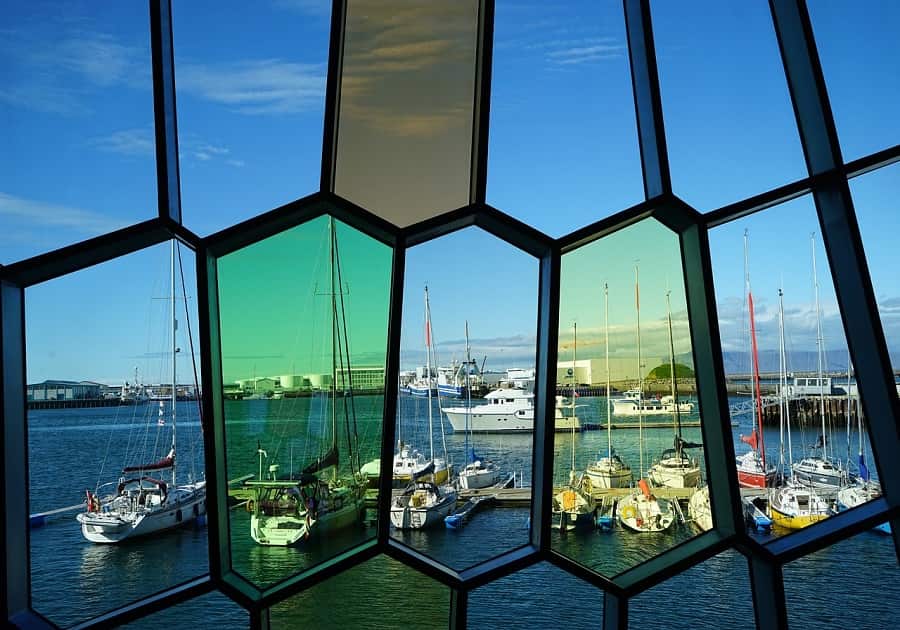
April - EXPLORE ICELAND’S BLOOMING LANDSCAPES
April brings milder weather and blooming wildflowers, making it ideal for outdoor adventures. The days grow longer, perfect for road trips along the Ring Road or exploring the Golden Circle’s Geysir, Gullfoss, and Thingvellir. Puffin colonies start arriving on the Westman Islands, delighting birdwatchers. Reykjavik’s cultural scene thrives with the Children’s Culture Festival. Visit the Snaefellsnes Peninsula for dramatic cliffs and volcanic craters. Recommended destinations include Vestmannaeyjar, Reykjavik, and Arnarstapi. Weather in Iceland in April ranges from 2°C to 7°C (36°F to 45°F), making it a great time for sightseeing.
May - ENJOY ICELAND’S MIDNIGHT SUN BEGINNINGS
May offers nearly 20 hours of daylight, ideal for exploring Iceland’s diverse landscapes. The countryside bursts with green hues, and waterfalls like Dynjandi in the Westfjords are at their peak. It’s a fantastic time for hiking in Landmannalaugar’s colorful rhyolite mountains or visiting the puffin-filled cliffs of Látrabjarg. Reykjavik hosts the Arts Festival, showcasing Icelandic creativity. Key destinations include the Westfjords, Reykjavik, and the East Fjords. Weather in Iceland in May is mild, with temperatures between 4°C and 10°C (39°F to 50°F), perfect for outdoor explorations.
June - CELEBRATE ICELAND’S SUMMER SOLSTICE
June marks the start of Iceland’s summer, with 24-hour daylight during the midnight sun. The Summer Solstice Festival in Reykjavik features music, bonfires, and cultural events. It’s the best time for hiking in Hornstrandir Nature Reserve or exploring the volcanic landscapes of the Highlands. Whale watching tours in Husavik thrive, and puffins are in full swing. Visit Seydisfjordur for its charming village vibes or Jökulsárlón Glacier Lagoon for iceberg-filled waters. Weather in Iceland in June ranges from 7°C to 13°C (45°F to 55°F), ideal for long days of sightseeing.
July - DIVE INTO ICELAND’S PEAK SUMMER ADVENTURES
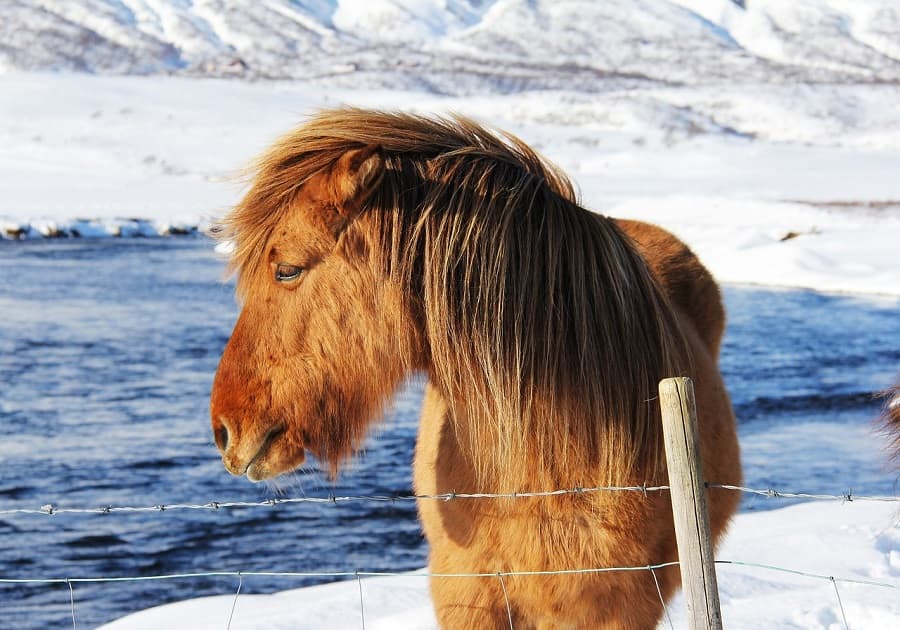
July is Iceland’s warmest month, perfect for outdoor activities like horseback riding, kayaking, or camping. The Ring Road is fully accessible, making it ideal for a road trip to remote areas like the East Fjords or North Iceland’s Dettifoss, Europe’s most powerful waterfall. Reykjavik’s Folk Festival celebrates traditional music and dance. Visit the Blue Lagoon or explore the lava fields of Krafla. Key destinations include Akureyri, Seydisfjordur, and Vík. Weather in Iceland in July ranges from 9°C to 15°C (48°F to 59°F), making it one of the best times to visit Iceland for summer adventures.
August - EXPERIENCE ICELAND’S CULTURAL HIGHS
August combines warm weather with vibrant festivals, such as Reykjavik’s Culture Night, featuring concerts, art, and fireworks. It’s a great time for hiking in Thorsmork’s lush valleys or exploring the black sand beaches of the South Coast. Puffins are still visible early in the month, and whale watching remains excellent. Visit Skaftafell for glacier hikes or the Westman Islands for volcanic landscapes. Weather in Iceland in August is pleasant, with temperatures between 8°C and 14°C (46°F to 57°F), ideal for cultural and outdoor experiences.
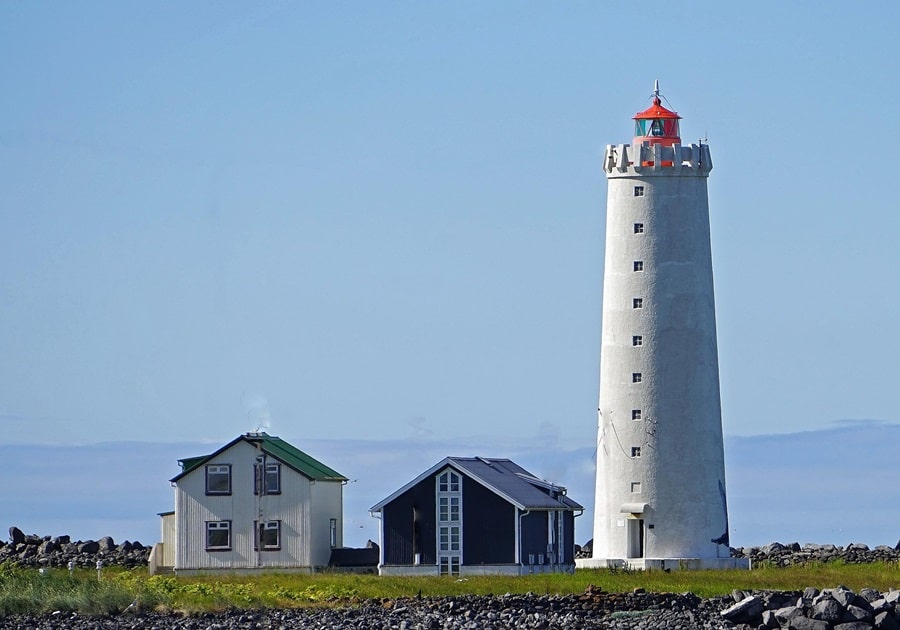
September - CAPTURE ICELAND’S AUTUMN COLORS
September brings cooler temperatures and the first glimpses of the northern lights. The landscapes glow with autumnal hues, perfect for photography in places like Hraunfossar’s cascading waterfalls or the Highlands’ rugged terrains. Reykjavik’s International Film Festival attracts global cinema lovers. It’s also a great time for off-road adventures in the Westfjords. Key destinations include Borgarnes, Isafjordur, and Reykjavik. Weather in Iceland in September ranges from 5°C to 11°C (41°F to 52°F), offering a mix of summer and autumn vibes.
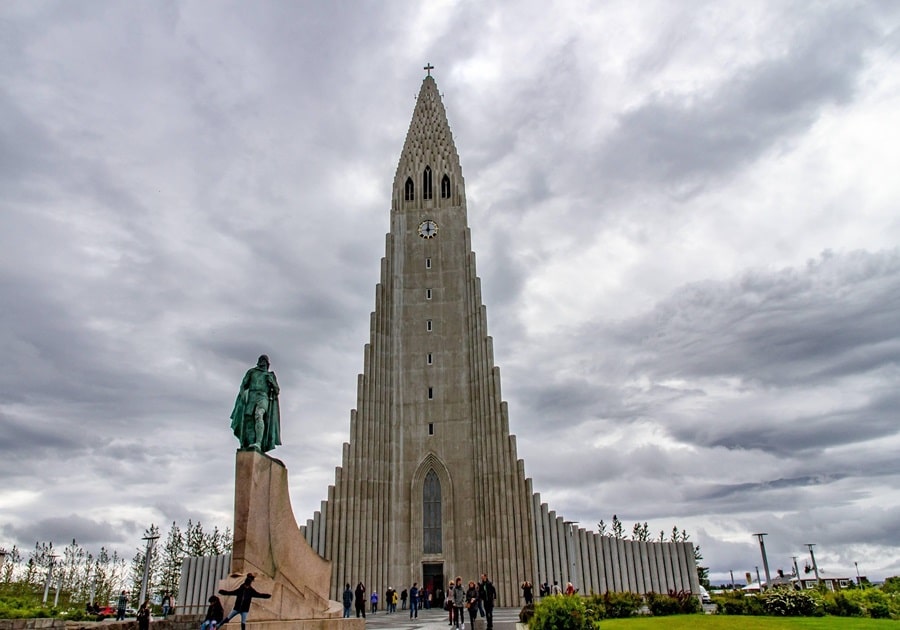
October - HUNT FOR THE NORTHERN LIGHTS IN AUTUMN
October’s darker skies make it prime time for northern lights viewing, while mild weather allows for comfortable exploration. The Iceland Airwaves music festival in Reykjavik showcases international and local talent. Visit the South Coast’s Reynisfjara beach or hike in Skaftafell for stunning fall scenery. Horseback riding in the countryside is a unique experience. Recommended destinations include Reykjavik, Vík, and Hella. Weather in Iceland in October ranges from 2°C to 8°C (36°F to 46°F), perfect for aurora chasers.
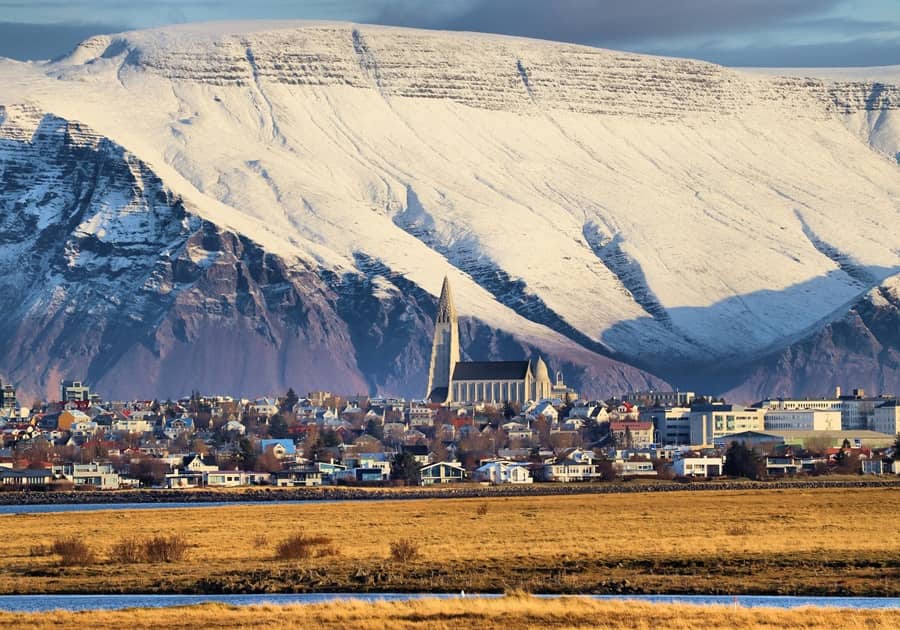
November - DISCOVER ICELAND’S COZY WINTER CHARM
November brings shorter days and a cozy atmosphere, ideal for soaking in hot springs or exploring Reykjavik’s vibrant café scene. The northern lights are increasingly visible, and ice cave tours in Vatnajökull resume. Reykjavik hosts the Iceland Noir literary festival for crime fiction fans. Visit the Golden Circle or relax in the Krauma geothermal baths. Key destinations include Reykjavik, Skaftafell, and Deildartunguhver. Weather in Iceland in November is chilly, with temperatures from 0°C to 5°C (32°F to 41°F), great for winter enthusiasts.
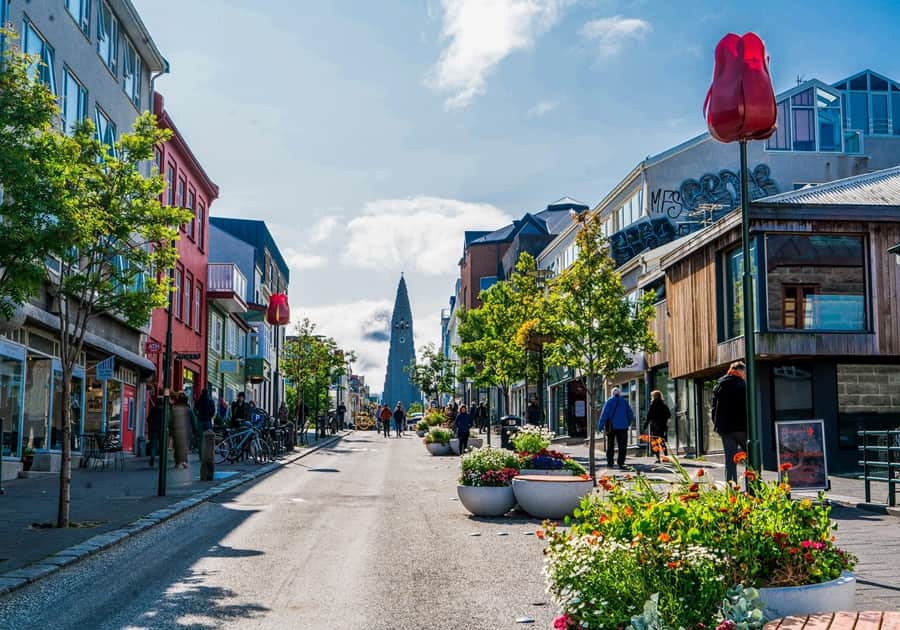
December - CELEBRATE ICELAND’S FESTIVE SEASON
December is a magical time in Iceland, with festive markets, Christmas lights, and New Year’s Eve fireworks in Reykjavik. The northern lights shine brightly, and snow blankets the landscapes, perfect for glacier tours or dog sledding. Visit the Yule Lads in Dimmuborgir or enjoy a geothermal spa day. Key destinations include Reykjavik, Akureyri, and the South Coast. Weather in Iceland in December ranges from -2°C to 4°C (28°F to 39°F), making it a festive and aurora-filled time to visit.