
BoliviaBest Time to Visit
January - Rainy Season’s Lush Awakening
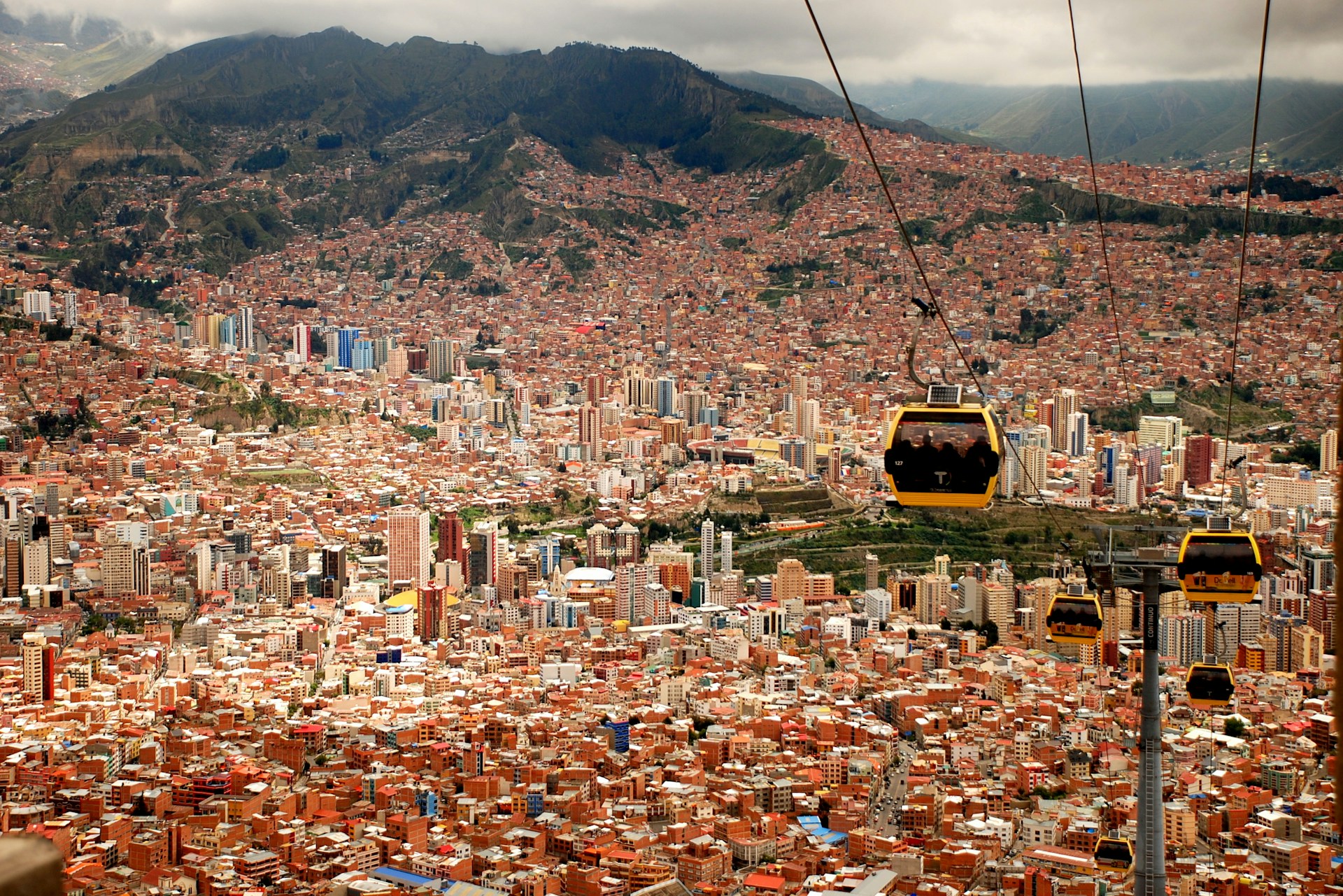
January drapes Bolivia in a verdant cloak as the rainy season breathes life into its landscapes. The Amazon Basin, including Rurrenabaque, bursts with lush greenery, perfect for jungle treks and wildlife spotting. La Paz’s vibrant markets hum with energy, while the Uyuni Salt Flats shimmer with reflective pools, creating surreal vistas. Key destinations include Rurrenabaque, La Paz, Uyuni, and Madidi National Park. Weather in Bolivia in January is warm and wet in the lowlands, cooler in the highlands, making it a magical time for those wondering when is the best time to visit Bolivia for lush jungle adventures.
February - Carnival’s Colorful Revelry
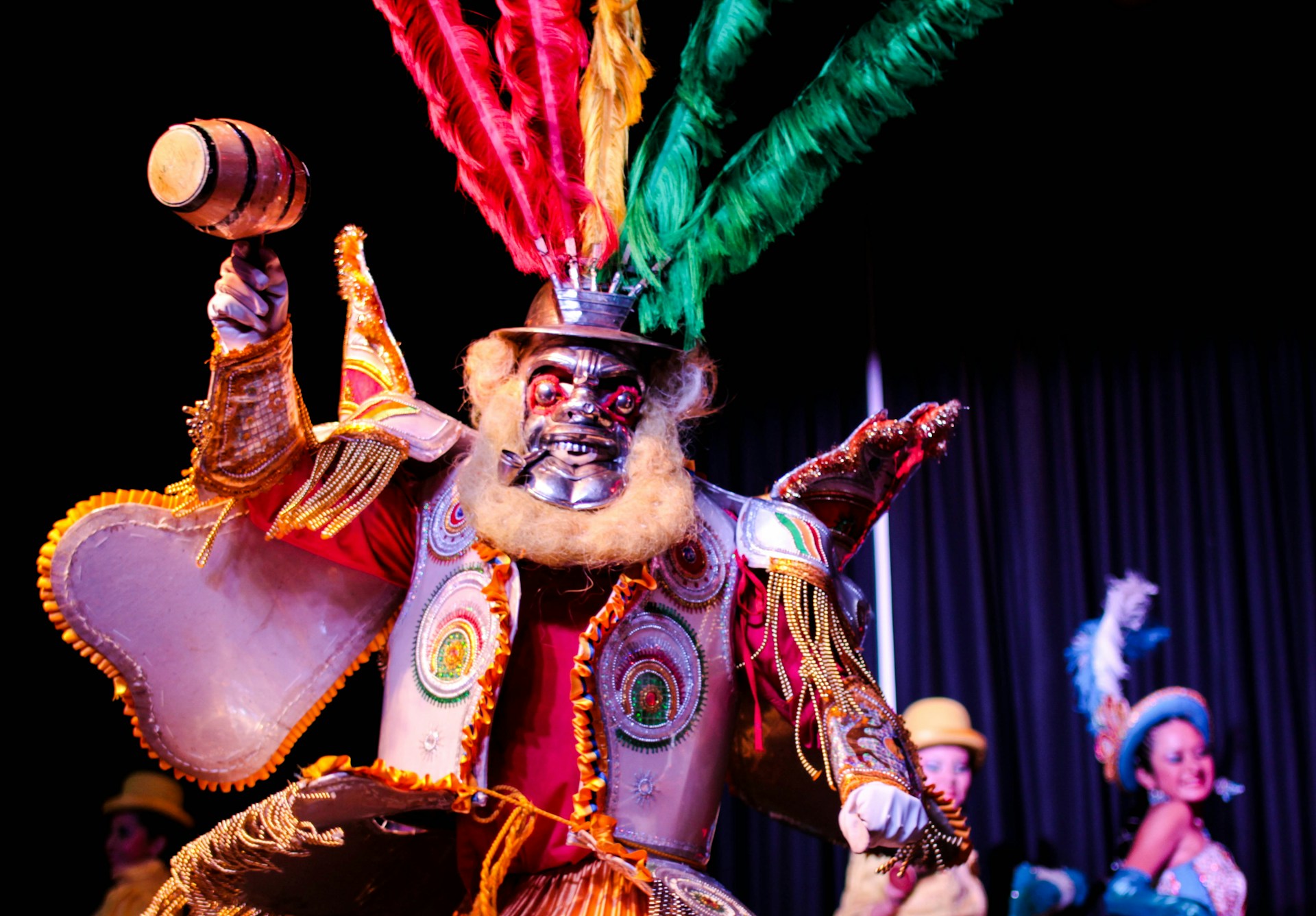
February ignites Bolivia with the exuberant Oruro Carnival, a UNESCO-recognized festival of dazzling costumes and spirited dances. The Uyuni Salt Flats continue to mirror the sky, offering otherworldly photography opportunities. Sucre’s colonial charm shines under rainy skies, perfect for museum hopping. The Amazon’s swollen rivers invite thrilling boat tours. Suggested places include Oruro, Uyuni, Sucre, and Rurrenabaque. Weather in Bolivia in February is warm and rainy, making it one of the best times of year to visit Bolivia for vibrant festivals and reflective salt flats.
March - Rainy Season’s Verdant Finale
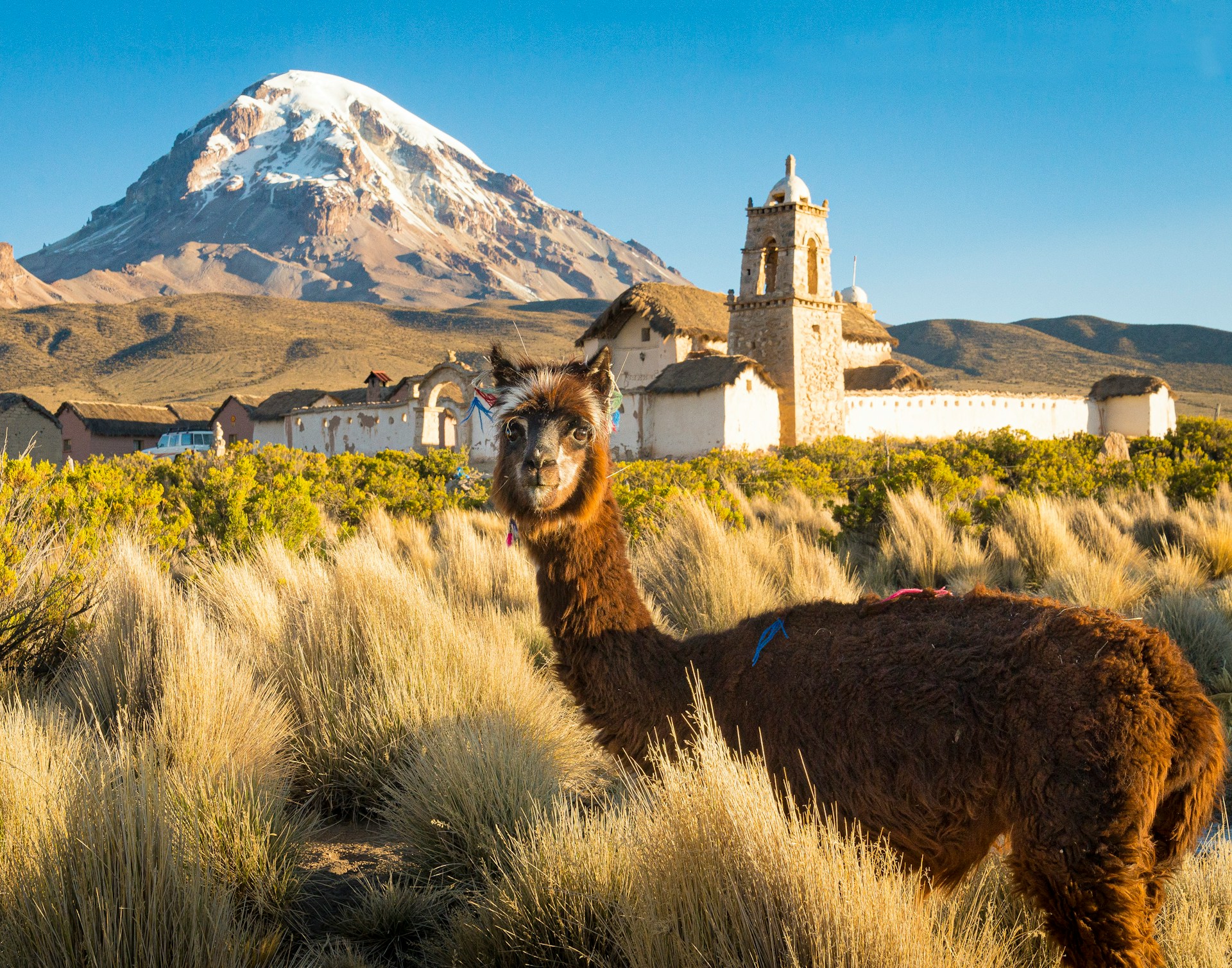
March marks the tail end of the rainy season, with Bolivia’s landscapes at their greenest. The Noel Kempff Mercado National Park teems with wildlife, ideal for eco-adventures. La Paz’s highland trails offer misty hikes, while Potosí’s historic mines provide a cultural deep dive. Lake Titicaca’s islands glow with lush scenery. Key destinations include Noel Kempff, La Paz, Potosí, and Lake Titicaca. Weather in Bolivia in March is wet yet vibrant, perfect for explorers seeking the best season to visit Bolivia’s jungles and highlands.
April - Transition to Dry Season Bliss
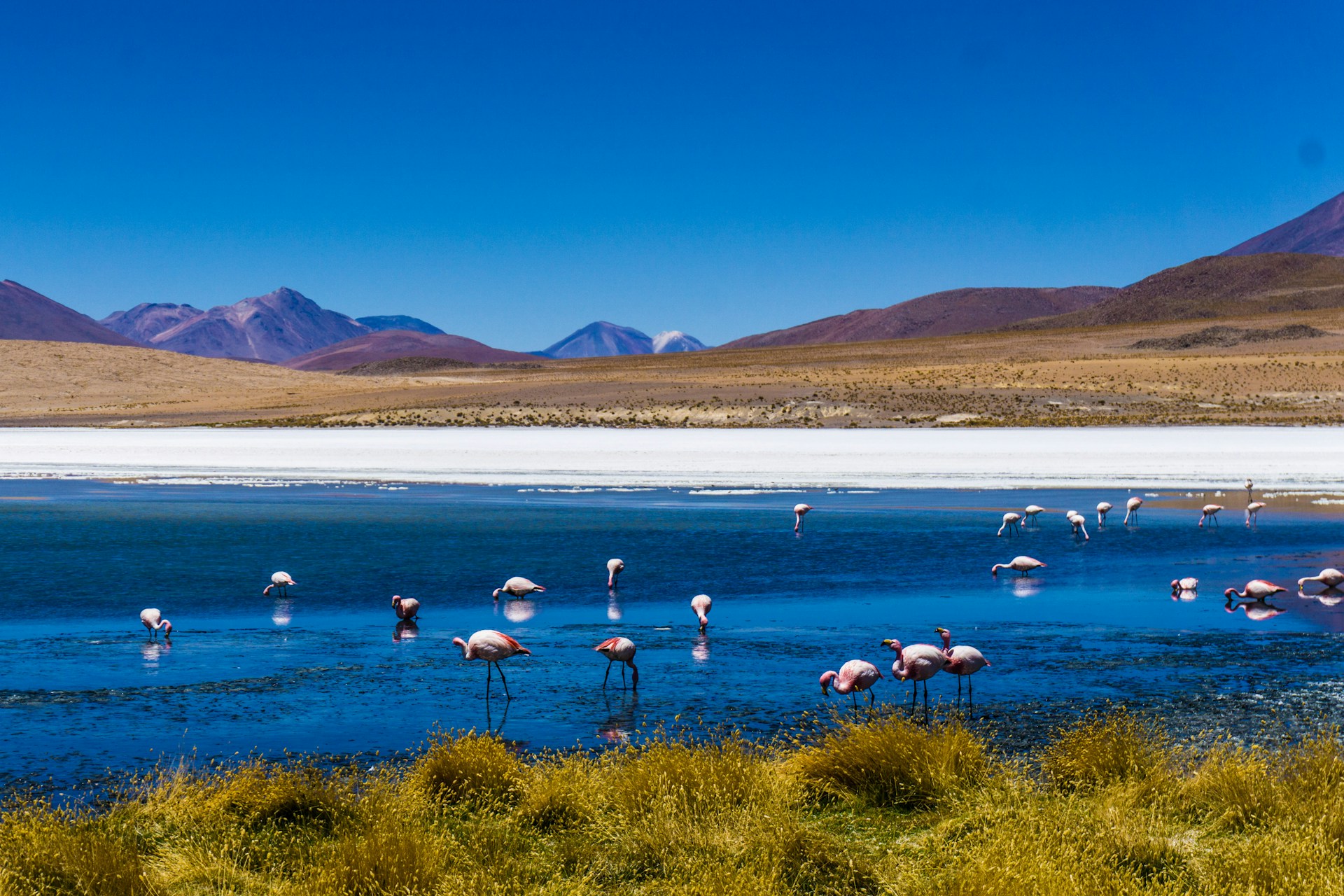
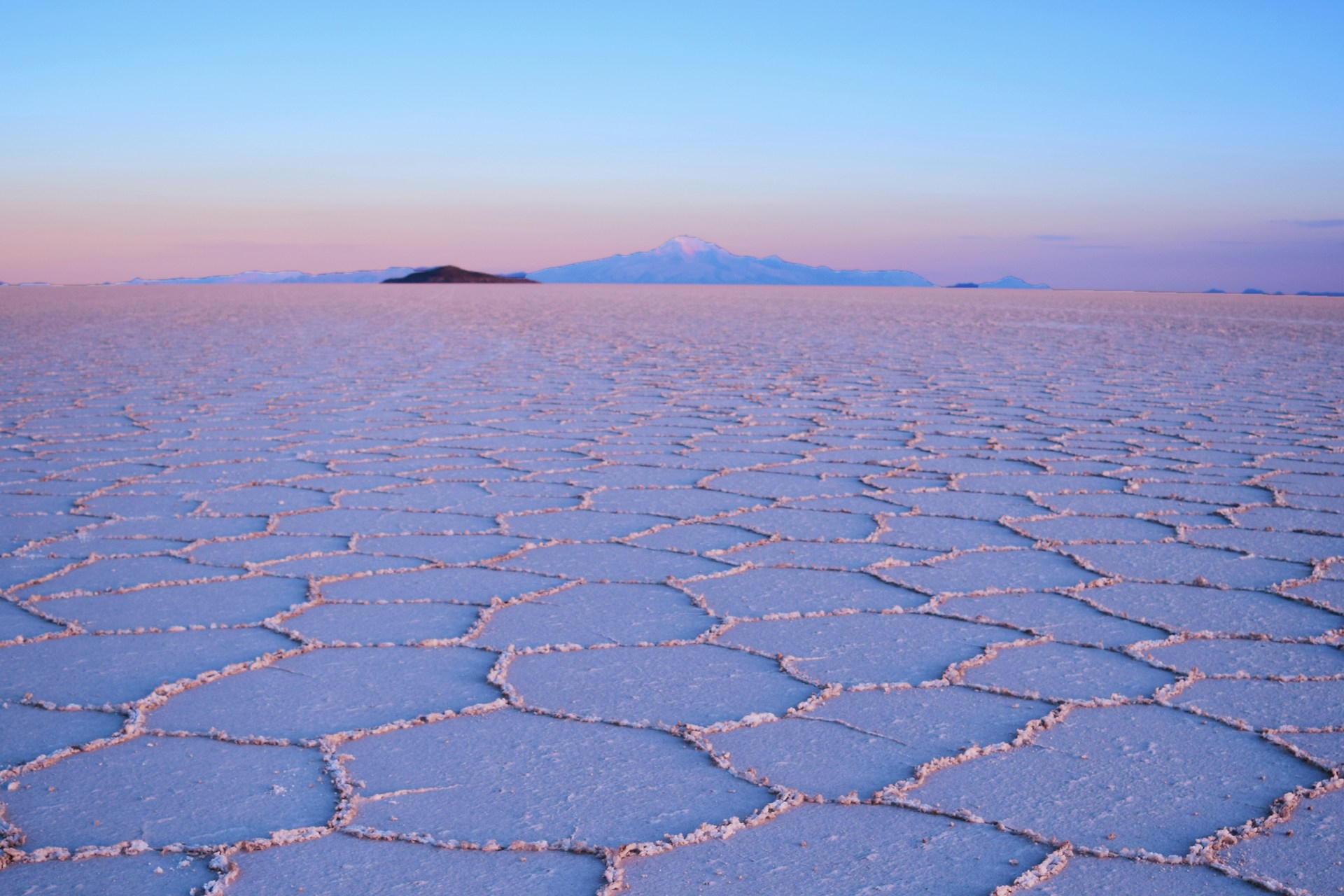
April ushers in the transition to Bolivia’s dry season, with clearer skies and blooming landscapes. The Uyuni Salt Flats begin to dry, revealing their iconic hexagonal patterns. Cochabamba’s fertile valleys burst with flowers, ideal for leisurely strolls. The Toro Toro National Park offers dramatic caves and fossil trails. Visit Uyuni, Cochabamba, Toro Toro, and Copacabana. Weather in Bolivia in April is mild and increasingly dry, a splendid time for those wondering when is the best time to visit Bolivia for diverse landscapes.
May - Dry Season’s Golden Adventures
May unveils Bolivia’s crisp, clear landscapes, with sunny days perfect for exploration. The Salar de Uyuni dazzles with its vast, white expanse, ideal for stargazing and off-road tours. La Paz’s vibrant streets host cultural festivals, while the Yungas Valley offers lush biking trails. Key places include Uyuni, La Paz, Yungas, and Santa Cruz. Weather in Bolivia in May is warm and dry, making it the best time to visit Bolivia for outdoor adventures and clear vistas.
June - Andean Sunshine and Cultural Gems
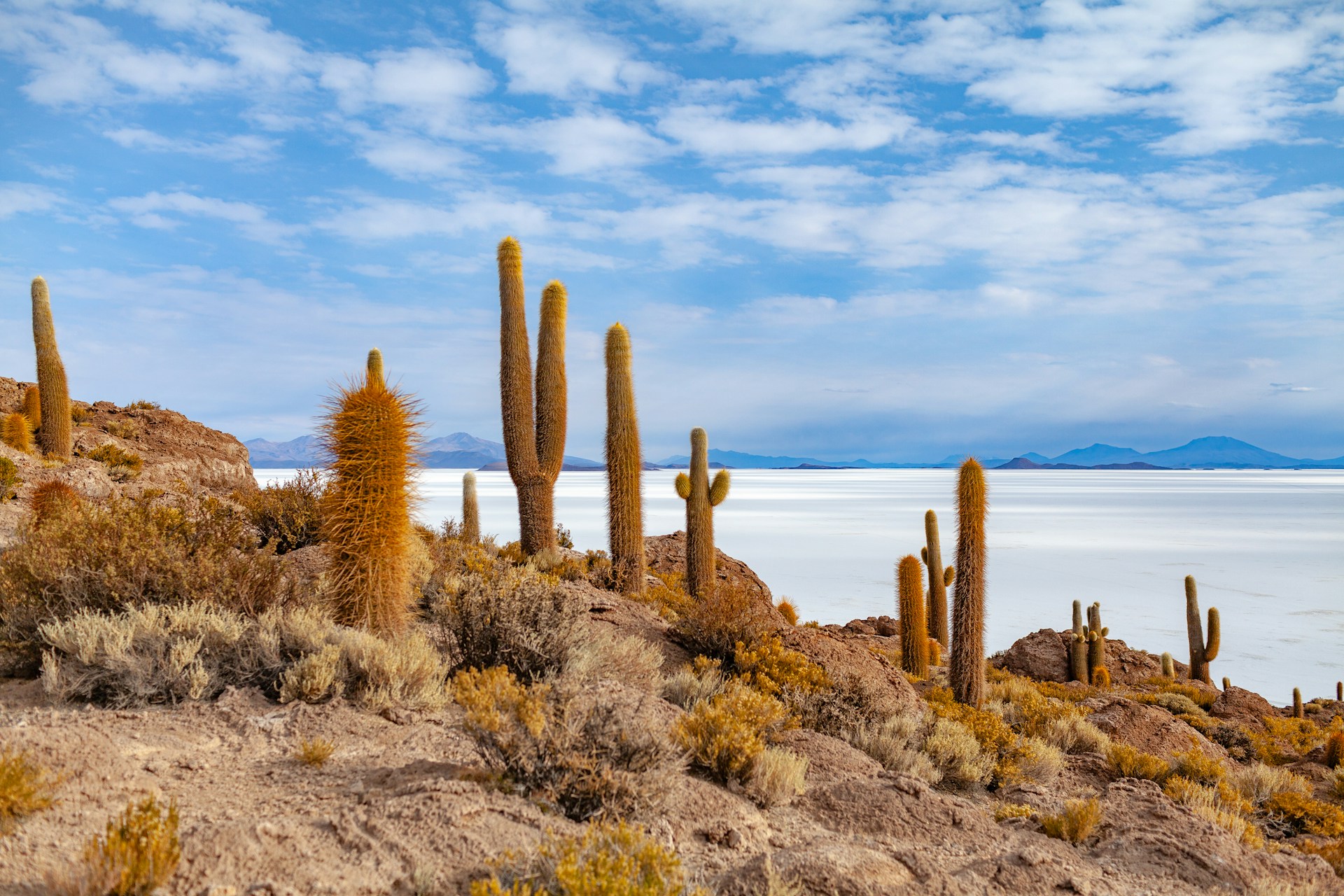
June bathes Bolivia in golden sunlight, with cool, dry days illuminating its Andean treasures. The Inti Raymi festival in the highlands celebrates indigenous traditions with vibrant rituals. Sucre’s colonial architecture gleams, perfect for historical tours. The Madidi National Park offers pristine jungle hikes. Suggested destinations include Sucre, Madidi, La Paz, and Potosí. Weather in Bolivia in June is cool and dry, ideal for those seeking the best time to visit Bolivia’s highlands and jungles.
July - Peak Dry Season Splendor
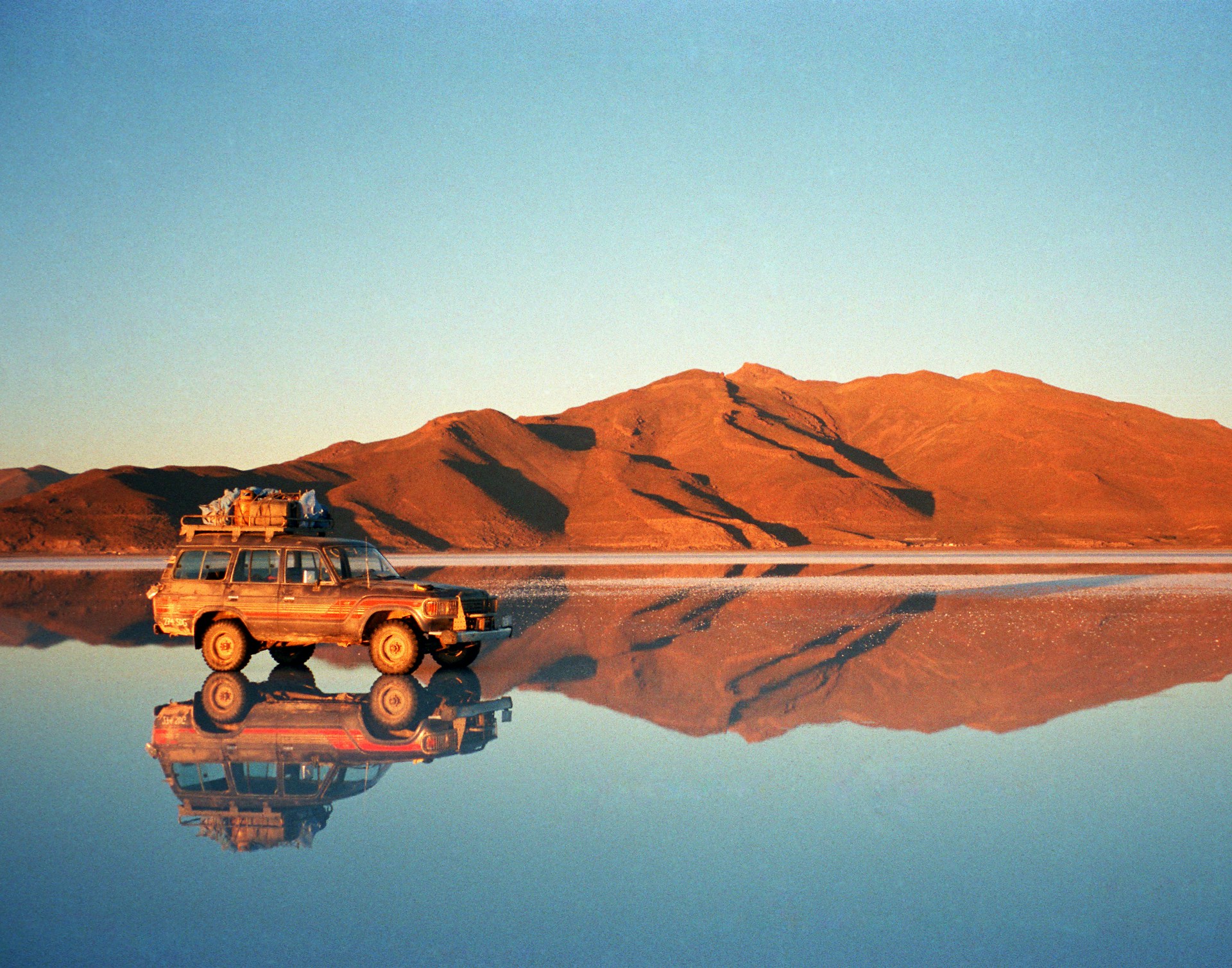
July radiates with Bolivia’s dry season brilliance, perfect for adventure and cultural immersion. The Uyuni Salt Flats are at their crispest, ideal for surreal photography. La Paz hosts the Alasitas Festival, where miniature offerings bring good fortune. The Cordillera Real offers epic trekking routes. Explore Uyuni, La Paz, Cordillera Real, and Cochabamba. Weather in Bolivia in July is cool and sunny, perfect for trekkers and festival-goers seeking Bolivia’s cultural heart.
August - High Altitude Adventures and Clear Skies
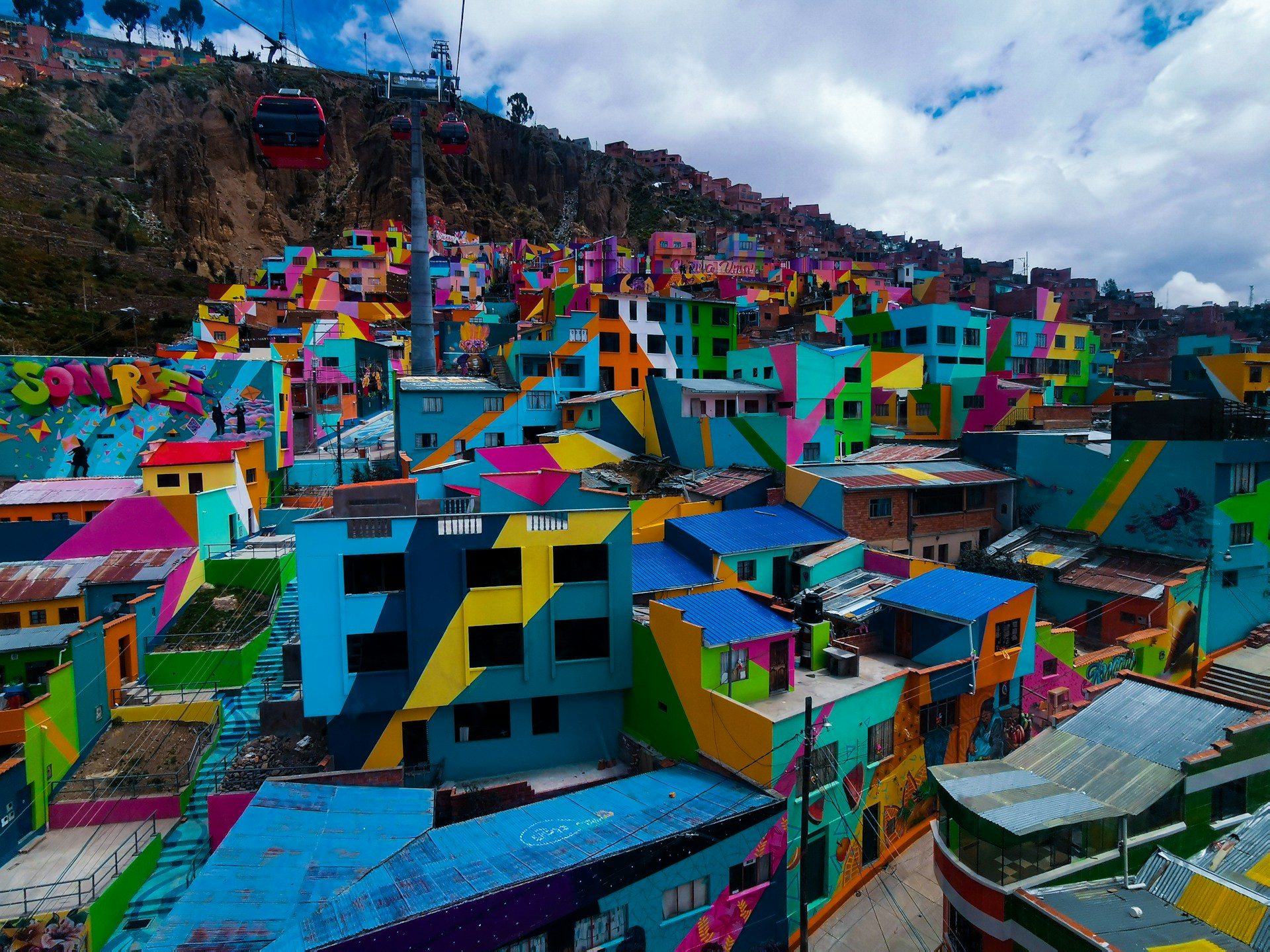
August shines with Bolivia’s high-altitude splendor, offering crystal-clear skies and vibrant landscapes. Lake Titicaca’s Isla del Sol glows with sacred ruins and serene trails. Potosí’s Cerro Rico mines offer a glimpse into colonial history. The Amazon Basin, near Trinidad, hums with wildlife. Suggested destinations include Lake Titicaca, Potosí, Trinidad, and Uyuni. Weather in Bolivia in August is dry and sunny, perfect for enjoying Bolivia’s diverse terrains and cultural riches.
September - Spring’s Gentle Arrival
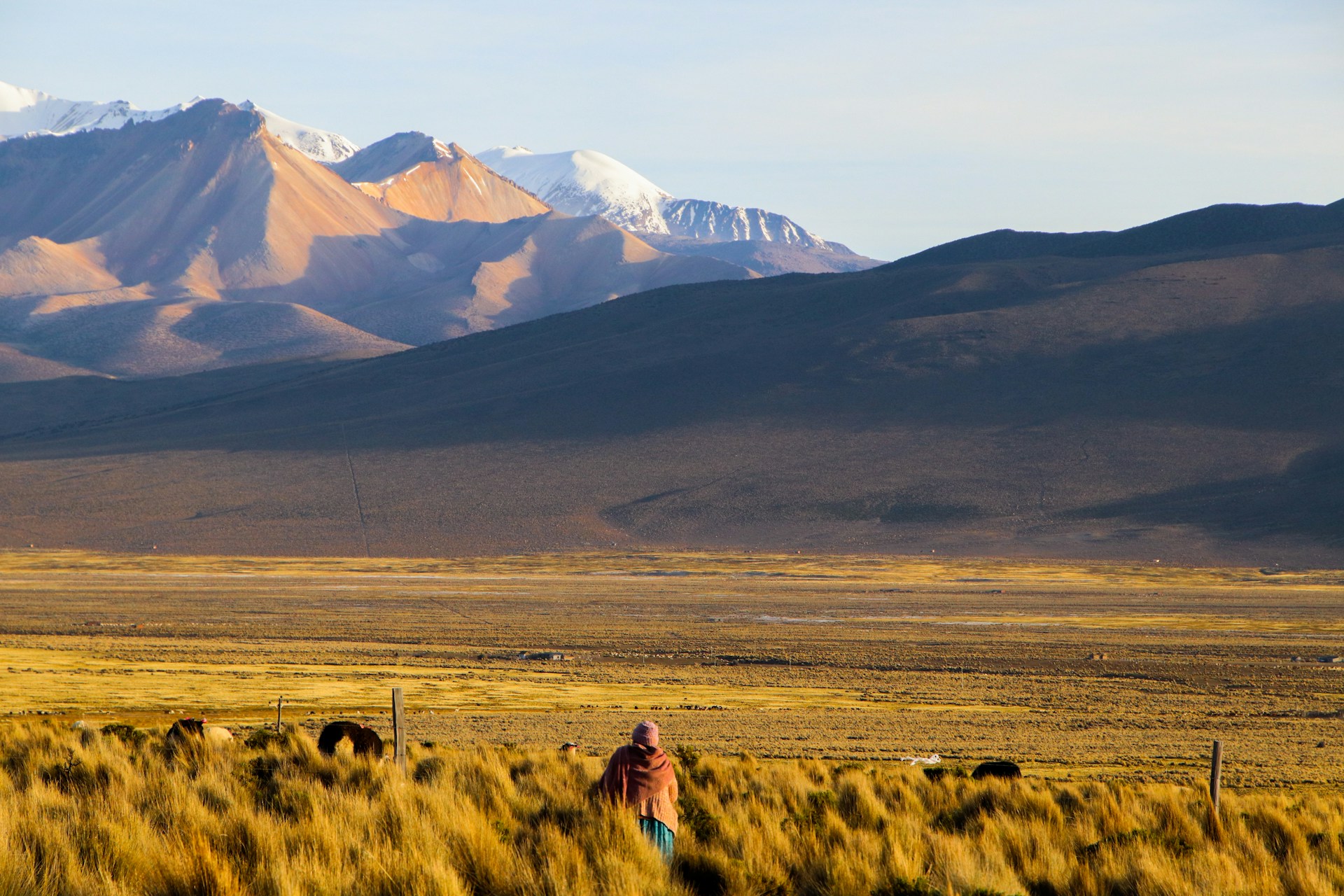
September heralds the onset of spring, with mild temperatures and blooming valleys. The Yungas Valley’s coffee plantations offer scenic hikes and tastings. La Paz’s vibrant markets pulse with energy, while the Sajama National Park showcases towering volcanoes and hot springs. Key destinations include Yungas, La Paz, Sajama, and Sucre. Weather in Bolivia in September is mild and dry, making it the best time to visit southern Bolivia for springtime exploration.
October - Vibrant Spring and Cultural Fervor
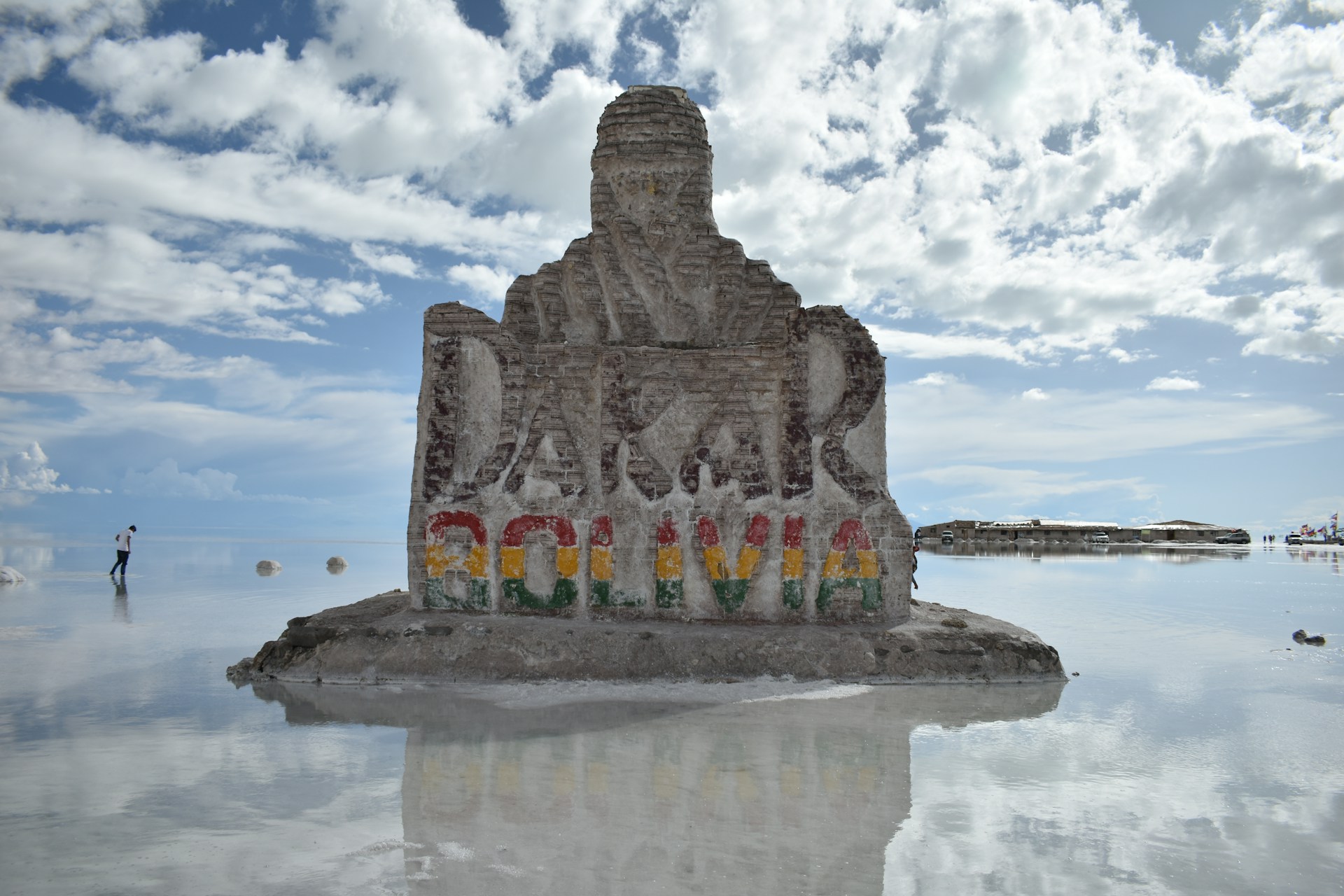
October weaves a tapestry of spring colors and cultural celebrations. The Todos Santos festival in La Paz honors the departed with vibrant altars. The Uyuni Salt Flats remain a stark, beautiful canvas for adventurers. Toro Toro’s dinosaur footprints and caves captivate explorers. Recommended places include La Paz, Uyuni, Toro Toro, and Copacabana. Weather in Bolivia in October is warm and clear, perfect for cultural and outdoor adventures.
November - Cultural Riches in Mild Weather
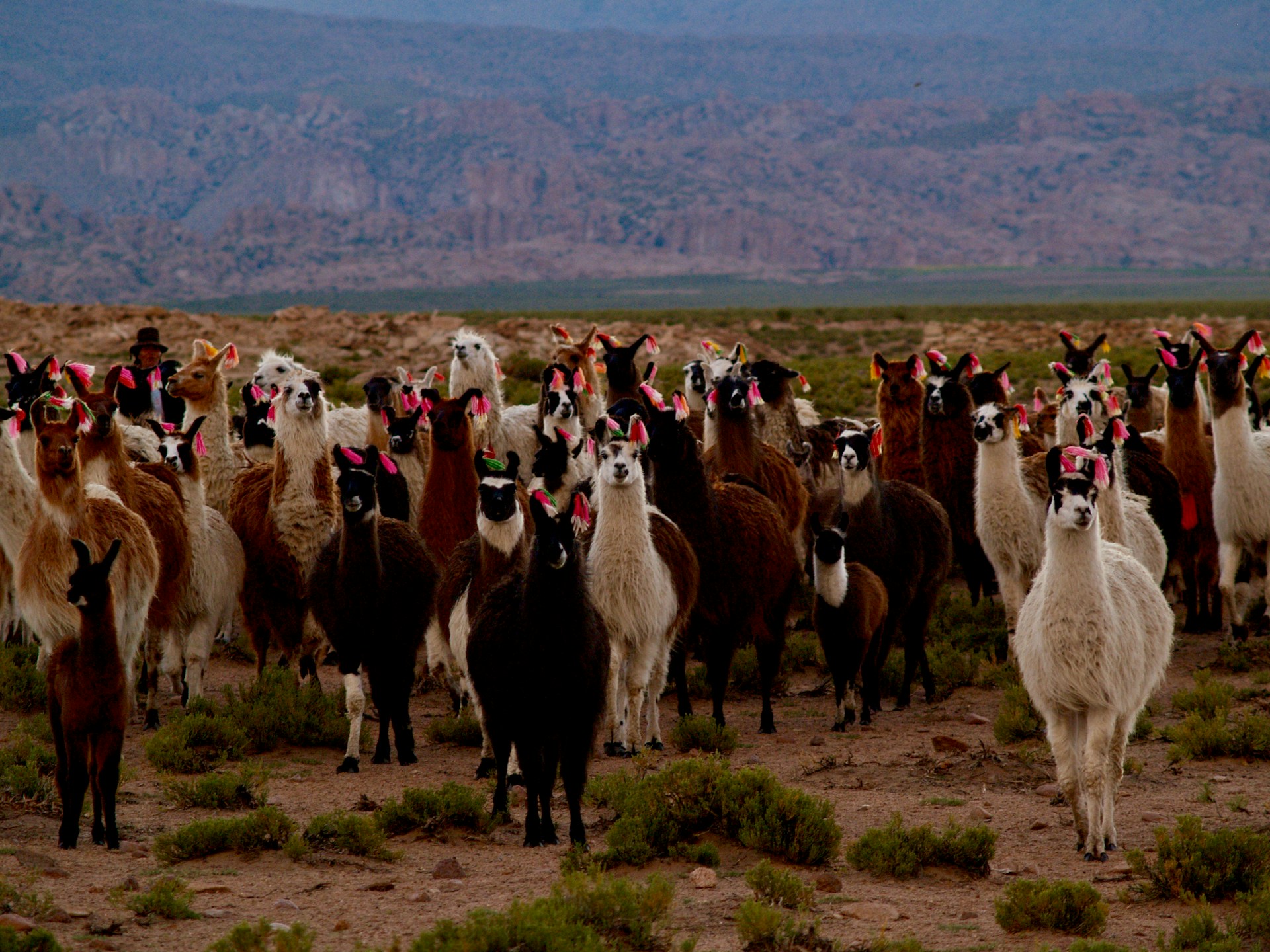
November wraps Bolivia in a warm, dry embrace, ideal for cultural immersion. Sucre’s colonial charm and museums offer a deep dive into history. The Amazon Basin near Rurrenabaque beckons with wildlife tours. Potosí’s silver mines and La Paz’s vibrant streets hum with energy. Suggested destinations include Sucre, Rurrenabaque, Potosí, and La Paz. Weather in Bolivia in November is warm and dry, making it the best time to visit northern Bolivia for cultural exploration.
December - Festive Warmth and Andean Charm
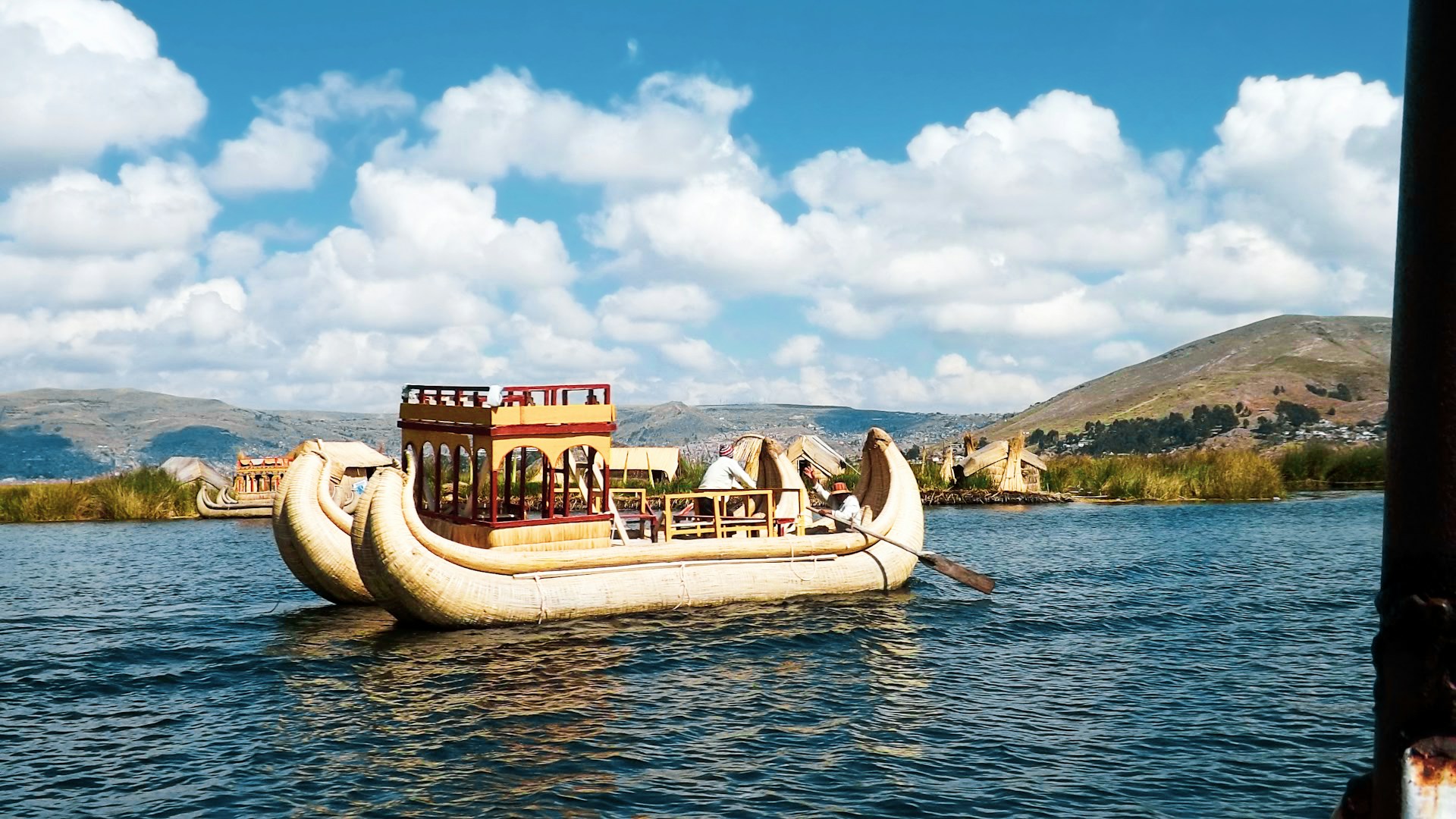
December transforms Bolivia into a festive haven, with warm days and cultural celebrations. La Paz’s Christmas markets brim with handcrafted gifts and traditional foods. Lake Titicaca’s floating islands offer serene escapes, while Uyuni’s salt flats dazzle under clear skies. Cochabamba’s holiday festivities add vibrant cheer. Key destinations include La Paz, Lake Titicaca, Uyuni, and Cochabamba. Weather in Bolivia in December is warm and transitioning to wet, a perfect backdrop for travelers seeking the best time to visit Bolivia for a festive adventure.